
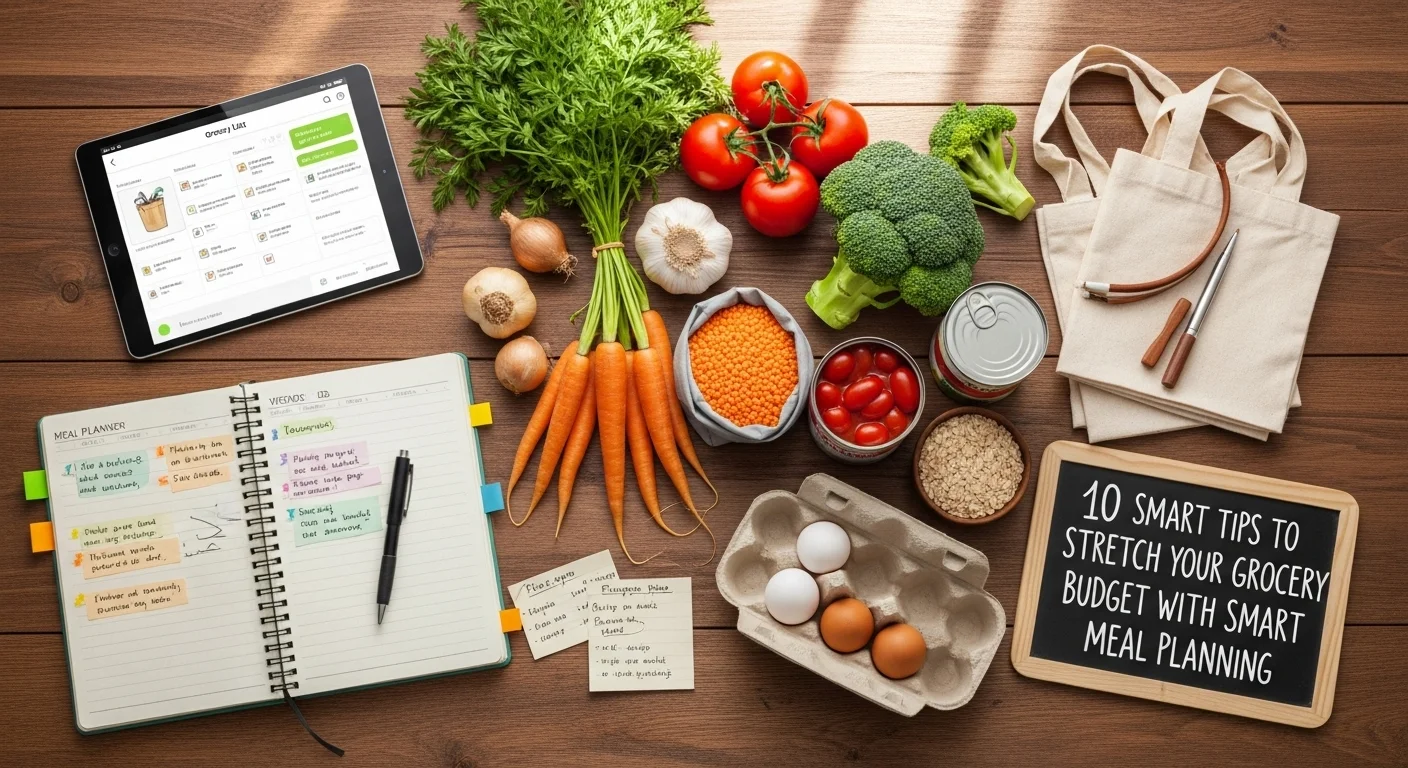
Stretching my grocery budget has become an essential skill in my life. With a bit of smart meal planning and foresight, I’ve discovered that I can eat well without breaking the bank. Here are my top tips for optimizing your grocery spending.
Understanding Your Grocery Needs
One of the first things I’ve learned in my journey to stretch my grocery budget is the importance of understanding my needs. It may sound simple, but taking a moment to assess what I truly need versus what I want has made a significant difference. This approach has not only helped me save money but also reduced food waste in my household.
Assessing Your Pantry and Fridge
Before I even think about making a grocery list, I take a good look at my pantry and fridge. This has become a ritual for me. I check for items that are nearing their expiration date and plan to use them in my meals for the week. I often find cans of beans, pasta, or frozen vegetables that I can incorporate into my meal plans. By using what I already have, I avoid unnecessary purchases and create meals that are both creative and cost-effective.
Creating a Meal Plan
Once I’ve assessed my pantry, I move on to creating a meal plan for the week. This step has been transformative in how I approach grocery shopping. I sit down with a notepad and jot down the meals I want to prepare. I try to stick with recipes that share common ingredients, which helps me buy in bulk and reduce waste. For instance, if I’m planning to make a stir-fry, I might also plan a soup that uses the same vegetables. This not only saves money but also time during the week when I’m busy.
Incorporating Seasonal Produce
One of the best ways I’ve found to enhance my meals while sticking to a budget is by incorporating seasonal produce. Not only are seasonal fruits and vegetables cheaper, but they also taste better. I often look up what’s in season during my grocery shopping trips, and I base my meal plans around those ingredients. For example, summer often brings an abundance of zucchini and tomatoes, and I can create a variety of dishes with them, from salads to pasta sauces. This not only saves me money but also keeps my meals fresh and exciting.
Shopping the Sales
I’ve also learned the importance of keeping an eye on grocery store sales. I regularly check the weekly circulars for my local stores and adjust my meal plan accordingly. If chicken is on sale, I might plan multiple meals that incorporate chicken, or I could buy in bulk and freeze what I don’t use immediately. This strategy allows me to take advantage of lower prices and often leads to significant savings over time. I find that making use of loyalty programs and coupon apps can add even more savings to my shopping trips.
Making a Detailed Grocery List
Once I’ve mapped out my meals for the week, I create a detailed grocery list. This list includes everything I need for my planned meals plus any staples that may be running low, such as rice, flour, or spices. I find that sticking to my list helps me avoid impulse buys, which can quickly add up and derail my budget. I organize my list by category (produce, dairy, frozen, etc.), which not only saves me time in the store but also helps me stay focused on what I need.
Exploring Different Grocery Stores
I’ve discovered that not all grocery stores are created equal. I’ve started to explore different options, from discount grocery chains to local farmers’ markets. Each has its own set of deals and prices, so I often go out of my way to shop at stores that offer better prices on the items I buy regularly. It’s also worth noting that some stores have bulk bins where I can buy only what I need, which is great for saving money on specialty items or ingredients I don’t use often. These small changes in where I shop have had a significant impact on my overall grocery spending.
Emphasizing Plant-Based Meals
In recent years, I’ve gradually shifted towards incorporating more plant-based meals into my diet. I’ve found that beans, lentils, and grains are not only affordable but also nutritious and filling. By focusing on more vegetarian meals, I can stretch my budget further while still enjoying a variety of flavors and textures. For instance, a hearty lentil stew can feed my family for days and is much cheaper than a meat-centered dish. This strategy has not only saved me money but also improved our overall health as we consume more fruits and vegetables.
Batch Cooking and Freezing
Another strategy that has worked wonders for me is batch cooking. On weekends, I spend a few hours preparing meals in bulk. I often make large portions of soups, stews, or casseroles, which I can portion out and freeze for later. This approach not only saves me time during busy weeknights but also ensures that I have healthy meals ready to go, reducing the temptation to order takeout. It may take some effort upfront, but the payoff in both time and money is well worth it.
Encouraging Family Involvement
Lastly, I’ve found that involving my family in meal planning and preparation can be incredibly beneficial. Not only does it make the process more enjoyable, but it also helps everyone understand the value of budgeting and cooking at home. By letting my kids help choose meals and prepare them, they become invested in what we eat. This involvement often leads to less food waste, as everyone is more likely to eat what they’ve helped create.
These strategies have transformed how I approach grocery shopping and meal planning. I’m excited to share more tips that can help you maximize your grocery budget in the following sections. With a little planning and creativity, you too can stretch your grocery dollars further!
Using Smart Shopping Techniques
As I continued on my journey of stretching my grocery budget, I realized that there are various shopping techniques that can make a huge difference in how much I spend. These strategies have not only helped me save money but have also made my grocery shopping experience more efficient and enjoyable.
Shopping with a Full Stomach
I can’t stress enough how important it is to shop on a full stomach. Grocery shopping when I’m hungry has led me to make impulsive purchases—like that extra bag of chips or those delicious-looking pastries. Now, I make it a point to eat a meal or at least have a snack before heading out. This simple change has helped me stick to my grocery list without falling prey to unnecessary temptations. I find that when I’m not hungry, I’m much better at resisting those “just in case” buys that always seem appealing but can quickly inflate my bill.
Using Cash or a Budgeting App
I’ve found that managing my grocery budget works best when I have a clear limit in mind. One effective way to stick to my budget is by using cash. I withdraw a set amount for my grocery shopping each week and leave my cards at home. This physical limitation helps me prioritize my purchases and think carefully about what I really need. Alternatively, if I prefer using a card, I’ll use a budgeting app to track my spending in real-time. This allows me to see how much I’ve spent as I shop, keeping me accountable and aware of my budget.
Choosing Store Brands
During my grocery trips, I’ve started to pay more attention to store brands. Surprisingly, many store brands offer the same quality as their name-brand counterparts but at a significantly lower price. I’ve sampled various products from store brands, from pasta to canned goods, and found that I often prefer them. Making the switch to store brands has allowed me to save a notable amount on my grocery bill without sacrificing quality. I recommend trying them out for yourself—you might be pleasantly surprised!
Taking Advantage of Loyalty Programs
Most grocery stores have loyalty programs that offer discounts and rewards for frequent shoppers. I’ve signed up for several programs at my local stores, and it has truly paid off. By using my loyalty card, I often receive exclusive discounts on items I buy regularly. Some stores even offer cash-back rewards or points that can be redeemed for discounts on future purchases. I keep track of these programs and any special promotions, ensuring I’m getting the most bang for my buck every time I shop.
Learning to Love Leftovers
Leftovers have become a staple in my household. I used to see them as a last resort, but now I embrace them as an opportunity to create new meals. For instance, if I make a roasted chicken for dinner, I can easily repurpose the leftovers into a chicken salad or a hearty soup the following days. Not only does this minimize food waste, but it also simplifies my meal prep for the week. Knowing I have delicious leftovers waiting for me is such a relief on busy nights, and it keeps my grocery costs down since I’m making the most of each meal.
Joining a Community Supported Agriculture (CSA) Program
In my quest to stretch my grocery budget, I’ve also explored joining a Community Supported Agriculture (CSA) program. This initiative allows me to buy a share of a local farm’s produce for a season. Each week, I receive a box filled with fresh, seasonal fruits and vegetables. Not only do I enjoy the variety and quality of the produce, but I also end up spending less compared to buying organic produce at the grocery store. Plus, being part of a CSA connects me with local farmers and fosters a sense of community, which is an added bonus!
Understanding Unit Pricing
One useful skill I’ve developed is understanding unit pricing. When I’m shopping, I pay attention to the price per ounce or per pound, especially when comparing different products. This helps me make informed decisions about which product truly offers the best value. I’ve often found that larger packages aren’t always the best deal if they’re not on sale, and this awareness has helped me save money regularly. By checking unit prices, I can make choices that fit my budget and ensure I’m getting the best price for what I need.
Being Open to Alternatives
Finally, I’ve found that being open to alternatives has been a game-changer. If a recipe calls for a specific ingredient that’s out of my budget, I look for substitutes that are more affordable. For instance, if a recipe requires a particular type of fish, I might swap it for a less expensive option that I enjoy just as much. This flexibility not only saves me money but also encourages me to experiment in the kitchen, enhancing my cooking skills and keeping meals interesting.
These shopping strategies have equipped me with the tools to navigate grocery shopping more effectively. I’ve seen firsthand how small changes can lead to significant savings over time. By implementing these techniques, I feel empowered to make smart choices that not only benefit my wallet but also my overall dining experience.
Final Thoughts
With the right approach and a little creativity, anyone can stretch their grocery budget and enjoy delicious meals without overspending. I hope these tips inspire you to take a closer look at your own grocery shopping habits and encourage you to find ways to save money while still eating well. Remember, every small effort adds up, and with time, you’ll likely see your grocery bills decrease while your culinary skills improve.