
If you’re craving a quick, satisfying meal that you can whip up in just 15 minutes, then this ground beef stir-fry is the perfect solution. It’s simple, delicious, and even better than takeout!
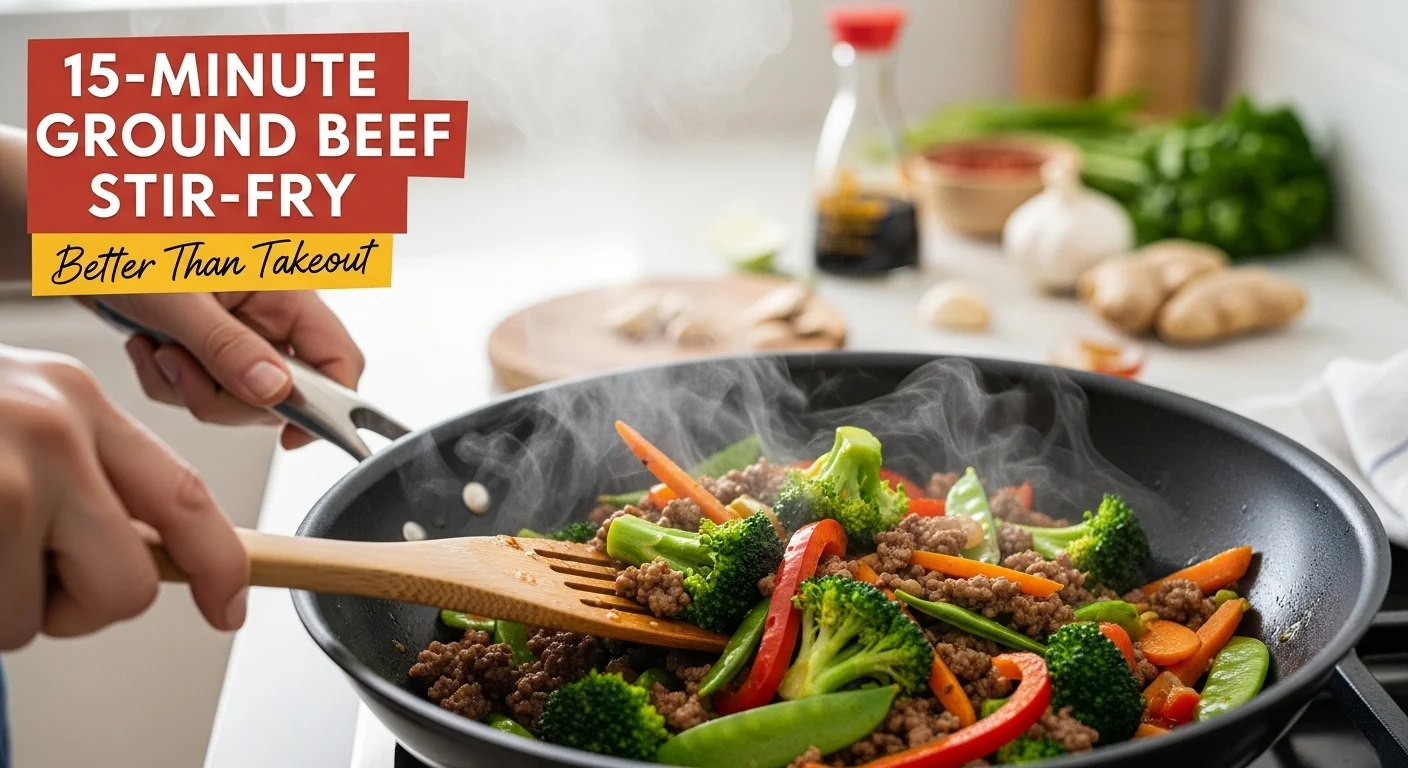
Overview of Ground Beef Stir-Fry
What is Stir-Fry?
Stir-fry is a cooking technique that originated in China and has become popular worldwide. It involves cooking small pieces of food quickly over high heat in a wok or skillet, typically with a small amount of oil. This method allows the ingredients to retain their color, texture, and flavor while cooking quickly. I remember the first time I tried stir-frying; it was like a culinary revelation! The vibrant colors and the enticing aromas filled my kitchen, and I just knew I was onto something special. Read Interesting article: This Korean Bulgogi Chicken Trend Deserves Its Fame
Benefits of Making Stir-Fry at Home
Making stir-fry at home has so many advantages. First and foremost, it’s incredibly fast! When I get home after a long day, the last thing I want is to spend hours in the kitchen. With stir-fry, I can have a hearty meal on the table in about 15 minutes. Plus, I love knowing exactly what goes into my meal. I can choose fresh vegetables, quality ground beef, and control the amount of sauce and seasoning. It’s healthier than takeout and can easily be customized to fit my family’s tastes. I think this is one of the reasons why stir-fry has become a staple in my kitchen. Read Interesting article: The TikTok Lazy Dinner Hack That Actually Tastes Gourmet
Key Ingredients for a Delicious Stir-Fry
Ground Beef: Types and Best Cuts
When it comes to ground beef, I often use 80/20 ground beef for my stir-fry. This blend has enough fat to keep the meat juicy and flavorful without being greasy. I’ve experimented with leaner cuts, but they can sometimes turn out dry. If you prefer, you can use ground turkey or chicken as healthier alternatives. I’ve found that using quality meat not only enhances the flavor but also makes the stir-fry feel more satisfying.
Essential Vegetables for Stir-Fry
One of the best parts about stir-frying is the variety of vegetables you can include. I usually choose a colorful mix for both flavor and visual appeal. Bell peppers, broccoli, snap peas, and carrots are some of my favorites. They cook quickly and add a nice crunch. I’ve also learned to keep frozen stir-fry vegetables on hand for those nights when I don’t have fresh veggies available—super convenient! The beauty of stir-fry is that you can use whatever vegetables you have on hand. It’s a great way to reduce waste while ensuring a nutritious meal.
Stir-Fry Sauces and Seasonings
The sauce is where the magic happens! I often use a blend of soy sauce, garlic, and ginger for a classic flavor. You can also experiment with teriyaki sauce or hoisin sauce, depending on what you’re in the mood for. I’ve discovered that adding a splash of sesame oil at the end brings out a rich, nutty flavor that really elevates the dish. Don’t be afraid to try different sauces to find your favorite flavor combination!
Choosing the Right Oil for Stir-Frying
Choosing the right oil can make a significant difference in your stir-fry. I prefer using oils with high smoke points, like vegetable oil or canola oil. They can withstand the high heat necessary for stir-frying without burning. However, I love adding a dash of sesame oil for flavor once the cooking is done. It’s a small touch, but it brings everything together beautifully. Remember, the oil you use can enhance the overall taste of your dish, so choose wisely!
Preparation Steps
How to Prepare Ground Beef
Preparing ground beef for stir-fry is simple. I usually start by browning the beef in a hot skillet or wok. Breaking it up with a spatula, I let it cook until it’s no longer pink. I often season the meat with a bit of salt and pepper while it cooks. This ensures that the beef is flavorful right from the start. Once it’s done, I set it aside while I prepare the vegetables. This step keeps everything organized and helps to avoid overcooking the meat.
Chopping and Slicing Vegetables
Chopping vegetables for stir-fry is one of my favorite parts. I love how quickly things come together! I usually slice vegetables into uniform sizes so they cook evenly. I’ve learned that cutting them too thick will leave some crunchy while others are mushy, which isn’t ideal. I recommend prepping all the veggies before starting to cook; this way, everything is ready to toss into the pan without delay.
Marinating Tips for Extra Flavor
If I have a bit more time, I like to marinate my ground beef for extra flavor. A simple mix of soy sauce, garlic, and a hint of ginger makes a great marinade. I usually let it sit for about 15-30 minutes if I can, but even a quick soak right before cooking can enhance the flavor. This extra step transforms a good stir-fry into a fantastic one, making it truly memorable!
Cooking Techniques
Stir-Frying: The Right Technique
Stir-frying is all about speed and technique. I’ve learned that the key is to keep everything moving. Once I heat my oil in the pan, I add the ground beef first and break it up while it sizzles. The sound of the meat hitting the hot skillet is music to my ears! I like to keep my spatula handy to constantly stir and toss the ingredients. This ensures that everything cooks evenly and doesn’t burn. I also find that working with smaller batches can make a big difference; it prevents overcrowding in the pan, allowing each piece to get that perfect sear. I remember the first few times I tried stir-frying, I was so focused on following a recipe that I forgot to enjoy the process of cooking. Now, I embrace the energy and excitement that comes with it!
Cooking Times for Different Ingredients
Getting the cooking times right is crucial for a successful stir-fry. I’ve noticed that ground beef takes about 5-7 minutes to cook through, which is perfect since I can toss in my veggies right after it’s browned. When I add vegetables, I usually start with the harder ones like carrots or broccoli, which take a little longer to soften. After a couple of minutes, I throw in softer veggies like bell peppers and snap peas. Timing is everything! If you add softer vegetables too early, they can become mushy and lose their vibrant color. I’ve made that mistake before, and it’s a lesson I won’t forget!
Using a Wok vs. a Skillet
Choosing between a wok and a skillet has been a fun discovery for me. I used to think a skillet was enough, but once I tried a wok, I understood the hype! The shape of a wok allows for more surface area and better heat distribution. It’s easier to toss ingredients without spilling over the sides. I find that the high sides also help retain heat, which is great for quick cooking. However, when I’m in a pinch or cooking for just myself, a skillet works just fine. I like the versatility of using both depending on my mood and how many people I’m cooking for. No matter the choice, the excitement of stir-frying always shines through!
15-Minute Stir-Fry Recipe
Quick Recipe Overview
If you’re ready to dive into making your own ground beef stir-fry, I can’t wait to share one of my go-to recipes. It’s quick, easy, and, most importantly, delicious! The best part is that you can customize it with whatever vegetables or sauces you prefer. Here’s a simple overview of what you’ll need:
- 1 pound of ground beef
- 2-3 cups of mixed vegetables (fresh or frozen)
- 2-3 tablespoons of soy sauce
- 1 tablespoon of sesame oil
- 1 teaspoon of minced garlic
- 1 teaspoon of minced ginger
- Salt and pepper to taste
- Cooked rice or noodles for serving
Step-by-Step Cooking Instructions
Here’s how I typically put everything together:
- Start by heating 1 tablespoon of vegetable oil in your wok or skillet over medium-high heat.
- Add the ground beef and season it with salt and pepper. Cook until it’s browned, breaking it up as it cooks (about 5-7 minutes).
- Once the beef is done, remove it from the pan and set it aside.
- In the same pan, add another tablespoon of oil if needed. Toss in the garlic and ginger, stir-frying for about 30 seconds until fragrant.
- Add your mixed vegetables and stir-fry for about 3-4 minutes until they’re bright and tender-crisp.
- Return the cooked beef to the pan and pour in the soy sauce. Stir everything together for another minute.
- Finish with a splash of sesame oil and give it a final mix.
- Serve hot over rice or noodles, and enjoy!
Serving Suggestions
When it comes to serving, I like to keep it simple. A sprinkle of sesame seeds or chopped green onions on top adds a nice touch of flavor and color. Sometimes, I’ll even serve it with a side of egg rolls or spring rolls to make it feel more like takeout! If I’m in the mood for something extra, I might whip up a quick salad with a soy-ginger dressing to go alongside my stir-fry. The beauty of this meal is that it can be versatile while still being incredibly satisfying.
Variations of Ground Beef Stir-Fry
Spicy Ground Beef Stir-Fry
If you’re anything like me and love a little heat in your meals, then a spicy ground beef stir-fry is a must-try! I often add some crushed red pepper flakes or a drizzle of sriracha to give my stir-fry that extra kick. The first time I did this, I was pleasantly surprised by how the spice balanced perfectly with the savory flavors of the beef and vegetables. You can also toss in some sliced jalapeños or chili peppers for a fresh, spicy twist. Just remember to start with a little and adjust according to your spice tolerance. It’s a fun way to play with flavors and make your stir-fry uniquely yours!
Vegetarian Alternatives Using Ground Beef Substitutes
For those days when I want to cut back on meat or for friends who prefer vegetarian options, I love experimenting with ground beef substitutes. There are some fantastic products out there, like lentils, mushrooms, or plant-based ground meats. I remember making a stir-fry with lentils once, and the texture was surprisingly satisfying. The key is to season them well with soy sauce, garlic, and ginger just like I would with ground beef. I’ve found that it’s not only delicious but also packed with nutrients, making it a great option for everyone at the table.
Flavor Profiles from Different Cuisines
One of the best parts about stir-frying is how versatile it is. Depending on the sauces and spices you choose, you can take your dish on a culinary adventure! The first time I tried a Thai-inspired stir-fry, I added coconut milk and Thai red curry paste to the mix, and it was absolutely heavenly. I’ve also enjoyed making a Korean version with gochujang (Korean chili paste) and sesame seeds, giving it a rich depth of flavor. Each version tells a different story and allows me to explore new tastes right from my kitchen. I love how just a few changes can transport my taste buds to another part of the world! Read Interesting article: This Korean Spicy Chicken Noodle Trend Is Everywhere
Tips for Making the Best Ground Beef Stir-Fry
Ingredient Substitutions
Sometimes, I find myself running low on certain ingredients, but that doesn’t stop me from making a delicious stir-fry! For instance, if I’m out of soy sauce, I’ve used tamari or even coconut aminos as a substitute, and they work beautifully. If I don’t have fresh ginger, I’ll reach for ground ginger instead. It’s all about being flexible and getting creative with what I have on hand. I’ve learned that stir-fry is forgiving, and with a little improvisation, I can whip up something tasty regardless of the situation.
Meal Prep Tips for Busy Weeknights
Meal prepping has changed my game when it comes to weeknight cooking. I often spend a little time on the weekend chopping my vegetables and marinating the ground beef so that everything is ready to go during the week. I’ve found that if I have my ingredients prepped, making a stir-fry becomes a breeze. It’s amazing how just a little preparation can save me from the temptation of takeout when I’m tired and hungry after a long day. Having everything at my fingertips makes the cooking process more enjoyable and less stressful.
How to Store and Reheat Leftovers
Leftovers from my stir-fry are a treat that I always look forward to! After enjoying the first meal, I store the leftovers in an airtight container in the fridge. I usually try to consume them within 2-3 days to ensure freshness. When reheating, I prefer using a skillet over the microwave because it helps retain the stir-fry’s texture. A quick sauté in the pan with a splash of water or oil brings everything back to life, making it just as good as the first time. It’s a great way to enjoy a quick meal without the fuss!
Comparison with Takeout
Cost Analysis: Homemade vs. Takeout
One of the biggest advantages I’ve noticed when making my ground beef stir-fry at home is the cost savings. Takeout can really add up, especially when feeding a family. I remember the first time I calculated the cost of ingredients for a homemade stir-fry versus ordering from my favorite restaurant. The homemade version was significantly cheaper, and I still had plenty of leftovers! It’s nice knowing that I can enjoy a delicious meal without breaking the bank. Plus, I can customize the portions to ensure everyone gets enough to eat.
Health Benefits of Homemade Stir-Fry
I feel so much better knowing exactly what’s in my meal when I cook at home. I can control the amount of sodium and sugar, opting for lower-sodium soy sauce or skipping added sugars altogether. I’ve also noticed that I can pack my stir-fry with more veggies than I typically get in takeout. This way, I’m not only enjoying a tasty meal but also nourishing my body. It’s a win-win! Each bite is filled with fresh ingredients that I handpicked, making it all the more satisfying.
Flavor Customization at Home
One of my favorite aspects of making stir-fry at home is the ability to customize flavors. No two stir-fries are the same in my kitchen, and I love experimenting with different sauces and spices. Maybe I’m in the mood for something sweet and tangy today, or perhaps a savory and spicy dish tomorrow. The freedom to adjust flavors according to my cravings is something I cherish. I can try new combinations without any pressure, and I always discover something new that I love!
Frequently Asked Questions
What is stir-fry?
Stir-fry is a cooking technique that originated in China, involving cooking small pieces of food quickly over high heat in a wok or skillet with a small amount of oil. This method helps retain the color, texture, and flavor of the ingredients.
What are the benefits of making stir-fry at home?
Making stir-fry at home is incredibly fast, taking about 15 minutes to prepare a hearty meal. It allows you to choose fresh ingredients, control the amount of sauce and seasoning, and customize the dish to fit your family’s tastes, making it healthier than takeout.
What type of ground beef is best for stir-fry?
The preferred type for stir-fry is 80/20 ground beef, as it has enough fat to keep the meat juicy and flavorful without being greasy. Alternatives like ground turkey or chicken can also be used for a healthier option.
What vegetables are suitable for stir-fry?
Colorful vegetables like bell peppers, broccoli, snap peas, and carrots are great for stir-fry. You can also use frozen stir-fry vegetables for convenience, and the beauty of stir-fry is that you can use whatever vegetables you have on hand.
What sauces can be used in stir-fry?
A blend of soy sauce, garlic, and ginger is a classic for stir-fry. You can also try teriyaki sauce or hoisin sauce, and adding sesame oil at the end enhances the dish’s flavor.
How should I prepare ground beef for stir-fry?
Start by browning the ground beef in a hot skillet or wok, breaking it up as it cooks until it’s no longer pink. Season with salt and pepper while cooking, and set it aside once done to prepare the vegetables.
What is the cooking technique for stir-frying?
The key to stir-frying is to keep everything moving. Heat the oil, add the beef first, and constantly stir and toss the ingredients to ensure even cooking. Working in smaller batches can help prevent overcrowding and allow for better searing.
How long does it take to cook the ingredients in stir-fry?
Ground beef takes about 5-7 minutes to cook through. When adding vegetables, start with harder ones like carrots or broccoli first, followed by softer vegetables like bell peppers and snap peas to avoid mushiness.
Can I meal prep for stir-fry?
Yes, meal prepping can be very helpful. Spend some time on the weekend chopping vegetables and marinating the ground beef so that everything is ready to go during the week, making stir-fry preparation quick and easy.
What are the cost benefits of homemade stir-fry compared to takeout?
Homemade stir-fry is generally significantly cheaper than takeout, especially when feeding a family. You can also customize portions and enjoy leftovers, making it a cost-effective choice.