
Feeling overwhelmed with dinner plans? I get it! My 15-Minute Lo Mein Noodles recipe will save your weeknight meals and satisfy your cravings in no time.
What are Lo Mein Noodles?
Lo Mein noodles are a delicious type of Chinese egg noodle, known for their chewy texture and ability to soak up flavors. Whenever I think of Lo Mein, I picture a warm bowl filled with colorful veggies and savory sauce, all wrapped around those delightful noodles. They are incredibly versatile, making them a go-to option in our kitchen. But where do these noodles come from, and what really sets them apart? Let’s dive into their history, types, and how they differ from their crunchy counterpart, Chow Mein.
History and Origin of Lo Mein
The origins of Lo Mein can be traced back to Chinese cuisine, with roots dating back centuries. I remember learning about how these noodles were traditionally made by hand, stretching the dough until it was thin and pliable. The term “Lo Mein” literally translates to “tossed noodles,” which gives a hint about its preparation. Unlike many dishes that are fried or boiled, Lo Mein is about combining cooked noodles with a variety of ingredients, usually tossed together in a savory sauce.
As Chinese immigrants brought their culinary traditions to America, Lo Mein became a popular dish, evolving to suit local tastes. I’ve seen how this dish has adapted over time, showing up in countless variations in restaurants across the country. It’s fascinating how something so simple has such a rich history and has become a staple on many dinner tables, including mine!
Types of Lo Mein Noodles
Lo Mein noodles come in a few different forms, and I’ve tried them all! The most common ones are wheat-based egg noodles, which are soft and slightly chewy. These are usually what you’ll find in takeout containers. Then there are fresh egg noodles, which I absolutely love for their silkiness. And let’s not forget the dry noodles, which need a little more time to prepare but are perfect for meal prep. I really enjoy experimenting with different types, depending on what I have available or what I’m in the mood for.
When I make Lo Mein, I often choose the fresh egg noodles because they cook quickly and have a delightful texture. It’s all about finding what you enjoy the most. If you’re ever unsure, I recommend trying a few different types to see what fits your taste best.
Difference Between Lo Mein and Chow Mein
Now, let’s talk about the difference between Lo Mein and its sibling, Chow Mein. At first glance, they might seem similar, but they’re quite distinct in both taste and texture. Lo Mein noodles are soft and chewy, while Chow Mein noodles are typically fried until they’re crispy. I remember the first time I had Chow Mein; the crunchiness surprised me, and I loved the contrast with the tender veggies.
Lo Mein is all about combining the cooked noodles with a variety of ingredients, while Chow Mein often features the noodles as a base that can be topped or served alongside ingredients. In our home, we enjoy both styles, depending on whether we’re craving something soft and saucy or a little crunchier. Each has its place, and I think it’s fun to switch things up!
Ingredients for 15-Minute Lo Mein Noodles
Ready to whip up your own 15-Minute Lo Mein? I promise it’s easier than you think! The beauty of this dish lies in its simplicity and adaptability. Let’s break down the essential ingredients you’ll need to create a satisfying meal that you can customize to your taste.
Essential Ingredients
First, let’s talk about the essential ingredients. You’ll need Lo Mein noodles, of course! I usually opt for about 8 ounces for two to three servings. Along with the noodles, you’ll want some fresh vegetables. Bell peppers, carrots, and broccoli are my favorites, but feel free to use whatever you have on hand. I’ve even added leftover stir-fry veggies, and it turned out great!
Next up is the sauce. You can use a store-bought stir-fry sauce or whip up your own with soy sauce, sesame oil, garlic, and ginger. This is where the flavor really comes to life. I love experimenting with different sauces, which is one of the reasons this dish never gets old for me!
Vegetable Options for Lo Mein
When it comes to vegetables, the sky’s the limit! I’ve discovered that using seasonal produce not only enhances the flavor but also makes my Lo Mein look vibrant and fresh. Snow peas, bell peppers, bok choy, and sliced mushrooms are some of my go-tos. I feel like each vegetable adds a unique crunch and taste, which is why I often mix and match. Plus, it’s a fantastic way to sneak in some extra nutrients for my family.
I also enjoy incorporating seasonal vegetables, which keep the dish exciting. I remember one summer when I added zucchini and corn to my Lo Mein; it was a hit! The key is to choose what you love and what’s fresh.
Protein Add-ins: Chicken, Beef, Shrimp, and Tofu
Now, let’s get to protein add-ins. This is where you can really personalize your dish! I often toss in some chicken or shrimp for a hearty meal. If I’m feeling like a lighter option, I go for tofu. It absorbs all the flavors beautifully, and I love the texture it brings. I’ll usually marinate the proteins in a bit of soy sauce and ginger before cooking to give them an extra kick.
Beef is also a fantastic option; I’ve used sliced flank steak before, and it was delicious. It’s all about what your family enjoys. I’ve found that mixing things up keeps everyone happy and satisfied. Sometimes, I’ll even make a big batch with assorted proteins for an inviting family-style meal!
Sauces and Seasonings
Finally, we can’t forget about the sauces and seasonings! As I mentioned earlier, soy sauce is a must-have, but I also love to add oyster sauce for depth. A splash of sesame oil at the end really brings everything together. I’ve learned that a little garlic and minced ginger can elevate the dish, making it taste like I slaved over the stovetop for hours. A sprinkle of green onions or sesame seeds on top adds that final touch of flavor and presentation.
In my opinion, the right sauce can transform a simple noodle dish into something extraordinary. I always keep a few different sauces on hand so I can switch things up based on my mood or what I have available. Trust me; it’s all about making it your own!
Step-by-Step Recipe for 15-Minute Lo Mein Noodles
Preparation Time and Equipment Needed
Let’s get into the fun part—making my 15-Minute Lo Mein! The best part? You don’t need a fancy kitchen to whip this up. I usually start by gathering my ingredients and equipment. For this dish, you’ll need a large pot for boiling the noodles, a skillet or wok for stir-frying, and a spatula or tongs for mixing everything together. I also find it helpful to have a cutting board and knife on hand for chopping the vegetables.
Preparation time is super quick—about 5 minutes to chop your veggies and 10 minutes to cook everything. So, in just 15 minutes, you’ll have a delicious meal ready to serve!
Cooking Method Overview
When it comes to cooking, I like to think of it as a dance in the kitchen. Everything needs to move in harmony. First, we’ll cook the noodles, then stir-fry the veggies and protein, and lastly, we’ll bring it all together with the sauce. Trust me; it sounds more complicated than it is! I’ve done this so often that it feels like second nature now.
Step 1: Preparing the Noodles
Start by boiling a pot of water. I usually add a pinch of salt to enhance the flavor of the noodles. Once the water is bubbling, I toss in my Lo Mein noodles and cook them according to the package instructions. Fresh noodles usually take around 2-3 minutes, while the dried ones may take a bit longer. Don’t forget to stir them occasionally to prevent sticking! Once they’re al dente, I drain them and set them aside, drizzling a little sesame oil on top to keep them from clumping.
Step 2: Stir-Frying the Ingredients
Next, it’s time to heat up my skillet or wok. I usually add a splash of oil—canola or vegetable works great for high heat. Once the oil is shimmering, I throw in my chopped veggies. I typically start with the denser ones like carrots and broccoli, letting them sauté for a minute or two before adding the more delicate vegetables like bell peppers and snow peas. The colors and aromas are just heavenly! After a couple of minutes, I add my protein of choice. If I’m using chicken or beef, I make sure it’s sliced thinly so it cooks quickly.
This step is where I like to get creative. If I feel adventurous, I might add a sprinkle of red pepper flakes for a little heat or toss in some chopped garlic and ginger for an extra punch. The sizzling sound of the ingredients hitting the hot pan always makes my mouth water!
Step 3: Combining Noodles and Sauce
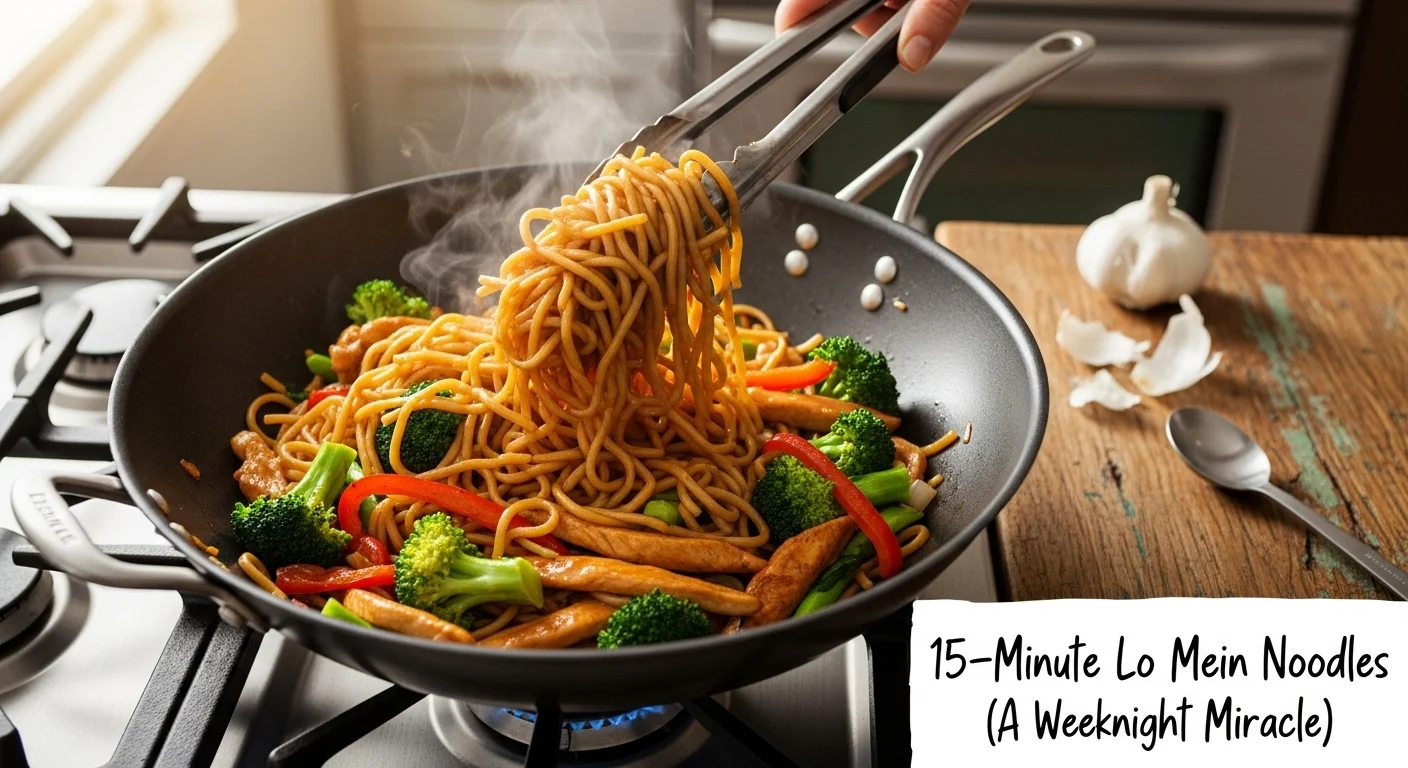
Once the veggies are tender-crisp and the protein is cooked through, it’s time to reunite everything. I gently fold in the prepared noodles into the pan, making sure they’re well mixed with all the vegetables and protein. Then, I pour in my sauce—this could be a homemade blend or a store-bought one. I like to use about ¼ cup of sauce for the right balance of flavor without making it too saucy. As everything heats through, I use my tongs to toss the noodles, ensuring every strand is coated in that delicious sauce. It’s such a satisfying moment!
Step 4: Serving Suggestions
At this point, my kitchen is filled with delicious aromas, and I can’t wait to dig in! I usually serve my Lo Mein hot right from the pan. I like to plate it up in bowls, and for a nice touch, I’ll garnish with sliced green onions or sesame seeds. If I have any fresh herbs like cilantro or basil, I sprinkle those on top as well. It’s such a simple way to elevate the dish visually and flavor-wise.
If I’m feeling extra fancy, I’ll pair my Lo Mein with some crispy spring rolls or a side of hot and sour soup. Sometimes, I even whip up a quick salad with sesame dressing. Whatever I decide, I always make sure to have plenty of napkins on hand because it’s hard not to dive in right away!
Tips for Perfect Lo Mein Every Time
Choosing the Right Noodles
Getting the noodles right is key to a great Lo Mein experience! I’ve learned that the type of noodles you choose can make or break the dish. For me, fresh egg noodles are my top pick because they have that lovely chewy texture and soak up the sauce beautifully. However, if I’m in a rush, I don’t hesitate to grab the dried ones—they’re convenient and still yield delicious results! It’s all about what you have on hand and what you’re in the mood for.
One thing I always do is check the cooking instructions on the package. Fresh noodles cook so quickly, usually within minutes, while dried noodles can take a bit longer. I find that timing is everything; overcooked noodles can turn mushy, and nobody wants that in their Lo Mein! So, pay attention and taste them as they cook to achieve that perfect al dente bite.
Cooking Techniques for Flavor
Over the years, I’ve picked up some cooking tricks that really enhance the flavor of my Lo Mein. One of my favorites is to always start with a hot skillet or wok. I recommend preheating it for a couple of minutes before adding any oil. This ensures a good sear and helps lock in the flavors of the vegetables and protein. I can’t tell you how satisfying it is to hear that sizzle when the ingredients hit the pan!
Another tip I’ve learned is to layer my flavors. I usually add garlic and ginger to the oil right after it heats up, letting their aromas fill the kitchen. Then I follow up with the denser veggies, allowing them to caramelize a bit before tossing in the rest. This simple technique adds depth and really makes a difference in taste. I often find myself experimenting with different combinations of seasonings, like adding a splash of rice vinegar or a dash of chili sauce for an extra kick.
Common Mistakes to Avoid
Even though I’ve made my fair share of mistakes in the kitchen, I’ve learned to avoid a few common pitfalls when making Lo Mein. One major mistake I’ve encountered is overcrowding the pan. If I add too many ingredients at once, they end up steaming instead of stir-frying, which isn’t what I want. I usually work in batches if I’m making a larger quantity, ensuring that everything cooks evenly and retains that lovely crunch.
Another mistake I often see is not seasoning properly. It’s easy to forget that sauces can vary in saltiness. I’ve learned to taste as I go, adjusting the seasoning until it’s just right. If I find it’s a bit bland, I’ll add a touch more soy sauce, or if it needs brightness, a squeeze of lime or lemon can do wonders. Trust your taste buds; they’re your best friend in the kitchen!
Variations of 15-Minute Lo Mein Noodles
Vegetarian and Vegan Options
If you’re looking to make a vegetarian or vegan version of Lo Mein, I’ve got you covered! One of my go-to tricks is to load up on a variety of colorful vegetables like bell peppers, carrots, and mushrooms. I also love adding tofu or tempeh for protein. Marinating the tofu in a bit of soy sauce before cooking can add an amazing flavor boost. I remember trying this once and being pleasantly surprised at how well the tofu absorbed the sauce—it’s a game changer!
For a twist, I sometimes add a handful of spinach or bok choy toward the end of cooking. It wilts beautifully and adds a nice touch of greenery. Don’t forget to use plant-based sauces such as hoisin or a mushroom-based sauce for added depth. Read Interesting article: Vegan version of Chinese noodles
Gluten-Free Lo Mein Alternatives
For those who need gluten-free options, I’ve experimented with rice noodles and even zucchini noodles! Rice noodles are a fantastic substitute, and they cook quickly—just soak them in hot water for a few minutes. They have a slightly different texture but still deliver that satisfying noodle experience. I remember making them for a friend who has gluten sensitivity, and they loved it!
If you’re feeling adventurous, spiralized zucchini can be a fun alternative too. While they won’t quite match the traditional taste, they add freshness and are a great way to sneak in extra veggies. When using zucchini noodles, I recommend cooking them separately and adding them in at the end to prevent them from becoming too soft.
Spicy Lo Mein Recipes
If you’re like me and love a little heat in your meals, there are plenty of ways to spice up your Lo Mein. I often add a teaspoon of chili paste or sauce to my stir-fry, which instantly amps up the flavor. Alternatively, I like to sprinkle in some red pepper flakes as I cook the veggies. The heat melds perfectly with the other ingredients, creating a delicious balance.
Sometimes, I go all out by adding sliced jalapeños or a drizzle of sriracha right before serving. It’s a great way to customize each bowl according to our preferences. My family enjoys a little spice, and I’ve found that everyone can appreciate a dish that caters to personal taste. Don’t be afraid to experiment—finding the right level of heat can turn a good dish into a memorable one!
Frequently Asked Questions
What are Lo Mein Noodles?
Lo Mein noodles are a type of Chinese egg noodle known for their chewy texture and ability to absorb flavors. They are versatile and often served with colorful veggies and savory sauce.
What is the history of Lo Mein?
The origins of Lo Mein can be traced back to Chinese cuisine, with roots dating back centuries. The term “Lo Mein” translates to “tossed noodles,” indicating its preparation method, which combines cooked noodles with various ingredients in a savory sauce.
What types of Lo Mein noodles are there?
Lo Mein noodles come in several forms, including wheat-based egg noodles, fresh egg noodles, and dry noodles. Fresh egg noodles are softer and quicker to cook, while dry noodles take longer but are great for meal prep.
How do Lo Mein and Chow Mein differ?
Lo Mein noodles are soft and chewy, while Chow Mein noodles are typically fried until crispy. Lo Mein combines cooked noodles with ingredients, while Chow Mein often serves the noodles as a base topped with ingredients.
What ingredients are needed for 15-Minute Lo Mein Noodles?
Essential ingredients include Lo Mein noodles, fresh vegetables (like bell peppers, carrots, and broccoli), and a sauce (store-bought or homemade with soy sauce, sesame oil, garlic, and ginger).
What vegetables can I use in Lo Mein?
You can use a variety of vegetables in Lo Mein, such as snow peas, bell peppers, bok choy, and sliced mushrooms. Seasonal produce enhances flavor and adds visual appeal.
What protein options can be added to Lo Mein?
Protein options include chicken, beef, shrimp, and tofu. Tofu absorbs flavors well and is a great lighter option, while beef, like sliced flank steak, can also be delicious in the dish.
What sauces and seasonings are recommended for Lo Mein?
Recommended sauces include soy sauce and oyster sauce, with optional additions of sesame oil, garlic, and ginger. A sprinkle of green onions or sesame seeds can enhance flavor and presentation.
What is the preparation time and equipment needed for Lo Mein?
Preparation time is about 5 minutes for chopping vegetables and 10 minutes for cooking, totaling 15 minutes. Equipment needed includes a large pot for boiling noodles, a skillet or wok for stir-frying, and utensils for mixing.
Can I make vegetarian or gluten-free Lo Mein?
Yes, for vegetarian options, load up on vegetables and add tofu or tempeh. For gluten-free alternatives, rice noodles or spiralized zucchini can be used instead of traditional noodles.