
Get ready to whip up a delicious meal in just 20 minutes! This classic shrimp scampi with linguine is not only quick but packed with flavor, making it perfect for busy nights or special occasions. If you’re looking for more inspiration, check out 7 of the Best Shrimp Recipes for Easy Weeknight Dinners.
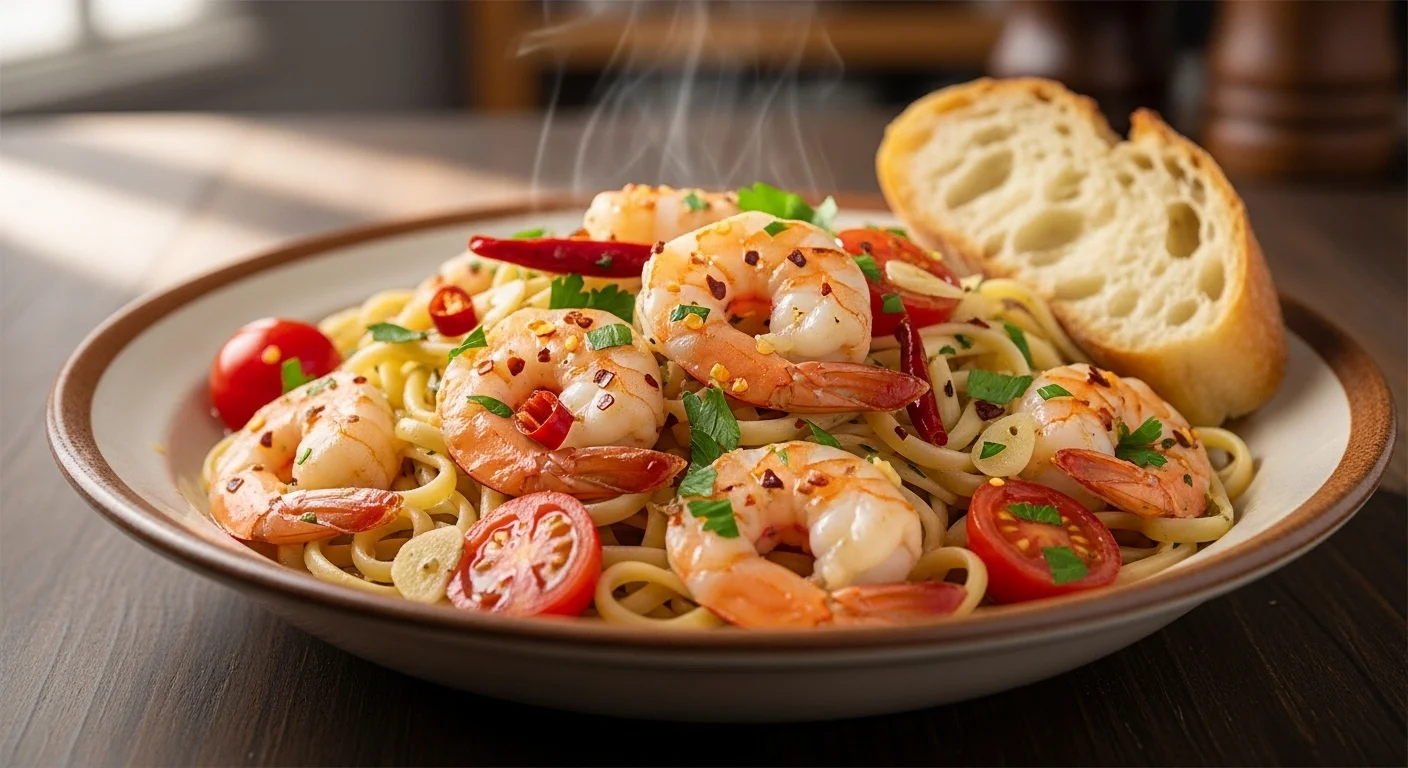
Overview of Shrimp Scampi
What is Shrimp Scampi?
Shrimp scampi is a delightful dish that features succulent shrimp sautéed in a rich, buttery garlic sauce, often served over pasta. Its irresistible combination of flavors makes it a favorite for many seafood lovers. Traditionally, scampi refers to the type of shrimp used in the dish, which is known for its sweet, tender meat. However, in the U.S., the term has evolved to describe the dish itself, which is usually accompanied by pasta, most commonly linguine. The sauce typically includes garlic, butter, white wine, and parsley, creating a simple yet elegant meal that feels indulgent without requiring hours in the kitchen.
Origin and History of the Dish
The roots of shrimp scampi can be traced back to Italy, particularly the coastal regions where fresh seafood is a staple. The dish gained popularity in the United States in the mid-20th century, especially in Italian-American cuisine. I remember the first time I tasted shrimp scampi at a little Italian restaurant in my hometown. The aroma of garlic and herbs filled the air, and I was instantly hooked. Over the years, I’ve learned that its history is as rich as the flavors in the dish. Traditionally made with just shrimp, garlic, and oil, it evolved in America to include butter and wine, making it even more decadent. This evolution speaks to the adaptability of classic dishes, allowing each person to put their unique twist on it.
Why Linguine is the Perfect Pasta Choice
Linguine, with its flat, ribbon-like shape, is the ideal pasta to pair with shrimp scampi. I’ve tried various types of pasta with this dish, but linguine always seems to hold the sauce perfectly, allowing every bite to be a harmonious blend of flavors. Its texture provides a delightful contrast to the tender shrimp, and the way it twirls around your fork makes for an enjoyable eating experience. Additionally, the slight chewiness of linguine complements the buttery sauce, ensuring that it clings to each strand, maximizing the flavorful experience. If you haven’t tried it with linguine yet, I highly recommend giving it a shot!
Ingredients for 20-Minute Shrimp Scampi
Essential Ingredients
Cooking shrimp scampi is quick and easy, especially when you have the right ingredients on hand. Here’s a list of what you’ll need:
- 1 pound of fresh or frozen shrimp, peeled and deveined
- 8 ounces of linguine
- 4 tablespoons of unsalted butter
- 4 tablespoons of olive oil
- 4 cloves of garlic, minced
- 1/2 cup of dry white wine (or chicken broth)
- Salt and pepper to taste
- 1/4 cup of fresh parsley, chopped
- Zest of 1 lemon for brightness
- Juice of half a lemon for flavor
These ingredients come together to create a dish that is both simple and packed with flavor. I love having these staples in my pantry for those nights when I want something delicious but don’t have much time to spare. For more quick recipes, explore 8 Fast and Flavorful Shrimp Recipes for Dinner.
Optional Ingredients for Customization
While the essential ingredients create a fantastic base for shrimp scampi, there are plenty of ways to customize the dish based on your preferences. For me, experimenting with different ingredients has always been part of the fun. Here are some optional ingredients you might consider:
- Red pepper flakes for a spicy kick
- Cherry tomatoes for a burst of sweetness
- Spinach or kale for added nutrition
- Parmesan cheese for a creamy finish
Feel free to mix and match based on what you have at home or what flavors you enjoy. I’ve discovered that adding a pinch of red pepper flakes gives the dish a delightful warmth that balances beautifully with the buttery sauce.
Choosing the Best Shrimp
When it comes to shrimp, quality matters. I’ve learned that the best shrimp for scampi are those that are fresh or properly frozen. If you have access to fresh shrimp, that’s ideal, but frozen shrimp can work just as well—just make sure to thaw them properly. Look for shrimp that are firm and have a slightly sweet smell. I usually opt for medium to large shrimp (16/20 count) as they offer a good bite and are perfect for this dish. If you’re unsure, ask your fishmonger for recommendations, as they can guide you to the freshest options available.
Types of Linguine and Their Flavor Profiles
Linguine is a versatile pasta that comes in various styles, each bringing something unique to the table. Traditional semolina linguine has a nice bite and absorbs sauces beautifully. However, you might also find whole wheat or gluten-free options if you’re looking for a healthier or alternative choice. I personally enjoy whole wheat linguine for its nuttier flavor and added fiber. Whichever type you choose, be sure to adjust your cooking time accordingly, as different pastas may require different cooking durations. The key is to cook it al dente, so it holds up well when tossed with the shrimp and sauce.
Step-by-Step Cooking Instructions
Preparing the Ingredients
Before diving into the cooking, I always find it helpful to gather all my ingredients and prep them beforehand. This makes the cooking process smoother and less stressful. So, first, I rinse the shrimp under cold water if they’re frozen and pat them dry with a paper towel. Then, I chop the fresh parsley and mince the garlic. I also measure out the white wine and squeeze half a lemon for the juice. Having everything ready to go helps me stay organized, and I can focus on enjoying the cooking experience rather than scrambling around for ingredients.
Cooking the Linguine
Now, it’s time to tackle the linguine! I bring a large pot of salted water to a boil. I’ve learned that adding salt is crucial because it enhances the pasta’s flavor. Once boiling, I add the linguine and cook it according to the package instructions, usually about 8-10 minutes for al dente. I like to taste it a minute or two before it’s supposed to be done to ensure it’s cooked just right. While the pasta is cooking, I keep an eye on the timer so that I’m ready to move on to the next step without losing track.
Sautéing the Shrimp
With the linguine in the water, I heat a large skillet over medium-high heat and add the olive oil and half of the butter. As the butter melts, I can already smell the delightful aroma wafting through the kitchen. Once the butter is bubbling, I toss in the minced garlic and let it sauté for about 30 seconds until it’s fragrant but not browned—burnt garlic can ruin the flavor, trust me! Then, I add the shrimp to the skillet, seasoning them with salt and pepper. I cook them for about 2-3 minutes on each side until they turn pink and opaque. I really enjoy watching them transform; it’s like a little culinary magic happening right before my eyes.
Combining Ingredients for the Perfect Sauce
Once the shrimp are cooked perfectly, I remove them from the skillet and set them aside. In the same skillet, I pour in the white wine (or chicken broth) and scrape up any delicious bits stuck to the bottom. This is where all the flavor lives! I let the wine simmer for a couple of minutes to reduce slightly. Then, I add the remaining butter, lemon juice, and chopped parsley. This combination creates a rich, buttery sauce that I can hardly resist tasting. I usually sneak a little spoonful to make sure the flavors are balanced. If I feel it needs a bit more brightness, I might add a touch more lemon juice or a pinch of salt.
Tossing Linguine with Shrimp and Sauce
Finally, I drain the linguine, making sure to reserve a little pasta water—about half a cup—just in case I need to loosen the sauce later. I return the linguine to the pot and pour the shrimp and sauce over it. With a pair of tongs, I gently toss everything together, ensuring each strand of pasta is coated in that luscious sauce. If the mixture seems a bit dry, I add some reserved pasta water to achieve the perfect consistency. This part, for me, is where the magic really happens; seeing everything come together is always satisfying. I’ll often taste a bit more at this stage, adjusting the seasoning if needed. And just like that, our shrimp scampi is complete!
Cooking Tips and Tricks
How to Achieve the Perfect Garlic Flavor
Garlic is one of the stars of this dish, and achieving that perfect flavor is key. I’ve found that the trick lies in the timing. Sautéing the garlic just until fragrant, as I mentioned earlier, allows it to release its oils without burning. I also recommend using fresh garlic whenever possible; the flavor is so much more vibrant compared to pre-minced or jarred garlic. If you want a deeper garlic flavor, you can add some sliced cloves to the oil at the beginning, then remove them before adding the shrimp.
Tips for Cooking Shrimp to Perfection
Cooking shrimp can be tricky; nobody wants rubbery shrimp! I’ve learned that the best way to tell if they’re done is by their color and texture. They should be pink and slightly firm to the touch but not tough. It’s better to slightly undercook them and let them finish cooking in the sauce than to overdo it. I also recommend using shrimp that are the same size for even cooking, which makes a big difference in the overall dish.
Adjusting Spice Levels to Taste
If you enjoy a little heat, adding red pepper flakes to the garlic as it sauté is a great way to spice things up. I usually start with a pinch and add more as needed, tasting along the way. It’s all about finding that balance that suits your palate. If you’re serving guests, I suggest keeping the spice level moderate and offering extra red pepper flakes on the side so everyone can customize their own plate.
Serving Suggestions
Garnishes and Accompaniments
When it comes to serving shrimp scampi, presentation can elevate the experience. I love to sprinkle freshly chopped parsley on top for a pop of color and a hint of freshness. Sometimes, I’ll even add a few lemon wedges on the side. Not only do they look inviting, but they also allow everyone to customize their dish with a little extra zing. If I’m feeling fancy, I might top it off with a sprinkle of grated Parmesan cheese or even some toasted breadcrumbs for extra texture. These simple garnishes make a big difference in the overall appeal of the dish.
As for accompaniments, I often serve shrimp scampi with a side of crusty garlic bread to soak up that delicious sauce. A light salad—like a mixed greens salad with a lemon vinaigrette—pairs beautifully, providing a refreshing contrast to the rich flavors of the scampi. I’ve also enjoyed it alongside roasted vegetables, which add a nice touch of color and nutrition to the meal. For more quick dinner ideas, check out 10 Twenty-Minute Dinners That Taste Like They Took Hours.
Recommended Wine Pairings
Pairing wine with shrimp scampi can truly enhance the dining experience. Personally, I find that a crisp white wine works best, as it complements the garlic and butter without overpowering the dish. Sauvignon Blanc is one of my favorites; its acidity and citrus notes balance the richness of the sauce beautifully. If you prefer something a bit more aromatic, Pinot Grigio offers a lovely lightness that works well, too. On special occasions, I’ve been known to indulge in a glass of Chardonnay, particularly if it has undergone some oak aging, which adds depth to the flavor.
For those who enjoy a non-alcoholic option, I recommend serving sparkling water with a slice of lemon. It’s refreshing and keeps the palate clean between bites!
Serving Sizes and Presentation Tips
When serving shrimp scampi, I like to be mindful of portion sizes. Typically, I aim for about 4 to 6 ounces of shrimp per person, complemented by a generous serving of linguine—about 2 ounces dry per person. This ensures that everyone leaves the table feeling satisfied without overindulging.
For presentation, I often use shallow bowls or large plates to create an inviting look. I’ll twirl the linguine in the center and arrange the shrimp on top, drizzling any remaining sauce over it. It’s simple yet elegant! And don’t forget to place the garnishes around the dish for that finishing touch. I find that taking the time to present the food nicely makes the meal feel more special, even on a weeknight.
Storage and Reheating Instructions
How to Store Leftovers Properly
If I find myself with leftovers—though that’s rare—I ensure they’re stored correctly to maintain their flavor and texture. I like to transfer the shrimp scampi into an airtight container and refrigerate it within two hours of cooking for safety. It can typically last for about 2 to 3 days in the fridge. Just make sure to separate the pasta from the shrimp if you can; this helps prevent the pasta from becoming mushy when reheated.
For longer storage, I often freeze the shrimp scampi. I’ll pack it in a freezer-safe container or bag and label it with the date. It can last up to 3 months in the freezer. When I’m ready to enjoy it again, I simply thaw it in the fridge overnight before reheating.
Reheating Tips for Best Flavor
Reheating shrimp scampi can be tricky if you want to preserve that delicious flavor and texture. I usually recommend reheating it on the stovetop over low heat, adding a splash of water or broth to help loosen the sauce. This prevents the shrimp from becoming overcooked and rubbery. I gently stir and heat until everything is warmed through, which usually takes about 5-7 minutes.
If I’m in a hurry, I might use the microwave, but I’ll do it in short intervals at medium power, checking frequently to ensure it doesn’t overcook. I’ve found that a little patience goes a long way in keeping this dish tasting fresh and flavorful, even on a second serving!
Variations of Shrimp Scampi
Gluten-Free Alternatives
For those who need a gluten-free option, I’ve experimented with gluten-free pasta, and I’ve been pleasantly surprised! There are many varieties available, including rice or lentil-based options that hold up well in the dish. I’ve found that cooking them slightly less than the package suggests helps maintain a nice texture. It’s a great way to enjoy shrimp scampi without compromising on flavor.
Vegetarian Adaptations
If you’re looking to enjoy the flavors of shrimp scampi without the shrimp, I’ve discovered that using sautéed mushrooms or zucchini can be a fantastic substitute. The texture of sautéed mushrooms, in particular, adds a nice earthiness that complements the garlic and butter beautifully. I’ll sauté them the same way I do the shrimp, allowing them to soak up all that delicious sauce. It’s a fun twist that keeps the dish hearty and satisfying!
Seafood Variations: Adding Scallops or Crab
For seafood lovers, incorporating other seafood can add an exciting twist to the classic recipe. I love adding sea scallops alongside the shrimp for an extra layer of flavor. They cook relatively quickly, just like shrimp, and have a sweet taste that pairs perfectly with garlic and butter. Alternatively, lump crab meat can be folded in at the end for a luxurious touch. This version feels particularly special and is sure to impress guests!
Frequently Asked Questions
What is shrimp scampi?
Shrimp scampi is a dish featuring succulent shrimp sautéed in a rich, buttery garlic sauce, typically served over pasta, most commonly linguine. The sauce usually includes garlic, butter, white wine, and parsley, creating a flavorful and elegant meal.
What type of pasta is recommended for shrimp scampi?
Linguine is the ideal pasta choice for shrimp scampi due to its flat, ribbon-like shape, which holds the sauce well and provides a delightful contrast to the tender shrimp.
What are the essential ingredients for making shrimp scampi?
The essential ingredients for shrimp scampi include 1 pound of fresh or frozen shrimp (peeled and deveined), 8 ounces of linguine, 4 tablespoons of unsalted butter, 4 tablespoons of olive oil, 4 cloves of minced garlic, 1/2 cup of dry white wine (or chicken broth), salt and pepper to taste, 1/4 cup of chopped fresh parsley, the zest of 1 lemon, and the juice of half a lemon.
How can I customize my shrimp scampi?
You can customize your shrimp scampi by adding optional ingredients such as red pepper flakes for heat, cherry tomatoes for sweetness, spinach or kale for nutrition, and Parmesan cheese for creaminess.
What tips are there for cooking shrimp to perfection?
To cook shrimp perfectly, look for shrimp that are pink and slightly firm to the touch but not tough. It’s better to slightly undercook them and let them finish cooking in the sauce, and using shrimp of the same size ensures even cooking.
How should I serve shrimp scampi?
When serving shrimp scampi, garnish with freshly chopped parsley and lemon wedges. It pairs well with crusty garlic bread and a light salad, like mixed greens with lemon vinaigrette.
What are some recommended wine pairings for shrimp scampi?
Crisp white wines such as Sauvignon Blanc or Pinot Grigio complement shrimp scampi well. Chardonnay can also be a good choice, especially if it has undergone oak aging. For non-alcoholic options, sparkling water with lemon is refreshing.
How can I store leftover shrimp scampi?
Leftover shrimp scampi should be stored in an airtight container and refrigerated within two hours of cooking. It can last for 2 to 3 days in the fridge or up to 3 months in the freezer if packed correctly.
What are gluten-free alternatives for shrimp scampi?
For a gluten-free option, you can use gluten-free pasta, such as rice or lentil-based varieties, which hold up well in the dish. Cooking them slightly less than the package suggests helps maintain a good texture.
Can I make a vegetarian version of shrimp scampi?
Yes, you can create a vegetarian version of shrimp scampi by using sautéed mushrooms or zucchini as substitutes for shrimp. These ingredients soak up the garlic and butter sauce, providing a hearty and satisfying dish.