
Veggie fried rice is a quick, delicious meal that you can whip up in just 20 minutes. It’s versatile, customizable, and a great way to use up leftover vegetables! Read Interesting article: Quick Chicken Fried Rice (Using Leftover Rice)
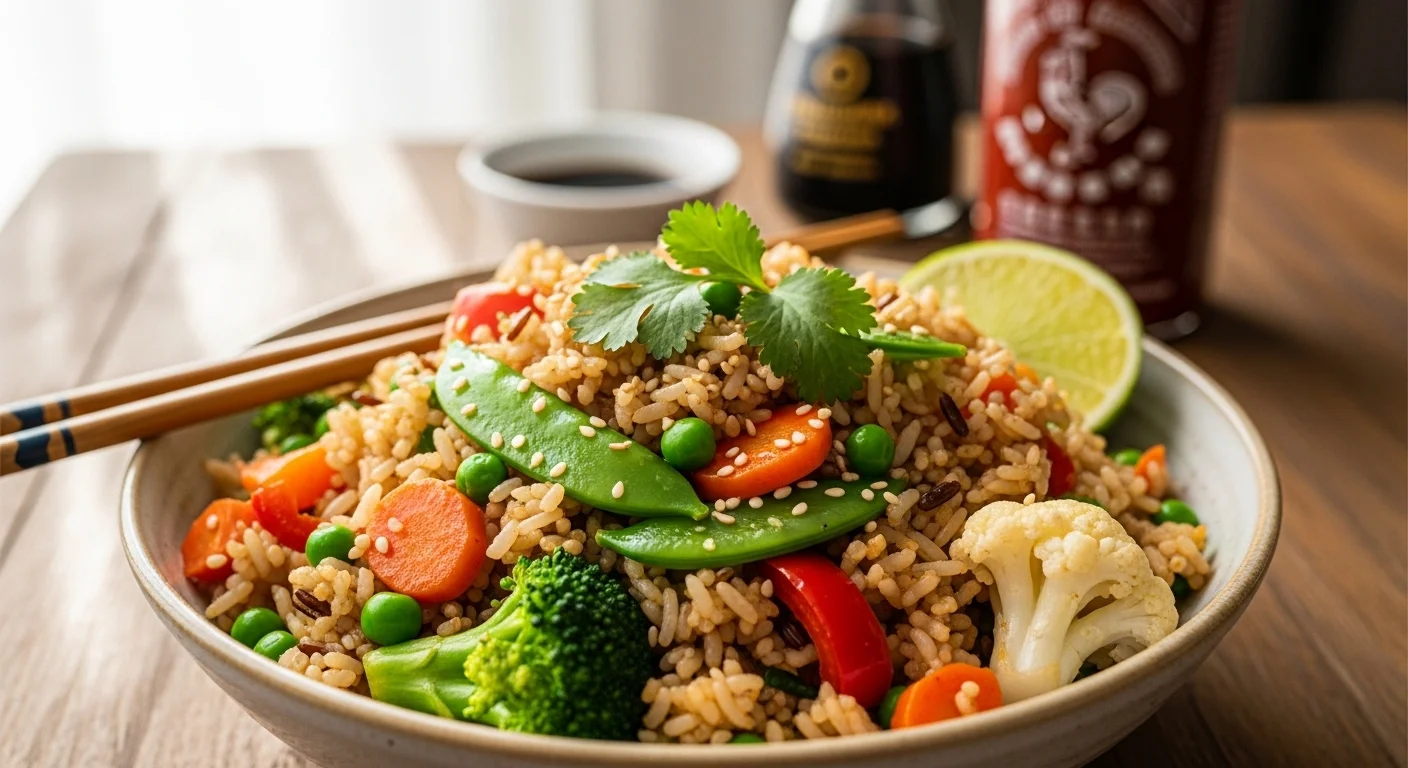
Overview of 20-Minute Veggie Fried Rice
What is Veggie Fried Rice?
Veggie fried rice is a delightful dish made by stir-frying rice with a colorful mix of vegetables, seasonings, and often some protein. Originating from Asia, it’s a beloved comfort food that has found its way into kitchens around the world. The beauty of veggie fried rice lies in its simplicity and flexibility; you can make it with whatever vegetables and flavors you have on hand. I remember the first time I made it at home. I had a bunch of leftover vegetables in my fridge, and I thought, why not? The result was a vibrant plate of fried rice that was not only satisfying but also nutritious.
Benefits of Making Fried Rice at Home
Making fried rice at home comes with a slew of benefits. First and foremost, it gives you control over the ingredients. You can choose fresh, organic vegetables and avoid preservatives that are often found in takeout. Plus, it’s budget-friendly! I’ve found that using leftover rice and veggies is a great way to minimize waste and save money. Another advantage is the speed; I can have a complete meal on the table in just 20 minutes. That’s a lifesaver on busy weeknights when I don’t want to spend ages cooking but still want something healthy and tasty. And let’s not forget the fun of experimenting with flavors and ingredients! I’ve made it with everything from sesame oil to sriracha, and each time it turned out delicious. Read Interesting article: Everyone’s Trying This Korean Fried Chicken Hack
Key Ingredients for Veggie Fried Rice
Essential Vegetables to Include
When it comes to veggie fried rice, the vegetable options are nearly endless. I often start with staples like carrots, peas, and bell peppers. They add color and a nice crunch. Green onions are also a must for that fresh flavor. Sometimes I throw in broccoli or snap peas if I have them on hand. I have found that using a mix of textures—crunchy and soft—makes the dish more interesting. It’s also a great way to sneak in those veggies for picky eaters. If I have spinach or kale, I’ll toss that in too. The key is to chop everything into small, uniform pieces so they cook evenly and quickly.
Choosing the Right Rice
Not all rice is created equal when it comes to fried rice. I prefer using day-old rice, which is drier and less sticky, making it perfect for stir-frying. If you don’t have leftover rice, cooking fresh rice and spreading it out on a pan to cool for a bit can also work. Jasmine rice is my favorite because of its fragrant aroma, but you can also use brown rice for a healthier twist. Just keep in mind that brown rice will take longer to cook, so plan accordingly. I’ve tried a few different types, and I always come back to jasmine for that classic fried rice texture.
Protein Additions: Tofu, Eggs, or Legumes
Adding protein to your veggie fried rice can turn it into a complete meal. I often use scrambled eggs since they cook quickly and add a nice richness. For a vegan option, tofu is a fantastic choice. I usually press and cube the tofu, sautéing it until it’s crispy before adding it to the rice. It gives a heartiness that I really enjoy. Legumes like chickpeas or edamame are also great for boosting the protein content. I’ve experimented with all these options, and they each bring something unique to the dish. It’s fun to switch it up based on what I’m in the mood for! Read Interesting article: The Viral Lemon Butter Chicken Rice That Blew My Mind
Flavor Boosters: Sauces and Seasonings
No fried rice is complete without some flavorful seasonings! Soy sauce is a classic choice, providing that salty, umami flavor. I also love adding a splash of sesame oil for a nutty aroma. Sometimes, I’ll throw in a bit of oyster sauce or hoisin sauce, depending on what I have in my pantry. Fresh garlic and ginger are my go-to aromatics that elevate the dish to another level. I’ve noticed that adding a drizzle of sriracha at the end gives it a delightful kick, which I always enjoy. The beauty of flavoring fried rice is that you can taste as you go and adjust the flavors according to your preference.
Step-by-Step Guide to Making 20-Minute Veggie Fried Rice
Preparation: Chopping Vegetables
Getting ready to make veggie fried rice is part of the fun! I like to set up a little assembly line with all my ingredients. First, I grab my cutting board and knife and start chopping the vegetables into small, even pieces. This not only helps them cook uniformly but also makes it easier to eat. I often start with the harder veggies like carrots and bell peppers since they take a bit longer to soften. Then, I move on to the softer ones like green onions and peas. I’ve found that having everything prepped and ready to go makes the cooking process so much smoother, especially since stir-frying is a fast-paced activity.
Cooking Rice: Best Methods
Rice can make or break your fried rice dish. If I’m using leftover rice, I usually take it straight from the fridge, where it’s been chilling and drying out a bit. For fresh rice, I’ve learned that the best method is to rinse it under cold water until the water runs clear to remove excess starch. This helps prevent the rice from becoming gummy. After rinsing, I cook it in a rice cooker or on the stovetop, using a 1:1.5 rice-to-water ratio. Once it’s done, I spread it out on a baking sheet so it cools quickly. This way, when I’m ready to fry, it’s not too sticky and separates nicely!
Stir-Frying Techniques
Once everything is prepped, it’s time for the fun part—stir-frying! I heat a large skillet or wok over medium-high heat and add a splash of oil; I personally prefer vegetable or sesame oil for that extra flavor. When the oil shimmers, I toss in the garlic and ginger first, letting them sizzle for a few seconds until they become fragrant. Then, I add the chopped vegetables, starting with the ones that take longer to cook. I keep everything moving with a spatula, ensuring even cooking. This is where I’ve learned to embrace the heat—don’t be scared to let things get a little charred; it adds a lovely depth to the flavors!
Combining Ingredients
Once the vegetables are tender but still vibrant, I add in the rice. I find that breaking up any clumps is key here to achieve that perfect texture. I often use the back of my spatula to press down and separate any sticky parts. Once the rice is incorporated, I drizzle in soy sauce, sesame oil, and any other flavor boosters I’ve decided on. I make sure to mix everything thoroughly, allowing the rice to soak up all that goodness. I usually taste it at this point, adjusting the seasonings if necessary. This step is crucial because it’s where I can really make the dish my own!
Serving Suggestions
After everything is well combined, I like to serve my veggie fried rice immediately while it’s hot and fresh. It’s always a hit at our dinner table! I often plate it in bowls and garnish with chopped green onions and sesame seeds for a little extra flair. Sometimes, I even add a fried egg on top for a beautiful presentation. I remember the time I hosted friends for dinner, and this dish was the star of the show. Everyone loved it, and I felt proud knowing that I made something so simple yet delicious. I’ve also learned that pairing it with a side of spring rolls or dumplings can elevate the meal even more, creating a fun and satisfying dining experience.
Customization Options for Veggie Fried Rice
Vegetable Substitutes: What Works Best?
One of the best parts about making veggie fried rice is how adaptable it is. If I find myself without certain veggies, I can easily swap them out for others. For example, zucchini and mushrooms work wonderfully if I’m looking to change things up. I’ve even used frozen mixed vegetables on those busy nights when I’m short on time. Just toss them in while they’re still frozen and let them cook through. I love discovering new combinations that surprise my taste buds!
Spicing It Up: Adding Heat
If you’re like me and enjoy a little kick, there are many ways to add heat to your fried rice. I often add sriracha or chili garlic sauce while stir-frying. Another great option is to sprinkle in some red pepper flakes or even fresh sliced jalapeños. I remember a time when I added fresh Thai chilies, and it transformed the dish into a flavorful explosion! Just be careful to adjust the amount to your preference, as it can get spicy quickly!
Vegan vs. Vegetarian Variations
Veggie fried rice is inherently a great dish for both vegans and vegetarians. For a vegan version, I skip the eggs and focus on using tofu or chickpeas for protein. I’ve had great success with crumbled firm tofu mixed in during the stir-fry. If I’m cooking for vegetarians, I might add scrambled eggs or even a sprinkle of cheese for extra richness. It’s nice to have that flexibility, and I love how everyone can enjoy this dish regardless of their dietary preferences.
Common Mistakes to Avoid
Overcooking the Rice
One of the biggest mistakes I made when I first started making veggie fried rice was overcooking the rice. If you’re using fresh rice, it can become mushy if you don’t keep an eye on it. I remember the first time I tried to use fresh rice; I cooked it for too long, and when I went to stir-fry it, it turned into a sticky mess. To avoid this, I learned to cook the rice until it’s just tender but not mushy. If you’re using day-old rice, make sure it’s cold and dry. This will help it maintain its shape and texture when stir-fried. Rice should be fluffy and separate, creating that perfect bite in every spoonful.
Using the Wrong Pan
Another common pitfall is using the wrong pan for stir-frying. I’ve tried making fried rice in regular frying pans, and it just doesn’t cut it. I quickly learned that a large, flat-bottomed wok or a heavy skillet is ideal for this dish. The reason being, these types of pans allow for even heat distribution, which is critical for achieving that delightful, slightly charred flavor. If I’m cooking for a crowd, I even split the batch into two pans to avoid overcrowding. Trust me, it makes a difference! The more surface area you have, the more those beautiful stir-fry flavors will develop.
Not Prepping Ingredients in Advance
Preparation is key in the world of stir-frying. I’ve been in situations where I thought I could chop vegetables while the pan heated up, but that often led to burnt garlic or soggy veggies. I learned the hard way that having all my ingredients prepped and ready to go before I turn on the stove makes the process so much smoother. I recommend having everything chopped and measured out ahead of time. This also allows you to focus on cooking, ensuring each ingredient gets the attention it needs for optimal flavor. It’s amazing how a little prep can elevate your cooking experience!
Storage and Reheating Tips
How to Store Leftover Fried Rice
One of the best parts of making veggie fried rice is that it stores beautifully! I often make a larger batch on purpose so I can enjoy leftovers later. To store it, I let it cool completely before transferring it to an airtight container. I’ve found that storing it in single-serving portions makes it easier to reheat later. Make sure to keep it in the refrigerator if you plan to eat it within a few days. If you need to store it longer, it freezes well, too. Just remember to separate it into portions before freezing so you can easily grab what you need!
Best Practices for Reheating
When it comes to reheating, I usually prefer using a skillet or wok over the microwave. The reason is that reheating on the stove allows the rice to regain its original texture and flavor. I heat a little oil in the pan, then add the cold rice and stir-fry it for a few minutes until it’s heated through. If it’s too dry, I sometimes add a splash of water or soy sauce to help bring it back to life. I remember one time I microwaved it, and it came out rubbery and unevenly heated—I learned my lesson! By reheating it properly, you can enjoy your fried rice just as much the second time around.
Health Benefits of Veggie Fried Rice
Nutritional Value of Common Ingredients
Veggie fried rice isn’t just tasty; it can be quite nutritious, too! The vegetables I choose to incorporate add a variety of vitamins and minerals. For example, carrots are rich in beta-carotene, which is great for eye health, while peas provide a good source of protein and fiber. I often throw in some leafy greens, like spinach, which are packed with iron and calcium. I’ve seen how simple ingredients can contribute to a balanced meal, making it not only a comfort food but a health-conscious choice. By customizing my fried rice with vibrant vegetables, I ensure I’m getting a mix of nutrients in each bite.
Benefits of Eating More Vegetables
Eating more vegetables is something I’ve genuinely focused on improving in my diet. They play a crucial role in maintaining good health, and I love how veggie fried rice makes it easy to incorporate them into my meals. Vegetables are low in calories but high in essential nutrients, which makes them perfect for anyone looking to eat healthier. Plus, they provide a wealth of antioxidants that help combat inflammation. I often feel more energized and satiated after a meal packed with veggies, and veggie fried rice has become one of my favorite ways to enjoy them!
Serving Veggie Fried Rice: Pairing Ideas
Complementary Dishes
When it comes to serving veggie fried rice, I love to think about what dishes can complement it well. A side of spring rolls or dumplings is always a hit in our home. They add a nice crunch and variety to the meal. I also enjoy pairing it with a light soup, like miso or hot and sour soup, which provides a warm contrast to the rice. Sometimes, I’ll even serve it with a simple salad dressed with sesame vinaigrette to add freshness to the table. I’ve found that these pairings not only enhance the meal but also create a satisfying dining experience.
Recommended Sauces and Condiments
No meal feels complete without a few sauces on the side! For my veggie fried rice, I often have soy sauce, sriracha, or chili oil available to drizzle on top. If I’m feeling a bit fancy, I might even make a homemade garlic-soy sauce to elevate the flavors. I remember hosting a dinner party and serving it with a side of sweet chili sauce; it was a game changer! Having a variety of condiments lets everyone customize their plates, ensuring that each person can enjoy their meal just the way they like it.
Frequently Asked Questions
What is veggie fried rice?
Veggie fried rice is a dish made by stir-frying rice with a mix of vegetables, seasonings, and often some protein. It originates from Asia and is known for its simplicity and flexibility, allowing for various vegetables and flavors to be used.
How long does it take to make veggie fried rice?
Veggie fried rice can be prepared in just 20 minutes, making it a quick and convenient meal option.
What are some essential vegetables to include in veggie fried rice?
Common essential vegetables include carrots, peas, bell peppers, and green onions. Other options can be broccoli, snap peas, spinach, or kale, depending on availability and preference.
What type of rice is best for making fried rice?
Day-old rice is preferred for fried rice because it is drier and less sticky. Jasmine rice is often favored for its fragrant aroma, while brown rice can also be used for a healthier option, though it takes longer to cook.
Can protein be added to veggie fried rice? If so, what are some options?
Yes, protein can be added to veggie fried rice to make it a complete meal. Common options include scrambled eggs, tofu, chickpeas, or edamame.
What are some recommended flavor boosters for veggie fried rice?
Flavor boosters include soy sauce, sesame oil, oyster sauce, hoisin sauce, fresh garlic, ginger, and sriracha for a spicy kick.
What is the best method for cooking rice for fried rice?
For fresh rice, it’s best to rinse it under cold water until the water runs clear to remove excess starch, then cook it using a 1:1.5 rice-to-water ratio. After cooking, spreading it out on a baking sheet helps it cool and dry out, making it suitable for stir-frying.
How should leftover fried rice be stored?
Leftover fried rice should be cooled completely before being transferred to an airtight container. It can be kept in the refrigerator for a few days or frozen in portions for longer storage.
What are some common mistakes to avoid when making veggie fried rice?
Common mistakes include overcooking the rice, using the wrong type of pan, and not prepping ingredients in advance. These can lead to mushy rice or burnt ingredients.
What dishes pair well with veggie fried rice?
Veggie fried rice pairs well with sides like spring rolls, dumplings, light soups (like miso or hot and sour), or simple salads dressed with sesame vinaigrette.