
Craving a delicious, homemade meal but short on time? This 30-minute chicken curry is the perfect solution, bursting with flavor and simplicity. Let’s dive into how we can whip up this delightful dish in no time!
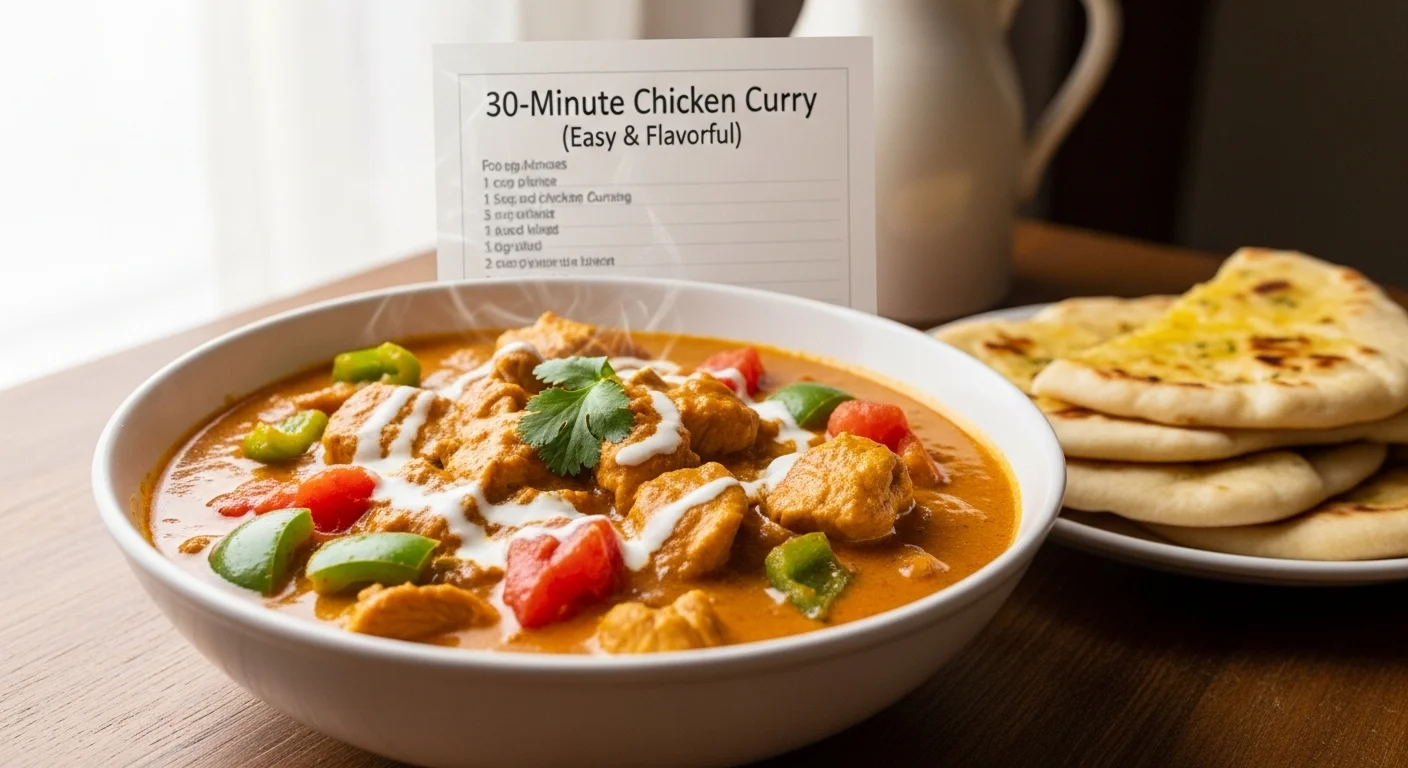
Overview of 30-Minute Chicken Curry
What is Chicken Curry?
Chicken curry is a beloved dish that originates from South Asian cuisine, but honestly, it has found its way into kitchens all around the world. It consists of chicken simmered in a flavorful sauce made from spices, herbs, and various other ingredients. I remember the first time I tried chicken curry at a friend’s house. The aroma filled the room, and the first bite was a revelation. The spices danced on my palate, and I was hooked!
What I love about chicken curry is its versatility. You can adjust the spices to make it mild or fiery, depending on your taste. The sauce can be creamy or tomato-based, and you can toss in different vegetables or proteins to suit your preferences. It’s like a warm hug on a plate, and it can bring a little bit of comfort to any meal.
Why Choose a 30-Minute Recipe?
In our busy lives, finding time to cook can often feel like a challenge. That’s where a 30-minute chicken curry comes in. This recipe is perfect for weeknights or any time you want to enjoy a home-cooked meal without spending hours in the kitchen. I’ve been in situations where I’ve come home from work exhausted, with little energy to cook. This recipe has been my go-to lifesaver. It’s quick, easy, and doesn’t sacrifice flavor for speed.
The beauty of a 30-minute recipe is that it allows us to enjoy a fulfilling meal without the stress and hassle of lengthy preparation. Plus, once you get the hang of it, you can make this dish even faster, impressing family and friends with your cooking skills!
Essential Ingredients for 30-Minute Chicken Curry
Chicken: Best Cuts for Curry
When it comes to chicken curry, the cut of chicken you choose can make a significant difference. Personally, I prefer using boneless, skinless chicken thighs. They’re juicy, tender, and stand up well to the simmering process. Chicken breasts can work too, but I’ve found they can sometimes dry out if overcooked. If you’re feeling adventurous, you can also use drumsticks or bone-in pieces, which add a richer flavor to the dish.
Whatever cut you choose, make sure to cut the chicken into bite-sized pieces. This helps them cook evenly and quickly. I usually spend a few minutes prepping the chicken while the other ingredients are being gathered, making everything flow smoothly.
Curry Spices: Key Flavors Explained
Spices are the heart and soul of any curry, and they’re what make this dish truly shine. I like to use a combination of ground spices like cumin, coriander, turmeric, and garam masala. Each of these spices contributes unique flavors and aromas that blend beautifully together. I remember the first time I discovered garam masala—it transformed my curry from good to unforgettable!
Don’t forget fresh garlic and ginger! They add a vibrant kick to the dish. I always make sure to have a good supply on hand. You can also add chili powder or fresh chilies if you like your curry with a bit of heat. Adjusting the spice levels to your preference is part of the fun, and it allows for a personalized touch to each meal.
Vegetables: Enhancing Flavor and Nutrition
Adding vegetables to your chicken curry is a fantastic way to enhance the flavor and nutrition of the dish. I often toss in vegetables like bell peppers, spinach, or peas. They not only brighten up the curry but also add a nice crunch and texture. Plus, it’s an excellent way to sneak in some extra nutrients!
Another tip I’ve learned is to use whatever vegetables I have on hand. Carrots, zucchini, or even cauliflower can make a great addition. The versatility of this dish means you can customize it based on your fridge’s contents, making it a true pantry meal!
Coconut Milk vs. Tomato Sauce: Which to Use?
When it comes to the sauce, you have two popular options: coconut milk or tomato sauce. I’ve experimented with both, and each brings something unique to the table. Coconut milk creates a rich, creamy texture that balances the spices beautifully. If you’re looking for a more tropical vibe, I’d recommend this route.
On the other hand, tomato sauce gives the curry a tangy flavor and a thicker consistency. It’s also a great option if you’re looking for a lower-calorie alternative. Sometimes, I even mix the two for a harmonious blend of creaminess and acidity. The choice really comes down to your personal preference and which flavor profile you’re in the mood for.
Step-by-Step Instructions
Preparing the Ingredients
Before diving into cooking, I find that taking a moment to prepare all my ingredients really makes the process smoother. I usually start by gathering everything I need: the chicken, spices, vegetables, and either coconut milk or tomato sauce. I don’t know about you, but having everything laid out in front of me is like having my own little cooking station, and it makes me feel organized and ready to go!
Next, I chop the chicken into bite-sized pieces, as I mentioned earlier. Then, I wash and cut my vegetables. For instance, if I’m using bell peppers, I slice them into thin strips. If I’m adding spinach, I just rinse it and set it aside. Prepping everything ahead of time means that when I start cooking, I can focus on the heat of the stove and the beautiful aromas filling my kitchen without running around to grab missing ingredients.
Cooking the Chicken
With all my ingredients prepped, it’s time to cook! I heat a large skillet or pot over medium-high heat and add a splash of oil. Once the oil is hot, I toss in the chicken pieces. The sizzle is music to my ears! I usually cook the chicken for about 5-7 minutes, stirring occasionally. I want to ensure it gets a nice golden color and is cooked through. There’s something so satisfying about watching that transformation from raw to perfectly cooked chicken.
As the chicken cooks, I sprinkle in salt and a bit of pepper to season it right from the start. This is a little trick I’ve learned; seasoning at every stage really helps layer the flavors. Once the chicken is done, I transfer it to a plate and set it aside for a moment while I prepare the sauce.
Making the Curry Sauce
Now comes the fun part—the sauce! I add a little more oil to the skillet if needed, then toss in my chopped garlic and ginger. The smell that wafts up is heavenly. I let these sauté for about a minute until they’re fragrant. This is the foundation of flavor that I love to build upon.
Next, I add the spices: cumin, coriander, turmeric, and garam masala. They dance in the pan, releasing their aromas and creating a warm, inviting scent that fills my kitchen. I usually let the spices cook for about 30 seconds to a minute, just enough to toast them a bit. This really enhances their flavors.
Then, it’s time to add the coconut milk or tomato sauce, depending on what I’m in the mood for. If I’m going with coconut milk, I love how creamy and dreamy it makes the dish. When using tomato sauce, I appreciate the tangy kick it gives the curry. I pour in the liquid, stir everything together, and let it simmer for a few minutes. This step is where the magic happens—watching the ingredients come together to form a luscious sauce is one of my favorite moments!
Combining Ingredients and Final Touches
Once the sauce is bubbling away, I return the cooked chicken to the skillet, along with any vegetables I’m using. I find that adding the veggies at this stage keeps them slightly crisp while allowing them to absorb some of that delicious curry flavor. I gently stir everything together, and let it simmer for another 5-10 minutes. This is where I often sneak tastes to adjust the seasoning. I love to check if it needs a pinch more salt or maybe a splash of lime juice for some brightness.
Finally, I finish with a handful of fresh cilantro, which adds a pop of color and a fresh flavor that I can’t resist. At this point, I’m usually standing over the pot, inhaling the fragrant steam rising up, and I can hardly wait to dig in. It’s amazing how such simple ingredients can come together to create something so comforting and delicious!
Tips for Perfecting Your 30-Minute Chicken Curry
Adjusting Spice Levels to Taste
One of the most rewarding aspects of making chicken curry is the ability to adjust spice levels to suit our personal preferences. I’ve learned that everyone has a different tolerance for heat, and what’s spicy for one person can be mild for another. When I’m cooking for myself, I usually start with a moderate amount of spices and then taste as I go, adding more if I feel it needs a kick. I remember one time I was cooking for a friend who loves heat, so I went all out with the chili powder and fresh chilies. Let’s just say, it was a fiery experience! But it was also a reminder to keep a balance; too much heat can overpower the beautiful flavors of the dish.
In my experience, if you accidentally add too much spice, a spoonful of sugar or a splash of coconut milk can help mellow it out. I always keep a few extra ingredients on hand just in case I need to adjust the flavor. After all, cooking should be fun and experimental!
Using Leftovers for Quick Meals
One of the best things about this 30-minute chicken curry is how well it keeps. I often make a larger batch with the intention of having leftovers for the next day. It makes for a quick, delicious meal when I’m short on time. I remember the first time I had leftover curry; I was pleasantly surprised at how the flavors deepened overnight! The spices meld together wonderfully, making it even tastier the next day.
Sometimes, I’ll serve the leftovers over a different grain, like quinoa or farro, or even turn it into a wrap with some fresh greens and a drizzle of yogurt. This way, I’m not only saving time but also giving new life to a meal I already love. It’s a win-win!
Making it Gluten-Free and Dairy-Free
For those of us with dietary restrictions, I’ve discovered that this chicken curry can easily be adapted to be gluten-free and dairy-free. I make sure to use coconut milk, which is naturally dairy-free and gives a lovely creaminess to the dish. If you’re like me and love a buttery texture, coconut milk is the way to go!
As for gluten, I make sure to use gluten-free curry powders and double-check labels on any other ingredients I might add, like sauces or broths. I’ve had friends who are gluten-sensitive enjoy this recipe without any issues. It’s so comforting to know that we can all gather around the table and enjoy a delicious meal together, no matter our dietary needs.
Serving Suggestions and Pairings
Best Side Dishes to Complement Chicken Curry
When it comes to serving chicken curry, there are so many great sides to consider. I’ve tried various options, but there are a few that really shine alongside the curry. One of my favorites is a simple cucumber salad tossed with a bit of lemon juice and salt. It adds a refreshing contrast to the rich and spicy curry, balancing out the meal perfectly.
Another side I often prepare is a quick raita, which is yogurt mixed with diced cucumbers and a sprinkle of cumin. It’s cool and creamy, providing a soothing touch to the spice. Plus, it’s super easy to whip up while the curry is simmering!
Recommended Rice and Bread Options
Rice is a classic pairing for chicken curry, and I have a few go-to options. Basmati rice is my favorite because its fluffy texture and aromatic flavor complement the curry beautifully. I like to cook it in a bit of broth or add whole spices like cardamom for extra flavor. If I’m feeling adventurous, I might also make some jasmine rice for a slightly different taste.
If I’m in the mood for bread, naan is always a hit! I love how it’s perfect for scooping up the curry. Sometimes I even make quick homemade naan using flour and yogurt, which turns out surprisingly well. For a gluten-free option, I recommend serving the curry with rice paper wraps or gluten-free flatbreads, which can be just as delightful.
Pairing with Beverages: What Works Best?
Drinks can really enhance the dining experience, and I’ve found that certain beverages pair exceptionally well with chicken curry. A cold beer, especially a light lager, is refreshing and complements the spices nicely. If you’re not a beer drinker, consider a crisp white wine like Sauvignon Blanc. It’s light enough to not overpower the flavors and has a nice acidity that balances the richness of the curry.
For non-alcoholic options, I often brew some iced hibiscus tea with a hint of lime. It’s fruity and tart, which works wonderfully alongside the savory notes of the curry. I remember hosting a dinner with friends and serving the tea—it was a hit!
Variations of 30-Minute Chicken Curry
Vegetarian and Vegan Alternatives
I’ve often found myself wanting to enjoy a hearty curry without meat, and that’s where vegetarian or vegan variations shine. For a vegetarian curry, I love using chickpeas or paneer as a protein source. Chickpeas add a wonderful creaminess and heartiness that fills you up. Plus, they soak up all those amazing spices beautifully! If you’re interested in a plant-based option, check out this Simple Lentil Curry that’s both healthy and budget-friendly!
If I’m going for a vegan option, I’ll swap out the paneer for tofu, which I find takes on flavors like a champ. Firm tofu, diced and sautéed until crispy, makes for a great addition. I also love adding a mix of seasonal vegetables like eggplant, zucchini, and cauliflower. They not only add color but also create a medley of textures that keeps each bite interesting. And of course, using coconut milk instead of dairy keeps it creamy and delicious without any animal products.
Adding Different Proteins: Fish, Tofu, or Lentils
Switching up the protein can also lead to delightful variations of this recipe. I’ve experimented with fish in my curry, particularly salmon or white fish. It cooks quickly and pairs wonderfully with the spices. One time, I made a coconut fish curry that was a huge hit at dinner—it was light and fresh, yet still comforting!
Lentils are another fantastic option. I often add red lentils to the curry, which cook quickly and provide a great source of plant-based protein. They also thicken the sauce, giving it a lovely texture. I love how adaptable this recipe is; you can truly use whatever protein you prefer and still end up with a delicious dish!
Regional Variations: Indian, Thai, and Caribbean Styles
Curry isn’t just one flavor profile; it varies widely across cultures! I’ve had the pleasure of trying different styles, and they’ve inspired my own cooking. For instance, Indian curry often features a more complex blend of spices, while Thai curry leans heavily on fresh herbs like basil and lime leaves, along with a splash of coconut milk for that signature richness. I remember a memorable Thai green curry I made once that was packed with fresh veggies and a bit of zest—it was a complete game changer!
Caribbean curries bring their unique flair, often incorporating ingredients like allspice and sometimes even a touch of coconut. I once created a Jamaican-style chicken curry that was so aromatic and lively, bursting with flavors from the island. Each regional variation opens up a world of possibilities, and I love that I can take this basic recipe and adapt it to travel the globe from my kitchen!
Common Questions and Troubleshooting
What If My Curry is Too Spicy?
It happens to the best of us—you get a little too generous with the spices, and suddenly your curry has turned into a fiery monster! In those moments, I’ve found that adding a bit of sweetness can help balance out the heat. A spoonful of sugar or honey often does the trick. If you have coconut milk on hand, a splash can also cool things down and add creaminess. I remember a time when my curry ended up spicy enough to make my eyes water, but with a little tweaking, it transformed into a dish everyone loved!
How to Thicken the Curry Sauce?
If your curry ends up too thin, don’t worry—there are plenty of ways to thicken it up! One of my favorite tricks is to use a slurry of cornstarch and water. Just mix a tablespoon of cornstarch with a little water until smooth, then slowly stir it into your simmering curry until it reaches your desired thickness. Alternatively, you can let it simmer a bit longer to reduce the liquid naturally. I’ve done both, and they work wonders!
Storing and Reheating Leftovers Safely
Leftovers can be a lifesaver, especially with a dish as flavorful as chicken curry. I always let my curry cool to room temperature before transferring it to an airtight container. It can usually be stored in the fridge for up to three days. When it comes to reheating, I prefer the stovetop method. Gently warming it up over low heat helps preserve the flavors and prevents it from drying out. I find that heating it slowly allows the spices to really come back to life. Just add a splash of water if it seems too thick, and you’ll be ready to enjoy that comforting meal all over again!
Final Thoughts
Cooking a 30-minute chicken curry has become one of my favorite go-to meals, not just for the speed and simplicity, but for the love and comfort it brings. Each time I make it, I’m reminded of how versatile it can be, allowing me to explore different flavors and ingredients. Whether I’m whipping it up for a cozy night in, or serving it at a gathering with friends, it never fails to impress. So, if you’re looking for a quick, satisfying dish that’s bursting with flavor, I wholeheartedly recommend giving this curry a try. Who knows? It might just become your new favorite too!
Frequently Asked Questions
What is chicken curry?
Chicken curry is a dish that originates from South Asian cuisine, consisting of chicken simmered in a flavorful sauce made from spices, herbs, and other ingredients. It is versatile, allowing for adjustments in spices and the addition of various vegetables or proteins.
Why choose a 30-minute chicken curry recipe?
A 30-minute chicken curry recipe is perfect for busy individuals or weeknights when you want a home-cooked meal without spending hours in the kitchen. It is quick, easy, and maintains great flavor.
What chicken cut is best for curry?
Boneless, skinless chicken thighs are preferred for chicken curry because they are juicy and tender. Chicken breasts can also be used but may dry out if overcooked. Other options include drumsticks or bone-in pieces for richer flavor.
What spices are essential for chicken curry?
Key spices for chicken curry include cumin, coriander, turmeric, and garam masala. Fresh garlic and ginger are also important for adding flavor, and chili powder or fresh chilies can be added for heat.
Can I add vegetables to chicken curry?
Yes, adding vegetables like bell peppers, spinach, or peas enhances the flavor and nutrition of the dish. You can use whatever vegetables you have on hand, making it a customizable meal.
What should I use for the curry sauce: coconut milk or tomato sauce?
You can use either coconut milk for a creamy texture or tomato sauce for a tangy flavor. Some people even mix the two for a balanced flavor profile. The choice depends on personal preference.
How can I adjust the spice levels in chicken curry?
Spice levels can be adjusted by starting with a moderate amount and tasting as you cook. If the curry becomes too spicy, adding a spoonful of sugar or a splash of coconut milk can help mellow the heat.
What are some good side dishes to serve with chicken curry?
Good side dishes include cucumber salad, raita, and basmati or jasmine rice. Naan is also a popular choice for scooping up the curry. You can also use gluten-free options like rice paper wraps.
How can I make a vegetarian or vegan version of chicken curry?
For a vegetarian option, use chickpeas or paneer. For a vegan option, replace paneer with tofu and include seasonal vegetables, ensuring to use coconut milk for creaminess without dairy.
How should I store and reheat chicken curry leftovers?
Let the curry cool to room temperature before transferring it to an airtight container for storage in the fridge, where it can last up to three days. Reheat gently on the stovetop over low heat, adding a splash of water if it’s too thick.