
If you’re looking for a quick, nutritious meal that warms both body and soul, this 30-minute hearty lentil soup is the answer. It’s not only healthy and filling but also incredibly easy to whip up, making it perfect for busy weeknights. Read Interesting article: One-Pot Lasagna Soup (All The Flavor, None Of The Work)
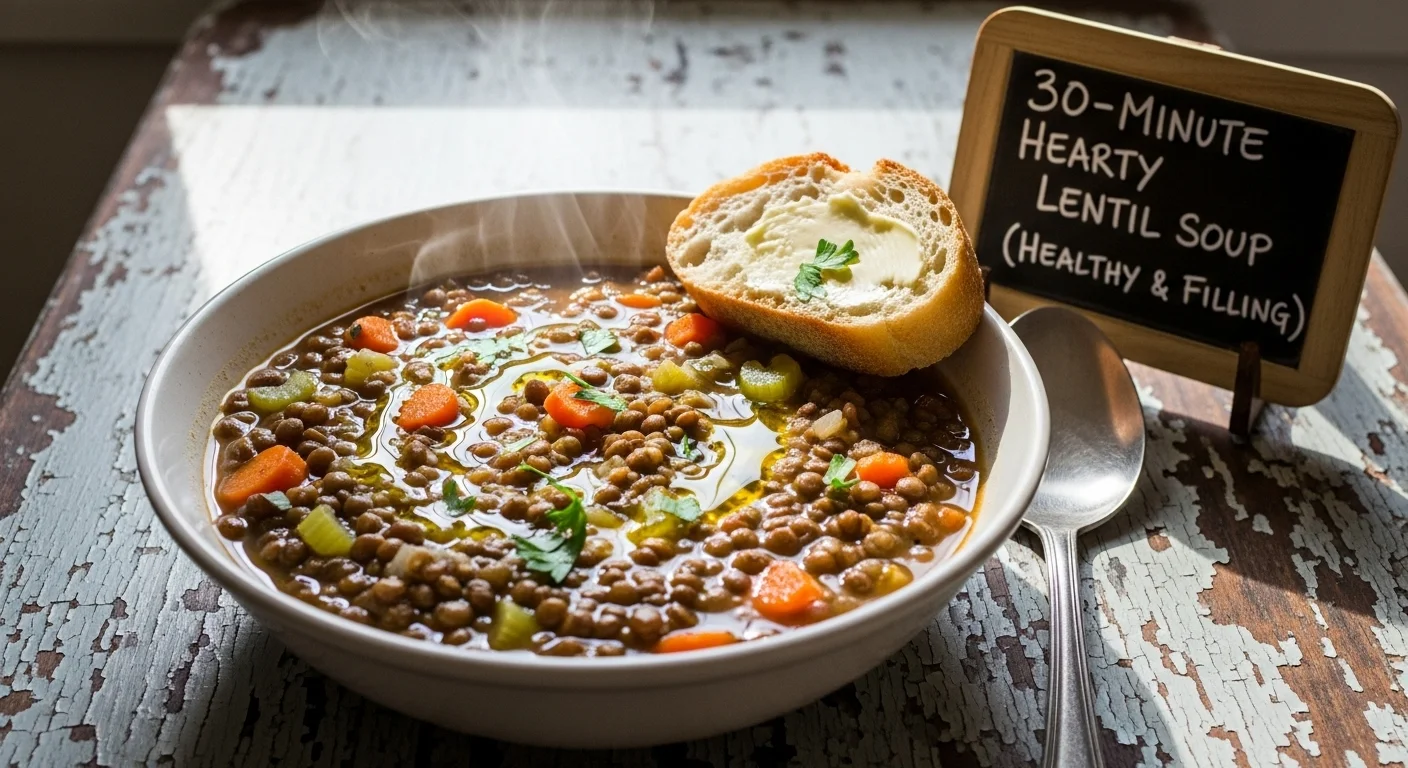
Overview of Hearty Lentil Soup
What is Lentil Soup?
Lentil soup is a comforting, savory dish made primarily from lentils, which are small legumes packed with flavor and nutrients. When I first ventured into cooking lentil soup, I was amazed at how versatile it is. Depending on your taste preferences, you can create a simple version or add a variety of vegetables and spices to give it a personal touch. It’s a dish that can easily adapt to whatever you have on hand, making it a fantastic option for frugal cooks like myself. I remember the first time I made lentil soup; it felt like a warm hug in a bowl.
Health Benefits of Lentils
One of the main reasons I’ve fallen in love with lentils is their impressive health benefits. Lentils are rich in protein, making them a great meat alternative, especially for those of us trying to incorporate more plant-based meals into our diets. They are also high in fiber, which I’ve found helps keep me full longer and promotes healthy digestion. On top of that, lentils are packed with essential nutrients like iron, folate, and magnesium. Whenever I have a bowl of this hearty soup, I feel like I’m fueling my body with everything it needs to thrive.
Why Choose a 30-Minute Recipe?
Many people hesitate to make soup thinking it requires hours of simmering, but that’s not the case with this 30-minute recipe. I love how quick and easy it is to prepare, especially on busy days when I just want something nutritious without spending all evening in the kitchen. With this recipe, I can have a hearty meal on the table in no time, and it still tastes like it has been bubbling away for hours. For me, the speed of this meal doesn’t compromise its flavor or health benefits. Instead, it allows me to enjoy a delicious meal without the stress of a lengthy cooking process. Read Interesting article: This Trending Detox Chicken Soup Is Shockingly Good
Key Ingredients for Lentil Soup
Lentils: Types and Nutritional Value
When selecting lentils for my soup, I’ve discovered that there are several types to choose from, each with its unique qualities. Brown and green lentils are the most common and maintain their shape during cooking, giving the soup a hearty texture. Red lentils, on the other hand, cook faster and tend to break down, making the soup creamier. Personally, I prefer a mix of both for added texture. Lentils are not only delicious but also a powerhouse of nutrition, offering a significant amount of protein and fiber relative to their caloric content. I always feel good knowing that I’m serving my family something so wholesome.
Vegetables to Include (Carrots, Celery, Onions)
No soup is complete without vegetables, in my opinion! I always include carrots, celery, and onions in my lentil soup. These aromatics add a depth of flavor that enhances the overall taste. I remember the first time I chopped these vegetables; the vibrant colors and fresh scents made me excited for what was to come. Carrots add a subtle sweetness, while celery provides a nice crunch. Onions, when sautéed, become wonderfully sweet and aromatic, creating a solid base for the soup. You can also experiment with other vegetables, like bell peppers or zucchini, to suit your preferences.
Broth: Vegetable vs. Chicken Broth
The choice of broth can significantly affect the flavor of your lentil soup. I often switch between vegetable and chicken broth depending on what I have available. Vegetable broth keeps the dish entirely plant-based, which I appreciate, especially when I crave a lighter meal. However, chicken broth adds a rich, savory depth that’s hard to resist. I’ve learned that using a good quality broth, whether homemade or store-bought, elevates the soup tremendously. It’s one of those small changes that really makes a difference.
Herbs and Spices (Thyme, Bay Leaves, Garlic)
Herbs and spices are what truly bring lentil soup to life. I never skip adding garlic because it adds a wonderful aroma and depth of flavor. Thyme and bay leaves are my go-to herbs; they infuse the soup with a subtle earthiness that pairs beautifully with lentils. I remember one evening when I forgot to add thyme, and I could really notice the difference! A sprinkle of black pepper also gives it a nice kick. Feel free to adjust the herbs to suit your taste. For me, it’s all about adding layers of flavor that surprise and delight.
Optional Add-ins (Kale, Spinach, Sausage)
Sometimes, I like to get a little adventurous with my lentil soup by adding extra ingredients. Leafy greens like kale or spinach are excellent choices—they wilt down beautifully and add vibrant color and nutrition. Occasionally, if I want to make the soup heartier, I toss in some sliced sausage, which takes the flavor profile to another level. This flexibility means I can create different versions of the soup depending on what I’m in the mood for, and it never feels repetitive. I’ve even experimented with adding a splash of lemon juice right before serving for a fresh, zesty twist!
Step-by-Step Cooking Instructions
Preparation: Chopping and Measuring Ingredients
Getting started with the preparation is one of my favorite parts of making lentil soup. I find it quite therapeutic to chop the vegetables and lay everything out. First, I gather my ingredients and tools—this includes my trusty cutting board, a sharp knife, and measuring cups. I like to chop my carrots, celery, and onions into small, even pieces so they cook uniformly. This step doesn’t take long, and the colors of the fresh vegetables always brighten my kitchen. Once I have everything chopped, I measure out my lentils and broth, making sure I have what I need right at my fingertips. Having everything prepped not only makes the cooking process smoother but also keeps my kitchen organized. I recommend taking this time to enjoy the scents of the veggies, as they’ll only get better as they cook!
Cooking the Base: Sautéing Vegetables
Next up is sautéing, which is where the magic starts to happen. I heat a good drizzle of olive oil in a large pot over medium heat. As the oil warms, I toss in my chopped onions first, allowing them to become translucent and fragrant. There’s something so satisfying about the sound of onions hitting a hot pan! After a few minutes, I add the carrots and celery, stirring frequently to ensure they soften and blend together. I usually let them cook for about 5-7 minutes until the vegetables are tender. During this time, I might sneak a taste of the veggies to see how the flavors are developing. If I’m feeling adventurous, I sometimes add a pinch of salt to help the veggies release their moisture and enhance their sweetness.
Adding Lentils and Broth
Once my base is nicely sautéed, it’s time to bring in the star of the show: the lentils! I add them to the pot, stirring to combine with the aromatic veggies. I love the way the lentils add a warm, earthy scent to the mix. Then, I pour in my broth—usually, I opt for vegetable broth for a lighter flavor, but chicken broth works beautifully too. I’ve found that using a good-quality broth makes all the difference. After adding the broth, I stir everything well and bring it to a gentle boil. It’s exciting to watch the bubbles start to form, signaling that we’re getting closer to a comforting bowl of soup!
Simmering the Soup
Now comes the most relaxing part: simmering the soup. I lower the heat to let it simmer gently, which allows the flavors to meld beautifully. During this time, I usually cover the pot partially with a lid to prevent too much evaporation while still allowing some steam to escape. I’ve learned that simmering for about 20 minutes is ideal for my lentils to become tender yet not mushy. This is also the perfect opportunity to sneak a taste and adjust the seasoning, if necessary. Sometimes I’ll add a touch more salt or pepper, depending on my mood. I find that the aroma wafting through my kitchen is one of the best parts of this process—it’s hard not to feel cozy while waiting for my soup to finish cooking!
Final Touches: Seasoning and Serving Suggestions
Once the lentils are perfectly tender, I like to add the finishing touches. I usually stir in my favorite herbs—thyme and bay leaves—if I haven’t added them earlier, along with a bit of minced garlic for that extra flavor boost. Sometimes, I’ll add a splash of vinegar or a squeeze of lemon juice to brighten the flavors even further; it really makes a difference! I let the soup cook for just a few more minutes to let those flavors infuse. When it’s ready, I ladle the soup into bowls and love to serve it with a slice of crusty bread or a sprinkle of fresh herbs on top. I think the soul-warming experience of enjoying a bowl of lentil soup is simply unbeatable, and I always feel so proud to have made it from scratch!
Tips for Making the Perfect Lentil Soup
Choosing the Right Lentils for Texture
When it comes to lentils, I’ve learned that the type you choose can really influence the overall texture of your soup. For example, if I want a hearty soup with distinct lentils, I often go for green or brown lentils. They keep their shape well during cooking, adding a nice bite to the dish. On the other hand, if I want a creamier consistency, I opt for red lentils, which break down more easily. I remember the first time I made lentil soup with red lentils; I was surprised by how velvety it turned out! Experimenting with different combinations is part of the fun, and I love discovering what works best for my taste buds and mood.
How to Adjust Consistency (Thicker vs. Thinner)
One question I often get is how to achieve the perfect consistency for lentil soup. Personally, I prefer my soup to be thick and hearty, so I tend to use less broth. However, if I’m in the mood for something lighter, I just add a bit more broth or water. I’ve learned that it’s all about personal preference. If you find your soup too thick, a splash of water or broth can do wonders. Conversely, if it’s too thin, I sometimes mash a portion of the lentils against the side of the pot to thicken it up. I love how adaptable lentil soup is to these changes, making it easy to tweak based on what I feel like eating that day.
Flavor Enhancements (Adding Acidity)
Adding a splash of acidity can elevate the flavor of lentil soup in ways I never expected. I’ve discovered that a little vinegar or lemon juice brightens the dish and balances the richness of the lentils and broth. I usually add it just before serving. One time, I made the mistake of adding it too early, and the vibrant flavors were lost in the cooking process. Now, I make it a point to do taste tests toward the end, adjusting seasoning and acidity to suit my palate. A bit of acidity can truly transform the soup, and I love playing around with different types, like apple cider vinegar or even a squeeze of lime!
Storing and Reheating Leftovers
One of the best things about making lentil soup is that it keeps so well! I often make a big batch because I know it’s perfect for leftovers. After it cools, I store the soup in airtight containers in the fridge, where it can last for about 4-5 days. I find that the flavors deepen even more after sitting! When it comes to reheating, I usually warm it on the stove over low heat, adding a splash of broth to bring it back to life. The aroma fills my kitchen again, and it feels like I’m enjoying it fresh all over again. I also love using the microwave for quick reheating; just be sure to cover the bowl to prevent splatters!
Variations of Hearty Lentil Soup
Vegetarian and Vegan Options
If you’re looking for a vegetarian or vegan option, you’re in luck! Lentil soup is naturally suited for plant-based diets, and I often make mine without any animal products. Using vegetable broth, as I mentioned earlier, keeps it light and refreshing. I also sometimes toss in extra veggies like bell peppers, mushrooms, or sweet potatoes for added flavor and nutrition. If I want a bit of creaminess, I’ve blended part of the soup with an immersion blender, giving it a smooth texture while leaving some lentils whole. This approach creates a delightful contrast that I really enjoy!
Adding Proteins: Meat and Meat Alternatives
For those days when I want to incorporate some protein into my lentil soup, I love adding sausage or diced chicken. The spices from the sausage infuse the broth beautifully, adding a savory depth that’s hard to resist. I remember a time when I had some leftover rotisserie chicken and added it to the pot; it took the soup to another level! If you’re vegetarian but still want some protein, I often recommend adding tofu or tempeh. They absorb the flavors of the soup and add a satisfying heartiness without the meat.
International Twists (Indian, Mediterranean, etc.)
One of the most exciting things about lentil soup is how it can easily adapt to different cuisines. I’ve experimented with Indian flavors by adding spices like cumin, coriander, and turmeric, giving the soup a warm, aromatic profile. Sometimes, I even add a can of coconut milk for a creamy base that pairs perfectly with those spices. On the other hand, Mediterranean twists can include adding diced tomatoes, olives, or even a sprinkle of feta cheese before serving. Each variation brings its own unique character to the dish, and I love how it keeps the meal fresh and exciting! Read Interesting article: I Tried the Coziest TikTok Soup Trend—10/10 Comfort
Frequently Asked Questions
How Long Does Lentil Soup Last in the Fridge?
I often get asked about the shelf life of lentil soup, and from my experience, it usually lasts about 4 to 5 days in the fridge when stored properly in an airtight container. I love making a big batch so that I can enjoy it for a few days. Just remember to let it cool before storing it, as this helps preserve the flavors and texture. Each day, I feel like the soup tastes even better, as the flavors meld together beautifully!
Can I Freeze Lentil Soup?
Absolutely! Freezing lentil soup is one of my favorite ways to ensure I always have a hearty, ready meal on hand. I usually portion it out in freezer-safe containers or bags, leaving a little space at the top for expansion as it freezes. When I want to enjoy it, I simply thaw it overnight in the fridge and reheat it on the stove. It’s a lifesaver for those busy weeks when I don’t have much time to cook, and I find that it freezes beautifully without losing its flavor.
What Can I Serve with Lentil Soup?
When it comes to pairing foods with lentil soup, I like to keep it simple. A slice of crusty bread is always a hit; I love dipping it into the soup! Sometimes, I’ll serve a fresh side salad to add some crunch and freshness to the meal. Grated cheese sprinkled on top can also enhance the flavors, giving it a delightful creamy texture. It’s all about what I’m in the mood for, and I have found that versatile pairings can elevate the whole dining experience.
Are Lentils Gluten-Free?
Yes, lentils are naturally gluten-free, which is another reason I adore them! For anyone who needs to avoid gluten, lentil soup is a fantastic option. I often share this dish with friends who have dietary restrictions, and they’re always thrilled to know they can enjoy it without worrying. It’s comforting to have a meal that everyone can enjoy together!
Can I Use Canned Lentils Instead of Dried?
Using canned lentils is a great time-saver! I’ve done it when I’m in a pinch and need to whip up a meal quickly. Canned lentils are already cooked, so I typically add them to the soup towards the end of cooking to warm through without falling apart. However, I do think dried lentils have a better texture and flavor when cooked from scratch, so I generally prefer them. Ultimately, it’s about what works best for you and your schedule!
Final Thoughts
Creating a hearty lentil soup has become one of my go-to meals, and I hope it can be for you too! This dish is not only nourishing and versatile but also a canvas for your culinary creativity. Whether you stick to the basics or explore different flavors and ingredients, there’s something incredibly satisfying about making a meal from scratch. I find myself returning to this recipe time and time again, and each batch seems to bring a new, delightful experience. I encourage you to play around with the ingredients, adjust the flavors to your liking, and most importantly, enjoy the process as much as the end result. Happy cooking!