
There’s something magical about a warm bowl of soup that can brighten any day. My 30-Minute Minestrone Soup is not just quick to prepare; it’s a hearty, veggie-packed meal that comforts and satisfies. Let’s dive into what makes this dish so special!
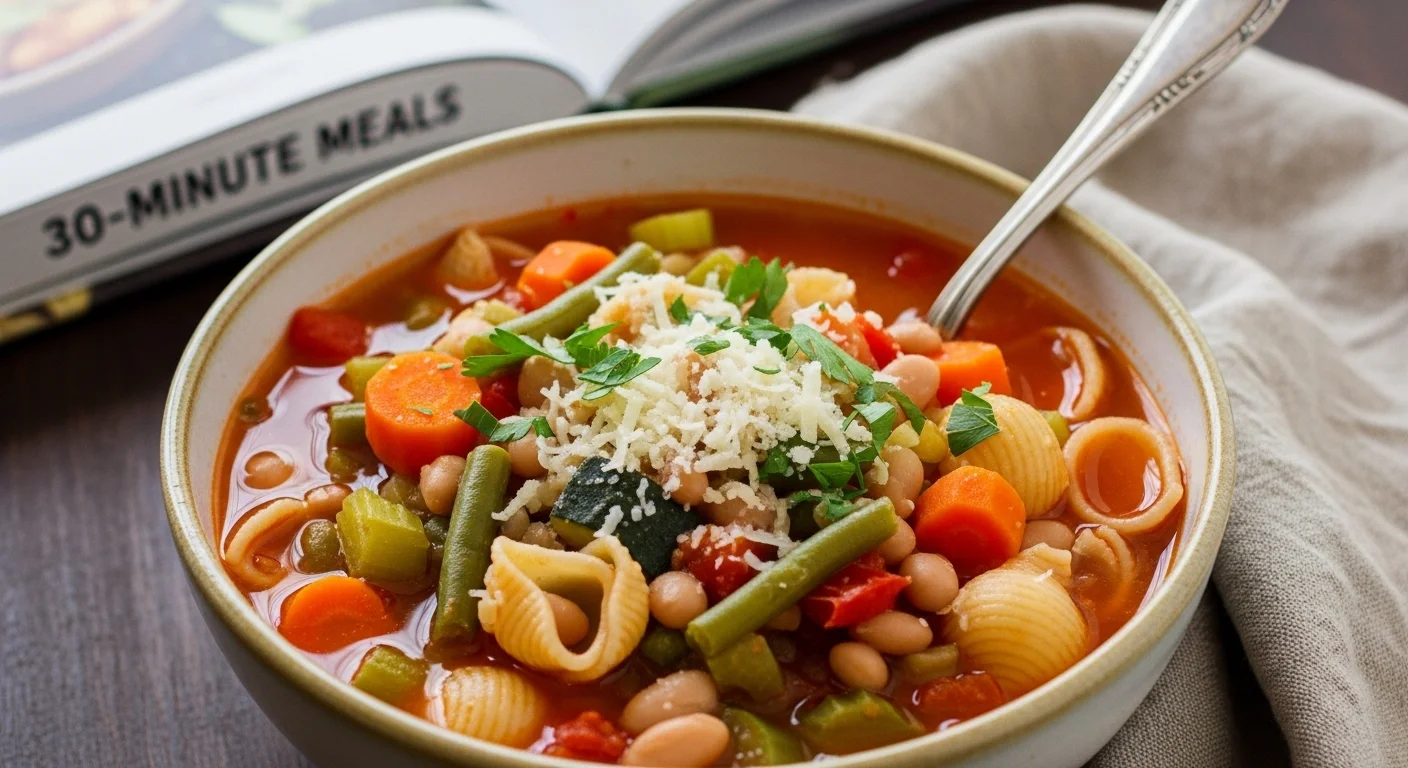
What is Minestrone Soup?
Minestrone soup is a classic Italian dish known for its rich, hearty flavor and variety of ingredients. At its core, it’s a vegetable soup, but the beauty of minestrone lies in its versatility. You can find countless variations, but they all share the same goal: to create a filling, nutritious meal using whatever ingredients you have on hand. I love how this soup feels like a warm hug in a bowl, especially on chilly days. It’s perfect for lunch or dinner and is even better the next day!
History and Origin of Minestrone
The origin of minestrone dates back to ancient times, with roots in the rustic kitchens of Italy. Traditionally, it was made by using leftover vegetables, beans, and pasta, ensuring nothing went to waste. I remember a trip to Italy where I tried a local minestrone; it was such a revelation! The depth of flavor was amazing, and I realized it was all about using fresh, seasonal ingredients. As I learned more about the dish, I discovered it has evolved over the centuries, influenced by regional specialties and local produce. Today, minestrone is loved worldwide, often adapted to suit local tastes and available ingredients.
Common Ingredients in Minestrone Soup
As I’ve experimented with minestrone, I’ve found that common ingredients often include a variety of vegetables such as carrots, celery, onions, and zucchini. Beans like kidney or cannellini are typical, providing protein and fiber. And of course, pasta is often added to make the soup even heartier. I love using small pasta shapes like ditalini or elbow macaroni, as they soak up the flavors beautifully. The best part? You can customize the ingredients based on what you have in your fridge or what’s in season! This adaptability is one of the reasons I adore making minestrone.
Health Benefits of Minestrone Soup
One of the most rewarding aspects of making minestrone soup is knowing how healthy it is. Packed with vegetables, beans, and sometimes whole grains, it’s a nutrient-rich meal that does wonders for our bodies. I always feel good after a big bowl of this soup, and here’s why.
Nutritional Value of Vegetables Used
The vegetables in minestrone are packed with vitamins, minerals, and antioxidants. For instance, carrots are rich in beta-carotene, which is great for eye health, while tomatoes provide lycopene, known for its heart health benefits. I often toss in spinach or kale for added iron and vitamins. Each ingredient brings its own unique benefits, and I love knowing that with every spoonful, I’m nourishing my body. It’s a simple yet effective way to boost my vegetable intake without even trying too hard.
Benefits of a Plant-Based Diet
Embracing a plant-based diet has numerous health benefits, many of which are highlighted in a dish like minestrone soup. I’ve learned that focusing on whole, plant-based foods can help improve heart health, support digestion, and even aid in weight management. The fiber from vegetables and legumes contributes to a feeling of fullness, which is great for my overall health and energy levels. Whenever I make this soup, I feel like I’m not only treating my taste buds but also investing in my well-being.
Why Choose a 30-Minute Recipe?
In our busy lives, finding time to cook can be a challenge. That’s why I love this 30-Minute Minestrone Soup recipe. It fits seamlessly into our hectic schedules while still providing a wholesome meal. Here’s what makes it a winner!
Time-Saving Cooking Techniques
When I first started cooking, I often felt overwhelmed by lengthy recipes. I’ve learned a few time-saving techniques that make preparing this minestrone quick and easy. For one, I chop all my vegetables ahead of time. This simple trick makes cooking feel like a breeze. I also recommend using canned beans and pre-diced vegetables when you’re in a hurry. This allows you to cut down on prep time while still enjoying a delicious meal.
Perfect for Busy Weeknights
After a long day, the last thing I want to do is spend an hour in the kitchen. This is why my 30-Minute Minestrone Soup has become a staple in our home. It’s a fantastic dish for busy weeknights when I need something quick but satisfying. Just pop everything in the pot, let it simmer, and in no time, I have a warm, hearty meal ready to serve. Plus, it’s an excellent way to clean out the fridge! I can use whatever vegetables I have left over, which makes me feel like a culinary magician.
Essential Ingredients for 30-Minute Minestrone Soup
When I make my 30-Minute Minestrone Soup, I focus on a handful of essential ingredients that come together to create a flavorful and satisfying dish. Here are the key components I recommend, which will not only speed up the cooking process but also enhance the taste of the soup.
Vegetables to Include
Choosing the right vegetables is crucial for a delicious minestrone. I typically like to start with the classics: onions, carrots, and celery. These aromatics form the base, providing that comforting flavor we all love. Then, I usually add zucchini, which cooks quickly and adds a lovely texture. I’ve also found that green beans and spinach are fantastic additions, bringing even more color and nutrients into the mix. When I have the chance, I chop up some kale or Swiss chard to throw in as well, especially for their hearty, leafy goodness. The best part? You can adjust the vegetables according to what’s fresh or what you have left in the fridge. This flexibility makes it fun to create a new version of minestrone each time!
Broth Options: Vegetable vs. Chicken Broth
The choice of broth can really set the tone for your minestrone. I’ve experimented with both vegetable and chicken broth, and I genuinely enjoy them both for different reasons. Vegetable broth keeps it plant-based and enhances the flavors of the vegetables. On the other hand, chicken broth adds a depth of flavor that can be really comforting. In my experience, if you’re looking for a lighter soup, vegetable broth is the way to go. However, when I’m in the mood for something heartier, I reach for chicken broth. Regardless of the choice, I always recommend using a low-sodium variety so I can control the saltiness of the soup. This way, I can season it to my liking as I go along!
Pasta Types Suitable for Minestrone
Pasta is one of the stars of any good minestrone soup. I love using small pasta shapes like ditalini or orzo since they cook quickly and blend perfectly with the soup. These shapes allow the broth to cling to them, ensuring every bite is bursting with flavor. If you want something gluten-free, I’ve found that rice or gluten-free pasta options work well too. Just be mindful of cooking times, as they may vary from regular pasta. Personally, I like to add the pasta towards the end of the cooking process to avoid it getting too mushy. This way, it retains just the right amount of bite, adding to the overall texture of the soup.
Step-by-Step Cooking Instructions
Now that we have our essential ingredients lined up, let’s talk about how to bring it all together in the kitchen! I love the simplicity of the process, and I think you will too.
Preparation: Chopping Vegetables
The first step is preparing your vegetables. I usually take a little time to chop everything before I start cooking. This not only makes the cooking process smoother but also keeps me organized. I love the sound of a knife chopping through fresh veggies—it feels therapeutic! I start with the onion, then move on to carrots and celery. Lastly, I slice the zucchini and any other veggies I’m using. Having everything prepped and ready to go makes me feel like I’m a pro chef in my own kitchen!
Cooking the Base: Sautéing and Adding Broth
Once my vegetables are chopped, I heat some olive oil in a large pot over medium heat. I like to sauté the onions first until they become translucent, usually a couple of minutes. Then, I add the carrots and celery, letting them cook for a bit longer until they’re tender. This is when the aroma fills my kitchen, and it’s hard not to sneak a taste! After that, I pour in the broth of my choice, bringing everything to a gentle simmer. I find that simmering allows the flavors to mingle beautifully.
Adding Pasta and Final Ingredients
After the broth is bubbling away, it’s time to toss in the pasta along with any other vegetables that need less cooking time, like spinach or green beans. I let it cook for about 10 minutes, until the pasta is just right. It’s amazing how everything transforms in that short time! Finally, I finish it with a sprinkle of fresh herbs like basil or parsley, which adds a burst of freshness. I often taste it at this stage, adjusting the seasoning with salt and pepper to suit my palate.
Variations and Customizations
One of the aspects of minestrone I genuinely enjoy is how open it is to variations. It’s like a blank canvas that allows you to express your culinary creativity!
Adding Protein: Beans, Tofu, or Meat
If I’m looking to add some protein to the mix, I’ve found that beans are a fantastic option. Cannellini or kidney beans work beautifully, providing that hearty texture. For a twist, I sometimes dice up some firm tofu and add it toward the end of cooking for a plant-based protein boost. And on those days when I want something a bit more indulgent, I may include shredded chicken or Italian sausage. This simple addition can elevate the soup, making it even more of a satisfying meal.
Gluten-Free Options
Adapting the soup for gluten-free diets is incredibly easy! I simply swap out regular pasta for gluten-free varieties or even use quinoa or rice. I’ve made minestrone this way several times, and it always turns out delicious. I appreciate that it allows everyone to enjoy this comforting dish, no matter their dietary needs.
Herbs and Seasonings for Flavor Enhancement
Finally, let’s talk about flavor! I love adding fresh herbs like basil and thyme to the mix. Sometimes, I even throw in a bay leaf while it simmers. For a bit of a kick, I might add red pepper flakes or a splash of balsamic vinegar right before serving. These little touches can transform the soup into a whole new experience. I often remind myself that cooking is all about experimenting, and minestrone is the perfect dish to try out new flavors!
Serving Suggestions
Best Accompaniments for Minestrone Soup
When it comes to serving minestrone soup, I’ve found that the right accompaniments can elevate the experience. I love pairing my soup with a slice of crusty Italian bread or a warm baguette. There’s something so satisfying about dipping that bread into the broth, soaking up all those delicious flavors. If I’m feeling a bit fancy, I might whip up some garlic bread. It’s easy to make—just spread some butter and garlic on the bread and pop it in the oven for a few minutes. The aroma fills the kitchen, making it impossible to resist!
Another great option is a simple side salad. I usually toss together some mixed greens with a light vinaigrette. The freshness of the salad contrasts beautifully with the hearty soup. Sometimes, I even add some shaved Parmesan cheese over the salad for an extra layer of flavor. I’ve noticed that these sides complement the soup perfectly, making for a well-rounded meal that everyone in my family enjoys.
Garnishing Ideas
A little garnish can go a long way in making minestrone soup visually appealing. I love to sprinkle some freshly chopped parsley or basil on top just before serving. It adds a pop of color and a burst of freshness that brightens the dish. If I want to amp up the flavor, I might add a drizzle of good-quality olive oil right on top. This not only enriches the taste but also gives it a lovely sheen.
Sometimes, for a bit of extra flair, I’ll add a few croutons that I’ve made at home. It’s so simple! I just cube some stale bread, toss it in olive oil, garlic powder, and Italian herbs, then bake until crispy. These croutons provide a delightful crunch that contrasts beautifully with the soup’s warmth and softness. I believe garnishing is the finishing touch that makes the meal truly special.
Storage and Reheating Tips
How to Store Leftover Minestrone Soup
One of the best things about minestrone soup is that it keeps well, making it perfect for meal prep. After a big batch, I like to store the leftovers in airtight containers. I typically divide the soup into individual portions, which makes it easy to grab for lunch or dinner later in the week. When storing, I’ve learned to keep the pasta separate if I can. This helps prevent it from getting too mushy when reheated. If I’ve added pasta in, I just make sure to consume those portions first!
In my experience, minestrone soup can last in the fridge for about 3 to 5 days. For longer storage, I tend to freeze it. I pour the cooled soup into freezer-safe containers or bags, making sure to leave some space for expansion. It’s such a joy to pull out a comforting bowl of soup on a cold day, knowing I have a homemade meal ready to go!
Best Methods for Reheating
When it’s time to enjoy those leftovers, I’ve found that reheating minestrone soup can be done in various ways. My preferred method is to use the stovetop. I pour the soup into a pot, add a splash of water or broth if it looks thick, and heat it over medium heat, stirring occasionally. This method helps retain the flavors and prevents it from becoming too watery.
If I’m in a rush and want a quicker option, I’ll use the microwave. I transfer the soup to a microwave-safe bowl and cover it loosely with a lid or microwave-safe wrap. I usually heat it for about 2 to 3 minutes, stopping to stir halfway through to ensure even heating. Just be careful, as the soup can get hot quickly!
Regardless of the method, I always taste the soup again before serving. Sometimes, it just needs a pinch more salt or a dash of olive oil to bring it back to life. I enjoy the process of reheating; it reminds me of the love I put into making it in the first place!
Frequently Asked Questions (FAQs)
Can I make Minestrone Soup in advance?
Absolutely! In fact, I often make a big batch of minestrone soup ahead of time. It actually tastes even better after sitting for a day or two as the flavors meld together. I recommend making it on a weekend and enjoying it throughout the week. Just remember to store it properly, as I mentioned earlier, to maintain its freshness.
What can I substitute for pasta?
If you’re looking to substitute pasta, there are several great options. I’ve used quinoa or rice for a gluten-free alternative, and they work wonderfully. Zucchini noodles or spaghetti squash can also serve as a low-carb substitute. Just keep in mind that cooking times may vary, so adjust accordingly to ensure everything is cooked perfectly.
How can I make Minestrone Soup creamier?
If you want to add a creamy texture to your minestrone, there are a couple of methods I’ve tried. One option is to blend a portion of the soup after it’s cooked and then mix it back in. This gives it a more velvety consistency. Another way is to stir in a splash of cream or a dollop of ricotta cheese right before serving. It adds a lovely richness that transforms the soup into something truly indulgent!