
Have you ever considered a diet that focuses entirely on animal products? The carnivore diet might sound extreme, but it’s gaining popularity for its simplicity and potential health benefits. Let me guide you through the essentials of this unique eating plan.
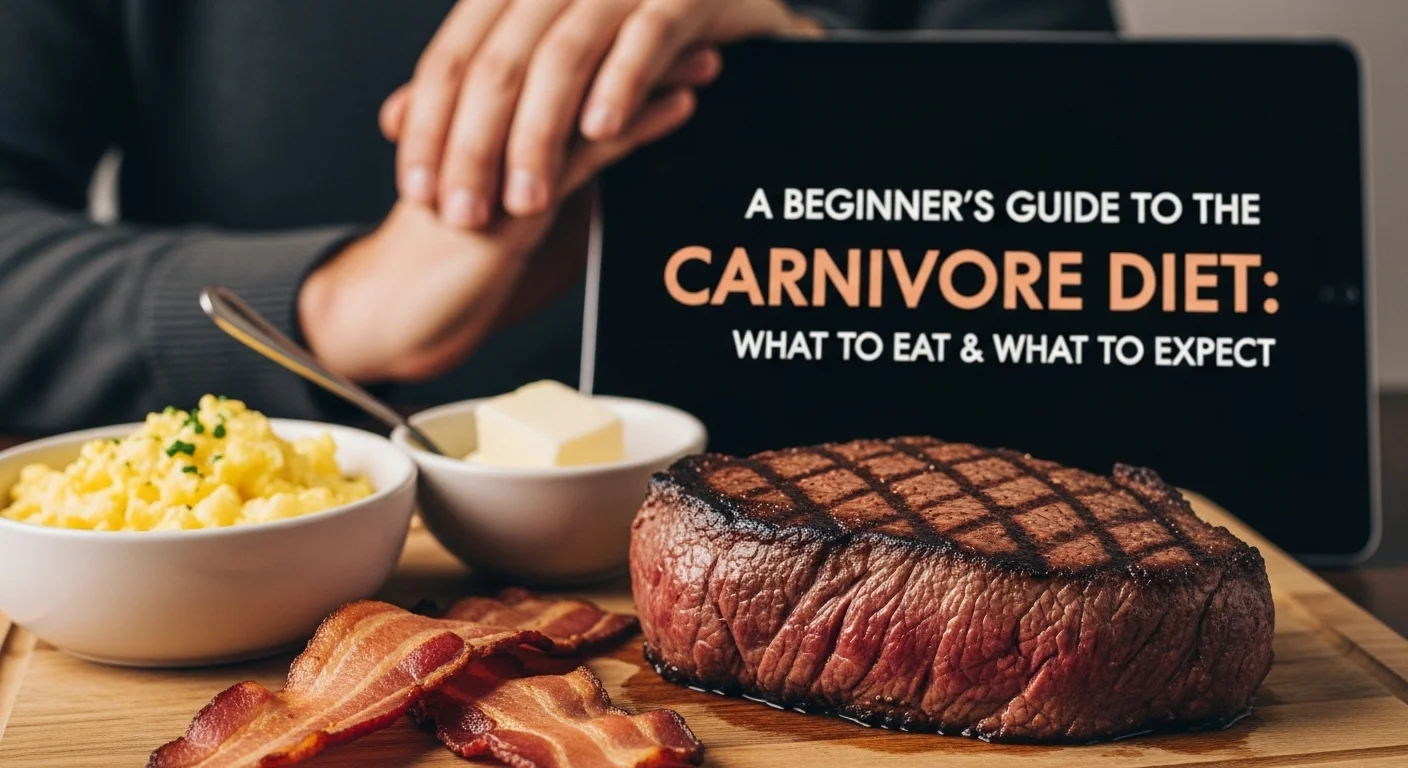
Understanding the Carnivore Diet
The carnivore diet, also known as the all-meat diet, is quite straightforward: it involves consuming only animal-based foods. This means meat, fish, eggs, and certain animal-derived products are your primary sources of nutrition, while all plant-based foods are completely off the table. When I first heard about this diet, I was intrigued yet skeptical. The thought of cutting out fruits, vegetables, and grains was daunting. However, after doing some research and talking to those who have tried it, I found that there’s more to this diet than meets the eye.
Why Choose the Carnivore Diet?
One of the main reasons people choose the carnivore diet is to simplify their eating habits. In a world where diet trends can be overwhelming, the carnivore diet offers a clear-cut approach. I appreciate how it eliminates the decision-making process surrounding what to eat. Instead of worrying about complex meal plans, I can focus on choosing different cuts of meat or types of fish. The simplicity is refreshing.
Another reason many are drawn to this diet is the potential health benefits. Some proponents claim that the carnivore diet has helped with various health issues, including autoimmune conditions, digestive problems, and even mental health concerns. When I learned about people experiencing relief from chronic pain and improved mental clarity, I was intrigued. Of course, as with any diet, it’s essential to approach it with caution and listen to your body.
What to Eat on the Carnivore Diet
As I began my journey into the carnivore lifestyle, I made a list of foods that would be staples in my diet. Here’s what I discovered I could eat:
- Beef: Ground beef, steak, ribs, and organ meats like liver and heart.
- Pork: Pork chops, bacon, and sausages (make sure they don’t contain fillers).
- Poultry: Chicken, turkey, and duck, with an emphasis on skin and fatty parts.
- Fish: Salmon, mackerel, sardines, and other fatty fish are highly encouraged.
- Eggs: Chicken eggs are the most common choice, but I’ve also enjoyed duck eggs.
- Dairy: Some variations of the diet allow for low-lactose dairy like cheese and butter. I found that heavy cream in my coffee was a treat, though some people may choose to avoid dairy altogether.
When I first started, I found myself enjoying the variety within these categories. Each type of meat offers unique flavors and textures, keeping meals interesting. I also discovered that cooking methods can really enhance the experience; grilling, roasting, or slow-cooking meats brought out different flavors. In time, I learned how to prepare a variety of dishes that were not only satisfying but also delicious.
What to Expect When Starting the Carnivore Diet
Taking the leap into the carnivore diet can feel overwhelming at first. I remember vividly the initial days when I was detoxing from carbs. It’s common to experience a range of symptoms, often referred to as the “keto flu,” as your body adjusts to this new way of eating. I felt fatigued and had some cravings, which I later learned was normal during this transition.
During the first few weeks, I focused on hydration and making sure I was getting enough electrolytes, such as sodium, potassium, and magnesium. I found that incorporating bone broth into my diet was incredibly helpful. Not only did it provide essential nutrients, but it also helped with my hydration levels. Listening to my body’s signals became crucial during this phase, and I learned to adapt my food choices based on how I felt.
Emotional and Mental Changes
What surprised me the most was the mental clarity I experienced after a few weeks on the diet. Many people report enhanced focus and cognitive function, and I found that to be true for myself. As the initial fog cleared, I became more productive and felt sharper mentally. It was a welcomed side effect that I hadn’t anticipated.
However, I also encountered challenges. Social situations became a bit tricky, as dining out or attending gatherings often meant limited food options. I learned to navigate these situations by either bringing my meal or choosing restaurants that catered to carnivore-friendly diets. This experience taught me the importance of being resourceful and confident in my choices.
While the carnivore diet may seem restrictive at first glance, I discovered ways to make it work for me. It’s not just about what you eat but also about how you feel, both physically and mentally. As I embraced this new lifestyle, I found a sense of community among others who were also following the carnivore diet. Sharing recipes, tips, and personal experiences became a motivating factor in my journey.
Overall, the carnivore diet has been a transformative experience for me. It’s important to remember that every individual’s journey will be different, and what works for one person may not work for another. As I continue to explore this diet, I’m excited to see where it takes me next.
Challenges and Considerations
While my experience with the carnivore diet has been largely positive, I’ve encountered several challenges along the way that are worth discussing. Understanding these challenges can help anyone considering this diet prepare for the journey ahead. One major hurdle I faced was the social aspect of eating. As much as I enjoy sharing meals with friends and family, I quickly realized that many social gatherings revolve around food that doesn’t align with a carnivore lifestyle. I found myself often explaining my choices or feeling a bit out of place at potlucks and restaurant outings.
To address this, I started to become proactive. I would often suggest venues that offered meat-heavy options, or I would bring along my own dishes to share. I found that explaining my dietary choice could lead to interesting conversations, and surprisingly, many were curious about my experience with the carnivore diet. It’s a unique talking point that often sparked dialogue about health and nutrition. This perspective helped me shift my focus from feeling isolated to embracing my dietary choices as part of my identity.
Another challenge I faced was ensuring that I was consuming a well-balanced array of animal products. For a while, I leaned heavily on ground beef and eggs, which I absolutely love, but I realized that variety is key to avoiding nutritional deficiencies. I made it a point to incorporate different types of meat, fish, and organ meats. This not only added diversity to my meals but also provided various nutrients that I might have missed otherwise. I started experimenting with different cuts of meat, exploring local butcher shops, and even trying my hand at organ meats like liver, which is packed with vitamins and minerals.
Listening to My Body
Throughout my carnivore journey, I’ve learned the importance of listening to my body. Every time I made a change in my diet, I paid close attention to how I felt physically and mentally. There were days when I craved something different, and instead of ignoring those cravings, I would explore them within the parameters of the diet. For instance, I found that including more fatty cuts of meat on certain days helped satisfy my hunger and cravings. Learning to tune into my body’s signals has been one of the most valuable lessons of this experience.
I have also found it beneficial to keep a food journal. Tracking what I eat, how I feel, and any changes in my energy levels or mood has provided me with insights that are invaluable. When I look back at my entries, I can identify patterns that guide my food choices and help me optimize my diet for my unique needs. This practice turned into a form of self-reflection that deepened my understanding of how diet affects my overall well-being.
The Role of Supplements
While many carnivore dieters claim that it’s possible to meet all nutritional needs through food alone, I’ve become more aware of the potential gaps in my nutrition. This prompted me to consider supplements, particularly vitamin D and omega-3 fatty acids. After discussing my dietary choices with a healthcare professional, I decided to incorporate these supplements into my routine, especially during the winter months when sunlight exposure is limited.
Additionally, electrolytes became a focus for me. As I mentioned earlier, staying hydrated is crucial, especially on a low-carb diet. I found electrolyte supplements helpful in maintaining balance, particularly during the early transition phase. I’ve also experimented with adding salt to my meals, which not only enhanced the flavor but also provided essential minerals. It’s fascinating how such small adjustments can significantly impact how I feel day to day.
Long-Term Sustainability
As I continue down this path, I’ve been contemplating the long-term sustainability of the carnivore diet. For me, it’s not just about adhering strictly to a set of rules, but rather finding a way of eating that enhances my life and well-being. I’ve realized that being flexible is key. There are days when I might feel the need to include a small amount of plant-based foods, whether it’s for social reasons or simply for variety. Balancing my dietary preferences with my lifestyle has led me to adapt the carnivore diet to fit my needs better.
Engaging with the carnivore community has also played a significant role in my journey. Through online forums and social media groups, I’ve connected with others who share their experiences, tips, and recipes. This sense of community has made the diet feel less isolating and more like a collective exploration of health and wellness. I’ve learned how to navigate challenges and celebrate successes with others who understand the nuances of this unique approach.
Final Thoughts
Every journey is unique, and my experience with the carnivore diet has been both enlightening and empowering. While there are challenges to navigate, the simplicity, mental clarity, and sense of community have made it worthwhile for me. I encourage anyone considering this path to do thorough research, listen to their body, and find what works best for them. The most important takeaway is that health and nutrition are personal journeys, and there’s no one-size-fits-all solution. I look forward to discovering more as I continue this adventure.