
Making your first sourdough sandwich loaf can feel like a delightful adventure! With its soft texture and tangy flavor, this bread is perfect for sandwiches or toast. Let’s dive in and explore the world of sourdough!
Understanding Sourdough Bread
What is Sourdough?
When I first heard about sourdough, I was intrigued. It’s not just bread; it’s a living thing. Sourdough bread is made using a naturally fermented starter instead of commercial yeast. This starter contains wild yeast and lactic acid bacteria, which work together to create that signature tangy flavor and fluffy texture. As I experimented with my own starter, I found that the longer it ferments, the more complex the flavors become. It’s truly magical to see how just flour and water can transform into something so delicious!
History of Sourdough Bread
The history of sourdough is as rich as the bread itself. It goes back thousands of years, with evidence showing that ancient Egyptians were baking sourdough as far back as 1500 BC. I remember reading about how the process was discovered by accident, as flour and water left out would ferment naturally. This method became the foundation of many cultures’ bread-making traditions. It’s fascinating to think that we’re continuing a practice that has brought people together for centuries!
Benefits of Sourdough Bread
There are so many benefits to sourdough that I discovered during my baking journey. For starters, sourdough is easier to digest compared to other types of bread. The fermentation process breaks down gluten, making it gentler on the stomach. Additionally, it has a lower glycemic index, which means it can help regulate blood sugar levels. I’ve found that having a slice of sourdough keeps me full longer, perfect for those busy days! Plus, it’s packed with nutrients! The fermentation process increases the availability of vitamins and minerals, making sourdough a healthier choice for our sandwiches. Can You Make Sourdough Bread With Only Sourdough Discard? is a great article to explore more about sourdough!
Essential Ingredients for Sourdough Sandwich Loaf
Flour Types (Bread Flour, All-Purpose Flour)
Choosing the right type of flour is crucial for making a great sourdough loaf. I’ve experimented with both bread flour and all-purpose flour, and here’s what I’ve learned. Bread flour has a higher protein content, which helps develop gluten, resulting in a chewier texture that’s great for sandwich bread. All-purpose flour, on the other hand, can yield a softer loaf, which I also enjoy. Depending on what I’m in the mood for, I’ll mix these flours to create my perfect balance!
Water Quality and Temperature
The water you use can make a significant difference in your sourdough. I always try to use filtered water—chlorine can inhibit the fermentation process. Additionally, the temperature of the water matters too. I’ve found that using lukewarm water helps activate the yeast in my starter more effectively, promoting a good rise. A good rule of thumb is to aim for water around 80°F (27°C) for optimal fermentation. It’s amazing how these little details can impact the final loaf!
Salt and Its Role
Salt is often overlooked in baking, but it’s a vital ingredient in sourdough. I remember the first time I made a loaf without adding salt; it turned out bland and flat. Salt not only enhances flavor but also strengthens gluten and controls fermentation. I typically use around 1.5% of the flour weight in salt, and I’ve found that this brings out the best in my sourdough. Just make sure to mix it in well; I like to dissolve it in water before adding it to the dough.
Sourdough Starter: What You Need to Know
Your sourdough starter is the heart of your bread. It’s what gives sourdough its unique flavor and rise. I started my journey by creating a simple starter with just flour and water. Over time, I’ve learned that the key to a healthy starter is regular feeding. Keeping it at room temperature and feeding it daily has made a world of difference. I love watching it bubble and grow, knowing that it’s alive and ready to help me make bread!
Preparing Your Sourdough Starter
How to Create a Sourdough Starter from Scratch
Creating your own sourdough starter is one of the most rewarding parts of this journey. When I first decided to make my starter, I was a bit intimidated, but it turned out to be quite simple! To start, all you need is equal parts of flour and water. I usually begin with 100 grams of flour and 100 grams of water in a clean glass jar. I’ve found that whole wheat or rye flour helps kickstart the fermentation because they have more nutrients for the wild yeast. I mix them together until there are no dry spots, then cover the jar loosely with a cloth or a lid to let it breathe. Over the next few days, I kept the jar in a warm spot in my kitchen and waited for the magic to happen!
Feeding and Maintaining Your Starter
Once I saw bubbles forming in my starter after a couple of days, I knew I was on the right track. Feeding is essential to keep the starter healthy and active. I typically feed it once a day, but if I’m busy, I might stretch it to every 24 hours. Each feeding involves discarding half of the starter (this part was tough for me at first, but it’s necessary) and adding another 100 grams of flour and 100 grams of water. I mix it well and let it sit again. If you want to take a break from baking, you can store your starter in the fridge, feeding it once a week. Just remember to bring it back to room temperature and feed it a couple of times before using it again. It’s almost like having a pet—regular attention is key!
Signs Your Starter is Ready to Use
Knowing when your starter is ready to bake with is a bit of an art. For me, the biggest sign was its growth: it should double in size within about 4 to 6 hours after feeding. I also noticed that it has a pleasant, tangy smell and lots of bubbles. A great trick I learned is the “float test.” I take a small spoonful of the starter and drop it into a glass of water. If it floats, I know it’s ready! If it sinks, I just give it a little more time or another feeding. This stage of the process was incredibly exciting—I felt like I had nurtured something alive, and now I was ready to create delicious bread!
Basic Sourdough Sandwich Loaf Recipe
Step-by-Step Instructions
Now that my starter is bubbly and active, it’s time to make my first sourdough sandwich loaf! Here’s how I do it: I start by mixing 500 grams of my active starter with 400 grams of lukewarm water in a large bowl. Then I add 800 grams of flour (a mix of bread flour and all-purpose flour works best for me) and 18 grams of salt. I use my hands to mix everything until it comes together into a shaggy dough. This part feels so satisfying as I can feel the texture changing under my fingers!
After mixing, I let it rest for about 30 minutes. This process is called autolyse, and it allows the flour to absorb the water, making the dough easier to work with. Once 30 minutes pass, I knead it gently for a few minutes until it’s smooth and elastic. Then, I place it back in the bowl, cover it with a damp cloth, and let it rise in a warm area for about 4 to 6 hours. I love this part—watching my dough slowly rise is like a little miracle!
Common Measurements and Conversions
When I first started baking sourdough, I found it helpful to have a few common measurements on hand. Here’s a quick reference that I use:
- 1 cup of water = 240 grams
- 1 cup of bread flour = 120 grams
- 1 cup of all-purpose flour = 125 grams
These conversions have made it easier for me to scale recipes up or down as needed. I keep a kitchen scale handy; it’s a game-changer for measuring ingredients accurately!
How to Shape Your Loaf
After the first rise, it’s time to shape my dough. I gently turn it out onto a floured surface and stretch it into a rectangle. I fold the top third down to the center and the bottom third up, creating a letter shape. Then I flip it over and shape it into a tight ball. This technique has helped me create a nice structure in my loaf. I usually let it rest for about 20 minutes, covered with a cloth. After resting, I perform a final shaping into a loaf by forming it into a log, tucking in the edges. I place it seam-side down in a well-floured proofing basket or a loaf pan, ready for its final rise!
Fermentation and Proofing Process
Understanding Bulk Fermentation
Bulk fermentation is where the magic happens. During this time, the dough ferments and develops flavor and structure. I often perform stretch and folds every 30 minutes during the first couple of hours. This technique involves gently lifting one side of the dough and folding it over itself. I usually do this four times, going around the dough to help strengthen it. I love how active it feels during this stage!
Shaping and Final Proofing Techniques
After the bulk fermentation is done, I shape the dough as mentioned earlier. Depending on my schedule, I may let it proof at room temperature for another couple of hours, or I might place it in the fridge overnight for a slow, cold proof. I’ve found that cold proofing not only develops deeper flavors but also makes it easier to handle the dough. When I wake up the next morning, the anticipation of baking is palpable!
How to Know When Your Dough is Ready
When it comes to knowing if my dough is ready to bake, I look for a few signs. It should have risen noticeably, and when I gently poke it with my finger, the indentation should spring back slowly. If it springs back quickly, it might need more time. Watching the dough perform its magic is one of my favorite parts of the process, and I’ve learned to trust my instincts as I get more experienced.
Baking Your Sourdough Sandwich Loaf
Choosing the Right Baking Vessel
Baking vessels can significantly affect the outcome of your sourdough. I’ve played around with various options, and I’ve discovered that a Dutch oven is my favorite choice. It retains heat well and traps steam, which creates that perfect crust. When I place my shaped dough inside, I usually cover it with the lid for the first half of the baking time. This helps the bread rise beautifully. I’ve also tried using a baking stone and a regular loaf pan, and while they yielded decent results, the Dutch oven consistently gives me the best crust and texture. Whatever you choose, make sure it’s preheated to ensure that initial burst of heat that makes the bread spring up!
Oven Temperature and Steam Techniques
The heat of the oven plays a crucial role in baking sourdough. I like to preheat my oven to 450°F (232°C) for at least 30 minutes before baking. This allows the oven to reach an even temperature throughout. To create steam, I’ve found that pouring a cup of hot water into a baking pan placed on the bottom rack just after I place the bread in works wonders. This steam helps the crust develop a nice golden brown color and keeps it soft. On days when I want to experiment, I sometimes spritz the oven with water during the first few minutes of baking, adding even more steam to the environment. It’s fun to play around with these techniques until you find what works best for you!
How to Achieve a Soft Crust
While I love a crispy crust, sometimes I want that soft, tender crust that makes for a perfect sandwich. To achieve this, I’ve learned to adjust my baking time and temperature. After the initial steaming phase, I lower the temperature to around 400°F (204°C) and let the loaf bake until it reaches an internal temperature of about 190°F (88°C). I also take the bread out of the Dutch oven for the last 10-15 minutes to prevent the crust from getting too hard. Covering the loaf loosely with aluminum foil during the last few minutes can also help soften the crust if it’s getting too dark. It’s all about finding that sweet spot that suits your taste!
Storing and Using Your Sourdough Sandwich Loaf
Best Practices for Storage
After all that hard work, I want to make sure my sourdough stays fresh for as long as possible. I’ve found the best way to store it is to keep it in a paper bag or wrapped in a clean kitchen towel. This allows the bread to breathe while keeping it from getting stale too quickly. If I know I won’t finish it within a few days, I slice the loaf and place it in a freezer-safe bag. I’ll pull out slices as needed, and I love how they taste just as fresh when toasted! The key is to make sure it’s completely cool before wrapping it up, so I don’t trap any moisture, which can lead to mold.
How to Slice and Serve
Slicing my sourdough loaf is one of my favorite parts. I’ve learned that using a serrated knife yields the best results—it easily cuts through the crust without crushing the soft interior. I like to slice it thick for hearty sandwiches or thinner for toast. For serving, I often enjoy it fresh with a smear of butter or some avocado. My family loves it for sandwiches filled with all sorts of goodies, from classic turkey and cheese to more adventurous options like roasted veggies or hummus. The possibilities are endless, and I love seeing how versatile this bread can be!
Creative Sandwich Ideas Using Sourdough Bread
Over the years, I’ve come up with some delicious sandwich ideas that highlight the unique flavor of sourdough. One of my go-to favorites is the classic grilled cheese, where the tangy bread pairs perfectly with gooey melted cheese. I also love making a breakfast sandwich with eggs, spinach, and a slice of sharp cheddar. Another combo I can’t resist is turkey, cranberry sauce, and cream cheese—perfect for that holiday feel any time of year! And for something a little different, I’ll make a Caprese sandwich with fresh mozzarella, basil, tomatoes, and a drizzle of balsamic glaze. These sandwiches all showcase the wonderful texture and taste of sourdough, making every bite a delight!
Troubleshooting Common Sourdough Issues
Dough Too Sticky or Dry
One of the first challenges I faced while making sourdough was dealing with dough that was either too sticky or too dry. I remember the frustration of trying to knead a sticky mess that felt like it was glued to my hands! After some experimentation, I discovered that adjusting the hydration level can make all the difference. If my dough is too sticky, I add a little bit of flour, but I try not to go overboard because I want to maintain that lovely texture. On the flip side, if my dough is too dry and crumbly, I’ll add a small amount of water—just enough to bring it back together. It’s all about finding that perfect balance, and I’ve learned that it’s okay to adjust as needed during the mixing process!
Not Rising Properly
There’s nothing quite like the disappointment of pulling out a loaf that hasn’t risen as expected. I’ve been there! When my dough didn’t rise properly, I took a closer look at the potential culprits. First, I checked my sourdough starter to ensure it was active and bubbly. If it wasn’t, I made sure to feed it and give it some time to perk up before using it. Additionally, I learned that temperature plays a crucial role in fermentation. If my kitchen was too cold, I’d find a warmer spot or use the oven with the light on to create a cozy environment for my dough. Patience is key during this process; sometimes, it just needs a little more time to work its magic!
Crumb Texture Problems
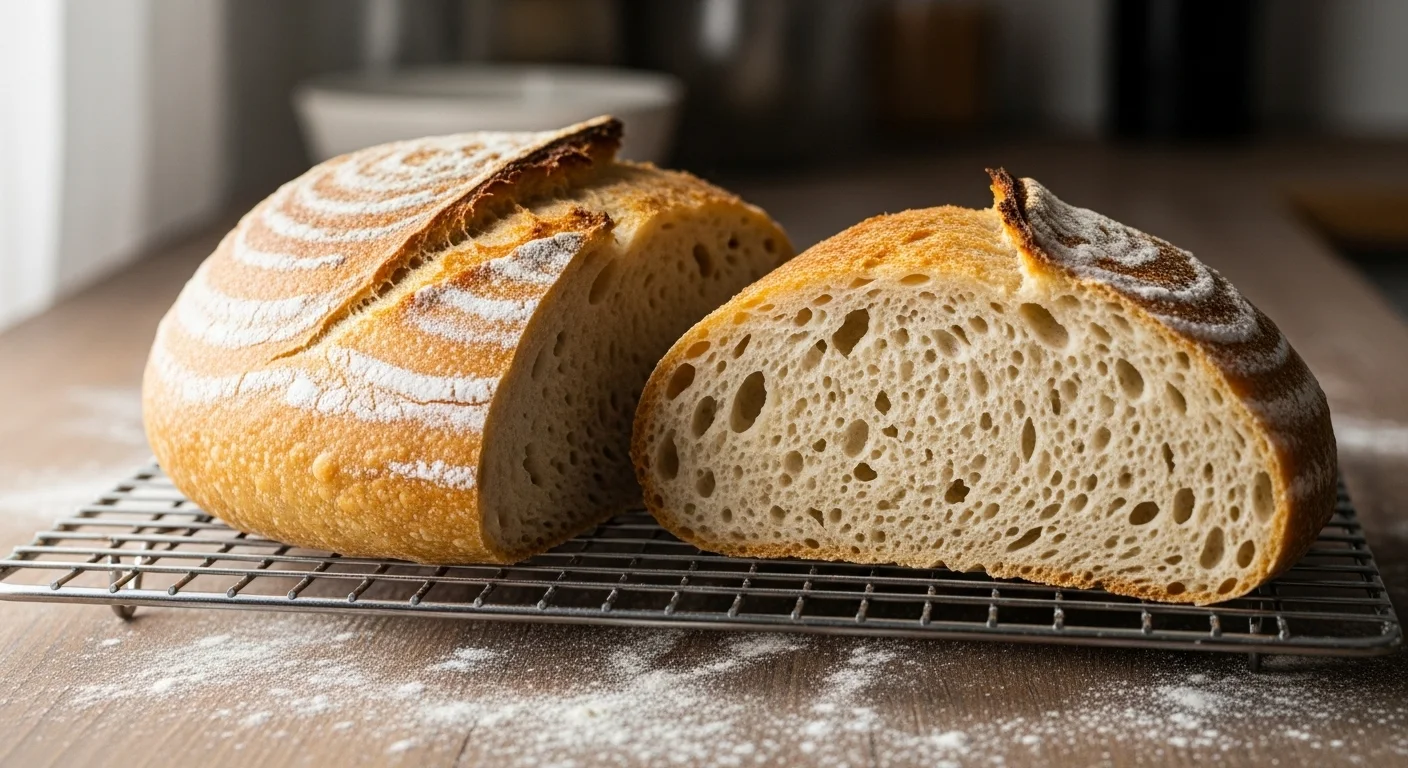
Achieving that beautiful, open crumb with a light texture took me some time to master. I remember my first few loaves had a dense crumb, and I felt like I was missing out on the airy quality I admired in bakery loaves. Through trial and error, I realized that proper kneading and stretch and folds during bulk fermentation were vital for building structure. If I neglected these steps, my bread tended to be denser. Additionally, I learned to be careful not to over-knead, which could lead to a tight crumb. It’s a delicate balance, but once I found my rhythm, I was thrilled to see those lovely holes in the crumb of my sourdough!
Frequently Asked Questions (FAQs)
How Long Does Sourdough Bread Last?
In my experience, sourdough bread can last quite a while if stored correctly. Typically, it stays fresh for about 3 to 5 days at room temperature. If it’s in a paper bag or wrapped in a cloth, it can maintain its flavor and texture. I’ve also found that refrigerating bread can extend its life a bit, but it can affect the crust—making it a little tougher. For longer storage, I slice my bread and freeze it. When I’m ready for a slice, I just pop it in the toaster, and it tastes almost as good as fresh!
Can You Freeze Sourdough Bread?
Absolutely! Freezing sourdough bread is one of my favorite tricks to keep it from going stale. I slice the loaf after it’s completely cooled, then wrap the slices in plastic wrap and place them in a freezer-safe bag. When I want to enjoy a slice, I just grab what I need and toast it straight from the freezer. It’s a convenient way to enjoy homemade sourdough without the pressure of finishing an entire loaf quickly!
What Makes Sourdough Different from Regular Bread?
Sourdough stands out from regular bread primarily because of its unique fermentation process. Unlike bread made with commercial yeast, sourdough uses a natural starter, which brings wild yeast and bacteria into the mix. This not only gives sourdough its distinct tangy flavor but also enhances its nutritional profile. I’ve noticed that sourdough is often easier to digest too, thanks to the long fermentation time that breaks down gluten and other components in the flour. It’s a delightful blend of science and art that makes sourdough so special!
Final Thoughts
Embarking on the journey of making sourdough bread has been an enriching experience for me. I’ve learned so much about patience, creativity, and the joy of baking. Each loaf carries a piece of my effort and passion, and there’s something truly satisfying about sharing that with family and friends. I encourage anyone curious about sourdough to dive in and try it for themselves. The process may seem daunting at first, but with practice and a little love, you’ll be rewarded with delicious bread that transforms ordinary meals into extraordinary moments. Let your kitchen fill with the delightful aroma of baking bread, and enjoy every step along the way!
Frequently Asked Questions
What is sourdough bread?
Sourdough bread is made using a naturally fermented starter instead of commercial yeast. This starter contains wild yeast and lactic acid bacteria, which create the signature tangy flavor and fluffy texture.
How long does sourdough bread last?
Sourdough bread can last about 3 to 5 days at room temperature if stored correctly in a paper bag or wrapped in cloth. Refrigerating it can extend its life but may affect the crust. For longer storage, it can be sliced and frozen.
Can you freeze sourdough bread?
Yes, you can freeze sourdough bread. It’s best to slice the loaf after it has cooled, wrap the slices in plastic wrap, and then place them in a freezer-safe bag. You can toast the slices straight from the freezer when you’re ready to enjoy them.
What are the benefits of sourdough bread?
Sourdough bread is easier to digest compared to other types of bread due to the fermentation process that breaks down gluten. It has a lower glycemic index, helping to regulate blood sugar levels, and is packed with nutrients that become more available through fermentation.
What types of flour are best for making sourdough bread?
Both bread flour and all-purpose flour can be used for making sourdough bread. Bread flour has a higher protein content, resulting in a chewier texture, while all-purpose flour can yield a softer loaf. Mixing the two can help achieve a perfect balance.
How can I tell if my sourdough starter is ready to use?
Your sourdough starter is ready when it doubles in size within about 4 to 6 hours after feeding, has a pleasant, tangy smell, and is bubbly. The “float test” can also be used; if a spoonful of starter floats in water, it’s ready to use.
What is bulk fermentation in sourdough baking?
Bulk fermentation is the stage where the dough ferments and develops flavor and structure. During this time, techniques like stretch and folds can be used to strengthen the dough.
How do I achieve a soft crust when baking sourdough?
To achieve a soft crust, lower the baking temperature to around 400°F (204°C) after the initial steaming phase. Remove the bread from the Dutch oven for the last 10-15 minutes to prevent the crust from getting too hard, and cover it loosely with aluminum foil if it darkens too much.
What common issues might I encounter when baking sourdough?
Common issues include dough being too sticky or dry, not rising properly, and crumb texture problems. Adjusting hydration levels, checking starter activity, and ensuring proper kneading and fermentation can help resolve these issues.
What makes sourdough different from regular bread?
Sourdough is different because it uses a natural starter for fermentation instead of commercial yeast. This process gives sourdough its distinct tangy flavor and enhances its nutritional profile, often making it easier to digest.
“`