
There’s something magical about baking a seasonal cake at home. The fresh ingredients, the delightful aromas, and the joy of sharing it with loved ones create a sense of warmth that’s hard to beat.
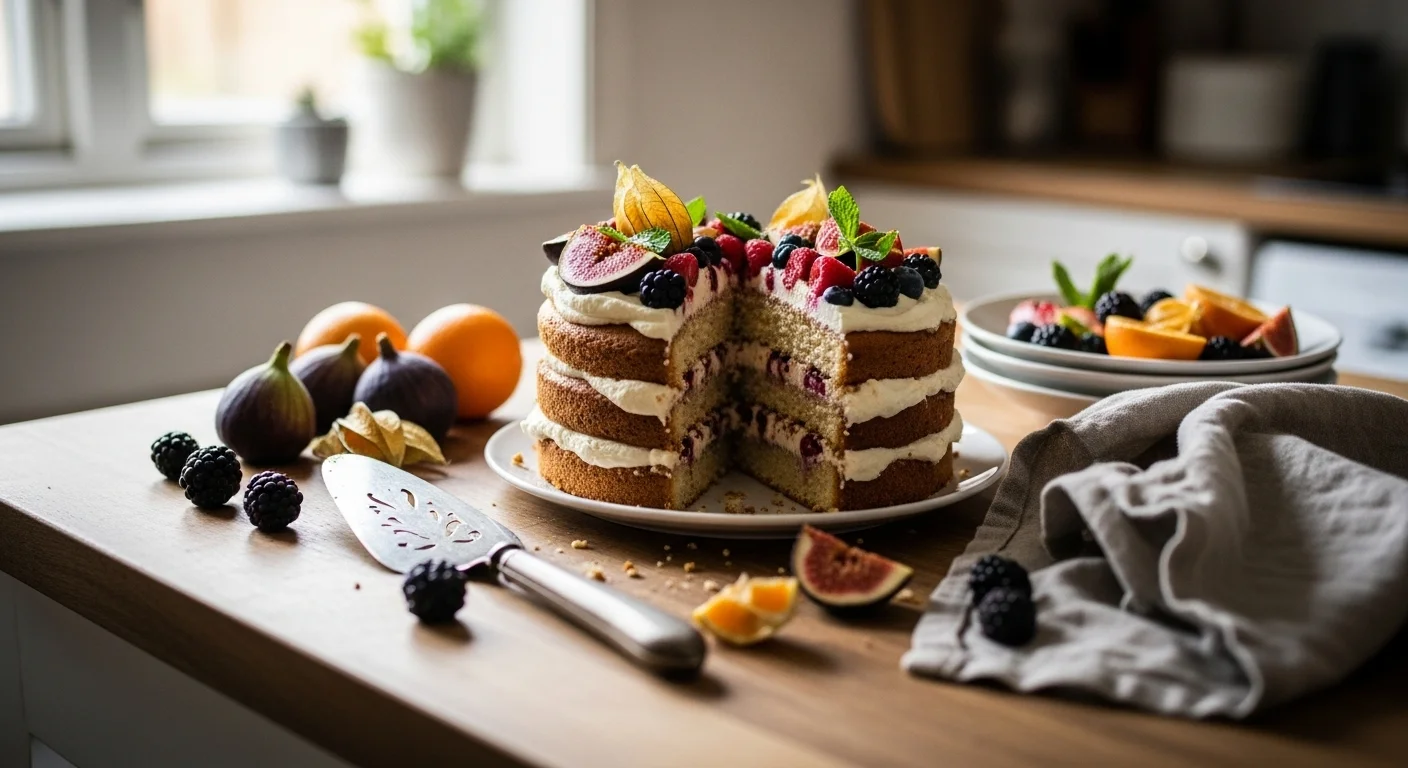
Embracing Seasonal Ingredients for Your Cake
One of the best parts of baking a cake at home is the ability to fully embrace seasonal ingredients. I’ve found that using what’s currently available not only enhances the flavor but also makes the whole experience feel more connected to nature. Whether it’s the vibrant berries of summer, the crisp apples of autumn, or the warm spices of winter, each season brings its own unique offerings that can elevate your baking game. Let me share some insights from my own kitchen adventures in seasonal baking.
Why Seasonal Ingredients Matter
Using seasonal ingredients is not just about flavor; it’s also about sustainability and supporting local farmers. I remember the first time I visited a local farmers’ market. I was overwhelmed by the freshness and variety of produce. I decided to pick up some strawberries, which were in their prime, and I could immediately taste the difference when I baked my cake. Seasonal ingredients are often more flavorful because they are harvested at their peak ripeness. Plus, they tend to be less expensive than out-of-season produce.
Choosing the Right Ingredients
When I think about what to bake, I usually start with the ingredients that are currently in season. In spring, I love to use strawberries and rhubarb. Summer brings an explosion of berries, peaches, and cherries. Come fall, I can’t resist the allure of pumpkin, apples, and spices like cinnamon and nutmeg. Winter might seem more challenging, but I’ve discovered that citrus fruits, like oranges and lemons, can add a refreshing twist to cakes during the colder months.
Here’s a breakdown of some seasonal ingredients I love to use:
- Spring: Strawberries, rhubarb, and lemon.
- Summer: Blueberries, raspberries, peaches, and cherries.
- Fall: Apples, pumpkins, and spices like cinnamon.
- Winter: Citrus fruits like oranges, lemons, and cranberries.
Creating the Perfect Seasonal Cake
Once I’ve selected my seasonal ingredients, it’s time to start baking. I’ve learned that the key to a great seasonal cake is balancing the flavors and textures. For instance, when using berries, I find that a light, fluffy cake pairs beautifully with their natural sweetness. I often opt for a sponge or chiffon cake that lets the fruit shine without overpowering it.
One of my favorite recipes is a strawberry shortcake that highlights the freshness of the strawberries while incorporating a light vanilla sponge. Here’s how I make it:
Ingredients:
- 2 cups fresh strawberries, hulled and sliced
- 1 cup heavy cream
- 1/2 cup sugar
- 3 large eggs
- 1 cup all-purpose flour
- 1/2 cup unsalted butter, melted
- 1 tsp baking powder
- 1 tsp vanilla extract
Instructions:
- Preheat your oven to 350°F (175°C). Grease and flour a round cake pan.
- In a bowl, beat the eggs and sugar until pale and fluffy. Add the melted butter and vanilla extract.
- In a separate bowl, combine the flour and baking powder. Gradually fold the dry ingredients into the wet mixture until just combined.
- Pour the batter into the prepared pan and bake for 25-30 minutes, or until a toothpick comes out clean.
- While the cake cools, whip the heavy cream with a little sugar until soft peaks form.
- Once the cake has cooled, slice it in half, layer it with whipped cream and strawberries, and top it with the other half. Finish with more whipped cream and strawberries on top.
This cake is simple yet elegant, and it really captures the essence of spring. I love how the sweet strawberries and the light, airy cake come together to create a treat that feels refreshing and celebratory.
Experimenting with Flavor Combinations
Baking seasonally also opens the door to experimentation. I often find myself mixing different flavors and textures. For example, during the fall, I might combine apples with warm spices and a hint of caramel. I’ve had great success with an apple cinnamon cake topped with a drizzle of caramel sauce. The warmth of the spices pairs beautifully with the tartness of the apples, creating a cozy dessert that’s perfect for gatherings.
When I’m feeling adventurous, I like to explore different baking methods, such as roasting fruits to bring out their natural sweetness or adding a splash of zest to my batter for an extra kick. I’ve learned that the kitchen is the best place to be creative, and there’s no wrong way to play with flavors.
In my experience, seasonal cakes aren’t just about the final product; it’s the whole process that makes it special. From picking out the freshest ingredients to the aroma that fills the kitchen while baking, each step adds to the joy of creating something delicious. So, let’s embrace the seasons and start baking cakes that truly reflect the time of year!
Tips for Baking Success
Baking can sometimes feel like a science experiment, and I’ve learned a few tips along the way that help me achieve success more consistently. These little tricks have made a big difference in my baking adventures, and I think they could help you too!
Measuring Ingredients Accurately
One of the first lessons I learned was the importance of measuring ingredients accurately. I used to just scoop flour straight from the bag, thinking it was close enough. But then I discovered that using a kitchen scale or proper measuring cups can dramatically change the texture of my cakes. For me, weighing ingredients gives me the most precise results, especially when it comes to flour and sugar. I’ve noticed that using a scale leads to a lighter, fluffier cake.
For dry ingredients, I recommend spooning them into the measuring cup and leveling off with a knife instead of packing them down. I remember the first time I did this with sugar; I couldn’t believe how much lighter and airier my cake turned out! It’s those little changes that can lead to a big difference in your baking.
Understanding Your Oven
Another essential factor in baking is understanding your oven. I’ve had my share of baking mishaps due to inconsistent temperatures. It’s good to know that every oven is a bit different. I invested in an oven thermometer to check the accuracy, and it turned out my oven ran about 25 degrees hotter than the dial indicated! Now, I can adjust my baking times and temperatures accordingly.
When I bake, I also try to rotate my cakes halfway through the baking time. I’ve noticed that this helps them bake evenly, preventing one side from getting too dark while the other remains undercooked. It’s a simple trick, but it can make a world of difference in how your cakes turn out.
Letting Ingredients Reach Room Temperature
Another tip I’ve found helpful is allowing ingredients to come to room temperature before mixing them. It may seem like a small detail, but I’ve learned that this step can lead to better emulsification and a smoother batter. For example, I always take my eggs and butter out of the fridge ahead of time. This way, they mix together more easily, creating a more homogeneous batter that bakes evenly. Plus, I feel like my cakes have a richer flavor because the ingredients blend better.
Don’t Overmix the Batter
When I first started baking, I was so eager to get everything mixed that I would overdo it. Overmixing can lead to dense cakes, which is something I’ve tried to avoid. Now, I focus on mixing until just combined, especially when I add flour. I’ve learned that it’s okay if there are a few lumps; they’ll usually disappear during baking. This approach has led to light and airy cakes that I’m proud to share with friends and family.
Chilling the Cake Layers
After baking, I’ve discovered that chilling my cake layers before frosting makes a huge difference. I used to frost my cakes while they were still warm, which resulted in a mess of melted frosting. Now, I let my cakes cool completely before applying any frosting or filling. I often wrap them in plastic wrap and pop them in the fridge for an hour or so. This makes them easier to handle and results in a much cleaner finish. Plus, I find that chilling the cake helps the flavors meld together nicely.
Experimenting with Frostings and Fillings
While I love a classic buttercream frosting, I’ve found that experimenting with different frostings and fillings can take my seasonal cakes to the next level. For example, I’ve swapped traditional frosting for whipped cream, cream cheese frosting, or even a simple glaze made with powdered sugar and lemon juice. Each option offers a unique flavor profile that complements the cake’s seasonal ingredients.
I also like to add fillings that enhance the cake. A layer of homemade fruit preserves or curd can elevate the flavor and add moisture to the cake. When I made a lemon cake with a raspberry filling, the tartness of the raspberries paired beautifully with the sweet lemon, creating a balance that was simply divine. I love finding ways to highlight the season’s best flavors through my choice of frosting and fillings!
Sharing the Joy of Cake Baking
Lastly, I believe that baking is best enjoyed when shared. Whether I’m bringing a cake to a family gathering or hosting a small tea party with friends, sharing the fruits of my labor adds an extra layer of joy to the experience. I love seeing the smiles on people’s faces as they take their first bite. For me, it’s not just about the cake; it’s about the connections we create over food.
Inviting friends into the kitchen to bake together is one of my favorite pastimes. We swap stories, share tips, and create something delicious together. I’ve found that these moments help strengthen our bonds and create lasting memories. Plus, it’s a great way to inspire others to embrace seasonal baking!
Seasonal Cake Inspirations from Around the World
Baking seasonally opens up a world of flavors and traditions. I find it fascinating how different cultures celebrate the seasons through their cakes and desserts. Each region has its own unique ingredients and techniques that inspire me in my kitchen. Let me share some of my favorite seasonal cake inspirations that I’ve come across in my baking journey.
Spring: The Delicate Charm of Japanese Sakura Cake
Spring brings a sense of renewal, and one of the most beautiful representations of this season is the Japanese sakura cake. The delicate pink cherry blossoms are not only visually stunning but also carry a subtle floral flavor that makes for a delightful cake. I tried making a sakura cake one spring after reading about it, and I was amazed by how the lightness of the cake paired perfectly with the floral notes. I used sakura extract and filled the cake with a light whipped cream frosting to maintain that airy texture.
The process of making the sakura cake reminded me of the importance of embracing local traditions. It made me think about how I could incorporate seasonal ingredients from my own area while celebrating the beauty of spring. I began to experiment by adding my own twist, like using local strawberries to create a layered cake that was both fragrant and fruity. It’s a lovely way to honor the season while staying true to your roots.
Summer: The Refreshing Lemon Lavender Cake
When summer rolls around, I can’t help but crave refreshing flavors. One cake that has become a go-to for me is lemon lavender cake. The bright, zesty lemon combined with fragrant lavender creates a cake that feels like a breath of fresh air. I remember the first time I tried this cake at a summer picnic, and it was an instant hit among my friends!
To make my version, I infuse the cake batter with culinary lavender and use plenty of fresh lemon zest. The result is a moist, citrusy cake that’s perfect for warm summer days. I often pair it with a simple lemon glaze or a light cream cheese frosting. It’s a delightful way to showcase the vibrant flavors of summer and a great excuse to use fresh herbs from my garden!
Fall: The Cozy Appeal of Spice Cake
As the leaves change and the air becomes crisp, I find myself gravitating toward warm spices. One of my absolute favorites is a classic spice cake, filled with cinnamon, nutmeg, and cloves. The aroma that fills my kitchen while it bakes is nothing short of comforting. I can almost feel the cozy vibes of fall wrap around me as I prepare this cake.
For my spice cake, I like to incorporate applesauce, which adds moisture and a hint of sweetness. I usually top it with a cream cheese frosting that complements the spices beautifully. Each bite feels like a warm hug, making it an ideal dessert for gatherings and family get-togethers. I often find that sharing a slice of this cake with loved ones creates a sense of nostalgia and togetherness as we celebrate the season.
Winter: The Richness of Chocolate Orange Cake
Winter is a time for indulgence, and what better way to embrace the season than with a rich chocolate orange cake? I remember the first time I made this cake; the combination of deep chocolate and the bright citrus flavor was a revelation. It felt like a celebration of winter flavors wrapped in a warm, decadent cake.
For my version, I use high-quality cocoa powder and freshly grated orange zest, which adds an incredible depth of flavor. A light orange ganache drizzle on top not only looks beautiful but also enhances the cake’s richness. I often serve it at holiday gatherings, and it’s always a favorite. The contrast of flavors feels festive, and it’s a wonderful way to bring people together during the colder months.
Exploring International Flavors for Seasonal Cakes
As I’ve delved deeper into seasonal baking, I’ve also been inspired by international flavors. Exploring different cultures through their cakes has opened my eyes to new ingredients and techniques. For example, I’ve recently tried my hand at making a traditional Italian Torta della Nonna, which features a custard filling and pine nuts, perfect for a spring celebration. The richness of the custard combined with the crunch of the pine nuts creates a wonderful texture.
I’ve also enjoyed experimenting with Scandinavian cakes, like the Swedish Prinsesstårta, or princess cake, which is a beautiful layered cake covered in marzipan and filled with pastry cream and raspberry jam. The aesthetics of this cake are stunning, and it’s a fantastic conversation starter at gatherings!
Baking seasonal cakes from around the world has not only expanded my palate but also deepened my appreciation for the diverse ways we can celebrate the seasons. I truly believe that by embracing these international inspirations and blending them with local ingredients, we can create unique cakes that tell our own stories while honoring the world around us.
As I reflect on all these experiences, I’m excited to keep exploring and discovering new seasonal flavors. Each cake I bake tells a story, and I can’t wait to see where my baking journey takes me next!
Frequently Asked Questions
“`htmlWhat are the benefits of using seasonal ingredients in baking?
Using seasonal ingredients enhances flavor, supports sustainability, and helps local farmers. Seasonal produce is often more flavorful as it’s harvested at peak ripeness and tends to be less expensive than out-of-season options.
What seasonal ingredients are recommended for spring baking?
In spring, it is recommended to use strawberries, rhubarb, and lemon for baking. These ingredients can elevate the flavors of cakes during this season.
How can I create a perfect seasonal cake?
To create a perfect seasonal cake, balance flavors and textures. For example, a light, fluffy cake pairs beautifully with the natural sweetness of berries. A sponge or chiffon cake is often a good choice for showcasing seasonal ingredients.
What is a classic recipe for a seasonal cake?
A classic recipe for a seasonal cake is a strawberry shortcake, which includes fresh strawberries, heavy cream, sugar, eggs, all-purpose flour, unsalted butter, baking powder, and vanilla extract. This cake captures the essence of spring with its light vanilla sponge and fresh strawberries.
What tips can help ensure success in baking?
Some tips for successful baking include measuring ingredients accurately, understanding your oven’s temperature, allowing ingredients to reach room temperature, not overmixing the batter, and chilling cake layers before frosting.
Why is it important to measure ingredients accurately?
Measuring ingredients accurately is crucial because it can dramatically affect the texture of cakes. Using a kitchen scale provides precise results, leading to lighter and fluffier cakes.
How can I enhance the flavors of my cakes?
Enhancing flavors can be achieved by experimenting with different frostings and fillings, such as using whipped cream, cream cheese frosting, or homemade fruit preserves. Adding zest or roasted fruits can also elevate the taste of your cakes.
What is a unique cake to try for summer?
A unique cake to try for summer is a lemon lavender cake, which combines zesty lemon with fragrant lavender to create a refreshing dessert perfect for warm days.
What are some seasonal cake inspirations from around the world?
Seasonal cake inspirations include the Japanese sakura cake for spring, lemon lavender cake for summer, spice cake for fall, and chocolate orange cake for winter. Each cake reflects the flavors and traditions of its season.
How can sharing baked goods enhance the experience?
Sharing baked goods enhances the experience by creating connections with others. It adds joy to the baking process and fosters relationships, making the act of baking more meaningful and memorable.
“`