
As someone navigating the complexities of diabetes, I’ve learned that balancing my plate is crucial for managing my health. This visual guide will help you create diabetes-friendly meals that not only nourish but also delight.
Understanding the Basics of a Diabetes-Friendly Plate
When I first began my journey with diabetes, I often felt overwhelmed by the plethora of dietary advice available. However, I quickly realized that simplifying my approach was key. One of the most effective ways I found to manage my meals is by visualizing my plate. This method allows me to see what I’m consuming at a glance, making it easier to make healthier choices. The plate method focuses on portion sizes and food types, ensuring I balance carbohydrates, proteins, and fats appropriately.
The Plate Method Explained
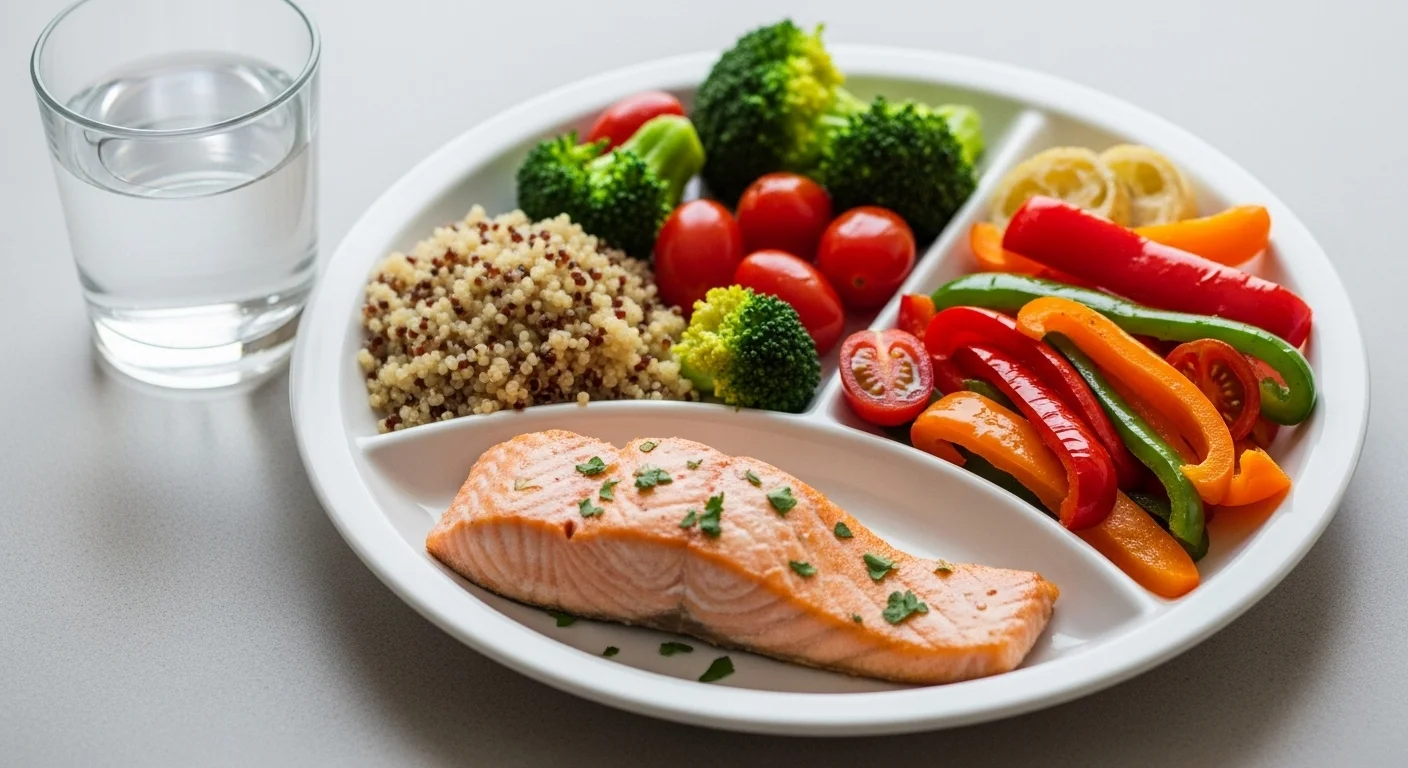
The plate method involves dividing your plate into sections that reflect the food groups I need to focus on for a balanced meal. I typically use a standard dinner plate and visualize it as follows:
- Half of the plate: Non-starchy vegetables
- One-quarter of the plate: Lean proteins
- One-quarter of the plate: Whole grains or starchy vegetables
This simple division helps me include a variety of nutrients while keeping my carbohydrate intake in check. Non-starchy vegetables, like spinach, broccoli, and peppers, are not only low in calories but also packed with vitamins and minerals. I often aim to fill my plate with a colorful array of vegetables, which also makes my meals visually appealing.
Choosing Non-Starchy Vegetables
Incorporating non-starchy vegetables into my meals has been a game changer. I love that they are low in carbohydrates, making them perfect for my dietary needs. Some of my favorite choices include:
- Leafy greens (kale, spinach, romaine)
- Cruciferous vegetables (broccoli, cauliflower, Brussels sprouts)
- Peppers (bell peppers, jalapeños)
- Cucumbers and celery
- Zucchini and eggplant
These vegetables can be enjoyed raw in salads, steamed, roasted, or stir-fried. Each preparation method brings out different flavors, providing variety in my meals. I often experiment with herbs and spices, enhancing the taste without adding extra calories or carbohydrates.
Protein Power
The next quarter of my plate is dedicated to lean proteins. This includes options like:
- Skinless poultry (chicken, turkey)
- Fish (salmon, tuna, sardines)
- Plant-based proteins (tofu, tempeh, legumes)
- Lean cuts of beef or pork (sirloin, tenderloin)
Incorporating quality protein into my meals helps keep me satisfied and supports muscle health. I’ve found that preparing my proteins with healthy cooking methods, such as grilling or baking, prevents excess fat and calories. For instance, I love marinating chicken in lemon juice and herbs before grilling it, which adds flavor without the guilt.
Whole Grains and Starchy Vegetables
Finally, I fill the last quarter of my plate with whole grains or starchy vegetables. It’s crucial for me to choose complex carbohydrates that have a lower glycemic index. My go-to options include:
- Brown rice and quinoa
- Whole grain bread and pasta
- Sweet potatoes and corn
- Legumes (beans, lentils, chickpeas)
These foods provide me with sustained energy and essential nutrients. I always pay attention to portion sizes, as even healthy carbohydrates can impact my blood sugar levels. A helpful tip I follow is measuring out my servings to avoid overindulging. For example, I might aim for half a cup of cooked quinoa or a small sweet potato.
Adding Healthy Fats
While not a specific section of my plate, I make room for healthy fats in my meals. These fats, found in foods like avocados, nuts, seeds, and olive oil, contribute to heart health and can help me feel fuller longer. I often sprinkle a handful of walnuts on my salads or drizzle olive oil over roasted vegetables to enhance flavor and nutrition. However, I remain mindful of portion sizes, as fats are calorie-dense.
Staying Hydrated
No meal is complete without proper hydration. I’ve learned the importance of drinking water throughout the day, especially during meals. While I enjoy herbal teas and occasional sparkling water, I mostly stick to plain water to keep my caloric intake low. Staying hydrated helps with digestion and can even prevent me from mistaking thirst for hunger.
As I embrace the plate method, I find that I’m not only better managing my blood sugar levels but also enjoying my meals more. By visualizing my plate and focusing on balance, I’m empowered to make choices that support my health and well-being. The next sections will dive deeper into meal planning strategies and delicious recipes that align with this approach.
Meal Planning Strategies for Success
As I delved deeper into managing my diabetes, I discovered that meal planning was an invaluable tool for maintaining my health. Planning ahead not only saves time during busy weeks but also helps me avoid impulsive decisions that might lead to unhealthy eating. Here are some strategies that have worked wonders for me.
Creating a Weekly Menu
Every Sunday, I sit down and create a weekly menu. I take into account what ingredients I already have on hand, which reduces waste and keeps my grocery bill in check. I usually focus on themes for each day, such as “Meatless Monday” or “Fish Friday,” which provides variety and keeps things interesting. By planning out my meals, I can ensure I’m hitting all the necessary food groups while keeping my blood sugar levels stable.
Batch Cooking and Prepping
One of the best practices I’ve adopted is batch cooking. I spend a couple of hours preparing meals for the week, which has significantly reduced the stress of daily cooking. I often cook a large portion of brown rice or quinoa and store it in the fridge for quick access. I also roast a mix of non-starchy vegetables that I can easily toss into salads, grain bowls, or serve alongside proteins for a balanced meal. This prep work saves me time during the week and ensures I always have healthy options available.
Smart Snacking
Snacking can sometimes throw me off course, but I’ve learned to be strategic about it. I make a list of diabetes-friendly snacks that I keep on hand, such as:
- Raw veggies with hummus
- Greek yogurt topped with berries
- Nuts and seeds (in moderation)
- Whole grain crackers with avocado
Having these snacks readily available helps me resist the temptation of reaching for less healthy options when hunger strikes. I often portion out snacks into small containers, so I’m less likely to overindulge.
Utilizing Leftovers
I’ve embraced leftovers as not only a time-saver but also a way to reduce food waste. I often prepare extra portions of dinner so that I can enjoy them for lunch the next day. For example, if I make a stir-fry with chicken and vegetables, I’ll pack up the extras in a container for a ready-made meal. I also love transforming leftovers into something new; for instance, I can turn leftover roasted vegetables into a frittata or a grain bowl.
Delicious Recipes to Try
Now that I’ve shared my meal planning strategies, I’d like to highlight a few recipes that align perfectly with my plate method. These dishes are not only healthy but also flavorful and satisfying.
Quinoa & Black Bean Salad
This salad is a fantastic option for lunch or dinner. It’s packed with protein, fiber, and plenty of veggies.
- 1 cup cooked quinoa
- 1 can black beans (rinsed and drained)
- 1 cup diced bell peppers
- 1 cup chopped cilantro
- Juice of 1 lime
- Salt and pepper to taste
I mix all the ingredients in a large bowl, and it’s ready to serve! The lime juice adds a refreshing kick, making it perfect for warm days.
Grilled Salmon with Roasted Veggies
This dish is a staple in my meal rotation. It’s simple to prepare and bursting with flavor.
- 2 salmon fillets
- 2 cups mixed vegetables (zucchini, asparagus, and bell peppers)
- 2 tablespoons olive oil
- Salt, pepper, and your favorite herbs (like dill or thyme)
I drizzle the olive oil over the vegetables and season everything before roasting at 400°F for about 20 minutes. I grill the salmon for about 6-8 minutes on each side for a delicious, flaky texture. It’s a balanced meal that I can enjoy any time of year.
Sweet Potato & Chickpea Curry
This hearty curry is one of my go-to comfort foods, especially on chilly evenings.
- 1 medium sweet potato, diced
- 1 can chickpeas (rinsed and drained)
- 1 can coconut milk
- 1 tablespoon curry powder
- 2 cups spinach
- Salt to taste
I sauté the sweet potato until slightly tender, then add the chickpeas, coconut milk, and curry powder. After simmering for about 15 minutes, I stir in the spinach until wilted. It’s rich, satisfying, and full of nutrients.
These recipes not only fit perfectly within my plate method but also keep me excited about eating healthy. I encourage you to try them out and adapt them to your tastes.
Final Thoughts
Embracing a diabetes-friendly diet is a journey that involves learning, experimenting, and adjusting along the way. By utilizing the plate method and incorporating meal planning strategies, I’ve found that managing my health can be both effective and enjoyable. With the right approach, I’m empowered to make choices that nourish my body and satisfy my palate.