
Have you ever wondered if you could whip up a delicious loaf of sourdough bread using just sourdough discard? You’re not alone! Let’s dive into this exciting baking adventure together.
Understanding Sourdough Discard
What is Sourdough Discard?
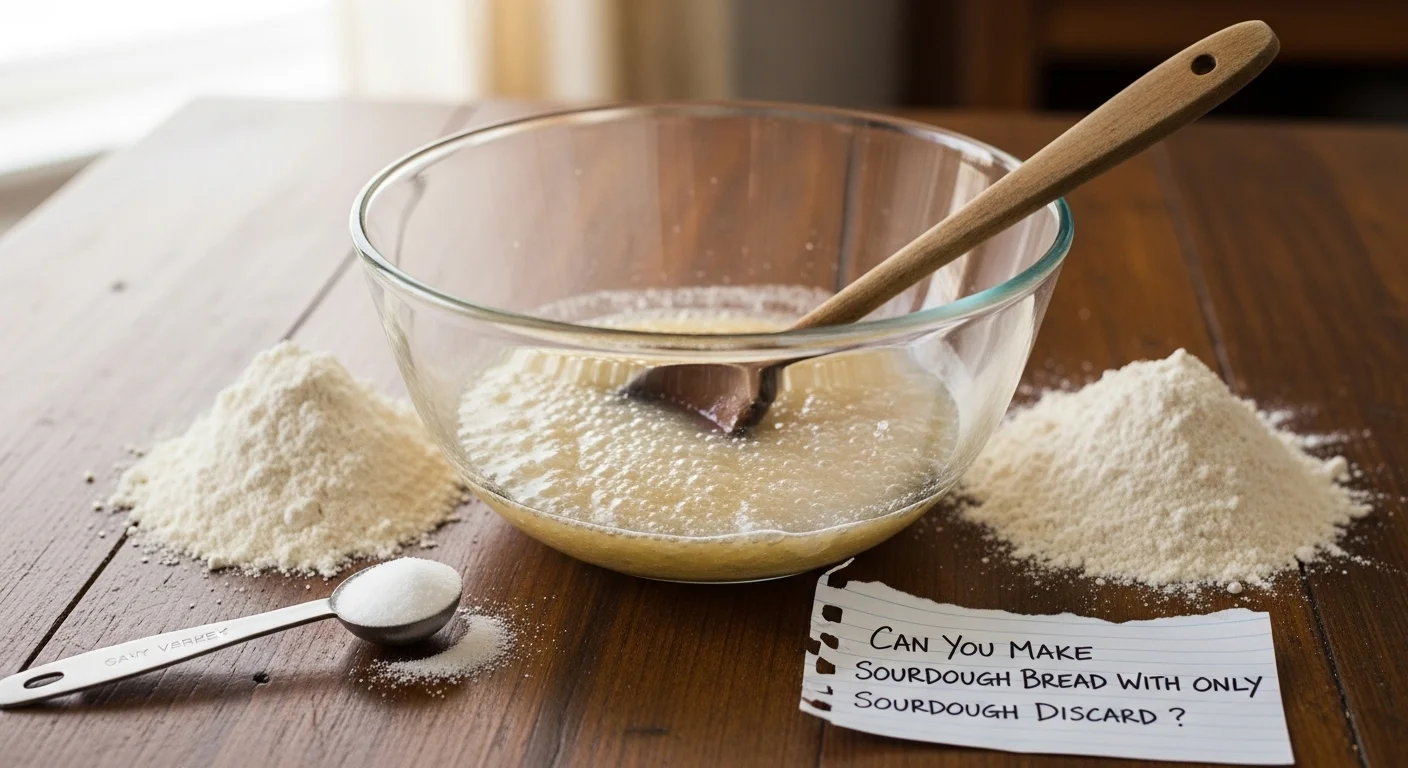
Sourdough discard refers to the portion of your sourdough starter that you remove during the feeding process. When you maintain a sourdough starter, it’s essential to feed it regularly with flour and water to keep it active and bubbly. However, this means that you often end up tossing out a part of the starter before adding fresh flour. This “discard” doesn’t have to go to waste; instead, it can be transformed into something delicious. I remember the first time I heard about sourdough discard—I felt like I had stumbled upon a hidden treasure in my kitchen! It’s a versatile ingredient that can add flavor and texture to various baked goods, making it an exciting addition to any baker’s repertoire. You can even use it to make The Best Sourdough Discard Zucchini Bread (Incredibly Moist).
Benefits of Using Sourdough Discard
One of the biggest advantages of using sourdough discard is reducing waste. I always struggled with the guilt of throwing away that extra starter. By incorporating it into my baking, I felt like I was making the most of my ingredients. Not only does sourdough discard help minimize waste, but it also enhances the flavor of your baked goods. The natural fermentation process contributes a delightful tanginess that you simply can’t get from commercial yeast. Plus, it introduces beneficial bacteria and wild yeast into your bread, giving it that characteristic sourdough flavor. I’ve found that using discard has allowed me to create loaves that are not only tasty but also have a great texture and chew. For more ideas, you might want to check out Quick Sourdough Discard Flatbread (No Yeast Needed).
Common Misconceptions About Sourdough Discard
There are several misconceptions surrounding sourdough discard. Many people think it’s useless or that it has gone bad, but that’s simply not true. Discard can still be used even if it’s been sitting in the fridge for a week or two. I’ve learned that as long as your starter was healthy before you set it aside, it should be perfectly fine to use. Another common myth is that you can only bake bread with fresh starter. I was surprised to discover that, with a little creativity, you can make all sorts of baked goods using discard. From pancakes to cookies, the possibilities are endless! Embracing the versatility of sourdough discard has opened up a whole new world of baking for me.
Ingredients and Tools Needed
Essential Ingredients for Sourdough Bread
When making sourdough bread with only discard, you’ll need a few essential ingredients. Of course, the star of the show is your sourdough discard, but you’ll also need some all-purpose flour or bread flour. I personally prefer using bread flour for its higher protein content, which results in a chewier texture. Additionally, you’ll need water—preferably at room temperature—to help bring everything together. Lastly, a pinch of salt is crucial for flavor. Salt not only enhances the taste but also strengthens the gluten structure in your dough. I’ve experimented with different flour types, and each one gives a unique flavor and texture to the finished bread.
Recommended Tools for Baking with Discard
Having the right tools makes the process much smoother. At the very least, you’ll need a mixing bowl, a whisk or spoon for mixing, and a clean surface for kneading the dough. I also highly recommend having a kitchen scale on hand to weigh your ingredients accurately; it really makes a difference in the final product. A bench scraper is another handy tool for cutting and shaping the dough. If you’re looking to bake your bread in a home oven, a Dutch oven is a fantastic investment. It creates a steamy environment that mimics a professional bread oven, resulting in a beautifully crusty loaf. Over time, I’ve gathered my favorite tools, making the baking process more enjoyable and efficient.
Can You Make Sourdough Bread with Only Discard?
Overview of the Sourdough Baking Process
Now, the big question: can you really make sourdough bread with just discard? The answer is a resounding yes! The process is similar to traditional sourdough baking, with some slight adjustments. First, you’ll mix your sourdough discard with the other ingredients to create your dough. After that, you’ll let it rise, shape it, and then finally bake it. The beauty of using discard is that it often makes the process a bit more forgiving. I’ve found that even if I miss a rise time or two, my bread still turns out delicious.
Texture and Flavor Differences Compared to Traditional Sourdough
While bread made entirely from discard may not have the same depth of flavor as traditional sourdough made from a fully mature starter, it still delivers a pleasant tanginess and texture. I’ve noticed that the loaves tend to be a bit denser than those made with a fully active starter, which can be a delightful surprise. The crust may not be quite as crisp either, but don’t let that deter you! Each loaf has its own unique charm, and I’ve learned to appreciate the differences rather than compare them to their traditional counterparts.
Types of Bread You Can Make with Discard
There is a myriad of bread types you can create using sourdough discard. My favorites include simple sourdough discard loaves, focaccia, and even bagels! The versatility of discard allows you to experiment and find what works best for your taste. I remember trying to make pancakes with discard for breakfast one morning, and to my delight, they turned out fluffy and packed with flavor. I was amazed at how one ingredient could lead to so many delicious options! You can also try making Moist Sourdough Discard Banana Bread (A Fan Favorite).
Step-by-Step Guide to Making Sourdough Bread with Discard
Preparing the Discard
Before we dive into the actual baking process, let’s talk about how to prepare your sourdough discard. I always make sure my discard is at room temperature before using it. This helps activate the yeast and bacteria, giving my bread a better rise and flavor. If you’re using discard that has been in the fridge, let it sit out for a couple of hours. I usually take mine out in the morning when I start my day, letting it warm up while I go about my routine. Once it’s at room temperature, I give it a good stir to incorporate any liquid that may have formed on top, which is completely normal. Trust me, taking these small steps can significantly improve the outcome of your bread!
Mixing Ingredients
Once your discard is ready, it’s time to mix the ingredients. I like to start by measuring out my flour, water, and salt in separate bowls. For a standard loaf, I typically use about 1 cup of sourdough discard, 2 cups of flour, and roughly ¾ cup of water. I prefer adjusting the water based on how thick my discard is; if it looks a bit runny, I reduce the water slightly. I often mix the flour and salt together first, then slowly add my sourdough discard along with the water, stirring with a spatula or wooden spoon until everything is combined. It’s a straightforward process, but I love watching the dough start to come together. I always find it fascinating how these simple ingredients can create something so delicious!
Kneading and Proofing the Dough
After mixing, the next step is kneading the dough. I typically turn it out onto a floured surface and knead it for about 8-10 minutes. At this stage, I’m really in my happy place; there’s something therapeutic about kneading dough. If you’ve never tried it, I encourage you to give it a shot! Just push and fold, push and fold until the dough is smooth and elastic. Once that’s done, I place the dough in a lightly greased bowl, cover it with a damp cloth, and set it aside to proof. The first rise usually takes about 1 to 2 hours, depending on the room temperature. I love this part because it’s always exciting to see how much the dough expands. If it doubles in size, I know I’m on the right track!
Baking Techniques and Tips
When it comes time to bake, I preheat my oven to 450°F (about 230°C) and place my Dutch oven inside to heat up as well. This is where the magic happens! Once the oven is hot, I carefully remove the Dutch oven, and using a bench scraper, I shape my dough into a round or oval loaf and transfer it to a piece of parchment paper. This makes it easier to lift into the pot. Before placing it in the oven, I love to score the top with a sharp knife or razor blade. This not only looks pretty but also lets the bread expand as it bakes.
I cover the Dutch oven with its lid and pop it in the oven for 30 minutes. This creates a steamy environment that helps develop a crusty exterior. After 30 minutes, I remove the lid and bake for an additional 15 to 20 minutes until the bread is golden brown. The aroma that fills my kitchen during this time is simply heavenly! I’ve learned that letting the bread cool completely before slicing is key to achieving the best texture. It’s hard to wait, but trust me, it’s worth it!
Variations and Recipes
Basic Sourdough Discard Bread Recipe
Now that we’ve covered the basics, let’s dive into a simple recipe for sourdough discard bread. Here’s what you’ll need:
- 1 cup sourdough discard (room temperature)
- 2 cups bread flour
- ¾ cup water (adjust as needed)
- 1 teaspoon salt
Follow the steps outlined above for mixing, kneading, and baking, and you’ll have a lovely loaf to enjoy in no time. I love to slather mine with butter, or use it for sandwiches. Just thinking about it makes my mouth water!
Flavored Sourdough Discard Bread Ideas
If you’re feeling adventurous, I highly recommend adding flavors to your bread! You can incorporate ingredients like herbs, garlic, cheese, or even nuts and seeds. I once added some fresh rosemary and garlic to my dough, and the smell while it was baking was incredible. Another favorite is mixing in some shredded cheese; it creates a delightful savory bread that pairs beautifully with soups or salads.
Using Discard in Other Baked Goods
Don’t forget, sourdough discard isn’t just for bread! I’ve had great success using it in pancakes, muffins, and even cookies. For pancakes, I mix my discard with flour, milk, and an egg, and the result is fluffy, tangy pancakes that are a hit at breakfast. Muffins made with discard are equally delicious; I often toss in some berries or chocolate chips for an extra treat. The versatility of sourdough discard has transformed my baking routine and opened up a world of possibilities!
Common Challenges and Solutions
Dealing with Underproofed Dough
One challenge I’ve faced when baking with sourdough discard is underproofed dough. This happens when the dough hasn’t risen enough during the proofing phase, resulting in a dense loaf. I remember the first time I encountered this issue; I was so excited to bake, but when I cut into the bread, it was surprisingly heavy and gummy inside. Since then, I’ve learned a few tricks to help with underproofing. One solution is to simply give the dough more time to rise. If you’re unsure, you can perform the “poke test.” Gently poke the dough with your finger; if it springs back slowly and leaves a slight indent, it’s ready to bake. I’ve found that patience is key here—sometimes the dough just needs a little extra love and time to reach its full potential.
Addressing Overly Dense Bread
Another issue I’ve encountered is making bread that turns out too dense. While I love a hearty loaf, sometimes it’s a bit too much. Dense bread can result from several factors, such as not incorporating enough air during kneading or not allowing the dough to rise long enough. To avoid this, I make sure to knead my dough thoroughly until it feels elastic and smooth. I’ve also discovered that using bread flour, with its higher protein content, can help create a better structure. If my bread still turns out dense, I consider adjusting the hydration level by adding a bit more water next time. It’s all about finding the right balance, and each baking session teaches me something new!
Managing Discard Storage and Usage
Managing sourdough discard can feel overwhelming at times, especially if I bake regularly. I used to struggle with figuring out how much starter to keep and how to use it all before it went bad. To tackle this, I’ve developed a simple routine: I try to keep my discard in the fridge, where it can last longer. When I open the container, I’ll mix it up and take out what I need for baking, then feed it again. This way, I always have a fresh supply ready to go. I’ve also started planning my baking schedule around the amount of discard I have; for example, if I know I’ll be baking bread on the weekend, I’ll make sure to save enough discard during the week. It’s made my baking more efficient and less stressful!
FAQs About Sourdough Discard and Bread Making
How Long Can You Store Sourdough Discard?
One question I get often is how long you can store sourdough discard. From my experience, you can keep it in the fridge for about one to two weeks. However, if you notice any off smells or signs of mold, it’s best to toss it out. I like to check on my discard every few days, stirring it to keep it lively. When I’m ready to use it, I always let it come to room temperature and give it a good stir to reactivate those yeasty wonders.
Can You Use Sourdough Discard in Other Recipes?
Absolutely! I’ve had a blast experimenting with sourdough discard beyond just bread. It works wonderfully in pancakes, muffins, and even cookies. One of my favorite recipes is for sourdough chocolate chip cookies; they come out chewy with a hint of tanginess that elevates the classic flavor. I love sharing these with friends and family—they’re always surprised to learn that the delicious taste comes from sourdough discard!
Is It Safe to Use Discard from a Healthy Starter?
Yes, it is perfectly safe to use discard from a healthy starter! I always check the smell and consistency before using it. If your starter has been well cared for and shows no signs of spoilage, then your discard is good to go. It’s actually a great way to get the benefits of fermentation without needing a fully matured starter. I’ve found that using healthy discard not only enhances my baked goods but also gives me peace of mind knowing I’m using something fresh and safe!
Frequently Asked Questions
What is sourdough discard?
Sourdough discard refers to the portion of your sourdough starter that you remove during the feeding process. It is the part of the starter that is tossed out before adding fresh flour but can be transformed into delicious baked goods.
What are the benefits of using sourdough discard?
Using sourdough discard helps reduce waste and enhances the flavor of baked goods with a delightful tanginess. It also introduces beneficial bacteria and wild yeast into your bread, contributing to its characteristic sourdough flavor.
Can I use sourdough discard that has been in the fridge for a week or two?
Yes, sourdough discard can still be used even if it has been in the fridge for a week or two, as long as the starter was healthy before it was set aside.
What essential ingredients do I need for sourdough bread using only discard?
You will need sourdough discard, all-purpose flour or bread flour, water (preferably at room temperature), and a pinch of salt.
What tools are recommended for baking with sourdough discard?
Essential tools include a mixing bowl, a whisk or spoon for mixing, a clean surface for kneading, a kitchen scale for accurate measurement, a bench scraper for shaping the dough, and a Dutch oven for baking.
Can you make sourdough bread with only discard?
Yes, you can make sourdough bread with just discard. The process is similar to traditional sourdough baking, with some adjustments, and it can be more forgiving if you miss a rise time.
What types of bread can I make using sourdough discard?
You can create various types of bread using sourdough discard, including simple sourdough discard loaves, focaccia, and bagels. The possibilities are vast!
What should I do if my dough is underproofed?
If your dough is underproofed, give it more time to rise. You can perform the “poke test” to check its readiness; if it springs back slowly and leaves a slight indent, it’s ready to bake.
How long can you store sourdough discard?
You can store sourdough discard in the fridge for about one to two weeks. Always check for off smells or signs of mold, and if present, it’s best to discard it.
Is it safe to use discard from a healthy starter?
Yes, it is safe to use discard from a healthy starter, as long as it shows no signs of spoilage. Healthy discard enhances baked goods and provides the benefits of fermentation.