
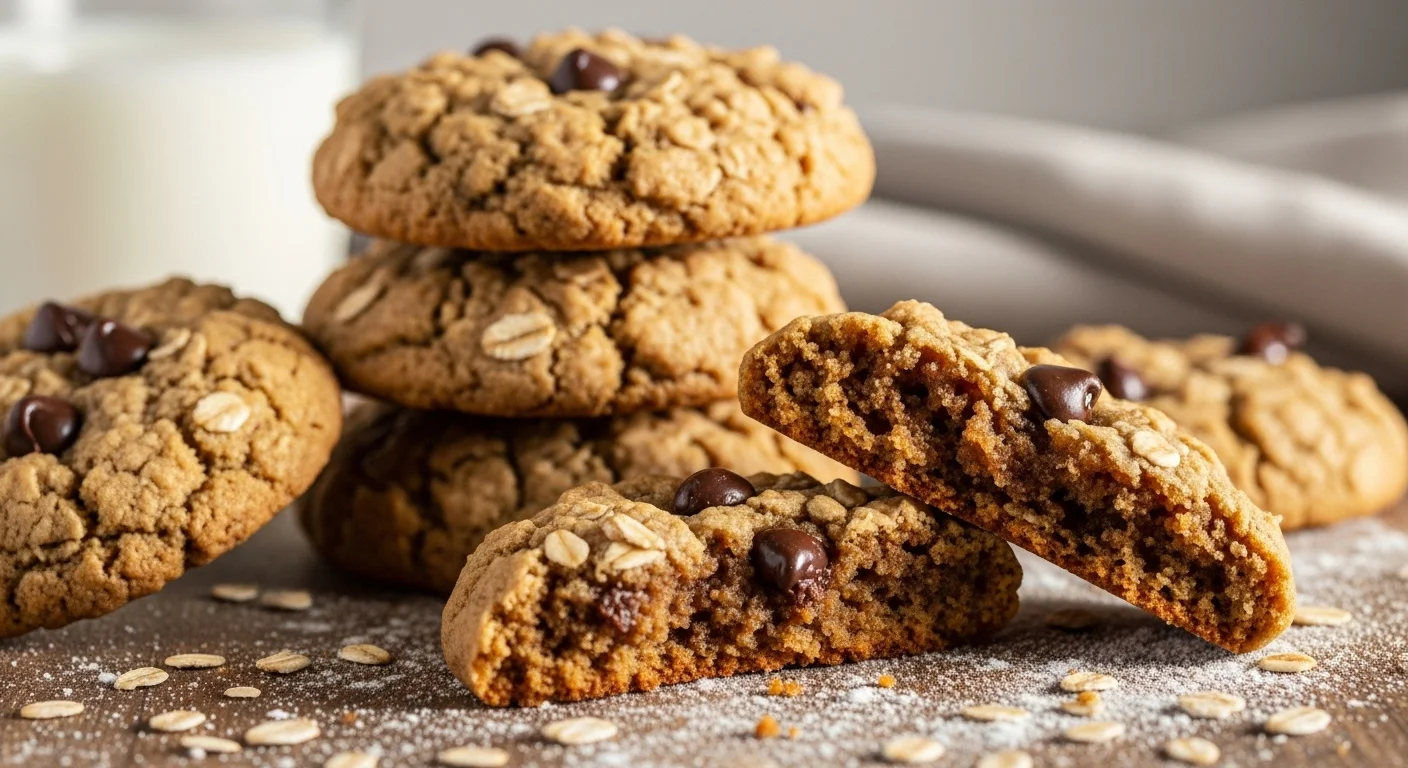
Get ready to indulge in the chewy goodness of gluten-free oatmeal cookies that are even better than the classic version! These cookies are not only delicious but also packed with wholesome ingredients that make them a guilt-free treat. If you’re looking for more unique gift ideas, check out 18 Delicious DIY Holiday Food Gifts to Share.
Understanding Gluten-Free Baking
Baking gluten-free can seem daunting at first, especially if you’re used to traditional recipes that rely heavily on wheat flour. I remember when I first started exploring gluten-free baking; I was amazed at the variety of options available. Understanding the basics of gluten-free baking is crucial for whipping up delightful treats like chewy gluten-free oatmeal cookies.
What is Gluten and Why Avoid It?
Gluten is a protein found in wheat, barley, and rye. For many people, gluten poses serious health risks, particularly for those with celiac disease or gluten sensitivity. I started to notice how my own digestive health improved after cutting out gluten. Even if you don’t have a specific intolerance, many find that reducing gluten can lead to a lighter feeling after meals. It has definitely changed my perspective on baking!
Common Gluten-Free Flours and Their Uses
When switching to gluten-free baking, the first thing I learned was that various flours can mimic the texture and flavor of wheat flour. Here are some of my favorites:
- Almond Flour: This nutty flour adds moisture and a rich flavor, making it perfect for cookies.
- Coconut Flour: This is very absorbent, so you’ll need to adjust the liquid in your recipes. It brings a subtle sweetness.
- Rice Flour: A staple in gluten-free baking, rice flour is versatile and works well in most baked goods.
- Oat Flour: Made from ground oats, this flour brings a lovely texture and flavor, which is why it’s an essential ingredient in my oatmeal cookies.
Each flour has its unique properties, and experimenting with combinations can lead to wonderful results. It’s a journey I truly enjoy, discovering what works best for my recipes!
The Role of Oats in Gluten-Free Baking
Oats are a fantastic addition to gluten-free baking for several reasons. First, they provide a chewy texture that I absolutely love in cookies. You can find gluten-free oats specifically processed to avoid cross-contamination with gluten-containing grains. This was a game-changer for me when I realized I could still enjoy oatmeal in my baking.
Oats are not just about texture; they also offer nutritional benefits. They are a good source of fiber, which is great for digestion. I noticed that incorporating oats into my diet helped keep me feeling fuller for longer, which is always a plus when we’re craving something sweet! Not to mention, oats are rich in antioxidants and can help lower cholesterol levels, making them a heart-healthy choice for baking.
Why Choose Chewy Oatmeal Cookies?
Chewy oatmeal cookies have a unique charm that sets them apart from classic cookies. When I first tried a chewy version, I was hooked! The combination of textures and flavors is simply irresistible.
Texture and Flavor Differences Compared to Classic Cookies
Let’s be honest: classic cookies can sometimes be too crisp or crumbly for my taste. Chewy oatmeal cookies strike the perfect balance. They are soft, tender, and have that satisfying bite that I crave. The oats add a delightful chewiness, which I think elevates the cookie experience. Plus, the warm, toasty flavor of oats brings a comfort that classic cookies often lack.
Health Benefits of Oatmeal Cookies
Beyond their deliciousness, oatmeal cookies can be a healthier dessert option. By using wholesome ingredients like oats, nuts, and natural sweeteners, I find that they can be more nourishing than traditional cookies. They often contain less refined sugar, and the oats provide essential nutrients. Whenever I indulge in these cookies, I feel good knowing I’m enjoying a treat that’s not just empty calories.
Ingredient Variations for Enhanced Flavor
One of the joys of baking is the opportunity to customize. I love experimenting with different ingredients to create unique flavors in my oatmeal cookies. Sometimes, I’ll add a pinch of cinnamon or nutmeg for warmth. Other times, I find that mixing in dried cranberries or chopped nuts can introduce exciting textures and tastes. It’s a creative outlet that allows me to make each batch special and tailored to my preferences.
Whether you’re a seasoned baker or just starting out, understanding the fundamentals of gluten-free baking can help you create delicious chewy oatmeal cookies that are better than the classic versions. I believe that with a bit of practice and experimentation, anyone can master the art of gluten-free baking and enjoy scrumptious treats that cater to their dietary needs! If you’re looking for more ideas on baked goods, check out 25 Delicious Baked Treats to Mail to Family.
Key Ingredients for Chewy Gluten-Free Oatmeal Cookies
When it comes to making chewy gluten-free oatmeal cookies, choosing the right ingredients is key. Each component plays a vital role in achieving that perfect texture and flavor that makes these cookies irresistible. I’ve spent quite a bit of time experimenting with different ingredients, and I’m excited to share what I’ve learned!
Gluten-Free Oats: Choosing the Right Type
First things first, let’s talk about oats. As I mentioned earlier, not all oats are created equal when it comes to gluten-free baking. It’s crucial to choose certified gluten-free oats to avoid any cross-contamination with gluten-containing grains. I always check the packaging to ensure they’re labeled as gluten-free. This little detail makes a big difference for those of us with sensitivities.
There are generally two types of oats you can use: rolled oats and quick oats. Rolled oats are thicker and provide a heartier texture, which I love for chewy cookies. Quick oats, on the other hand, are thinner and can create a softer, less chewy cookie. I usually opt for rolled oats for that perfect bite, but experimenting with both can lead to interesting results!
Sweeteners: Natural vs. Refined Sugar
Next, we have sweeteners. I used to rely heavily on refined sugars, but I have since discovered the joys of using natural sweeteners like maple syrup, honey, or coconut sugar. These options add a unique flavor and can sometimes be healthier alternatives. For instance, maple syrup gives my cookies a delightful caramel-like taste. I find that they often require less sugar than traditional recipes, which is a win in my book!
When I bake, I like to mix sweeteners to achieve the perfect balance. Sometimes I use a bit of brown sugar for that classic cookie flavor while adding some honey for moisture. It’s all about finding what works for you and creating that delightful sweetness without going overboard.
Binding Agents: Eggs, Flaxseed, and Alternatives
Every cookie needs a binding agent to hold everything together, and in gluten-free baking, this can be a bit tricky. Traditionally, eggs are the go-to choice, adding moisture and helping the cookies rise. However, I’ve also experimented with flaxseed meal as a vegan alternative. To make a flax egg, I mix one tablespoon of flaxseed meal with three tablespoons of water and let it sit for a few minutes until it thickens. It works surprisingly well, keeping the cookies chewy and delicious!
If you’re looking for egg alternatives, chia seeds and applesauce can also do the trick. I find that using applesauce not only helps bind the ingredients but also adds a touch of natural sweetness and moisture, which is perfect for oatmeal cookies.
Flavor Enhancers: Spices, Nuts, and Dried Fruits
Last but not least, let’s explore the flavor enhancers that can take your oatmeal cookies to the next level. Spices like cinnamon and nutmeg not only complement the oats beautifully but also add warmth and depth to the flavor. I often sprinkle a little cinnamon into my dough, and it makes such a difference!
Nuts and dried fruits are fantastic additions as well. I love adding walnuts or pecans for crunch and texture, while dried cranberries or raisins bring a hint of sweetness. Sometimes, I even mix in chocolate chips for a decadent twist! It’s amazing how these small additions can elevate the overall taste and make each batch unique.
Creating chewy gluten-free oatmeal cookies is all about selecting the right ingredients and being open to experimentation. I’ve enjoyed the process of trying new combinations and discovering what works best for my taste buds. Remember, it’s all part of the fun, and I encourage you to get creative with your own batches!
Step-by-Step Recipe for Chewy Gluten-Free Oatmeal Cookies
Now that we’ve talked about the ingredients and the joys of gluten-free baking, let’s dive into the fun part: making these chewy gluten-free oatmeal cookies! I remember the excitement of trying my first recipe, and I can’t wait to share this one with you. Trust me, once you get the hang of it, these cookies will become a staple in your kitchen.
Preparation: Tools and Equipment Needed
Before we start mixing and baking, it’s essential to have the right tools on hand. Here’s what you’ll need:
- Baking Sheet: A sturdy baking sheet is crucial for even cooking. I prefer using a non-stick or lined sheet for easy cookie removal.
- Mixing Bowls: A couple of medium-sized mixing bowls will do the trick—one for wet ingredients and one for dry.
- Measuring Cups and Spoons: Accurate measurements are key in baking, so make sure you have these handy.
- Spatula: A silicone spatula works well for mixing and folding the ingredients.
- Cookie Scoop or Spoon: To ensure uniform cookie sizes, I like to use a cookie scoop, but a regular spoon works just fine!
- Cooling Rack: Once the cookies are baked, a cooling rack helps them maintain their chewy texture.
Having everything prepared ahead of time not only makes the process smoother but also adds to the fun of baking!
Mixing the Ingredients
Now let’s get to the mixing part! Here’s a simple step-by-step guide:
- Preheat the Oven: Start by preheating your oven to 350°F (175°C). As it heats up, your kitchen will start to smell heavenly!
- Combine Dry Ingredients: In one bowl, mix together your gluten-free oats, flour of choice (I love oat flour), baking soda, baking powder, and a pinch of salt. This is where those warm flavors from the spices can be added as well, so feel free to mix in cinnamon or nutmeg if you like.
- Mix Wet Ingredients: In another bowl, whisk together melted coconut oil or butter, your chosen sweeteners (like maple syrup or honey), and eggs (or flax egg if you’re going vegan). I find that beating these together well helps create a smooth batter.
- Combine Mixtures: Slowly add the dry ingredients to the wet mixture, stirring gently until everything is well incorporated. This is where I often fold in any extras like chocolate chips, nuts, or dried fruits, which makes each batch special!
At this point, your cookie dough will be looking and smelling fantastic! Don’t forget to taste-test the dough—after all, it’s one of the perks of baking!
Shaping and Baking the Cookies
Once your dough is ready, it’s time to shape and bake the cookies:
- Scoop the Dough: Using your cookie scoop or spoon, drop rounded tablespoons of dough onto the prepared baking sheet, leaving enough space between them for spreading.
- Flatten Slightly: I like to gently press down each mound of dough to flatten it just a bit. This helps ensure they bake evenly and get that perfect chewy texture.
- Bake: Place the baking sheet in the preheated oven and bake for about 10-12 minutes, or until the edges are lightly golden. The centers might look a bit soft, but they’ll firm up as they cool.
The aroma wafting through the house during baking is one of the best parts of the whole experience!
Cooling and Storage Tips
After baking, it’s time to cool your cookies. Here’s how I do it:
- Let Them Cool on the Sheet: I usually let the cookies sit on the baking sheet for about 5 minutes. This allows them to firm up without falling apart.
- Transfer to a Cooling Rack: After they’ve set, I carefully transfer them to a cooling rack. This step is important as it helps them maintain their chewy texture.
- Storage: If there are any leftovers (which is rare in my case), I store them in an airtight container at room temperature for up to a week. You can also freeze them for longer storage. Just make sure to layer them with parchment paper to avoid sticking!
Baking chewy gluten-free oatmeal cookies is not only satisfying but also rewarding when you share them with friends and family. I love how this recipe is versatile enough to allow for different variations, and I encourage you to make it your own. Enjoy each bite, knowing that you’ve created something wholesome and delicious!
Common Variations and Add-Ins
Now that we’ve got our basic chewy gluten-free oatmeal cookie recipe down, I’m excited to share some variations and add-ins that can elevate your cookie game. This is where the fun really begins, and I love how a few simple tweaks can transform a classic cookie into something extraordinary!
Chocolate Chip Oatmeal Cookies
Who doesn’t love chocolate? Adding chocolate chips to your oatmeal cookies is a surefire way to make them even more irresistible. I usually opt for dark chocolate chips for a rich flavor that complements the oats beautifully. Just a cup mixed into your dough can create that perfect balance of sweetness and chewiness. I’ve found that semi-sweet or even white chocolate can also work well, depending on your preference!
Fruit-Infused Oatmeal Cookies
If you’re looking to add a fruity twist, consider incorporating dried fruits like cranberries, raisins, or apricots. I often add dried cranberries for a tart contrast to the sweetness of the cookies. You can also experiment with fresh fruits like mashed bananas or applesauce for added moisture and flavor. Just remember that fresh fruits may require you to adjust the dry ingredients slightly, so your dough stays at the right consistency.
Nuts and Seeds for Extra Crunch
For me, adding nuts and seeds gives the cookies a delightful crunch and boosts their nutritional value. I love mixing in walnuts or pecans, as they add a lovely texture and healthy fats. Chia seeds or sunflower seeds can also be mixed in for extra nutrition. It’s amazing how a handful of nuts or seeds can not only enhance the flavor but also make the cookies more filling!
Vegan Options for Oatmeal Cookies
If you’re vegan or just looking to try something different, you can easily modify the recipe. Substitute traditional binding agents like eggs with flax eggs, as I mentioned earlier. You can also use plant-based butter or coconut oil for a vegan-friendly fat option. It’s really satisfying to create a delicious treat that everyone can enjoy, regardless of dietary restrictions!
Tips for Perfecting Your Oatmeal Cookies
As you embark on your oatmeal cookie journey, I wanted to share a few tips that I’ve learned over time to help you achieve the perfect cookie every time.
Adjusting Baking Time and Temperature
Every oven is a little different, so it’s important to keep an eye on your cookies while they bake. I usually start checking for doneness around the 10-minute mark. Remember, the cookies will continue to cook a bit after you take them out of the oven, so don’t wait until they’re completely firm. You want that soft, chewy center!
How to Achieve the Perfect Chewy Texture
If you’re aiming for that delightful chewy texture, there are a couple of tricks I’ve found helpful. First, make sure not to overmix your dough; a gentle hand is key. Second, adding a bit more fat, like coconut oil or butter, can enhance the chewiness. Lastly, underbaking just slightly can help maintain that soft interior.
Storing and Freezing Your Cookies
To keep your cookies fresh, store them in an airtight container at room temperature. If you want to save some for later, freezing is a great option! I like to layer them with parchment paper to prevent sticking. Just pop them in the freezer, and when you’re ready, let them thaw at room temperature for a quick sweet treat!
Frequently Asked Questions (FAQs)
Are Oats Naturally Gluten-Free?
Yes, oats are naturally gluten-free, but they can be contaminated during processing. This is why it’s crucial to look for certified gluten-free oats to ensure they’re safe for those with gluten sensitivities.
Can I Substitute Other Flours?
Absolutely! While I love using oat flour for its flavor, you can substitute it with almond flour, coconut flour, or a gluten-free all-purpose blend. Just keep in mind that each flour has different absorption properties, so you may need to adjust the liquid in your recipe.
How Do I Know When the Cookies Are Done?
The edges of the cookies will start to turn golden brown, and the center may look slightly soft. That’s when you know it’s time to take them out. They’ll firm up as they cool!
Can I Use Instant Oats Instead of Rolled Oats?
While you can use instant oats, I personally prefer rolled oats for their heartiness and chewy texture. Instant oats may lead to a softer cookie, so I recommend sticking with rolled oats for the best results.
Serving Suggestions and Pairings
Finally, let’s talk about how to enjoy these delightful cookies. I love serving them warm with a glass of almond milk or even a cozy cup of tea. They also make a great addition to dessert platters for parties or gatherings. You can get creative by serving them alongside ice cream or drizzling some chocolate sauce over them!
Best Beverages to Accompany Oatmeal Cookies
Pairing your oatmeal cookies with the right beverage can enhance the whole experience. I often enjoy mine with a cup of herbal tea or a glass of cold almond milk. If I’m feeling indulgent, a warm cup of coffee or hot chocolate complements the cookies perfectly!
Serving Ideas for Special Occasions
For special occasions, consider stacking a few cookies in a decorative jar or box as a thoughtful gift. I’ve done this for friends and family, and it’s always well-received! You can customize the jars with ribbons and tags, making them a delightful treat for any gathering.
How to Create a Dessert Platter
If you’re hosting a gathering, create a beautiful dessert platter with an assortment of cookies and treats. Mix in some brownies, fruit bars, and, of course, your chewy gluten-free oatmeal cookies. It’s a simple yet effective way to impress your guests!
Final Thoughts
Baking chewy gluten-free oatmeal cookies has become one of my favorite culinary adventures. Each batch is a chance to explore new flavors and share delicious treats with loved ones. I believe that baking should be enjoyable, and experimenting with variations and add-ins makes it even more fulfilling. Whether you stick to the classic recipe or get creative with your own twists, I hope you find joy in the process and savor every bite of your cookies!
Frequently Asked Questions
What is gluten and why should it be avoided?
Gluten is a protein found in wheat, barley, and rye. It poses serious health risks for individuals with celiac disease or gluten sensitivity. Many people also find that reducing gluten can lead to a lighter feeling after meals.
What are some common gluten-free flours used in baking?
Common gluten-free flours include almond flour, coconut flour, rice flour, and oat flour. Each flour has unique properties that can mimic the texture and flavor of wheat flour.
Why are oats a beneficial ingredient in gluten-free baking?
Oats provide a chewy texture and are rich in fiber, which aids digestion. They also contain antioxidants and can help lower cholesterol levels, making them a heart-healthy choice for baking.
What makes chewy oatmeal cookies different from classic cookies?
Chewy oatmeal cookies are soft and tender with a satisfying bite, while classic cookies can be too crisp or crumbly. The oats add a delightful chewiness and a warm, toasty flavor.
What are some natural sweeteners that can be used in oatmeal cookies?
Natural sweeteners like maple syrup, honey, and coconut sugar can be used in oatmeal cookies. These options often require less sugar than traditional recipes and add unique flavors to the cookies.
What are some alternatives to eggs in gluten-free baking?
In gluten-free baking, flaxseed meal, chia seeds, and applesauce can be used as alternatives to eggs. For instance, a flax egg can be made by mixing one tablespoon of flaxseed meal with three tablespoons of water.
How should I store my oatmeal cookies?
Oatmeal cookies should be stored in an airtight container at room temperature for up to a week. They can also be frozen with layers of parchment paper to prevent sticking for longer storage.
Can I use instant oats instead of rolled oats in oatmeal cookies?
While instant oats can be used, rolled oats are preferred for their heartiness and chewy texture. Instant oats may lead to a softer cookie, so it’s recommended to stick with rolled oats for best results.
What are some suggested pairings for oatmeal cookies?
Oatmeal cookies can be enjoyed with a glass of almond milk, herbal tea, or a warm cup of coffee. They also make great additions to dessert platters or can be served warm alongside ice cream.
What tips can help achieve the perfect chewy texture in oatmeal cookies?
To achieve a chewy texture, avoid overmixing the dough, add a bit more fat, and slightly underbake the cookies to maintain a soft interior.