
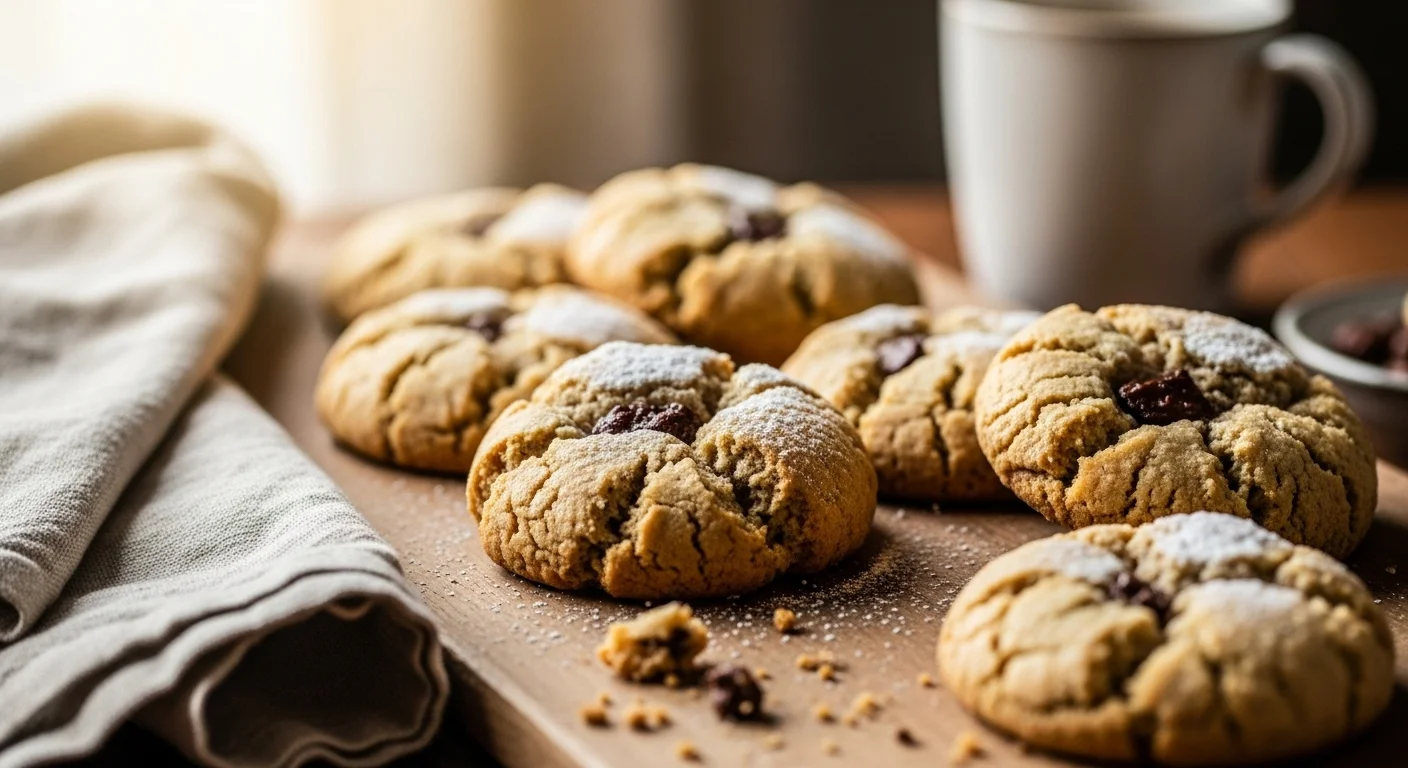
If you’re like me, you might find yourself with leftover sourdough discard after feeding your starter. Instead of tossing it out, why not whip up some chewy sourdough discard cookies? They’re not just delicious; they’re also a fantastic way to reduce waste in the kitchen! You can also try making Easy Sourdough Discard Crepes (A 10-Minute Recipe) for a quick treat.
Understanding Sourdough Discard
What is Sourdough Discard?
Sourdough discard is the portion of your sourdough starter that you remove before feeding it with fresh flour and water. When I first started baking sourdough, I was surprised to learn that this “discard” could be put to good use. It’s essentially the same mixture of flour and water that creates the tangy flavor and airy texture of sourdough bread. Thus, it retains some of the unique characteristics that can lend a delightful twist to cookies and other baked goods. Instead of letting it go to waste, I’ve found that using sourdough discard can elevate ordinary recipes into something special!
Benefits of Using Sourdough Discard in Baking
One of the most rewarding aspects of using sourdough discard is that it adds a depth of flavor to baked treats. I’ve noticed that cookies made with sourdough discard have a mild, tangy taste that contrasts beautifully with sweet ingredients. This can make for a more complex flavor profile than your typical cookie. Additionally, sourdough discard contributes moisture to the dough, which helps create a chewy texture that I absolutely love.
Another benefit is the way it can help reduce food waste. I remember feeling a twinge of guilt every time I tossed out sourdough discard. Now, I feel proud knowing that I’m making good use of what would otherwise be wasted. Plus, it’s a fun way to experiment in the kitchen! Using sourdough discard opens up a whole new world of possibilities, so I encourage you to try it. You might also enjoy baking Fudgy Sourdough Discard Brownies (You Won’t Taste The Tang) for a rich dessert.
How to Store Sourdough Discard
Storing sourdough discard is really simple. I typically keep mine in an airtight container in the fridge, where it can last for about a week. If I know I won’t be using it right away, I’ve learned that freezing it is a great option too. Just scoop the discard into ice cube trays or freezer bags and pop them in the freezer. When I need some for baking, it’s as easy as taking out a cube and letting it thaw. Just be sure to label the container or bag with the date so that you can keep track of its freshness.
Before using chilled or frozen sourdough discard in a recipe, I let it come to room temperature and give it a good stir to reincorporate any separation that may have occurred. This helps ensure that the yeast is evenly distributed, which I’ve found can affect the texture and rise of my baked goods. Overall, it’s pretty easy to manage once you get in the habit!
Ingredients for Chewy Sourdough Discard Cookies
Essential Ingredients
When it comes to making chewy sourdough discard cookies, the ingredients are quite straightforward. Here’s what I typically use:
- Sourdough Discard: About 1 cup, which is usually the amount I have left after feeding my starter.
- Butter: I prefer unsalted butter, around ½ cup, melted for richness.
- Brown Sugar: About ¾ cup; it adds moisture and a lovely caramel flavor.
- Granulated Sugar: Around ¼ cup for sweetness.
- Egg: 1 large egg helps bind the ingredients.
- Vanilla Extract: 1 teaspoon; this is where the magic happens for flavor!
- All-Purpose Flour: About 1 ½ cups gives the cookies structure.
- Baking Soda: ½ teaspoon to help the cookies rise.
- Salt: Just a pinch to enhance all the flavors.
Optional Add-ins (Chocolate Chips, Nuts, etc.)
One of my favorite things about these cookies is how customizable they are. I usually add about 1 cup of chocolate chips for that delightful melty goodness. Sometimes, I mix it up with nuts like walnuts or pecans for a bit of crunch. Dried fruits, like cranberries or raisins, can also make for a tasty addition. In my experience, it’s all about what you enjoy most! Feel free to experiment and find your perfect combination.
Alternative Ingredient Substitutions
Sometimes, I find myself out of certain ingredients or looking for healthier options. I’ve discovered that swapping out the butter for coconut oil works surprisingly well, giving the cookies a unique flavor. If you’re looking for a vegan option, using a flax egg (1 tablespoon of ground flaxseed mixed with 2.5 tablespoons of water) is a great alternative to a regular egg.
For the flour, I’ve tried using whole wheat flour, and it adds a lovely nutty flavor while boosting the nutritional value. Just keep in mind that it might affect the texture slightly. If you need to avoid gluten, a gluten-free flour blend can also work, though I recommend checking the specific blend for best results. The versatility of these cookies is one of the reasons why I love baking them!
Step-by-Step Guide to Making Chewy Sourdough Discard Cookies
Preparation: Gathering Your Ingredients
Before I dive into baking, I always make sure to gather all my ingredients and tools. It not only streamlines the process but also makes the experience more enjoyable. For these chewy sourdough discard cookies, here’s a quick checklist of what I usually set out:
- 1 cup sourdough discard
- ½ cup unsalted butter (melted)
- ¾ cup brown sugar
- ¼ cup granulated sugar
- 1 large egg
- 1 teaspoon vanilla extract
- 1 ½ cups all-purpose flour
- ½ teaspoon baking soda
- A pinch of salt
- Optional add-ins (like chocolate chips, nuts, or dried fruit)
Don’t forget to preheat your oven to 350°F (175°C)! I find this step crucial because it allows the cookies to bake evenly and thoroughly. Plus, there’s something about a warm kitchen filled with the smell of baking cookies that just feels right.
Mixing the Dough
Once everything is ready, I start by mixing the wet ingredients in a large bowl. First, I add the melted butter and the sugars, stirring until it’s well combined. The mixture should look smooth and slightly glossy. I remember the first time I made these cookies; I was amazed at how quickly the colors blended together!
Next, I crack in the egg and pour in the vanilla extract. I whisk these in until everything is well incorporated. The aroma of vanilla fills the air, and it’s one of those moments that reminds me why I love baking. After that, it’s time to incorporate the sourdough discard. I usually just plop it in and stir it until it’s fully mixed in. That’s when I notice a slight, pleasant tang in the dough, hinting at the unique flavor to come.
In another bowl, I combine the dry ingredients: flour, baking soda, and salt. I gently fold this mixture into the wet ingredients. I try to be careful not to overmix; I’ve learned that this can lead to tougher cookies. The dough should be thick and slightly sticky, and that’s when I know I’m on the right track! If I’m adding chocolate chips or nuts, I’ll fold them in at this point.
Shaping the Cookies
Here comes one of my favorite parts: shaping the cookies! I typically use a cookie scoop to portion out the dough. This helps ensure that all my cookies are roughly the same size, which means they’ll bake evenly. I like to roll each portion into a ball before placing it on a parchment-lined baking sheet. I space them about two inches apart because, as they bake, they spread out beautifully, creating those chewy edges I love so much.
If I’m feeling a bit playful, I might slightly flatten the balls with my hand or the bottom of a glass. This gives the cookies a more rustic look and helps them bake through properly. Sometimes, I even sprinkle a little sea salt on top before baking, which adds an extra layer of flavor that I can’t resist!
Baking Instructions
Once my cookie sheet is filled, it’s time to bake! I pop them in the preheated oven and set a timer for about 10-12 minutes. I love watching them as they bake; the edges start to turn a lovely golden brown while the centers remain soft. It’s crucial not to overbake them. I usually take them out when the tops look set but still soft, as they will continue to firm up once they cool outside the oven.
As they bake, I often take a moment to savor that delicious smell wafting through my kitchen. It’s one of those simple joys that makes all the prep worth it. I find it helpful to keep an eye on the cookies during the last few minutes, as every oven can be a bit different.
Cooling and Storing the Cookies
Once the cookies are out of the oven, I let them cool on the baking sheet for about 5 minutes before transferring them to a wire rack. This step is crucial because it allows the cookies to set properly without falling apart. I can hardly wait to taste one! But I’ve learned to be patient, as the cookies will be scorching hot right out of the oven.
Once they’re fully cooled, I usually store them in an airtight container. They can last for about a week at room temperature, but let’s be honest, they rarely last that long in my house! I’ve also tried freezing some for later, and they hold up surprisingly well. Just make sure to layer them between parchment paper to prevent sticking.
Tips for Perfect Chewy Cookies
Achieving the Right Texture
Texture is everything when it comes to cookies, and I’ve learned a few tricks to ensure my chewy sourdough discard cookies come out perfectly every time. First, the balance of wet and dry ingredients plays a crucial role. I’ve found that using slightly less flour than the recipe calls for can help maintain a tender, chewy texture. If I want to be precise, I measure my flour by weighing it, which often results in better consistency.
Another trick I use is to chill the dough for about 30 minutes before baking. This resting period allows the flour to hydrate fully and the flavors to meld. Plus, it helps prevent the cookies from spreading too much while baking, resulting in thicker, chewier cookies. I often find myself sneaking bites of the dough while waiting—it’s just too tempting!
Lastly, I recommend underbaking just slightly. Pulling the cookies out when they are still a bit soft in the center ensures they’ll set up beautifully as they cool. This little technique has saved me from baking cookies that are too crispy for my liking!
Common Mistakes to Avoid
Over the years, I’ve made my fair share of mistakes while baking, and I’ve learned some valuable lessons along the way. One common pitfall is overmixing the dough. I remember the first time I got overly enthusiastic and mixed the dough until it was smooth. The result? Tough cookies. Now, I mix just until the ingredients are combined, leaving a few small streaks of flour for a softer texture.
Another mistake I’ve made is not measuring ingredients accurately. I once grabbed a cup and assumed it was the right measurement, only to find my cookies were a disaster. It’s easy to think “a little more flour won’t hurt,” but it can dramatically change the outcome. I now rely on a kitchen scale to be precise, especially for flour and sugar.
Finally, I’ve learned the hard way that baking soda should be fresh. If it’s been sitting in the pantry for too long, it can lose its potency, which means my cookies won’t rise as they should. A quick check of the expiration date goes a long way toward ensuring my cookies come out light and fluffy!
How to Adjust for Different Oven Types
Every oven is a bit different, and I’ve certainly had my share of baking adventures with various types. I’ve noticed that my conventional oven tends to bake more evenly than a toaster oven, which often requires rotating the pan halfway through baking to ensure even cooking. If you’re using a toaster oven, keep an eye on the cookies, as they might bake faster than expected!
If you have a convection oven, you’ll want to lower the baking temperature by about 25°F. The fan circulation cooks the cookies faster, so adjusting the heat helps prevent overbaking. I’ve found that with my convection oven, I have to check the cookies a couple of minutes early to avoid any surprises.
Also, I recommend using an oven thermometer. Even if you think your oven is calibrated correctly, it can often be off. I’ve had times when I thought I was baking at 350°F only to discover it was significantly hotter. An oven thermometer ensures that I’m getting the right temperature for perfectly baked cookies.
Variations of Sourdough Discard Cookies
Vegan Sourdough Discard Cookies
For those days when I want to bake without eggs or dairy, I’ve had great success making vegan sourdough discard cookies. The key is using a flax egg or a chia egg as a binder. I mix 1 tablespoon of ground flaxseed (or chia seeds) with 2.5 tablespoons of water and let it sit until it thickens. It works wonders! I also swap out the butter for coconut oil, which creates a deliciously unique flavor.
I’ve found that these cookies are just as chewy and satisfying as the traditional version. Plus, I love the challenge of adapting recipes to cater to different dietary needs. It shows how versatile sourdough discard can be! You can also try The Best Sourdough Discard Scones (Quick & Fluffy) for another delightful option.
Gluten-Free Options
If I’m baking for friends or family who need gluten-free options, I’ve discovered that using a gluten-free flour blend can yield fantastic results. I typically choose one that contains a mix of rice flour, almond flour, and tapioca flour for the best texture. I’ve also tried using almond flour alone, but I’ve noticed that it can make the cookies a bit denser, so I mix it with a gluten-free all-purpose flour for a lighter outcome.
Another tip I’ve picked up is to add a bit of xanthan gum if the gluten-free flour blend doesn’t already contain it. It helps mimic the binding properties of gluten, making the cookies chewier and less crumbly. It’s amazing how a few small tweaks can create a gluten-free treat everyone can enjoy!
Flavor Variations (Spices, Extracts, etc.)
One of the most exciting things about baking sourdough discard cookies is the endless flavor possibilities. Sometimes I get adventurous and add spices like cinnamon or nutmeg for a warm, cozy twist. I’ve found that just a teaspoon of cinnamon transforms the cookies into something special, especially when paired with chocolate chips or nuts!
I also love playing around with extracts. While vanilla is a staple, I’ve experimented with almond extract for a marzipan-like flavor or even orange zest for a bright, citrusy kick. It’s all about finding combinations that please my palate. I often encourage friends to try different flavors; you’d be surprised at how a small change can lead to a completely new cookie experience!
Frequently Asked Questions
What is sourdough discard?
Sourdough discard is the portion of your sourdough starter that you remove before feeding it with fresh flour and water. It retains some of the unique characteristics of the starter, which can elevate recipes like cookies.
What are the benefits of using sourdough discard in baking?
Using sourdough discard adds depth of flavor to baked treats, contributing a mild, tangy taste that contrasts with sweet ingredients. It also helps reduce food waste and can make your baking more enjoyable and experimental.
How should I store sourdough discard?
Sourdough discard can be stored in an airtight container in the fridge for about a week. For longer storage, it can be frozen in ice cube trays or freezer bags. Be sure to label the container with the date for freshness tracking.
What are the essential ingredients for chewy sourdough discard cookies?
The essential ingredients include 1 cup of sourdough discard, ½ cup of unsalted butter, ¾ cup of brown sugar, ¼ cup of granulated sugar, 1 large egg, 1 teaspoon of vanilla extract, 1 ½ cups of all-purpose flour, ½ teaspoon of baking soda, and a pinch of salt.
Can I customize my chewy sourdough discard cookies?
Yes! You can add optional ingredients like chocolate chips, nuts, or dried fruits to customize your cookies according to your preferences.
What are some alternative ingredient substitutions for the cookies?
You can substitute coconut oil for butter for a unique flavor, use a flax egg for a vegan option, or substitute whole wheat flour or a gluten-free blend for all-purpose flour, keeping in mind that this may affect texture.
What tips can help achieve the right texture for chewy sourdough discard cookies?
To achieve the right texture, use slightly less flour, chill the dough for about 30 minutes before baking, and underbake slightly to ensure cookies remain soft in the center as they cool.
What common mistakes should I avoid while baking these cookies?
Avoid overmixing the dough, not measuring ingredients accurately, and using expired baking soda, as these can lead to tough cookies or poor rising.
How can I adjust baking for different oven types?
For a toaster oven, rotate the pan halfway through baking, and for a convection oven, lower the baking temperature by about 25°F. An oven thermometer can help ensure accurate temperature settings for baking.
Can I make gluten-free or vegan sourdough discard cookies?
Yes, you can make gluten-free cookies using a gluten-free flour blend and adding xanthan gum if necessary. For vegan cookies, use a flax egg or chia egg as a binder and coconut oil instead of butter.