
There’s something magical about transforming sourdough discard into chewy pretzel bread. The perfect balance of salty and soft, this bread is a delightful way to use what would otherwise go to waste. You might also enjoy making Addictive Sourdough Discard Pretzel Bites (A Salty Snack) for another delicious way to use your discard.
Understanding Sourdough Discard
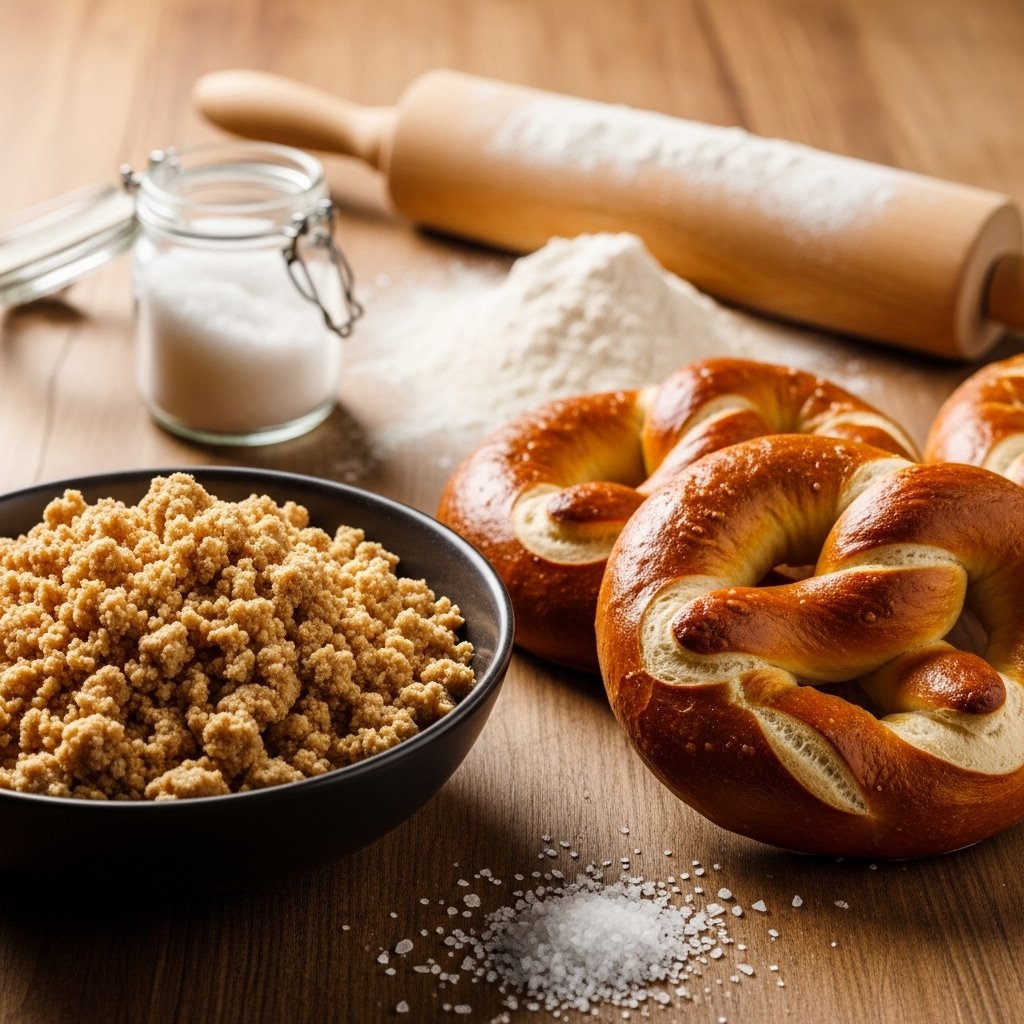
What is Sourdough Discard?
I remember the first time I came across the term “sourdough discard.” I was working on my sourdough starter, and after a few weeks, I found myself with a lot of excess starter that I didn’t know what to do with. I learned that sourdough discard is simply the portion of the starter that you remove when feeding it. This leftover mixture of flour and water contains live yeast and bacteria that can still be used in various baked goods. Instead of tossing it out, using it opens up opportunities for flavor and texture in your baking.
Benefits of Using Sourdough Discard in Baking
Using sourdough discard in baking has been a game-changer for me. Not only does it reduce food waste, but it also adds a unique tangy flavor and improves the texture of baked goods. I’ve found that recipes incorporating sourdough discard tend to be more flavorful, and the added acidity can enhance the rise of breads and pastries. It’s like giving an extra boost to whatever I’m baking. Plus, using discard feels good—knowing that I’m making the most out of my starter and not letting any part of it go to waste is incredibly satisfying. If you’re interested in more recipes that reduce waste, check out 5 Classic All-American Recipes Everyone Should Know.
Types of Sourdough Discard
As I dove deeper into the world of sourdough, I discovered there are different types of sourdough discard. The two main categories are active and inactive discard. Active discard comes from a fed starter that has been recently refreshed, while inactive discard is older and may have a more pronounced tang. Depending on the recipe, either type can be used, but I’ve found that active discard tends to provide better results, especially in bread recipes like my chewy pretzel bread.
Ingredients for Chewy Sourdough Discard Pretzel Bread
Essential Ingredients Overview
Creating delicious chewy pretzel bread requires just a handful of ingredients, many of which you probably already have in your pantry. The main ingredients are sourdough discard, flour, water, salt, sugar, and baking soda. Each of these plays a crucial role in achieving that perfect pretzel texture and flavor. I love how simple these ingredients are, yet they come together to create something incredibly satisfying.
Choosing the Right Flour
When it comes to flour, I like to use bread flour for my pretzel bread. The high protein content gives the dough strength and contributes to its chewiness. I’ve experimented with all-purpose flour, but I found that bread flour provides a more satisfying texture. If you’re looking for a more artisanal touch, you can also try a mix of whole wheat and bread flour. It adds a lovely depth of flavor and nutrition, and I think it makes the bread even more hearty.
Importance of Salt in Pretzel Bread
Salt is one of those ingredients that might seem minor, but trust me, it’s essential for flavor. When I first started making pretzel bread, I underestimated how important salt was. It enhances the taste and balances the sweetness from the sugar. Plus, it strengthens the dough structure, which is vital for holding the chewy texture we all love. I recommend using coarse sea salt for the best results; it adds a delightful crunch and burst of flavor on the crust.
Yeast vs. Sourdough Discard: A Comparison
This comparison has always intrigued me. While traditional pretzel bread recipes often call for commercial yeast, using sourdough discard provides a unique twist. I’ve noticed that the flavor profile of my pretzel bread is richer and more complex when I use sourdough discard. The fermentation process from the sourdough not only enhances the flavor but also contributes to the overall texture of the bread. In my experience, sourdough discard can lead to a more satisfying and interesting loaf than using store-bought yeast alone.
The Science of Pretzel Bread Texture
What Makes Pretzel Bread Chewy?
When I bite into a perfectly baked pretzel bread, that delightful chewiness always astonishes me. It’s not just the ingredients but the science behind them that contributes to this wonderful texture. The key lies in the gluten development during kneading and resting. As I knead the dough, the proteins in the flour stretch and form gluten strands, creating a network that gives the bread its structure. I’ve found that allowing the dough to rest for a bit after kneading helps the gluten relax, making it easier to shape later. Additionally, the high protein content in bread flour enhances this chewiness even further. I honestly believe that this is why pretzel bread has a unique appeal—it’s crispy on the outside while being satisfying and chewy on the inside.
Role of Baking Soda in Pretzel Bread
Baking soda is a crucial player in the pretzel bread game. You might be surprised to learn that it’s not just for leavening but also contributes to that classic pretzel flavor and color. When I dissolve baking soda in boiling water to create a bath for my pretzels, a magical reaction happens. The alkaline environment from the baking soda helps develop that gorgeous brown crust through the Maillard reaction during baking. This reaction gives the pretzel its distinctive flavor and deep color. I’ve noticed that the more time I spend boiling the pretzels, the richer the flavor becomes. It’s an essential step that elevates the entire experience of enjoying pretzel bread.
Influence of Boiling on Texture and Flavor
Boiling the pretzels is a step I’ve come to cherish for its transformative power. When I first started making pretzel bread, I almost skipped this part, thinking it was unnecessary. However, I quickly learned that boiling not only helps form that chewy crust but also seals in moisture, keeping the interior soft. I love the way the dough puffs up in the boiling water, and it’s so satisfying to see them grow in size. The added flavor from the baking soda in the water permeates the dough, making the pretzels taste even more authentic. I’ve tried baking them without boiling, and while they were still good, they just didn’t have that same depth of flavor and texture. It’s a step I now see as non-negotiable!
Step-by-Step Recipe for Chewy Sourdough Discard Pretzel Bread
Preparing the Dough
Getting started with the dough is one of my favorite parts. I usually gather my ingredients—sourdough discard, flour, water, salt, sugar, and baking soda—and set everything out on the counter for easy access. The first thing I do is combine the sourdough discard with warm water, then mix in the sugar and salt. I find that dissolving the sugar and salt in the warm water helps them integrate better. Next, I gradually add the flour, mixing until I have a slightly sticky dough. I love getting my hands in there to knead it for about 8-10 minutes until it becomes smooth and elastic. Once I’ve achieved that perfect texture, I place the dough in a greased bowl, cover it with a damp cloth, and set it aside to rise. Watching it double in size is always exciting!
Shaping the Pretzels
Shaping the pretzels is where the fun really begins. Once the dough has risen, I punch it down to release the air and divide it into equal pieces. I usually go for 8 pieces, which makes for nice-sized pretzels. I roll each piece into a long rope, about 24 inches in length, and then twist it into that iconic pretzel shape. I’ve learned that the more gently I handle the dough at this stage, the better the pretzels will turn out. After shaping, I place them on a parchment-lined baking sheet and let them rest for another 15-20 minutes. This step allows the gluten to relax further, which makes for an easier boiling process later.
Boiling the Pretzels
Boiling is a crucial step, and I’ve developed a little ritual around it. I bring a large pot of water to a rolling boil and add a generous pinch of baking soda. Once it’s bubbling, I gently lower each pretzel into the water, being careful not to overcrowd the pot. I usually let them boil for about 30 seconds on each side, and I can’t help but marvel at how they puff up in the water. After boiling, I remove them with a slotted spoon and place them back on the baking sheet. This is when I sprinkle a little coarse salt on top, which adds that signature crunch. I can hardly wait for the next step!
Baking the Pretzel Bread
Finally, I preheat my oven to 425°F (220°C) and slide the pretzels in for baking. The aroma that fills my kitchen during this time is simply irresistible. I bake them for about 12-15 minutes until they’re golden brown. Watching them turn that lovely shade of brown is always rewarding. Once they come out of the oven, I let them cool for a few minutes before diving in. The crispy crust and soft, chewy interior make all the effort worthwhile, and I can’t help but feel proud of my creation every time I take a bite. It’s a moment of pure joy that I look forward to each time I make them!
Serving Suggestions for Pretzel Bread
Classic Dipping Sauces
When it comes to enjoying my chewy sourdough discard pretzel bread, I think a good dipping sauce can elevate the experience to a whole new level. One of my favorite go-tos is classic mustard. The tanginess of a good Dijon or whole grain mustard pairs beautifully with the salty, warm pretzel. I often set out a few varieties for guests to sample, and it’s always fun to see which ones they love the most. Another delightful option is cheese sauce! I remember the first time I tried warm, gooey cheddar sauce with my pretzels—I was hooked! It’s creamy, cheesy, and adds a decadent touch that makes for an irresistible snack. For something a bit different, a homemade beer cheese dip can also be a hit. I’ve found that the beer’s bitterness contrasts nicely with the pretzel’s sweetness, creating a perfect harmony of flavors.
Pairing with Cheeses and Charcuterie
If I’m in the mood for a more substantial meal, serving my pretzel bread with a cheese and charcuterie board is always a win. I love to mix different textures and flavors, from creamy Brie to sharp aged cheddar and salty prosciutto. I’ve found that the soft, chewy pretzel complements the rich flavors of the meats and cheeses wonderfully. Adding some olives, pickles, or even a bit of honey can bring out even more flavor contrasts. I usually arrange everything on a beautiful wooden board, and it makes for a stunning centerpiece at any gathering. It’s like a feast for the eyes and the taste buds!
Creative Sandwich Ideas
When I want to get a little more adventurous, I often use my pretzel bread to create unique sandwiches. The chewy texture works remarkably well as a base for a variety of fillings. One of my favorites is a classic ham and cheese sandwich. I layer some thinly sliced ham with a slice of Gruyère cheese, then pop it under the broiler for a few moments until the cheese is melty and bubbly. The combination of the warm, soft pretzel bread with the savory ham and gooey cheese is pure perfection. Another fun idea is to make a breakfast sandwich with scrambled eggs, crispy bacon, and a slice of cheddar. I love how the pretzel flavor adds a special twist to the morning routine! One time, I even experimented by making a Reuben sandwich with corned beef, sauerkraut, and Thousand Island dressing. It was an instant hit in my house!
Storage and Shelf Life
How to Store Pretzel Bread
After all the hard work of baking, I always want to ensure that my pretzel bread stays fresh for as long as possible. I’ve learned that the best way to store pretzel bread is to let it cool completely first. Once it’s cooled, I wrap it in plastic wrap or aluminum foil to keep it from drying out. I usually keep it at room temperature for a couple of days, which is perfect for snacking. If I know I won’t finish it within that time, I’ll often slice the bread and store it in a resealable plastic bag in the fridge. This way, I can grab a slice whenever I’m craving something tasty!
Freezing for Future Enjoyment
For longer storage, I’ve found that freezing pretzel bread works like a charm. I wrap the cooled bread tightly in plastic wrap, followed by a layer of aluminum foil to protect it from freezer burn. I typically label it with the date so that I know when it was made. When I’m ready to enjoy it again, I simply take it out of the freezer and let it thaw at room temperature. Sometimes, I’ll even pop it in the oven for a few minutes to refresh the crust, and it’s just as delicious as the day it was baked!
Reheating Tips for Optimal Texture
Reheating pretzel bread can sometimes be tricky, but I’ve discovered that a few simple techniques can help maintain that delightful texture. For best results, I recommend reheating in the oven rather than the microwave, as the microwave can make the bread a bit soggy. I preheat the oven to 350°F (175°C) and place the pretzel bread directly on the oven rack for about 5-10 minutes. This method helps crisp up the crust while warming the inside to perfection. If I’m just reheating a single piece, I’ll use a toaster oven for convenience. No matter which method I choose, the aroma that fills my kitchen while it’s reheating always makes my mouth water!
Common Mistakes and Troubleshooting
Overproofing the Dough
In my baking journey, I’ve learned that overproofing can be a sneaky issue. When we let the dough rise for too long, it can lose its structure and fail to hold onto the gases that make it fluffy. I remember one time, I got caught up in a movie and forgot about my dough. When I finally returned, it was so puffed up that it collapsed when I shaped it. The pretzels turned out dense and disappointing. To avoid this, I’ve started setting a timer and keeping an eye on the dough. It’s essential to know your environment; warmer kitchens can speed up the rising process, so I always check it periodically to ensure it’s just right—a nice, doubled size is what I aim for!
Under-boiling the Pretzels
When I first began making pretzel bread, I didn’t realize how critical the boiling step was. I thought a quick dip would suffice, but my pretzels ended up lacking that signature chewy crust. The first time I under-boiled them, the texture was off, and they didn’t have the beautiful brown color I wanted. Now, I know that giving each pretzel a proper boil for about 30 seconds on each side really makes a difference. It’s a step I look forward to because I can see them puff up in the water, and I guarantee you won’t regret taking the time to do it right!
Baking Issues: Too Hard or Too Soft?
Baking is both an art and a science, and sometimes I’ve encountered issues with the final product being either too hard or too soft. If my pretzel bread turns out too hard, I’ve figured out it might be due to overbaking. I’ve learned to keep a close eye on them during the last few minutes of baking. On the flip side, if they’re too soft, it could mean that I didn’t knead the dough enough or didn’t let it rise properly. I always make sure to knead until the dough feels smooth and elastic, and I trust my instincts on when to take them out of the oven. If I’m unsure, I give them a gentle poke—the perfect pretzel bread should bounce back slightly!
FAQs about Sourdough Discard Pretzel Bread
Can I Use Regular Yeast Instead of Sourdough Discard?
Absolutely! While I adore using sourdough discard for its unique flavor, you can substitute it with regular yeast if you prefer. Just remember that you’ll need to adjust the amount of flour and water in your recipe since sourdough discard adds moisture and a bit of acidity. In my experience, using sourdough lends a more complex flavor, but if you’re in a pinch or just starting out, regular yeast will still yield tasty pretzels!
What Can I Substitute for Baking Soda?
If you don’t have baking soda on hand, you can use baking powder as an alternative. However, I’ve learned that it doesn’t create the same depth of flavor or color that baking soda does in the boiling process. If I find myself without baking soda, I usually try to get some before making pretzels again, as it’s such a crucial ingredient for that authentic pretzel taste!
How Do I Adjust the Recipe for Gluten-Free Options?
Gluten-free baking can be tricky, but I’ve had some success using gluten-free all-purpose flour blends. These blends often contain xanthan gum, which helps mimic the elasticity of gluten. I recommend starting with a specific gluten-free recipe designed for pretzel bread to ensure you get the right ratios and textures. I’ve experimented with a few, and while the texture may vary a bit, the pretzel flavor can still shine through!
Final Thoughts
Making chewy sourdough discard pretzel bread has become one of my favorite kitchen adventures. It’s not just about the delicious results; it’s the entire process that brings me joy. From preparing the dough to shaping the pretzels and finally enjoying them with friends and family, each step is filled with anticipation. I’ve shared this recipe with others, and the smiles on their faces when they take a bite remind me why I love baking so much. Whether you’re using sourdough discard or regular yeast, I encourage you to give this recipe a try. You might just find yourself falling in love with the art of pretzel making, just like I did!
Frequently Asked Questions
What is sourdough discard?
Sourdough discard is the portion of the starter that is removed when feeding it. It contains live yeast and bacteria that can still be used in various baked goods, adding flavor and texture.
What are the benefits of using sourdough discard in baking?
Using sourdough discard reduces food waste, adds a unique tangy flavor, and improves the texture of baked goods. Recipes with sourdough discard tend to be more flavorful and can enhance the rise of breads and pastries.
What are the types of sourdough discard?
There are two main types of sourdough discard: active and inactive. Active discard comes from a recently refreshed starter, while inactive discard is older and may have a more pronounced tang. Both can be used depending on the recipe, but active discard often yields better results.
What ingredients are needed to make chewy sourdough discard pretzel bread?
The essential ingredients for chewy sourdough discard pretzel bread include sourdough discard, flour, water, salt, sugar, and baking soda.
Why is bread flour recommended for pretzel bread?
Bread flour is recommended for pretzel bread due to its high protein content, which gives the dough strength and contributes to its chewiness. Whole wheat flour can also be mixed in for added flavor and nutrition.
What role does baking soda play in pretzel bread?
Baking soda is crucial for developing the classic pretzel flavor and color. It creates an alkaline environment when dissolved in boiling water, which helps achieve a beautiful brown crust through the Maillard reaction during baking.
How do you shape pretzels?
To shape pretzels, the risen dough is punched down, divided into equal pieces, rolled into long ropes, and twisted into the iconic pretzel shape. This should be done gently to ensure the pretzels turn out well.
What is the best way to store pretzel bread?
To store pretzel bread, let it cool completely, then wrap it in plastic wrap or aluminum foil to prevent drying out. It can be kept at room temperature for a couple of days or sliced and stored in a resealable plastic bag in the fridge for longer freshness.
Can pretzel bread be frozen for later use?
Yes, pretzel bread can be frozen by wrapping it tightly in plastic wrap and aluminum foil. When ready to enjoy, it should be thawed at room temperature, and can be refreshed in the oven for a few minutes.
What common mistakes should be avoided when making pretzel bread?
Common mistakes include overproofing the dough, which can cause it to collapse, and under-boiling the pretzels, resulting in a lack of chewy crust. Proper kneading and monitoring of baking time are also important to avoid bread being too hard or too soft.