
If you’re looking for a delightful culinary adventure, classic African pancakes are a must-try! These pancakes, known for their unique flavors and textures, offer a delicious glimpse into the continent’s rich food culture.
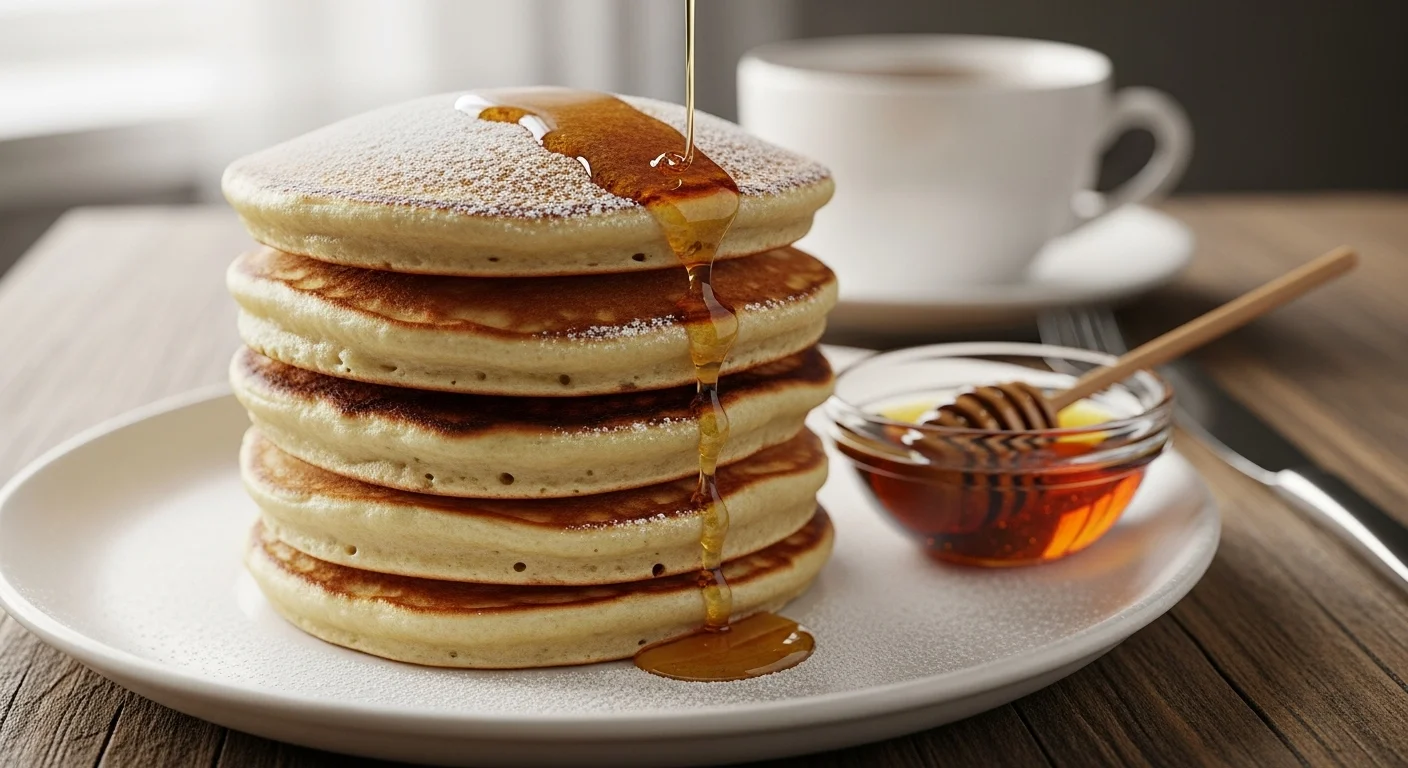
Exploring the Classic African Pancake: A Culinary Treasure
When I first came across African pancakes, I was intrigued. I had my fair share of pancakes growing up, but these were different. They had a certain charm and cultural significance that piqued my curiosity. While there are various types of pancakes across the continent, one particular style stands out: the Malawian Chambo. This pancake is not just a breakfast item; it’s a beloved dish that captures the heart of Malawian cooking, and I believe everyone needs to experience it.
The Heart of Malawian Cuisine
Malawi, often referred to as the “Warm Heart of Africa,” boasts a vibrant culinary scene. The Chambo pancake is a staple dish, showcasing the simplicity and richness of local ingredients. Traditionally made with maize flour, these pancakes are a beloved breakfast in many Malawian households. I remember my first taste of a Chambo pancake. It was soft, slightly sweet, and paired beautifully with various toppings, from honey to fresh fruit.
Ingredients That Make It Special
One of the things I love about Chambo pancakes is their simplicity. The main ingredient is maize flour, which is a staple in many African diets. Along with maize flour, you’ll typically need water, a pinch of salt, and sometimes sugar. Some recipes even call for milk or eggs, depending on the desired texture. The beauty of this dish is its versatility; you can easily adapt it to suit your taste or dietary needs. I remember experimenting with adding mashed bananas for sweetness or a bit of vanilla extract, which made my pancakes even more delightful.
How to Make Chambo Pancakes
If you want to try making these pancakes at home, here’s a simple method I’ve followed. It’s quick and requires minimal ingredients. Start by combining 1 cup of maize flour with about 2 cups of water in a bowl. You want a smooth batter, so whisk it well. Add a pinch of salt and sugar to taste. You can also add a splash of milk for creaminess.
Next, heat a non-stick skillet over medium heat. Once hot, pour in a ladleful of the batter. I like to swirl the pan slightly to spread the batter evenly. Cook for about 2-3 minutes on one side, or until you see bubbles forming on the surface. Then, flip it over and cook for another minute. The aroma that fills your kitchen during this process is simply irresistible! I remember the first time I flipped my pancake; it felt like an accomplishment, and the golden-brown color was so satisfying to see.
Perfect Pairings
One of the best parts about Chambo pancakes is the endless possibilities for toppings. I’ve tried them with honey, which adds a lovely sweetness, and they pair wonderfully with fresh fruits like bananas, mangoes, or papaya. In Malawi, it’s common to serve these pancakes with a side of spicy tomato sauce or traditional relish, which adds a savory twist that truly elevates the meal. I’ve even experimented by folding in some cooked veggies, making them a delightful savory treat for lunch or dinner.
A Cultural Experience
Making and enjoying Chambo pancakes is not just about the food; it’s about the experience. I recall a lovely weekend morning when I decided to whip up a batch for my family. We gathered in the kitchen, laughter filling the air as we flipped pancakes. The aroma wafting through the house felt like a warm hug. It reminded me of the communal spirit often found in African cooking, where meals bring people together. Sharing pancakes around the table, with everyone customizing their toppings, created a memorable bonding moment.
Why You Should Try Them
In my opinion, trying classic African pancakes like Chambo is a fantastic way to connect with the rich culinary heritage of the continent. They are simple to make, adaptable to various tastes, and deliciously satisfying. Whether you’re looking for a unique breakfast option or a fun weekend cooking project, I wholeheartedly recommend giving them a try. The combination of flavors and the joy of cooking together can make for a truly memorable experience.
So, the next time you’re in the mood for pancakes, why not step outside the ordinary? Embrace the flavors of Africa. You might just find your new favorite breakfast treat!
Variations of African Pancakes
One of the things that truly fascinates me about African pancakes is the variety found across different regions. Each country has its own twist, and I’ve enjoyed exploring these delightful variations. For instance, I stumbled upon the South African “pancake,” which is quite different from the Chambo. These are thinner and often filled with sweet or savory ingredients. When I first tried them, I was amazed at how versatile they could be. I remember ordering a filled pancake at a local café, and it was packed with delicious caramelized apples and cinnamon. It was a sweet revelation!
Then there’s the Nigerian “pancake,” which is also known as “Nigerian egg roll” if you’re looking for a variation that includes eggs. This pancake is thicker and heartier, often served with a spicy dipping sauce. I can still picture the vibrant colors of the Nigerian pancakes at a food festival I attended. The bright oranges and yellows of the batter made them irresistibly inviting. They were a hit, and I found myself going back for seconds!
The beauty of exploring these different styles is that it gives me a taste of the cultural diversity found within Africa. Each pancake reflects local ingredients, traditions, and tastes. In a way, it’s like taking a culinary journey without leaving my kitchen. I remember having a mini pancake night at home, where I made several types from different African nations. It was such a fun way to celebrate the richness of African cuisine with my family.
Health Benefits of African Pancakes
Beyond their delicious taste, I’ve learned that African pancakes can also be quite healthy, depending on how you prepare them. For instance, the use of maize flour in Chambo pancakes is notable. Maize is a good source of fiber, which I’ve found helps with digestion. I often try to incorporate more fiber into my meals, and substituting traditional flour with maize flour has been a simple yet effective switch.
Moreover, when I make pancakes at home, I love adding nutritious ingredients. I’ve experimented with whole grains, like using a blend of millet flour or buckwheat flour. This not only enhances the nutritional value but also adds a unique flavor profile. I remember when I added some ground flaxseed to a batch; it introduced a nutty taste that complemented the sweetness beautifully. I felt good knowing I was nourishing my body while still enjoying a beloved treat!
Sometimes, I even sneak in vegetables. I’ve found that grated carrots or zucchini can blend seamlessly into the batter, providing extra vitamins and minerals. One evening, I made a savory version with spinach and cheese, creating a delightful twist that was both healthy and satisfying. It’s small changes like these that make a big difference for me and my family, especially when trying to eat a bit healthier.
Cooking Together: A Family Tradition
For me, cooking is more than just preparing food; it’s about creating memories. I often invite friends and family over for pancake-making sessions, where we gather in the kitchen and share stories while cooking. I remember a particularly fun weekend when my niece decided she wanted to help me make Chambo pancakes. She was so excited! We mixed the batter together, and I let her pour it into the pan. The look on her face when she flipped her first pancake was priceless. It reminded me of the joy I felt on similar occasions in my childhood.
These cooking sessions have become a tradition in our household. Everyone gets to personalize their pancakes, choosing their favorite toppings. I love seeing how each person adds their twist to their plate. My sister tends to pile on the fresh fruit, while my brother prefers a drizzle of chocolate sauce. It’s a delightful sight, and it brings us together in ways that few other activities can. The laughter and chatter that fills the kitchen truly make it a memorable experience.
Sharing the Love: Pancakes Around the World
As I’ve explored African pancakes, I’ve also come to appreciate how pancakes are celebrated globally. From the French crêpe to the American fluffy stack, every culture has its own version that brings people together. I recently attended an international food festival where various pancake dishes were featured, and it was fascinating to see the similarities and differences. I found myself drawn to the Japanese okonomiyaki, which is savory and packed with cabbage. It was a delightful reminder that pancakes can be both sweet and savory, depending on where you are!
I feel like pancakes, regardless of their origin, represent comfort and warmth. They often take center stage at family gatherings, breakfast tables, or even cozy brunches with friends. As I continue to explore global pancake variations, I’m reminded of the connections we can create through food. It brings me joy to share my love for African pancakes and see others embrace them too. I hope to inspire more people to try their hand at making these delicious treats and perhaps even host their pancake-making gatherings.
Exploring Pancake Variations Beyond Africa
While my heart is definitely with African pancakes, my culinary journey has taken me beyond the continent, and I’ve stumbled upon some incredible variations that deserve a spotlight. I remember one summer when I decided to host a pancake-themed brunch. I wanted to explore pancakes from different parts of the world, and it turned out to be one of my favorite cooking adventures yet! Each pancake brought its own story and flavor, and I’d love to share a few that truly stood out.
French Crêpes: A Sophisticated Delight
First up was the French crêpe, which I found to be a delightful contrast to the thicker pancakes I’m used to. When I first attempted making crêpes, I was nervous. They seemed so delicate and I had visions of them tearing apart in the pan. But as I whisked together flour, milk, and eggs, I felt a wave of excitement. The batter was so thin and smooth, and I could hardly wait to see how they would turn out.
Cooking them was an experience in itself. I poured a small amount of batter into the skillet, swirling it around to create a thin layer. The smell of the cooking crepe was intoxicating, and I could hardly contain my anticipation. When I flipped my first crêpe, I felt like a culinary genius! I filled them with everything from Nutella and strawberries to savory ham and cheese. The versatility of crêpes amazed me—sweet or savory, they seemed to adapt to whatever mood I was in.
American Buttermilk Pancakes: A Breakfast Classic
Next, I ventured into the land of American buttermilk pancakes. These fluffy stacks have a special place in my heart. Growing up, Sunday mornings were often reserved for my dad’s famous pancakes. I remember the joy of waking up to the smell of pancakes wafting through the house. I decided to recreate that magic by making my own buttermilk pancakes, using a family recipe that had been passed down.
The process was simple but fulfilling. I combined flour, sugar, baking powder, and of course, buttermilk. As I mixed everything together, I recalled the countless times I watched my dad at the stove, flipping pancakes with a flick of his wrist. When I finally poured the batter into the sizzling skillet and watched the bubbles form, I felt a warm nostalgia wash over me. The pancakes were light and fluffy, and I topped them with maple syrup and a sprinkle of powdered sugar. Each bite took me back to those cherished Sunday mornings.
Japanese Okonomiyaki: Savory Pancake Adventure
Then there was the Japanese okonomiyaki, which I was eager to try after hearing so much about it. This savory pancake is such a fun dish to make! It’s packed with ingredients like cabbage, green onions, and even seafood, which really sets it apart. When I gathered the ingredients, I felt like I was prepping for a culinary adventure.
Mixing the batter was an experience in itself. I combined flour, water, eggs, and then added chopped cabbage and other fillings. The first time I fried it in a skillet, I wasn’t sure what to expect. Watching it cook and slowly puff up was mesmerizing! I remember topping it off with okonomiyaki sauce, mayonnaise, and bonito flakes, which danced with the heat. Each bite was a burst of flavor, and I was hooked. It’s amazing how a pancake can be savory, hearty, and utterly satisfying all at once.
Russian Blini: A Cultural Journey
While exploring pancakes, I couldn’t overlook the Russian blini. These little gems are traditionally made with buckwheat flour and can be filled with sweet or savory fillings. I was curious to try my hand at making them, especially since I love the nutty flavor of buckwheat. I remember standing in my kitchen, mixing the ingredients and waiting for the batter to rise.
Cooking blini was a delightful challenge. They turned out smaller than I expected but still fluffy. I decided to fill them with a dollop of sour cream and some homemade berry preserves. The contrast of flavors was incredible! The sour cream’s tanginess perfectly complemented the sweetness of the berries. I could see how these pancakes could be a staple for breakfast or even served at a gathering. It felt like I was partaking in a rich cultural tradition, one delicious bite at a time.
Global Pancake Exploration: A Culinary Connection
Through this exploration of pancakes from around the world, I’ve realized that they are so much more than just a breakfast item. Each variation tells a story of the region it comes from, reflecting local ingredients, cultures, and traditions. I believe that cooking and sharing these dishes can create connections between people, even if they come from different backgrounds.
Hosting my pancake brunch turned out to be more than just a fun culinary experiment; it became a bonding experience with friends and family. We laughed, shared our favorite toppings and stories, and discovered new flavors together. It was a reminder of how food can bring us closer, creating bonds through shared experiences. I hope to continue this journey, learning more about global pancake variations and discovering what hidden gems await in kitchens all around the world.
Final Thoughts
As I reflect on my journey through the world of pancakes, I can’t help but feel a sense of gratitude for the experiences and memories that these simple dishes have brought into my life. Each pancake I’ve tried, from the Chambo of Malawi to the delicate crêpes of France, has been a delightful reminder of the diverse cultures and traditions that exist around the globe. It’s fascinating how a single dish can serve as a bridge between people, allowing us to connect over shared tastes, stories, and laughter.
I think back to the first time I made Chambo pancakes. The way they transformed my kitchen into a space filled with warmth and joy was something I never expected. It wasn’t just about the food; it was about the act of creating something together with my family. I remember how we took turns flipping the pancakes and choosing our toppings, each person adding their unique flair to the meal. It became a delightful ritual in our household—a time to gather, share, and enjoy each other’s company.
Exploring pancake variations has opened my eyes to the rich tapestry of global cuisine. I love how each culture puts its spin on a dish that seems so simple at first glance. Trying out different recipes has become an adventure for me. I recall hosting my pancake brunch, where each guest brought their favorite toppings or pancake recipe. The table was a colorful spread of flavors, from sweet fruits and syrups to savory ingredients that sparked intriguing conversations. It created an atmosphere of friendship, laughter, and culinary exploration.
In my opinion, cooking is one of the most beautiful forms of self-expression. Each time I step into the kitchen, I feel like I’m telling a story—whether it’s about my heritage, my family, or my personal taste. Pancakes have become a canvas for me, allowing me to explore various ingredients and flavors. I’ve learned to embrace creativity in the kitchen, whether I’m whipping up classic recipes or experimenting with new ideas. This has empowered me to share my culinary journey with others, encouraging them to explore and celebrate their own food stories.
Looking ahead, I’m excited about continuing to discover new pancake recipes from different cultures. I’ve found that food can often serve as an entry point to learning about different traditions and histories. Whether it’s the savory okonomiyaki from Japan or the delicate blini from Russia, each pancake carries with it a piece of its culture that contributes to a larger narrative—a narrative of community, sustenance, and love.
I encourage everyone to step out of their comfort zones and try making pancakes from different cultures. Don’t be afraid to experiment with flavors or add your twist. Cooking should be fun! In my experience, the kitchen is the heart of the home, and making food together can create lasting memories. So gather your loved ones, roll up your sleeves, and dive into the wonderful world of pancakes. You never know what delightful surprises await you when you combine ingredients, share laughs, and create something special.
As I close this chapter on my pancake storytelling, I hope you feel inspired to create your culinary adventures. Whether you’re making a classic African pancake or trying out a new recipe from across the globe, remember that it’s not just about the food; it’s about the love, laughter, and connections we build around the table. So, let’s celebrate the joy of pancakes together and keep exploring the delicious possibilities that lie ahead!
Frequently Asked Questions
“`htmlWhat are classic African pancakes known for?
Classic African pancakes are known for their unique flavors and textures, offering a delicious glimpse into the continent’s rich food culture.
What is the Malawian Chambo pancake?
The Malawian Chambo pancake is a beloved dish that captures the heart of Malawian cooking, traditionally made with maize flour and often enjoyed as a breakfast item.
What ingredients are typically used to make Chambo pancakes?
Chambo pancakes are generally made with maize flour, water, a pinch of salt, and sometimes sugar, with optional additions like milk or eggs depending on the desired texture.
How do you make Chambo pancakes?
To make Chambo pancakes, combine 1 cup of maize flour with about 2 cups of water to form a smooth batter, add salt and sugar to taste, and cook in a heated non-stick skillet for 2-3 minutes on one side before flipping.
What toppings can be used with Chambo pancakes?
Chambo pancakes can be topped with honey, fresh fruits like bananas and mangoes, or served with spicy tomato sauce or traditional relish for a savory twist.
What are some variations of African pancakes mentioned in the article?
Some variations of African pancakes include the South African pancake, which is thinner and often filled with sweet or savory ingredients, and the Nigerian pancake, which can be thicker and served with spicy dipping sauce.
What health benefits do Chambo pancakes offer?
Chambo pancakes made with maize flour are a good source of fiber, which aids digestion. Adding nutritious ingredients like whole grains and vegetables can enhance their health benefits.
Why is cooking pancakes considered a family tradition?
Cooking pancakes is viewed as a family tradition because it creates opportunities for bonding and sharing experiences, as family members gather in the kitchen to make and customize their pancakes together.
How can pancakes from different cultures connect people?
Pancakes from different cultures can connect people by reflecting local ingredients, traditions, and stories, allowing for shared culinary experiences and fostering connections through food.
What is the author’s overall message about making pancakes?
The author encourages everyone to try making pancakes from different cultures, emphasizing that cooking should be fun and that it’s about building connections, creating memories, and celebrating the joy of food together.
“`