
If you’re craving a sweet, chewy treat that honors tradition while being gluten-free, classic Anzac biscuits are the perfect choice. These delicious oat cookies carry a rich history and are surprisingly easy to make! Read Interesting article: This Japanese Curry Udon Is Blowing Up Online
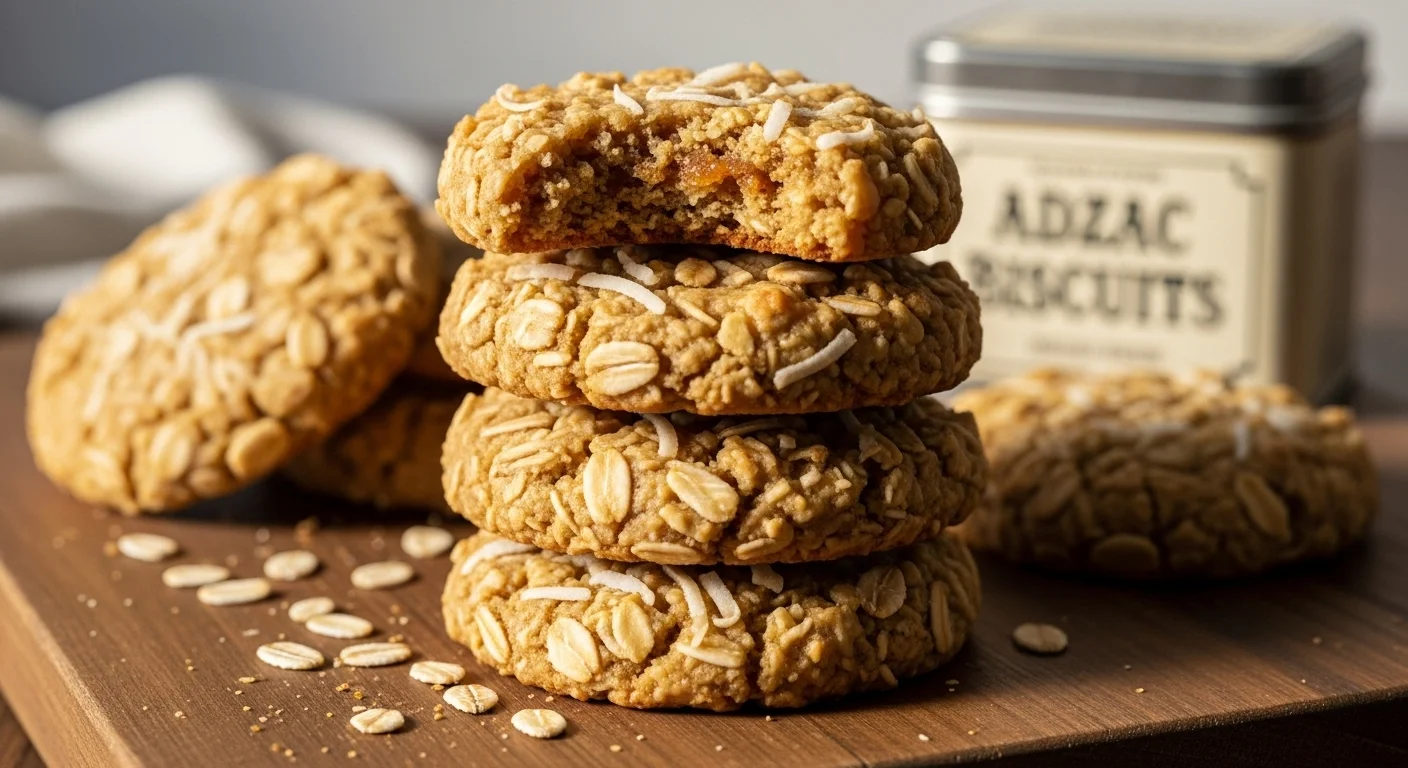
Understanding Anzac Biscuits
When I first encountered Anzac biscuits, I was drawn in by their chewy texture and the delightful combination of flavors. Learning about their history only deepened my appreciation for these cookies. The story behind Anzac biscuits is as rich as their taste, and every bite tells a tale. These oat cookies have roots that stretch back to World War I, where they were sent to soldiers from home. They were designed to withstand long journeys and provide nourishment to troops, which speaks volumes about their robust ingredients. I always find it fascinating how food can connect us across time and space, and Anzac biscuits are a perfect example of this.
The History of Anzac Biscuits
The name “ANZAC” stands for the Australian and New Zealand Army Corps, who fought together during World War I. Families started making these biscuits to send to soldiers because they were simple to prepare and packed with energy. The biscuits didn’t spoil easily, which made them ideal for shipping. I remember the first time I made them; it felt like I was connecting with a piece of history. Each ingredient has its purpose, and learning about their origins made me appreciate them even more. Today, Anzac Day is commemorated every April 25th in Australia and New Zealand, honoring the sacrifices of those who served, and enjoying these biscuits has become part of the tradition. Read Interesting article: This Viral Low-Cal Pasta Trick Actually Works
Traditional Ingredients in Anzac Biscuits
Traditional Anzac biscuits are made with a handful of simple ingredients: rolled oats, flour, sugar, coconut, butter, golden syrup, and baking soda. I love how straightforward the recipe is, yet each ingredient plays a vital role in achieving that signature chewy texture. The oats provide a hearty base, while the coconut adds a hint of sweetness and texture. I remember the first time I baked them; the aroma of butter and golden syrup wafting through my kitchen instantly made me feel at home. It’s a comforting reminder of simpler times.
Why Gluten-Free Variations?
As someone who has explored various dietary needs, I’ve come to understand the importance of gluten-free options. Many people, including friends and family, have gluten sensitivities or celiac disease, and making a gluten-free version of Anzac biscuits allows everyone to enjoy this classic treat. I felt inspired to create a gluten-free version when I noticed how often my friends would miss out on delicious baked goods. By swapping regular oats and flour for gluten-free alternatives, I found a way to preserve the chewy goodness while ensuring that those with dietary restrictions could join in the fun. Plus, experimenting with these variations has opened up a whole new world of flavor and texture!
Ingredients for Classic Gluten-Free Anzac Biscuits
Now that we’ve delved into the history and background of Anzac biscuits, let’s talk about the specific ingredients for making a classic gluten-free version. I’ve come to love the versatility of gluten-free baking, and each ingredient plays a vital role in achieving that perfect cookie.
Gluten-Free Oats
Using gluten-free oats is crucial when making these biscuits. I remember the first time I used them; I was pleasantly surprised at how well they held up in the baking process. Not all oats are gluten-free, so be sure to look for certified gluten-free options. They provide the same chewy texture and flavor that traditional oats do, making them a perfect substitute. I’ve found that brands like Bob’s Red Mill or GF Harvest are reliable choices.
Coconut: Desiccated vs. Shredded
Coconut can add a delightful chewiness to your biscuits. You might come across two types: desiccated and shredded. From my experience, desiccated coconut tends to blend better into the dough, while shredded coconut gives a more textured bite. I enjoy using desiccated coconut for a smoother texture, but if you prefer some extra crunch, go for shredded. It really depends on personal preference!
Sweeteners: Honey vs. Golden Syrup
Traditionally, these biscuits call for golden syrup, which lends a unique flavor and color. However, I’ve experimented with honey, and it works beautifully too. The choice between honey and golden syrup can affect the sweetness and texture slightly. I tend to lean toward golden syrup for that authentic taste, but honey can be a great alternative and is often a staple in many kitchens.
Butter Alternatives for Dairy-Free Options
If you’re looking for a dairy-free version, there are plenty of butter alternatives available. I’ve tried coconut oil and vegan butter in my baking, and both worked surprisingly well. Coconut oil adds a subtle coconut flavor, which complements the oats and coconut beautifully. Just be sure to melt it before mixing to achieve that perfect consistency.
Binding Agents: Flour Alternatives
When it comes to binding agents, using gluten-free flour blends can be a game changer. I often use a mix of almond flour and tapioca flour, which creates a nice chewy texture. It’s essential to find the right blend that works for you. I’ve discovered that trial and error is part of the fun of gluten-free baking!
How to Make Classic Gluten-Free Anzac Biscuits
Now that we’ve gathered all our ingredients, it’s time to dive into the fun part—making our classic gluten-free Anzac biscuits! I remember the excitement I felt the first time I prepared this recipe. It’s like a little ritual in my kitchen, and I can’t wait to share the steps with you.
Step-by-Step Recipe Instructions
Here’s how I make my gluten-free Anzac biscuits:
- Preheat the oven: Start by preheating your oven to 350°F (175°C). This way, the biscuits will bake evenly and turn out just right.
- Prepare your baking sheet: Line a baking sheet with parchment paper. I find this really helps prevent sticking and makes cleanup a breeze.
- Combine dry ingredients: In a large mixing bowl, combine 1 cup of gluten-free oats, 1 cup of gluten-free flour blend, 1 cup of desiccated coconut, and 1 cup of brown sugar. I like to whisk these together to ensure they’re evenly mixed.
- Melt the wet ingredients: In a small saucepan over low heat, melt ½ cup of butter (or your chosen butter alternative) with ¼ cup of golden syrup (or honey). Stir until everything is melted and combined. The aroma is incredible! Let it cool slightly.
- Mix wet and dry ingredients: Pour the melted mixture into the dry ingredients. Use a spatula to mix everything until it forms a wet dough. It should be a bit sticky but still hold together.
- Add baking soda: In a small bowl, dissolve ½ teaspoon of baking soda in 1 tablespoon of hot water. Then, add it to your dough and mix well. This step is key for that chewy texture.
- Shape the biscuits: Using your hands, take small amounts of the dough and roll them into balls. Place them on the baking sheet, leaving space between each ball as they will spread while baking.
- Bake: Bake in the preheated oven for about 10-12 minutes or until the edges are golden brown. I usually keep an eye on them toward the end, as I prefer them slightly chewy.
- Cool: Once done, remove the biscuits from the oven and let them cool on the baking sheet for a few minutes before transferring them to a wire rack to cool completely. The waiting is the hardest part!
And just like that, you have a batch of warm, gluten-free Anzac biscuits ready to enjoy! Read Interesting article: This Korean Honey Butter Chicken Is Breaking the Internet
Tips for Achieving Chewy Texture
Achieving that perfect chewy texture is crucial for Anzac biscuits. From my experience, here are some tips that really help:
- Do not overmix: When combining the wet and dry ingredients, mix just until combined. Overmixing can lead to tougher biscuits.
- Don’t skip the baking soda: This ingredient is essential for creating a chewy texture. It reacts with the syrup and gives the biscuits that delightful rise.
- Keep an eye on the baking time: Every oven is different. I’ve learned that even a minute can make a difference between chewy and crunchy, so check them as they approach the end of the baking time.
- Experiment with moisture: If you find your dough is too dry, you can add a tiny splash of water or a little extra syrup. Just be careful not to make it too wet.
Common Mistakes to Avoid
During my baking journey, I’ve made a few mistakes that taught me valuable lessons. Here are some common pitfalls to avoid:
- Using regular oats: Always use certified gluten-free oats to ensure they’re safe for those with gluten sensitivities.
- Skipping the cooling step: Letting the biscuits cool on the baking sheet helps them set up properly. If you transfer them too soon, they may fall apart!
- Not measuring ingredients accurately: Baking is a science, and being precise with your measurements can really impact the outcome. I always level off my cups for consistency.
- Overcrowding the baking sheet: Give your biscuits enough space to spread. If they’re too close, they may stick together and lose their shape.
By keeping these tips in mind, you’ll be well on your way to baking perfect gluten-free Anzac biscuits that honor both tradition and taste!
Storing and Serving Suggestions
After all the effort of making those delicious gluten-free Anzac biscuits, you’ll want to ensure they stay fresh and tasty. I’ve learned that proper storage is key to preserving their delightful chewy texture and flavor. Let me share my tips for storing and serving these cherished treats!
Best Storage Practices for Freshness
To keep your Anzac biscuits fresh, I recommend storing them in an airtight container. This helps maintain their chewy texture for a longer period. When I first made them, I just tossed them in a regular bowl, but soon realized they went stale much faster that way. A simple airtight container can work wonders!
Another tip I’ve picked up is to layer the biscuits with parchment paper if you’re stacking them. This prevents them from sticking together and helps keep their shape. I usually place a piece of parchment between each layer to ensure they don’t clump. If you live in a humid area, try adding a slice of bread or a small piece of apple in the container; it can help absorb moisture and keep the biscuits fresher.
In my experience, gluten-free Anzac biscuits can last about a week at room temperature. If you want to keep them beyond that, consider freezing them. Just place the cooled biscuits in a zip-top freezer bag, remove the air, and store them in the freezer. They can last for up to three months this way! When you’re ready to enjoy, simply thaw them at room temperature or pop them in the microwave for a few seconds.
How to Serve Anzac Biscuits
Serving Anzac biscuits is one of the most enjoyable parts! I love sharing them with friends and family, especially during gatherings or special occasions. They always spark joy and conversation. When serving, I usually arrange them on a pretty platter that showcases their golden-brown color and inviting texture.
If you’re feeling a bit fancy, you can sprinkle a little sea salt on top before serving. I’ve noticed that the salt enhances the sweetness and creates a lovely contrast. Another fun idea is to serve them with a dollop of whipped cream or a scoop of ice cream. I once hosted a small gathering and served warm Anzac biscuits with vanilla ice cream—everyone loved it!
Sharing these biscuits with a cup of tea or coffee is a classic combo. I believe it’s the perfect way to unwind in the afternoon. My friends and I often have a little “biscuit and tea” ritual, where we savor the biscuits while catching up. It adds a lovely personal touch to the experience.
Pairing Suggestions: Drinks and Snacks
When it comes to pairing drinks and snacks with Anzac biscuits, the options are endless! Personally, I adore them with a hot cup of chai tea. The spices in the chai complement the sweetness of the biscuits beautifully. I also enjoy a simple cup of Earl Grey tea, as the citrus notes really balance the flavors.
If you’re not a tea drinker, coffee is another fantastic choice. I find that a rich, dark roast contrasts nicely with the chewy sweetness of the biscuits. Sometimes, I even whip up a mocha to enjoy with my Anzac biscuits, and it feels like a special treat!
If you’re looking for a snack pairing, consider serving them alongside fresh fruit. I love to slice up apples or pears and enjoy them with the biscuits. The freshness of the fruit adds a nice crunch and balance to the sweetness of the cookies.
For a more indulgent twist, I’ve experimented with dipping the biscuits in melted dark chocolate. Let me tell you, it takes them to another level! The rich chocolate coating combined with the chewy biscuit is absolutely divine. Just make sure to let the chocolate set before serving to avoid a sticky situation!
Variations of Gluten-Free Anzac Biscuits
As I’ve delved deeper into baking, I’ve discovered that variations of gluten-free Anzac biscuits can add an exciting twist to the classic recipe. Experimenting with different flavors and ingredients has been a delightful journey for me. Let’s explore some fun variations that you might love to try!
Chocolate Chip Anzac Biscuits
One of my favorite variations is adding chocolate chips to the classic recipe. The rich, melty chocolate complements the chewy texture of the biscuits perfectly. When I make chocolate chip Anzac biscuits, I usually fold in about a cup of dark or semi-sweet chocolate chips right before shaping the dough. The best part? Watching the chocolate melt slightly during baking, creating little pockets of gooey goodness! It’s a hit at gatherings and a wonderful treat for those who love a chocolatey twist.
Nut and Seed Anzac Biscuits
Another variation I love is incorporating nuts and seeds. I typically use a mix of chopped almonds, walnuts, or even sunflower seeds to add a lovely crunch and boost the nutritional value. When I add nuts, I like to keep the quantity to about half a cup so that the cookies maintain their chewy consistency. This not only adds flavor but also makes the biscuits more filling. I’ve discovered that a bit of chopped dark chocolate and walnuts creates a satisfying combination that’s hard to resist!
Spiced Anzac Biscuits for Seasonal Flavors
During the fall and winter months, I enjoy spicing things up with cinnamon and nutmeg. Adding a teaspoon of ground cinnamon and a pinch of nutmeg to the dry ingredients can transform the flavor profile and add a cozy feel to the biscuits. I remember making spiced Anzac biscuits for a holiday gathering, and the warm, aromatic scent wafting through my kitchen made everyone feel right at home. You could even try adding a bit of ginger for a zesty kick! This variation is especially delightful with a warm cup of apple cider or chai tea.
Health Benefits of Gluten-Free Anzac Biscuits
Beyond their delicious taste, gluten-free Anzac biscuits can also offer some health benefits, especially when made with wholesome ingredients. I’ve taken the time to explore the nutritional aspects of some key ingredients, and I’m excited to share my findings.
Nutrition Facts of Key Ingredients
The primary ingredients in gluten-free Anzac biscuits—oats, nuts, and coconut—are packed with nutrients. Oats are a fantastic source of fiber, which supports digestive health, while nuts provide healthy fats and protein. Coconut, especially when using unsweetened desiccated coconut, adds fiber and some natural sweetness without overwhelming the sugar content. I always feel good knowing that these biscuits can be a satisfying snack without compromising on nutrition!
Gluten Sensitivity and Celiac Disease Considerations
For those with gluten sensitivities or celiac disease, gluten-free Anzac biscuits can be a safe and enjoyable treat. I’ve learned that using certified gluten-free oats is crucial to ensure there’s no cross-contamination. It’s empowering to know that everyone can join in on the fun of baking and enjoying these classic treats without worry!
Healthier Sweetening Options
If you want to make these biscuits even healthier, consider reducing the sugar or opting for natural sweeteners like maple syrup or coconut sugar. I’ve tried using coconut sugar in place of brown sugar, and it gives the biscuits a lovely caramel flavor while also being lower on the glycemic index. It’s fun to experiment with different sweeteners to find what works best for your taste and health goals!
Frequently Asked Questions (FAQs)
Can I Substitute Ingredients?
Absolutely! One of the joys of baking is finding substitutes that work for you. Whether it’s using different types of flour, sweeteners, or butter alternatives, feel free to experiment and find what suits your preferences.
How Long Do They Last?
When stored properly in an airtight container, gluten-free Anzac biscuits can last about a week at room temperature. For longer storage, freezing them is a great option!
Are Anzac Biscuits Vegan-Friendly?
Yes! By using plant-based butter or coconut oil instead of regular butter, and opting for maple syrup instead of honey, you can easily make vegan-friendly Anzac biscuits. It’s a great way to adapt the recipe to suit various dietary needs.
Can I Freeze Anzac Biscuits?
Yes, you can definitely freeze Anzac biscuits! Just ensure they are completely cooled, place them in a zip-top freezer bag, and remove as much air as possible. They can last up to three months in the freezer. Just thaw at room temperature or microwave for a few seconds when you’re ready to enjoy!
Final Thoughts
Baking gluten-free Anzac biscuits has become a cherished part of my routine, allowing me to not only enjoy a delicious treat but also connect with history and loved ones. I hope that by sharing my experiences, you feel inspired to create your own variations and traditions with these classic biscuits. Whether it’s the original recipe or one of the exciting variations, there’s something truly special about enjoying a homemade treat that’s both delicious and meaningful. So, gather your ingredients, put on your apron, and let’s get baking together!
Frequently Asked Questions
What are Anzac biscuits?
Anzac biscuits are sweet, chewy oat cookies that are gluten-free and have a rich history dating back to World War I, where they were sent to soldiers for nourishment.
What does ANZAC stand for?
ANZAC stands for the Australian and New Zealand Army Corps, who fought together during World War I.
What are the traditional ingredients in Anzac biscuits?
The traditional ingredients include rolled oats, flour, sugar, coconut, butter, golden syrup, and baking soda.
How can I make a gluten-free version of Anzac biscuits?
To make gluten-free Anzac biscuits, swap regular oats and flour for certified gluten-free oats and gluten-free flour alternatives.
What are some alternatives to butter for dairy-free Anzac biscuits?
Coconut oil and vegan butter are great alternatives to butter for making dairy-free Anzac biscuits.
How should I store Anzac biscuits to keep them fresh?
Store Anzac biscuits in an airtight container to maintain their chewy texture. Layering them with parchment paper can also help prevent them from sticking together.
Can I freeze Anzac biscuits?
Yes, Anzac biscuits can be frozen. Ensure they are completely cooled, place them in a zip-top freezer bag, and they can last up to three months in the freezer.
What are some common mistakes to avoid when baking Anzac biscuits?
Common mistakes include using regular oats, skipping the cooling step, not measuring ingredients accurately, and overcrowding the baking sheet.
What variations can I try with gluten-free Anzac biscuits?
Variations include adding chocolate chips, incorporating nuts and seeds, or adding spices like cinnamon and nutmeg for seasonal flavors.
Are Anzac biscuits suitable for those with gluten sensitivities?
Yes, gluten-free Anzac biscuits made with certified gluten-free oats are suitable for individuals with gluten sensitivities or celiac disease.