
There’s something magical about the aroma of gingerbread cookies wafting through the kitchen, especially during the holiday season. These classic treats, gluten-free and perfect for decorating, bring joy to both baking and sharing. If you’re looking for more festive ideas, check out 12 Lovely Baking Recipes for Holiday House Guests.
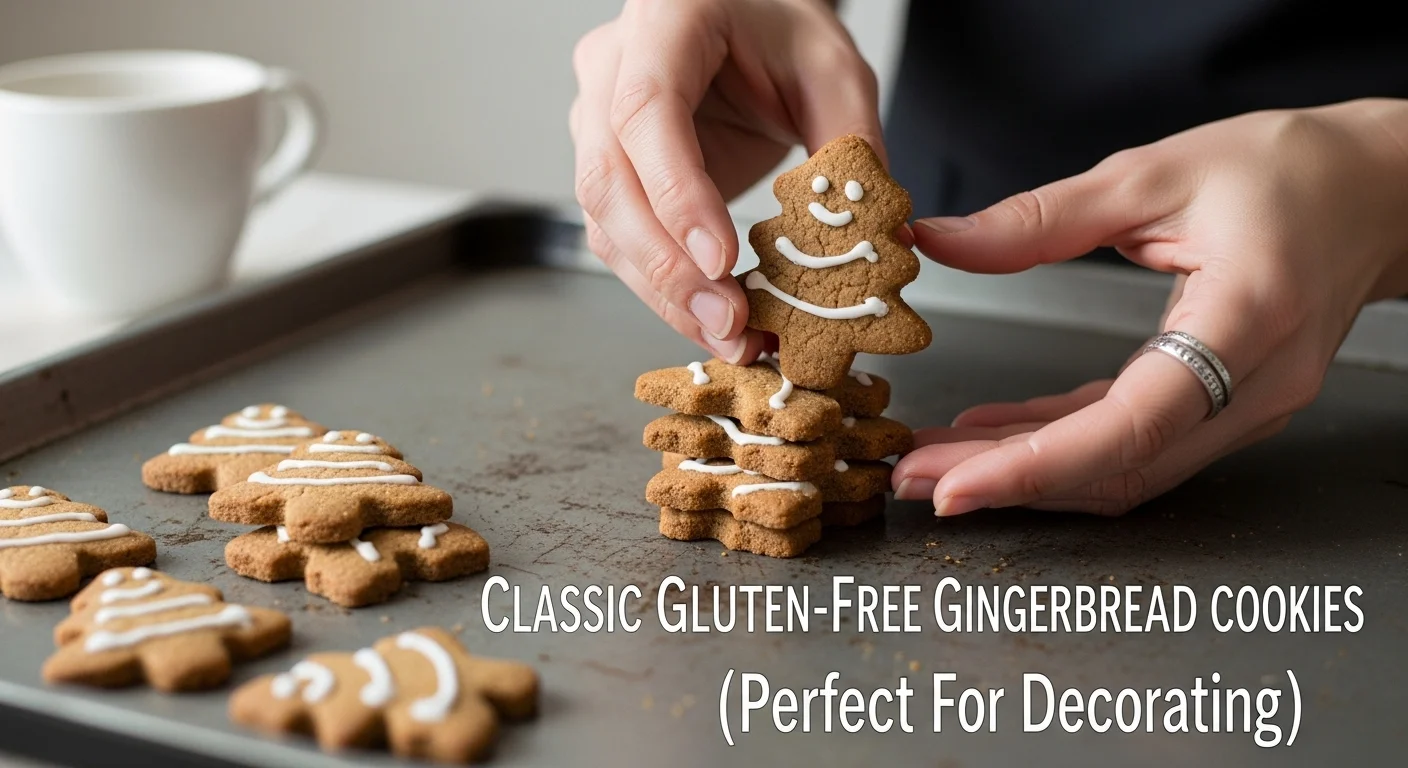
Overview of Gluten-Free Gingerbread Cookies
What Are Gingerbread Cookies?
Gingerbread cookies have a long-standing place in holiday traditions. Originating in Europe, these spiced cookies are often shaped into festive figures like gingerbread men, houses, and ornaments. The warm flavors of ginger, cinnamon, and molasses create a delightful combination that’s hard to resist. For those of us who follow a gluten-free diet, gingerbread cookies can still be a part of our festivities. With the right ingredients, we can enjoy the same rich taste without gluten.
Benefits of Going Gluten-Free
Choosing gluten-free ingredients can be beneficial for various reasons. Some people, like myself, experience gluten sensitivity or celiac disease, which makes it necessary to avoid gluten entirely. Others may simply feel better eating gluten-free foods. I’ve found that experimenting with gluten-free baking can actually enhance my culinary skills. Plus, gluten-free recipes often open up a world of new flavors and textures, making baking a refreshing experience. If you’re interested in exploring more culinary ideas, consider checking out Basic Recipes Every Home Cook Should Know.
Classic vs. Gluten-Free Recipes
When it comes to classic gingerbread cookies, the traditional recipes often rely on all-purpose wheat flour. However, gluten-free recipes require a bit of creativity. I remember my first attempt at gluten-free gingerbread; I was nervous about how it would turn out. To my delight, the cookies were just as delicious! The key difference lies in the choice of gluten-free flours and the right balance of ingredients. By understanding the distinctions between classic and gluten-free recipes, we can still achieve that same nostalgic flavor and texture.
Key Ingredients for Classic Gluten-Free Gingerbread Cookies
Gluten-Free Flours
Choosing the right gluten-free flour is crucial for achieving the perfect texture in gingerbread cookies. I’ve experimented with various blends, and I’ve found that a mixture of almond flour and coconut flour works wonderfully. Almond flour adds moisture and a slight nutty flavor, while coconut flour helps to absorb the extra liquid. You can also use gluten-free all-purpose flour blends that contain xanthan gum, which mimics the elasticity of gluten. Trust me; finding the right blend can make all the difference in your cookies!
Sweeteners: Brown Sugar vs. Honey
When it comes to sweeteners, I like to use brown sugar for that rich, molasses-like flavor that gingerbread is known for. However, honey can also be a great alternative, adding a natural sweetness that complements the spices beautifully. I’ve even tried a mix of both, and it was a hit! Using less refined sugars can also give my cookies a lovely complex flavor while keeping them gluten-free.
Spices: Ginger, Cinnamon, and Cloves
The spices are truly the stars of gingerbread cookies. Freshly grated ginger, ground cinnamon, and cloves create that signature warmth and depth of flavor. I often find myself doubling the spices in my recipes because I love a strong flavor profile. The aroma that fills my kitchen while baking is just incredible! Don’t be afraid to adjust the spice levels to suit your taste; it’s all about personal preference.
Binding Agents: Eggs and Molasses
Binding agents play an essential role in gluten-free baking. Eggs provide structure and help the cookies rise while keeping them moist. I’ve also discovered that molasses isn’t just a sweetener; it acts as a binding agent, giving the cookies that rich, dark color and flavor. If you’re looking for a vegan option, you can substitute with flaxseed meal mixed with water, which works surprisingly well to bind the ingredients together!
As I’ve learned more about baking gluten-free gingerbread cookies, I’ve come to appreciate the importance of each ingredient. Each one contributes to the overall taste and texture. The journey of discovering how to bake these treats has been both rewarding and delicious. I can’t wait to share my favorite recipe and tips with you, so we can create these delightful cookies together! Stay tuned for the next section, where I’ll walk you through the step-by-step process of making these classic gluten-free gingerbread cookies.
Step-by-Step Recipe for Classic Gluten-Free Gingerbread Cookies
Preparation: Tools and Equipment Needed
Before diving into the baking process, it’s essential to gather all the tools and equipment you’ll need. I remember the first time I attempted gluten-free gingerbread cookies; I was running around my kitchen looking for things! Here’s a list of what I recommend having on hand:
- Mixing bowls (a large one for the dough and a smaller one for the icing)
- A hand mixer or stand mixer (if you have one, it makes mixing easier)
- A rolling pin for flattening the dough
- Cookie cutters in festive shapes
- A baking sheet lined with parchment paper
- A cooling rack for letting the cookies cool
- Measuring cups and spoons for accuracy
- A spatula or wooden spoon for mixing
With all your tools ready, you’ll feel more organized and can enjoy the baking process without the frantic searching. Trust me, it makes a difference!
Mixing Ingredients: How to Combine Properly
Now that we have everything set up, it’s time to mix our ingredients. I found that following a specific order can make a big difference in the texture of the cookies. Start by creaming the butter and sugar together until it’s light and fluffy. This step is crucial because it incorporates air into the mixture, which helps the cookies rise. Next, I like to add in the eggs, molasses, and honey, mixing until everything is well combined.
In another bowl, whisk together your gluten-free flours, spices, and baking soda. It’s important to combine the dry ingredients separately first to ensure an even distribution of flavors. Gradually add the dry mixture to the wet ingredients, mixing until a cohesive dough forms. I usually use my hands at this point; it’s a bit messy but so satisfying to feel the dough come together!
Chilling the Dough: Why It’s Important
Once your dough is mixed, it’s time to chill it. This step can’t be skipped! I learned the hard way that skipping the chilling process can lead to cookies that spread too much while baking. By chilling the dough for at least an hour (or overnight if you have the time), you allow the flavors to meld and the dough to firm up, making it easier to roll out later. I often wrap my dough in plastic wrap and pop it in the fridge, then use this time to clean up the kitchen or prepare my decorating supplies.
Baking Instructions: Oven Temperature and Time
Finally, it’s baking time! Preheat your oven to 350°F (175°C). While the oven heats up, roll out your chilled dough on a floured surface (using gluten-free flour, of course!). I like to roll it out to about ¼-inch thickness, which gives the cookies a nice crunch while still being soft inside. Use your cookie cutters to cut out shapes, and place them on your lined baking sheet.
Bake the cookies for about 8-10 minutes, or until the edges are lightly browned. I always keep an eye on them because every oven is different. Once baked, let them cool on the baking sheet for a few minutes before transferring them to a cooling rack. The aroma filling your kitchen at this point is pure bliss, and I can hardly wait to decorate them!
By following these steps, I’ve found that making gluten-free gingerbread cookies can be a fun and rewarding experience. It’s a journey that allows us to connect with the holiday spirit while enjoying delicious treats. Up next, we’ll dive into the fun part: decorating your gluten-free gingerbread cookies!
Decorating Your Gluten-Free Gingerbread Cookies
Essential Decorating Supplies
Now that our gingerbread cookies are baked and cooled, it’s time for the fun part—decorating! I always find that having the right supplies on hand makes this process more enjoyable and less stressful. Here’s what I recommend:
- Decorating bags or squeeze bottles for icing
- A variety of piping tips for different designs
- Food coloring to create vibrant icing
- Assorted candies for embellishments
- Edible markers for drawing details
- Small brushes for applying luster dust or glitter
Gathering these supplies beforehand helps keep everything organized, and it turns decorating into a creative adventure rather than a frantic search for items.
Royal Icing vs. Buttercream Icing
When it comes to icing, I’ve tried both royal icing and buttercream icing. Each has its unique qualities, so it really depends on the look and texture you’re going for. Royal icing is what I typically use for decorating because it dries hard and provides a smooth finish, which is great for detailed designs. To make royal icing, I simply mix powdered sugar, egg whites (or meringue powder if I want to keep it egg-free), and a splash of lemon juice for flavor.
Buttercream icing, on the other hand, is creamy and delicious, perfect for slathering on cookies or creating dimensional decorations. I like to whip up a simple buttercream with softened butter, powdered sugar, vanilla extract, and a splash of milk. It’s perfect for making those little rosettes or embellishing the edges of my cookies. I often find myself alternating between the two for a mix of texture and flavor!
Creative Decoration Ideas
The sky’s the limit when it comes to decorating gingerbread cookies! I love experimenting with different themes and designs. For instance, I might choose a classic holiday theme with red and green icing, or I could go whimsical with pastel colors and fun-shaped candies. Here are some of my favorite decoration ideas:
- Using icing to create intricate patterns, like swirls or snowflakes.
- Adding candy canes or gumdrops for a pop of color and flavor.
- Making festive faces on gingerbread men with various candies and icing.
- Creating a holiday scene by decorating several cookies to form a gingerbread village.
I always encourage letting your creativity shine! Whether you’re going for a simple look or something extravagant, the joy of decorating is in the process.
Using Edible Glitter and Sprinkles
To add that extra sparkle, I can’t resist using edible glitter and sprinkles. There’s something magical about the way they catch the light and make each cookie look festive. I typically sprinkle them on right after piping my icing before it sets, so they stick perfectly. If I’m feeling extra fancy, I might even dust a little luster dust over the finished cookies for that royal touch.
When using edible glitter, I recommend picking up a few different colors to match my theme. I’ve found that gold and silver really elevate the holiday vibe, while bright colors can make a more playful statement. Just remember, a little goes a long way!
As I decorate, I often put on some holiday music or a favorite podcast, making it a fun and relaxing experience. For me, decorating gluten-free gingerbread cookies isn’t just about creating treats; it’s about making memories and embracing the holiday spirit. I can’t wait to share the next part of this journey with you, where I’ll offer tips for making the perfect gluten-free gingerbread cookies!
Tips for Making the Perfect Gluten-Free Gingerbread Cookies
Common Mistakes to Avoid
Throughout my baking adventures, I’ve learned that even small missteps can affect the outcome of gluten-free gingerbread cookies. One common mistake is not measuring ingredients accurately. Gluten-free flours can vary in weight, so I always recommend using a kitchen scale if you have one. Another pitfall is overmixing the dough. While it’s tempting to keep mixing until everything looks perfect, gluten-free dough can become tough if overworked. I’ve also found that not letting the dough chill is a major no-no; skipping this step can lead to cookies that spread too much in the oven. Trust me, I’ve been there, and it’s not a pretty sight!
Storing and Freezing Cookies
After all the hard work of baking and decorating, I want to make sure my cookies stay fresh. I’ve found that storing them in an airtight container keeps them soft and flavorful for several days. If I have a batch that I won’t consume right away, I love to freeze them. I usually wrap each cookie in plastic wrap and then store them in a freezer bag. This way, they can last for up to three months! When I’m ready to eat them, I simply let them thaw at room temperature. It feels like a little holiday surprise every time!
Adjusting the Recipe for Different Dietary Needs
One of the beauties of baking is the ability to tailor recipes to meet various dietary requirements. If someone is vegan, I’ve had great success using flaxseed meal mixed with water as a substitute for eggs. For those avoiding sugar, experimenting with natural sweeteners like maple syrup or stevia can be a fun adventure. Just keep in mind that the texture might vary slightly, so I always recommend starting with a small batch to see how it turns out. The flexibility of these recipes allows us to share the joy of gingerbread cookies with everyone at our holiday gatherings!
Serving Suggestions and Pairings
Pairing with Beverages: Tea and Hot Chocolate
After baking and decorating, serving gluten-free gingerbread cookies with the right beverage can elevate the experience. I love pairing them with a warm cup of spiced chai tea or rich hot chocolate. The warmth of the drinks complements the spices in the cookies, making every bite feel cozy. If you’re feeling adventurous, try adding a dash of peppermint or cinnamon to your hot chocolate for an extra festive twist!
Creating a Gingerbread House: Tips and Tricks
One of my favorite holiday traditions is building gingerbread houses. It’s a fun way to use leftover dough and have a creative outlet! I’ve learned that making the walls a bit thicker provides better stability. Using royal icing as glue helps everything hold together nicely. I usually create a little base with a cardboard piece covered in foil to make it easier to move around. Decorating a gingerbread house is all about having fun, so I encourage you to let your imagination run wild!
Using Leftover Cookies for Other Desserts
If I ever find myself with leftover cookies (which is rare!), I love to crumble them up and use them as a topping for ice cream or yogurt. It adds a delightful spicy crunch that can turn a simple dessert into something special. Another great idea is to make gingerbread cookie truffles by blending the cookies with cream cheese and rolling them into little balls. After dipping them in chocolate, they become a decadent treat that everyone will love!
Final Thoughts
Baking gluten-free gingerbread cookies has turned into a cherished tradition for me, one that brings not only delicious treats but also wonderful memories with family and friends. The process is filled with creativity, from mixing the ingredients to decorating the cookies, and I find joy in sharing these moments with others. Each batch tells a story; whether it’s a perfect outcome or a little mishap, it all adds to the experience. I hope you feel inspired to create your own gluten-free gingerbread cookies, filled with love, laughter, and holiday spirit!
Frequently Asked Questions
What are gingerbread cookies?
Gingerbread cookies are spiced treats that originated in Europe, often shaped into festive figures like gingerbread men, houses, and ornaments. They are known for their warm flavors of ginger, cinnamon, and molasses.
Can gingerbread cookies be made gluten-free?
Yes, gingerbread cookies can be made gluten-free by using the right ingredients, allowing those who follow a gluten-free diet to enjoy the same rich taste without gluten.
What are some benefits of choosing gluten-free ingredients?
Choosing gluten-free ingredients can help those with gluten sensitivity or celiac disease avoid gluten. Additionally, some people feel better eating gluten-free foods, and experimenting with gluten-free baking can enhance culinary skills and introduce new flavors and textures.
What types of flour work best for gluten-free gingerbread cookies?
A mixture of almond flour and coconut flour works well for gluten-free gingerbread cookies. Gluten-free all-purpose flour blends that contain xanthan gum can also be used to mimic the elasticity of gluten.
What sweeteners can be used in gluten-free gingerbread cookies?
Brown sugar is commonly used for its rich, molasses-like flavor, but honey is also a great alternative that adds natural sweetness. A mix of both can also create a delicious flavor profile.
Why is it important to chill the dough before baking?
Chilling the dough is essential to prevent the cookies from spreading too much while baking. It also allows the flavors to meld and makes the dough easier to roll out.
What are the essential tools needed for making gluten-free gingerbread cookies?
Essential tools include mixing bowls, a hand mixer or stand mixer, a rolling pin, cookie cutters, a baking sheet lined with parchment paper, a cooling rack, measuring cups and spoons, and a spatula or wooden spoon for mixing.
What type of icing is best for decorating gingerbread cookies?
Royal icing is often preferred for decorating because it dries hard and provides a smooth finish, making it great for detailed designs. Buttercream icing is creamy and delicious, suitable for slathering on cookies or creating dimensional decorations.
How should gluten-free gingerbread cookies be stored?
Gluten-free gingerbread cookies should be stored in an airtight container to keep them soft and flavorful for several days. They can also be frozen by wrapping each cookie in plastic wrap and storing them in a freezer bag for up to three months.
What are some creative ways to use leftover gingerbread cookies?
Leftover cookies can be crumbled and used as a topping for ice cream or yogurt, or blended with cream cheese to make gingerbread cookie truffles dipped in chocolate.