
If you’re a pasta lover like me, the world of classic Italian noodles is a treasure trove waiting to be explored. Each variety carries its own story, tradition, and flavor that can transform any meal into a delightful experience.
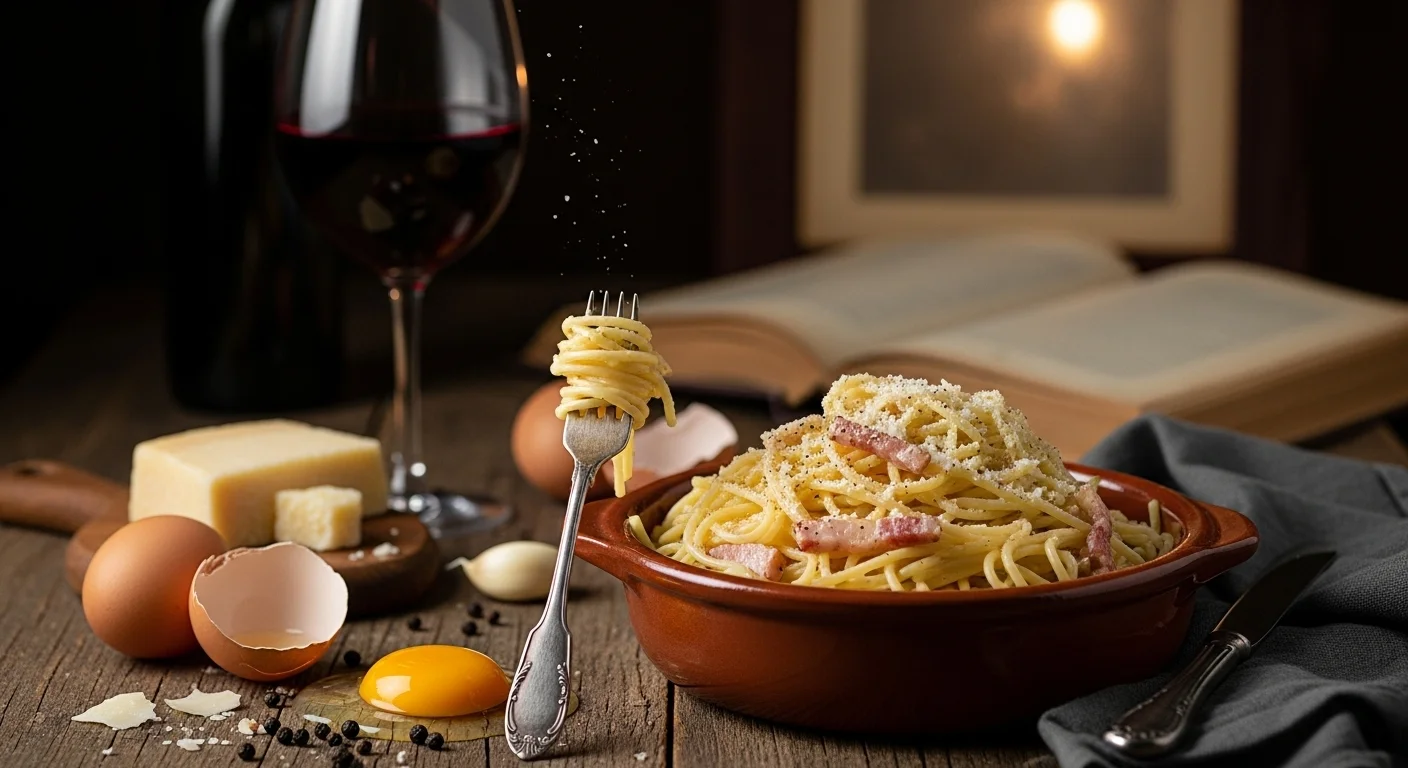
Discovering Classic Italian Noodles
Italian cuisine is celebrated worldwide, and one of its most beloved aspects is pasta. I remember the first time I truly appreciated the variety of classic Italian noodles. It was a warm summer evening, and my family gathered around the dinner table, the air filled with the aroma of freshly cooked pasta. Each type of noodle we tried that night was a revelation. From the silky strands of spaghetti to the robust shapes of pappardelle, I realized that each noodle brings something unique to the table.
1. Spaghetti
Let’s start with the iconic spaghetti. This long, thin noodle is often the first pasta I think of. Spaghetti is incredibly versatile and pairs well with a variety of sauces. I’ve enjoyed it with everything from a simple garlic and olive oil (aglio e olio) to a hearty marinara. One of my favorite memories is making spaghetti with my grandmother. She taught me how to make her famous tomato sauce, which simmered for hours. The simple act of twirling the spaghetti around my fork, savoring each bite, is a memory I cherish.
In my experience, the best spaghetti is made from high-quality durum wheat semolina and cooked to al dente perfection. This means it should be firm to the bite but not hard. A generous sprinkle of freshly grated Parmesan cheese elevates the dish even further, adding a rich, nutty flavor.
2. Fettuccine
Next up is fettuccine, a flat, thick noodle that I adore for its ability to hold onto sauces. My first taste of fettuccine alfredo was life-changing. The creamy sauce clung to each noodle, creating a luscious mouthful with every bite. It’s hard not to love a dish that combines butter, cream, and cheese all in one! I often find myself recreating this dish at home, experimenting with the balance of ingredients until it feels just right.
Fettuccine also shines in other dishes, such as fettuccine with mushroom sauce or even a classic bolognese. The wide surface area of the noodle allows it to soak up flavors, making each bite deliciously satisfying. I’ve learned that the key is to cook the fettuccine just enough so it retains a bit of texture while melding nicely with the sauce.
3. Pappardelle
Pappardelle is another favorite of mine. These broad, flat noodles are perfect for rich, meaty sauces. I remember trying pappardelle for the first time while visiting Tuscany. It was served with a slow-cooked ragù, and I was hooked. The way the sauce envelops each wide noodle creates a comforting dish that warms the soul.
When making pappardelle at home, I like to pair it with braised meats, such as lamb or beef, allowing the flavors to meld beautifully. I’ve found that cooking the ragù low and slow is essential. The longer it cooks, the deeper the flavors become. Sometimes, I’ll even add a splash of red wine to the sauce for an extra depth that just sings when paired with the pasta.
4. Linguine
Linguine, a flat noodle that’s slightly narrower than fettuccine, is a fantastic choice for seafood dishes. I have fond memories of a beach vacation where I enjoyed linguine alle vongole, or linguine with clams. The fresh clams combined with garlic, olive oil, and parsley created a dish that tasted like the ocean on a plate. I remember savoring every bite while listening to the waves crash nearby.
What I love about linguine is its ability to balance delicate flavors without overpowering them. It pairs beautifully with light sauces, making it an excellent choice for summer meals. I’ve also enjoyed it with a simple lemon and caper sauce, which brightens the dish and brings everything together. For me, linguine is a reminder of the beauty in simplicity.
5. Orecchiette
Orecchiette, meaning “little ears” in Italian, is a unique pasta shape that I’ve grown to appreciate for its ability to hold sauces. I first encountered it in a dish called orecchiette alle cime di rapa, which features the pasta with turnip tops, garlic, and anchovies. The combination was stunning, and I loved how each little ear cradled the sauce.
This pasta shape is also fantastic in salads, and I often toss it with fresh vegetables, olives, and a drizzle of olive oil for a quick, satisfying meal. Orecchiette is playful in its shape and texture, making it a fun addition to any pasta repertoire.
As I reflect on my experiences with these classic Italian noodles, I realize that pasta is more than just a meal; it’s a way to connect with family and friends, share traditions, and create lasting memories. Each type of noodle has its own character, and I invite you to explore them all. Who knows? You might just find your new favorite pasta dish along the way!
More Classic Italian Noodles to Explore
As I delve deeper into the world of Italian pasta, I find myself captivated by even more varieties that deserve a spot on our plates. Each type of noodle not only brings its own texture but also influences the flavor of the dishes we create. Let’s explore some additional classic Italian noodles that have won my heart.
6. Penne
Penne is one of those noodles that I always keep stocked in my pantry. Its distinctive tube shape and angled edges make it an ideal candidate for holding onto sauces. I remember a cozy dinner with friends where we made a delicious penne alla vodka. The creamy tomato sauce enveloped each piece, and the combination of flavors was simply irresistible. It’s hard to forget the laughter and good times as we gathered around the table, each of us sharing our take on the dish.
What I enjoy most about penne is its versatility. Whether I’m tossing it with a fresh basil pesto or baking it in a hearty pasta al forno, it always delivers. I’ve experimented with adding different proteins, like chicken or sausage, along with a medley of vegetables. The result is a comforting, hearty dish that feels like a warm hug.
7. Farfalle
Farfalle, or “butterfly” pasta, is another favorite that adds a whimsical touch to any meal. I first discovered farfalle in a pasta salad, and I was instantly charmed by its unique shape. The way it holds dressings and ingredients makes it perfect for summer gatherings. I love to toss farfalle with cherry tomatoes, mozzarella, and arugula drizzled with a balsamic vinaigrette. It’s light, refreshing, and reminds me of sunny picnics with friends.
Farfalle’s playful shape also works well in warm dishes. I’ve made creamy farfalle with asparagus and peas for a delightful springtime meal. The bright colors of the vegetables against the creamy sauce make for a visually appealing plate, and the combination of flavors is simply delightful. I’ve found that farfalle can easily transition from a side dish to a main course, making it a staple in my cooking repertoire.
8. Rigatoni
Then there’s rigatoni, a hearty pasta that’s perfect for those days when I crave something filling. Its larger, ridged surface means it can hold onto robust sauces beautifully. I remember a chilly evening when I made rigatoni with a rich meat sauce. The warmth of the dish filled my kitchen and my heart, and sitting down to enjoy it felt like a true comfort.
What I love about rigatoni is how it stands up to bold flavors. I often use it in baked pasta dishes, layering it with cheese and sauce for a bubbling, golden masterpiece. I’ve also enjoyed rigatoni with a spicy arrabbiata sauce, where the heat from the chili flakes perfectly complements the pasta’s texture. There’s something so satisfying about digging into a bowl of rigatoni, knowing it will fill me up and bring joy.
9. Tagliatelle
Tagliatelle is another flat noodle that I can’t resist. It’s similar to fettuccine but slightly thinner and often made fresh. I remember my first time trying homemade tagliatelle at a charming trattoria in Bologna. The texture was unlike anything I had ever tasted, and I was blown away by the simplicity of the dish—just a drizzle of olive oil and a sprinkle of Parmesan. The beauty of tagliatelle shines in its ability to elevate even the simplest of preparations.
In my own kitchen, I love to pair tagliatelle with a classic ragù or a light lemon butter sauce. The noodle’s ability to soak up flavors while maintaining a delightful bite makes every mouthful a pleasure. I’ve also experimented with adding sautéed vegetables or shrimp, creating a dish that balances richness and freshness in every bite.
10. Cannelloni
Lastly, let’s not forget about cannelloni, a type of pasta that is often overlooked. These large tubes are perfect for stuffing with various fillings, and I find them incredibly satisfying to make. I remember a family gathering where we prepared cannelloni filled with ricotta and spinach, topped with marinara sauce and melted cheese. As we assembled the dish together, laughter filled the kitchen. The anticipation of the baked cannelloni bubbling in the oven added to the excitement.
What I appreciate about cannelloni is how adaptable it is. I’ve filled it with everything from roasted vegetables to hearty meat mixtures, allowing for creativity in the kitchen. Once baked, the flavors meld together beautifully, creating a comforting dish that is perfect for sharing. Every bite is like a warm hug, and I always feel a sense of accomplishment after preparing it.
As I continue to explore these classic Italian noodles, I find that each shape offers a unique experience and opportunity for creativity in the kitchen. Each meal becomes a chance to bond with loved ones over shared stories and flavors. I encourage you to dive into this delicious journey of pasta discovery. Whether you’re trying a new recipe or revisiting an old favorite, these noodles are sure to bring joy and comfort to your table.
Regional Specialties: Unique Noodles from Italy
As I’ve journeyed through the diverse world of Italian pasta, I’ve discovered that different regions have their own unique specialties. These regional noodles each tell a story of local ingredients and traditions, and exploring them has expanded my appreciation for Italian cuisine even further. Let’s take a closer look at some of these delightful regional noodles that I believe everyone should try.
11. Trofie
Trofie is a charming, twisted pasta from the Liguria region. I first encountered it in a traditional pesto dish, and I was instantly smitten. The little spirals of trofie are fantastic for capturing the vibrant flavors of basil, garlic, and pine nuts in pesto. I remember making it at home, and the aroma just filled my kitchen. We tossed the trofie with the green sauce, and it felt like summer on a plate.
What I love about trofie is its unique shape and texture, which adds a delightful chewiness to each bite. It works well with other light sauces, too. I’ve experimented with trofie in baked dishes or even paired with a light seafood sauce. Each time I cook with it, I’m reminded of the refreshing coastal flavors of Italy.
12. Maltagliati
Maltagliati, which translates to “badly cut,” is a rustic pasta that I have grown to appreciate for its imperfections. This irregularly shaped pasta hails from the Emilia-Romagna region. I first tried it in a soup, and I was struck by how the shape added a hearty element to the dish. Each piece seems to hold on to the broth, creating a comforting and satisfying meal.
Whenever I make maltagliati, I enjoy throwing in seasonal vegetables and beans or even using it in a rich ragù. The beauty of this pasta lies in its versatility; it’s perfect in soups but equally delightful in creamy sauces or tossed with fresh herbs. I love how making maltagliati feels like a celebration of homemade cooking—nothing needs to be perfect.
13. Cavatappi
Cavatappi is another delightful find, resembling a corkscrew. I’ve enjoyed cavatappi in various dishes, but one of my favorite experiences was making it with a spicy arrabbiata sauce. The spirals of pasta really soak up the flavors, making each bite a burst of deliciousness. I remember serving it at a small gathering with friends, and it was a hit!
This pasta shape is fantastic for adding texture to dishes. I often use it in baked pasta casseroles, where the cheese melts beautifully, clinging to the twists and turns of the cavatappi. It’s also a great choice for pasta salads, as it holds up well against dressings and mix-ins. Whether served hot or cold, cavatappi is a guaranteed crowd-pleaser.
14. Anolini
When it comes to stuffed pasta, anolini is a gem from the Emilia-Romagna region. These small, filled pasta shapes are usually made with a rich filling of meats, cheeses, or vegetables. I remember my first taste of anolini in a broth, where the delicate pasta danced in a savory, aromatic soup. The flavors mingled perfectly, and I couldn’t help but savor each bite.
What I find enchanting about anolini is its adaptability. I’ve enjoyed them in broths, but they’re also delicious when served with a drizzle of olive oil and a sprinkle of Parmesan. Making anolini at home can be a bit of a labor of love, but the joy of sharing them with family makes it all worthwhile. Each little dumpling feels like a hug from the kitchen.
15. Bigoli
Bigoli is a unique pasta from the Veneto region, often made with whole wheat flour, giving it a distinct flavor and texture. The thick, spaghetti-like noodles are perfect for robust sauces. I remember trying bigoli with a duck ragù, and I was blown away by how well the flavors complemented each other. The richness of the sauce clung beautifully to the pasta.
What I appreciate about bigoli is its heartiness. It’s a pasta that can stand up to strong flavors, making it ideal for winter dishes. I’ve enjoyed it with various sauces, from rich meat sauces to simple olive oil and garlic preparations. Bigoli has become a staple in my kitchen, especially when I want something filling and comforting.
16. Pici
Then there’s pici, a hand-rolled pasta from Tuscany that I can’t get enough of. These thick, spaghetti-like noodles are often served with a simple garlic and olive oil sauce or a hearty meat ragù. I remember making pici at a cooking class in Tuscany, where we rolled out the dough by hand. The experience was as enjoyable as the meal itself!
Pici is incredibly satisfying to eat, and I love how it captures flavors so well. I’ve enjoyed it with a variety of sauces, but my favorite remains the classic cacio e pepe, where the cheese and pepper create a creamy coating for the noodles. Each bite transports me back to that beautiful Tuscan countryside.
As I explore these regional specialties, I realize how each noodle carries with it a piece of Italian culture and tradition. The beauty of Italian cuisine lies not only in the flavors but in the stories behind each dish. I encourage you to seek out these regional noodles and try your hand at preparing them. Who knows? You might just find a new favorite that inspires you to create your own culinary memories!
Frequently Asked Questions
“`htmlWhat is the significance of classic Italian noodles in Italian cuisine?
Classic Italian noodles are celebrated for their unique stories, traditions, and flavors, transforming meals into delightful experiences and connecting families and friends.
What is spaghetti and how is it typically enjoyed?
Spaghetti is a long, thin noodle that is versatile and pairs well with various sauces such as aglio e olio and marinara. It is best made from high-quality durum wheat semolina and cooked to al dente perfection.
What makes fettuccine a favorite among pasta lovers?
Fettuccine is a flat, thick noodle known for its ability to hold onto sauces. It is delightful in creamy dishes like fettuccine alfredo and works well in a variety of other sauces.
What is pappardelle and with what types of sauces is it typically paired?
Pappardelle is a broad, flat noodle that is great for rich, meaty sauces, such as slow-cooked ragù. It pairs well with braised meats and benefits from long cooking times to deepen flavors.
How is linguine distinct from other pasta shapes?
Linguine is a flat noodle that is slightly narrower than fettuccine, making it an excellent choice for seafood dishes. It balances delicate flavors and pairs beautifully with light sauces.
What is orecchiette and how is it typically served?
Orecchiette, meaning “little ears,” is a unique pasta shape that holds sauces well. It is often served with dishes like orecchiette alle cime di rapa or tossed in salads with fresh vegetables.
Why do people enjoy penne in their pasta dishes?
Penne is a tube-shaped noodle that is versatile and ideal for holding sauces. It is commonly used in dishes like penne alla vodka and can be paired with various proteins and vegetables.
What is farfalle and in what types of dishes is it typically used?
Farfalle, or “butterfly” pasta, is known for its whimsical shape and is often used in pasta salads or light dishes. It holds dressings well and can also be prepared in creamy dishes.
What are the characteristics of rigatoni?
Rigatoni is a hearty pasta with a larger, ridged surface that holds robust sauces beautifully. It is perfect for baked pasta dishes and stands up to bold flavors.
What is unique about trofie as a type of pasta?
Trofie is a twisted pasta from Liguria, ideal for capturing the flavors of pesto. Its unique shape and texture add a delightful chewiness, making it great for light sauces and baked dishes.
“`