
Every season brings unique flavors and traditions, but few culinary delights compare to the joy of seasonal dumplings. These little pockets of goodness, filled with seasonal ingredients, are not just food; they tell stories of culture and connection.
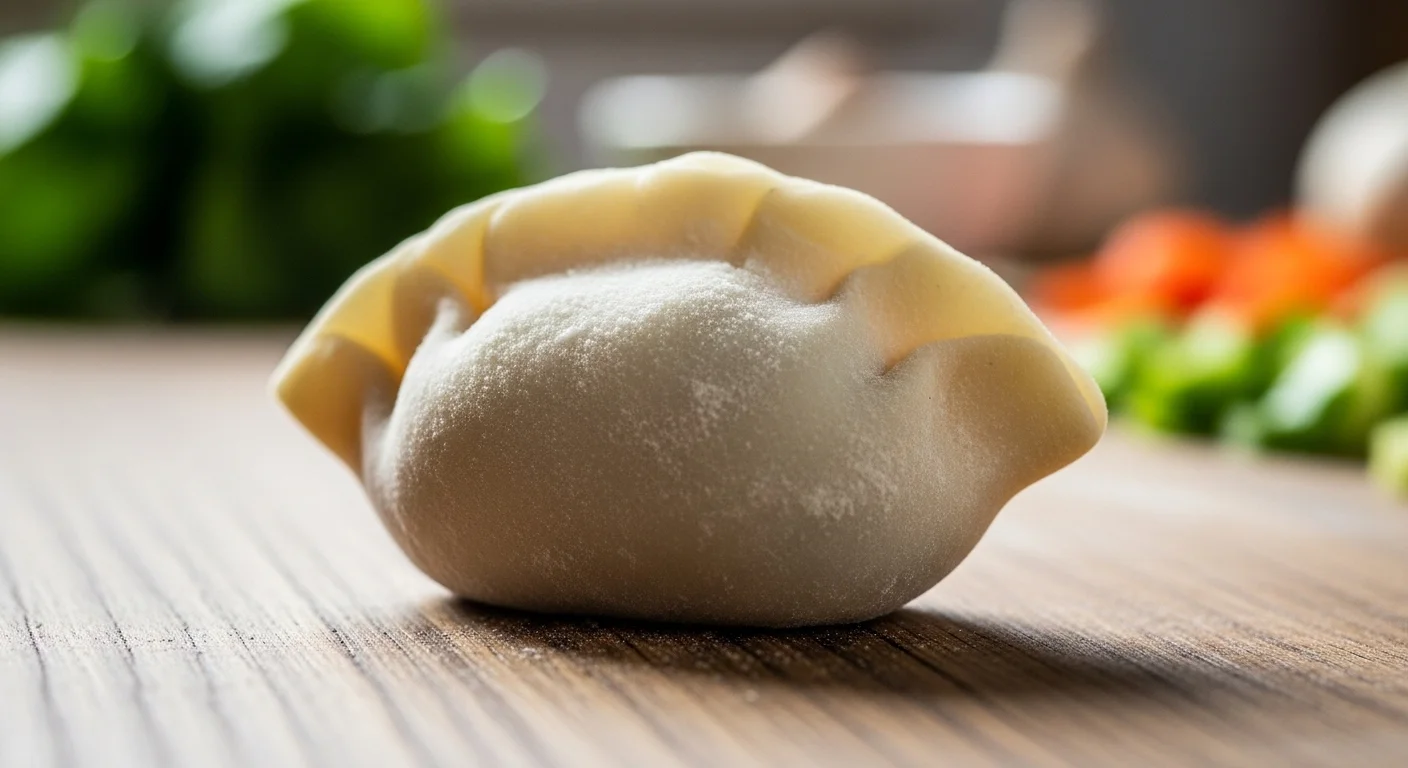
Exploring the World of Seasonal Dumplings
When I think about dumplings, a wave of nostalgia washes over me. Growing up, my family gathered around the kitchen table, rolling out dough and sharing stories while we filled each dumpling with our favorite seasonal ingredients. It was more than just cooking; it was about family, tradition, and the joy of eating together. As I grew older and traveled more, I discovered that dumplings are a universal comfort food, celebrated across different cultures, especially during specific seasons. Each region has its own take, and I’ve had the pleasure of tasting many of them. Let’s dive into the world of classic seasonal dumplings that everyone should try at least once.
Spring: Fresh Herb and Vegetable Dumplings
Spring carries a sense of renewal, and this is reflected beautifully in its dumplings. My favorite spring dumplings are filled with fresh herbs and vibrant vegetables. Imagine biting into a delicate wrapper that gives way to a burst of flavor from freshly picked spinach, chives, and spring onions. I remember the first time I made these with my grandmother. We would head to the local farmer’s market, picking out the freshest greens available. The process of chopping, mixing, and wrapping was filled with laughter and the occasional flour fight, a highlight of our spring ritual.
One tip I learned from my grandmother is to always blanch your greens before using them as a filling. This keeps the colors bright and makes the flavors pop. After we filled the dumplings, we would steam them until they were tender and then serve them with a light soy sauce mixed with a hint of sesame oil. The simplicity of the dish allowed the fresh ingredients to shine, and every bite felt like a celebration of the season.
Summer: Fruit and Sweet Dumplings
Summer brings an abundance of sweet fruits, and I can’t resist making fruit-filled dumplings during this season. Think of juicy peaches, tart cherries, or even ripe strawberries. I remember the first time I made sweet dumplings using a recipe I found in an old cookbook. The sun was shining, and I decided to have a little cooking session with my friends. We spent the afternoon peeling and chopping fruits, experimenting with different combinations. Each of us brought our favorite summer fruits, and the kitchen filled with laughter as we tried to outdo one another with our creative fillings.
For sweet dumplings, I prefer a slightly thicker dough that holds up well when boiled, but still feels soft and chewy. Once we made the dumplings, we boiled them and tossed them in a mixture of melted butter and sugar. The result was heavenly! We served them warm with a scoop of vanilla ice cream, and I can still remember the smiles on everyone’s faces. It’s a delightful way to savor the sweetness of summer.
Autumn: Savory Pumpkin and Sage Dumplings
As the leaves turn and the air gets crisp, autumn brings a new palette of flavors to the table. One of my all-time favorites is pumpkin and sage dumplings. The first time I tried this combination was at a small restaurant during a fall festival. The warmth of the pumpkin combined with the earthiness of sage was a match made in heaven. I knew I had to recreate it at home.
To make these dumplings, I roast fresh pumpkin until it’s tender and blend it with ricotta cheese, grated Parmesan, and finely chopped sage. The filling is rich and comforting, which perfectly captures the essence of fall. I remember hosting a dinner party where I served these as an appetizer. Everyone was curious to try them, and they quickly became the star of the evening. We paired the dumplings with a simple brown butter sauce, drizzling it generously over each one. The nutty flavor of the brown butter elevated the dish, making it a seasonal delight that I now make every autumn.
Winter: Hearty Meat and Cabbage Dumplings
When winter rolls around, I crave something hearty and filling. That’s when I turn to meat and cabbage dumplings, a classic comfort food that warms the soul. I was introduced to this dish during a winter gathering with friends who have Eastern European roots. They shared their family recipe with me, and I was instantly hooked. The combination of ground meat, finely chopped cabbage, and spices wrapped in a dough that holds up well to boiling is simply irresistible.
One thing I love about making these dumplings is how versatile they are. You can use pork, beef, or even a blend of meats, depending on your preference. I remember spending an entire afternoon with my friends making these dumplings for a cozy potluck. We filled them with our favorite spices, and the air was filled with a delicious aroma as we cooked them in a large pot. They were perfect served with a dollop of sour cream and a sprinkle of fresh dill. Each bite was a reminder of home, warmth, and the joy of sharing good food with loved ones.
As I reflect on these seasonal dumplings, I realize that they are more than just a meal; they are a link to our past, a celebration of the present, and a source of joy for the future. I encourage you to try making these dumplings in your kitchen. Each season offers a unique opportunity to explore and savor the flavors that nature has to offer. With each bite, you’re not just tasting the ingredients, but also the love and memories that come with them. Let’s keep this tradition alive and celebrate the beauty of seasonal dumplings together!
Creating Your Own Dumpling Tradition
As I reminisce about these delightful dumpling experiences, I find myself wanting to share the joy of making them with others. The beauty of dumpling-making is that it’s not just about the end result; it’s the entire process that brings people together. I remember the first time I invited my friends over for a dumpling-making party. I wanted to create a fun and interactive experience that would not only fill our bellies but also our hearts with laughter and memories.
Preparing for the party was a joyful task. I made a list of ingredients and then sent out a call to my friends, asking them to bring their favorite fillings. The excitement was palpable as we gathered in my kitchen, each person with a bag of goodies in hand. Some brought fresh vegetables, others brought meats or mushrooms, and one friend even brought homemade kimchi, which I was eager to incorporate into our dumplings.
Setting the Stage
To kick off our evening, I set up a long table in my dining room, covering it with flour to create a workspace. It felt like an invitation to creativity. I mixed up a big batch of dough, kneading it until it was just the right consistency—soft but not too sticky. I can still hear the laughter as we rolled out the dough together, our hands dusted with flour, and our spirits high. Each of us took turns cutting out circles from the dough, and soon enough, the table was filled with a colorful array of ingredients, waiting to be wrapped up in our little pockets of joy.
Filling and Folding
The real fun began when we started filling and folding the dumplings. I remember the first dumpling I made that night—my friend had brought a delicious combination of ground pork and chives. I carefully placed a spoonful of filling onto the dough and attempted my best pleating technique, inspired by all those dumplings I had watched my family make. It wasn’t perfect, but it was mine, and I felt a sense of pride as I placed it on the tray. Everyone was helping each other, sharing tips and tricks, and I loved watching each person’s unique style emerge. Some went for classic folds, while others got creative, adding their own flair.
As we filled the dumplings, we shared stories and laughter, reminiscing about our childhoods and the dishes that made us feel at home. It was during this time that I truly understood how food connects us—not just through the flavors but through the memories and experiences we associate with them. I think everyone felt a little bit of magic that night, knowing we were creating something special together.
Cooking and Sharing
Once all our dumplings were filled, it was time to cook them. We decided to steam half and pan-fry the other half. The sound of sizzling dumplings in the pan was music to my ears. The aroma filled the room, making our mouths water in anticipation. We gathered around the stove, watching as the dumplings turned golden brown and crisp on the outside. It was almost like a mini cooking show, and I felt a sense of joy seeing my friends enjoy the process as much as the results.
When it came time to eat, we set out a beautiful spread with dipping sauces—soy sauce, chili oil, and even a tangy vinegar-based sauce my mom used to make. I watched as each person took their first bite, their eyes lighting up with delight. The flavors were rich and varied, a true testament to our collective efforts. We swapped dumplings, each trying the different fillings, and I was amazed by how diverse our creations turned out to be.
Building a Dumpling Legacy
That night not only filled our bellies but also created a new tradition among my friends and me. We decided to make our dumpling night an annual event, where we could gather, share stories, and create new flavors together. Each year, we chose a theme or a specific type of dumpling to explore. Sometimes we’d go for an international flair, like experimenting with Japanese gyoza or Tibetan momos, while other times we’d stick to what felt familiar and comforting.
As time went on, I began to realize that these gatherings were more than just about eating; they had become a way for us to bond and create lasting memories. Each dumpling we made carried with it a story—of laughter, friendship, and love. I encourage you to think about how you can create your own dumpling tradition. It doesn’t have to be elaborate; just gather your loved ones, share ingredients, and let the magic happen. You’ll be surprised at how quickly those moments turn into cherished memories that you’ll look forward to year after year.
So, whether it’s a cozy kitchen filled with laughter or a gathering of friends around a table, let’s keep the dumpling tradition alive. Each season, each bite, and each shared moment is a celebration of connection, culture, and the joy of cooking together. I can’t wait to hear about the flavors you discover and the memories you create!
Exploring Dumpling Variations Across Cultures
As I dove deeper into the world of dumplings, I couldn’t help but marvel at how different cultures have embraced this humble dish. Each region has its unique spin, influenced by local ingredients, traditions, and cooking techniques. I remember the first time I tried a variety of dumplings from around the globe, and it opened my eyes to the endless possibilities and flavors that dumplings can offer.
Chinese Jiaozi
One of the most famous types of dumplings is the Chinese jiaozi. I had my first taste of these during a Chinese New Year celebration with some friends. The tradition of making jiaozi during this time is rich, symbolizing wealth and prosperity. We gathered around a table, and I was amazed at how everyone had their own way of folding the dumplings. Some were perfectly pleated, while others had their own quirky shapes. I loved how each dumpling was a reflection of the person who made it.
The filling can vary widely, but I’ve found that a classic combination of ground pork, ginger, garlic, and green onions never fails to impress. The secret to a great jiaozi is in the dipping sauce—it’s all about balancing flavors. I learned to mix soy sauce, vinegar, and a dash of chili oil for a tasty kick. Sinking my teeth into a jiaozi, I could taste the love and tradition that went into its making, and it made the experience all the more special.
Korean Mandu
Another delightful experience came when I tried Korean mandu. I remember walking into a friend’s home during a gathering, and the smell of sizzling mandu wafted through the air. These dumplings are often filled with a mix of ground meat, vegetables, and tofu, creating a hearty bite. I was fascinated by the different ways they were prepared—some were steamed, some boiled, and others pan-fried until they were crispy. Each method brought out a unique flavor profile.
What truly struck me about mandu was the communal aspect of making them. My friend’s family took pride in their recipe, and they welcomed me into their kitchen to help. I felt like I was part of a ritual, rolling the dough and filling each mandu while sharing stories. I still remember how we dipped them in a spicy sauce made with gochujang, which added a delightful heat that complemented the filling perfectly. It not only filled our stomachs but bonded us through laughter and shared experiences.
Italian Ravioli
During my culinary explorations, I also discovered the Italian ravioli, which holds a special place in my heart. I remember attending an Italian cooking class, where we learned to make fresh pasta from scratch. The moment the dough was rolled out and filled with a rich mixture of ricotta and spinach, it felt like pure magic. I loved the tactile experience of pressing the edges to seal in the filling, ensuring that none of that deliciousness would escape.
After boiling the ravioli, we tossed them in a simple tomato sauce infused with basil and garlic. I remember the satisfying sound of the sauce sizzling in the pan as we plated our creation. Each bite of the ravioli was a reminder of how versatile dumplings can be, transcending cultural boundaries while still delivering that comforting feeling of being at home.
Russian Pelmeni
My culinary journey wouldn’t be complete without mentioning Russian pelmeni. I first encountered these dumplings during a winter festival, where they were served steaming hot with a dollop of sour cream. The comforting warmth of the pelmeni was perfect for the chilly weather, and I was instantly hooked. Traditionally, pelmeni are filled with a mix of meats and seasoned with spices, creating a hearty and satisfying meal.
I remember the joy of making pelmeni with friends on a snowy weekend. We rolled the dough and cut out circles, filling them with a combination of beef and pork seasoned with onion and garlic. What I loved about making pelmeni was the simplicity of the ingredients and the way they came together to create something beautiful. Each bite was a burst of flavor, and it felt like a warm hug on a cold day.
Indian Dumplings: Momo and Samosa
Then there are the Indian dumplings—momo and samosa—that offer their own unique flair. I had a delightful experience at an Indian street food festival where I tried both. The momos, often filled with spiced vegetables or ground meat, were steamed to perfection and served with a tangy dipping sauce. I loved how the flavors were bold and vibrant, reflecting the spices that are integral to Indian cuisine.
On the other hand, samosas are a whole different story. These crispy, triangular pastries filled with spiced potatoes and peas are typically deep-fried. I remember sharing a plate of samosas with friends, each bite bursting with flavor. The crispy exterior contrasted beautifully with the soft filling, and we dipped them in mint chutney, which added a refreshing twist. It was a feast for the senses!
Exploring these cultural variations of dumplings has been an enriching experience for me. Each type brings its own story and tradition, and it’s fascinating to see how a simple concept can evolve across different cuisines. I encourage you to venture out and try dumplings from various cultures. You might find a new favorite, and along the way, you’ll discover the rich tapestry of flavors and connections that food can create. Whether you’re enjoying them at a restaurant or making them at home, each dumpling is a little piece of history waiting to be shared and cherished.
Frequently Asked Questions
“`htmlWhat are seasonal dumplings and why are they special?
Seasonal dumplings are little pockets filled with seasonal ingredients that celebrate culture and connection. They are cherished for their unique flavors and the traditions surrounding their preparation and enjoyment.
What ingredients are typically used in spring dumplings?
Spring dumplings are often filled with fresh herbs and vibrant vegetables, such as spinach, chives, and spring onions. The ingredients reflect the sense of renewal associated with the season.
How are summer fruit-filled dumplings prepared?
Summer fruit-filled dumplings typically use juicy fruits like peaches, cherries, or strawberries. The dough is made slightly thicker to hold up when boiled, and the dumplings are often served warm with melted butter and sugar, sometimes accompanied by ice cream.
What makes autumn pumpkin and sage dumplings unique?
Autumn pumpkin and sage dumplings combine roasted pumpkin with ricotta cheese, Parmesan, and finely chopped sage, creating a rich and comforting flavor that embodies the essence of fall.
What is the filling for winter meat and cabbage dumplings?
Winter meat and cabbage dumplings are filled with a mix of ground meat, finely chopped cabbage, and spices. They are designed to be hearty and satisfying, perfect for colder weather.
What is a memorable aspect of making dumplings with friends?
Making dumplings with friends is memorable because it fosters a sense of community and creativity. Sharing stories, laughter, and unique filling combinations enhances the experience beyond just cooking.
What types of dumplings are commonly found in Chinese cuisine?
Chinese jiaozi are a well-known type of dumpling, typically filled with ground pork, ginger, garlic, and green onions. They are often made during celebrations like the Chinese New Year.
How do Korean mandu differ from other dumplings?
Korean mandu can be filled with a mixture of ground meat, vegetables, and tofu, and they can be prepared in various ways, including steaming, boiling, and pan-frying, each method offering a different flavor profile.
What is the significance of Italian ravioli in the dumpling world?
Italian ravioli are a type of dumpling made from fresh pasta filled with various ingredients, such as ricotta and spinach. They often embody a rich culinary tradition and can be paired with flavorful sauces.
What are the differences between Indian momos and samosas?
Momos are typically steamed dumplings filled with spiced vegetables or ground meat, while samosas are crispy, triangular pastries filled with spiced potatoes and peas, usually deep-fried. Each offers distinct flavors and textures.
“`