
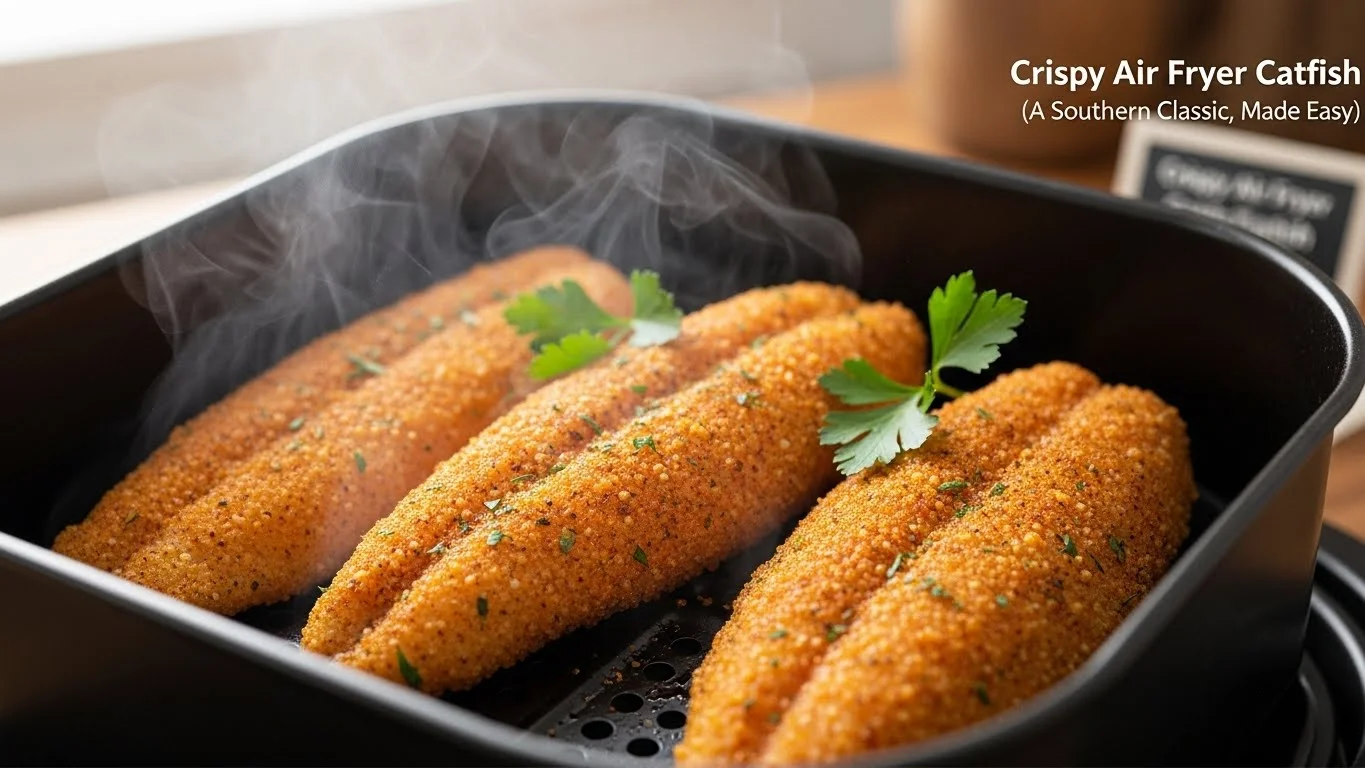
If you’re craving a taste of the South, crispy air fryer catfish is a dish that brings comfort and flavor to the table. This classic recipe is not only easy to prepare but also delivers that authentic crunch everyone loves. If you’re interested in other classic recipes, check out this Classic American grilled fish everyone should try.
Understanding Catfish: A Southern Staple
Growing up in the South, catfish has always held a special place in my heart and stomach. There’s something about the way it’s prepared that feels like home. Whether it’s at a family gathering or a local fish fry, catfish is often the star of the show. But what makes it so beloved? Let’s dive deeper into the world of catfish and uncover its secrets.
Types of Catfish Commonly Used
When it comes to catfish, there are a few types that are most commonly used in Southern cooking. The two main varieties are channel catfish and blue catfish. Channel catfish are known for their mild flavor and firm texture, making them perfect for frying. Blue catfish, on the other hand, tend to have a slightly stronger taste and are often sought after by anglers. I remember the first time I tasted blue catfish; it was a bit richer and more flavorful than the channel catfish I was used to. Depending on your preference, you can choose one over the other, but both yield delicious results in an air fryer.
Nutritional Benefits of Catfish
Not only is catfish delicious, but it also comes with its own set of nutritional benefits. Catfish is a lean source of protein, which means it fills you up without loading you down with unhealthy fats. Additionally, it’s rich in omega-3 fatty acids, which are essential for heart health. I’ve found that incorporating more fish into my diet has made a noticeable difference in how I feel. Plus, it’s a great way to sneak in some extra nutrients without sacrificing flavor. With catfish, you can enjoy a satisfying meal that’s good for you, too!
The Air Fryer: A Game Changer in Cooking
Air fryers have taken the cooking world by storm, and I couldn’t be more thrilled about it. This gadget allows us to enjoy our favorite fried foods with less guilt, thanks to its ability to cook with hot air instead of oil. I was skeptical at first, but after trying it, I was hooked.
How Air Fryers Work
The magic of an air fryer lies in its technology. It circulates hot air around the food, creating a crispy outer layer that mimics traditional frying. I remember the first time I used my air fryer; it felt like I was in a sci-fi movie. The food cooked so quickly and evenly, and the smell wafting through my kitchen was heavenly. It’s like having a mini convection oven that sits on your countertop, making it easy to whip up meals in no time.
Benefits of Using an Air Fryer for Cooking Fish
Cooking fish in an air fryer has several advantages. First, it significantly reduces the amount of oil needed, which means fewer calories and less mess in the kitchen. I love how I can achieve that perfect crispy texture without the guilt of deep frying. Plus, air frying is a quick process! I can have a delicious meal ready in under 20 minutes, which is a lifesaver on busy weeknights. I’ve also noticed that the air fryer keeps the fish moist while giving it that delightful crunch, something I always struggled with when frying in a pan.
Ingredients for Crispy Air Fryer Catfish
Now that we’re excited about catfish and the air fryer, let’s talk about what you’ll need to make this dish a reality. I remember the first time I prepared crispy air fryer catfish; gathering the ingredients felt like setting the stage for a delicious performance. Here’s a breakdown of what you’ll need to make this meal shine.
Fresh Catfish Fillets
The star of the show, of course, is the catfish itself. Fresh catfish fillets are a must for achieving that delightful taste and texture. I often visit my local fish market to get the freshest fillets possible, but grocery stores usually have decent options too. When selecting catfish, I recommend looking for fillets that are firm and moist, with no strong fishy odor. I once learned the hard way that older fillets can ruin the dish, so freshness is key!
Seasonings and Spices
Next up are the seasonings. This is where you can really get creative! My go-to blend typically includes salt, black pepper, garlic powder, and paprika. I love how paprika adds that subtle smokiness and a hint of color to the fillets. Sometimes, I add a pinch of cayenne pepper for an extra kick. You can adjust the spices according to your taste preferences. I’ve found that a well-seasoned catfish can turn a simple meal into something extraordinary, so don’t be shy with your seasonings!
Breading Options: Cornmeal vs. Flour
Choosing the right breading can make a huge difference in achieving that crispy exterior. For my catfish, I often prefer cornmeal, which gives an authentic Southern touch. It not only provides crunch but also a slightly sweet flavor that complements the fish nicely. However, all-purpose flour is another fantastic option if you’re after a lighter, flakier coating. I once tried a blend of both, and it was a game-changer! The cornmeal added crunch, while the flour gave it that beautiful golden hue. Feel free to experiment with these options to find your favorite texture.
Essential Tools and Equipment
Finally, let’s talk about the tools you’ll need. An air fryer is obviously essential, but there are a few other items that can make your life easier. A shallow dish for breading is a must—this keeps the mess to a minimum. I also recommend having a good pair of tongs handy for flipping the fillets without damaging them. And if you’re like me and love a little extra crunch, a cooling rack is great for letting the breaded fish sit for a few minutes before air frying. This method helps keep the coating crisp. If you have parchment paper designed for air fryers, that can also make cleaning up a breeze!
Preparation Steps for Crispy Air Fryer Catfish
With our ingredients and tools ready, let’s dive into the preparation steps. Honestly, this part is half the fun. There’s something satisfying about preparing food, and it makes the final dish all the more rewarding.
Cleaning and Preparing Catfish Fillets
Before we get to cooking, we need to prepare our catfish fillets. Start by rinsing them under cold water and patting them dry with a paper towel. I always take a moment to check for any small bones; it’s a minor detail but worth it to avoid an unpleasant surprise later. Once cleaned, you can cut the fillets into manageable pieces if they’re large. I usually make them about the size of my palm, so they fit perfectly in the air fryer.
Marinating and Seasoning the Fish
Now comes the fun part—seasoning! I like to marinate my fillets for about 30 minutes in a mixture of buttermilk and my seasoning blend. The buttermilk not only helps the spices adhere but also tenderizes the fish. If you don’t have buttermilk, you can easily make a substitute by mixing milk with a splash of vinegar or lemon juice. Once marinated, I remove the fillets and let any excess liquid drip off before breading.
Breading Techniques for Maximum Crispiness
For breading, I have a simple technique that works wonders. I set up a breading station with three dishes: one for the flour (or cornmeal), one for beaten eggs, and one for the seasoned breading. I dip each fillet first in the flour, then in the egg, and finally in the breading mixture. I make sure to press the breading onto the fish to ensure it sticks well. This method has always given me that delightful crunch I crave! After breading, I let the fillets sit on a cooling rack for a few minutes before cooking; this helps set the coating and prevents it from falling off in the air fryer.
Cooking Process: Air Frying Catfish
Now that we’ve prepared our catfish, it’s time to cook! This is where the air fryer really shines, making the process so quick and straightforward.
Preheating the Air Fryer
Before popping the catfish in, I always make sure to preheat my air fryer. It usually takes about 3-5 minutes to reach the desired temperature, which is typically around 375°F for catfish. Preheating is crucial because it helps the fish cook evenly and develop that crispy texture we’re after. It’s like warming up the oven before baking; it just makes everything turn out better.
Cooking Times and Temperatures
For cooking, I typically place my breaded catfish fillets in the air fryer basket in a single layer. This is super important—crowding the basket can prevent proper air circulation and lead to soggy fish. I generally cook them for about 10-12 minutes, flipping halfway through. I’ve found that cooking them until they reach an internal temperature of 145°F ensures they’re safe and tender. If you want to check for doneness without a thermometer, the fish should flake easily when you poke it with a fork.
How to Ensure Even Cooking and Crispiness
To make sure everything cooks evenly and achieves that perfect crispiness, I give the basket a little shake after a few minutes. This helps to keep the fillets from sticking together and allows the hot air to circulate all around. I’ve learned that patience is key; if I try to rush the cooking process, I often end up with unevenly cooked fish. Once they’re done, I like to let them rest for a couple of minutes before serving. This not only helps the fish cool slightly but also allows the juices to redistribute, making every bite delicious.
Serving Suggestions and Pairings
When it comes to enjoying crispy air fryer catfish, the right sides and sauces can elevate the meal to a whole new level. I’ve learned that pairing this flavorful fish with classic Southern sides not only enhances the experience but also brings back fond memories of family gatherings and backyard cookouts. Let’s explore some of my favorite serving suggestions!
Classic Southern Sides to Accompany Catfish
There’s something about Southern cuisine that just feels right alongside catfish. One of my all-time favorite accompaniments is coleslaw. The crunchy, tangy flavors of coleslaw perfectly balance the crispy catfish. I remember attending a fish fry where the coleslaw was so good I had to ask for the recipe! Another classic side is cornbread, which adds that comforting touch. I enjoy making a batch of sweet cornbread to serve warm, slathered with butter. It’s a tradition in my family that never goes out of style.
Don’t forget about the timeless combination of fried green tomatoes. These tangy and crispy slices are a delightful contrast to the catfish. I often find myself making a plate of fried green tomatoes as soon as I can get my hands on fresh ones in the summer. And for a healthier option, steamed or sautéed greens, like collard greens or green beans, are fantastic choices. They not only complement the dish but also add a vibrant color to your plate!
Best Dipping Sauces and Condiments
No Southern meal is complete without a few dipping sauces to enhance the flavors. I often whip up a homemade tartar sauce using mayonnaise, dill pickles, lemon juice, and a touch of capers. The creaminess and tang of the sauce pair beautifully with the crispy catfish. If I’m feeling adventurous, I might add some hot sauce or horseradish for a kick. It’s all about finding the perfect balance that suits your palate.
Another condiment I love is remoulade sauce, which has a zesty flavor that adds a nice depth to the catfish. This sauce often includes mustard, herbs, and spices, making it a perfect match. For those who enjoy a spicy twist, a simple hot sauce can also do the trick. I like to keep a bottle on the table, allowing everyone to add as much heat as they desire. It’s fun to see how everyone customizes their plate!
Creative Serving Ideas for Catfish Dishes
While serving catfish traditionally is always a hit, I’ve enjoyed experimenting with creative serving ideas that bring a fun twist to the meal. One of my favorites is to serve catfish tacos. I use the crispy fillets as the base, adding fresh cabbage slaw, avocado, and a drizzle of spicy mayo. It transforms the dish into a vibrant, handheld meal that’s perfect for gatherings or casual weeknight dinners.
Another idea that I stumbled upon during a family reunion was catfish po’boys. I take a crispy fillet and place it in a soft hoagie roll, topping it with lettuce, tomatoes, and a generous slather of remoulade or tartar sauce. The crunch of the bread combined with the crispy fish is simply irresistible. I’ve even played around with serving catfish on a salad, adding it to mixed greens with diced tomatoes, cucumbers, and a light vinaigrette. It’s a refreshing way to enjoy this Southern staple while keeping things light!
For a more casual approach, I sometimes serve catfish as part of a seafood platter, alongside shrimp, hushpuppies, and other fried favorites. This way, everyone can sample a little bit of everything, making it a fun and interactive dining experience. I love the idea of family-style meals where everyone digs in and shares stories over good food.
Common Mistakes to Avoid When Cooking Catfish
Even with the best intentions and a great recipe, there are a few common pitfalls that can trip us up when cooking catfish. I’ve definitely had my share of mishaps in the kitchen, and learning from them has made all the difference in improving my culinary skills. Here are some mistakes to watch out for!
Overcooking or Undercooking Tips
One of the biggest challenges is getting the cooking time just right. I remember a time when I was so excited to try my crispy air fryer catfish that I got a bit impatient. The result? Overcooked fish that was dry and tough. The key is to keep an eye on the cooking duration and internal temperature. As I mentioned earlier, catfish should reach about 145°F for perfect doneness. If you’re unsure, it’s always better to check a little early and let it rest for a couple of minutes. This way, you can avoid the unpleasant experience of biting into a rubbery piece of fish!
Choosing the Right Catfish for Frying
Another mistake I’ve made is not paying attention to the type of catfish I use. Freshness is essential, and I’ve learned that not all fillets are created equal. I often opt for wild-caught catfish when possible, as it tends to have a better flavor compared to farmed varieties. When I grab my fillets, I make sure they have a clean smell and a nice firm texture. Taking the time to choose high-quality catfish can make a world of difference in the final dish!
Variations on Crispy Air Fryer Catfish
Once you’ve mastered the classic crispy air fryer catfish, the world of flavors opens up beautifully! I love experimenting with different spices and cooking styles to bring something new to the table. Here are a few variations that I enjoy and think you might too.
Spicy Cajun Catfish Recipe
If you’re looking to add a little heat to your meal, I highly recommend trying a spicy Cajun catfish. By simply modifying the seasoning, you can transform your dish. I use a combination of Cajun spices like cayenne pepper, paprika, garlic powder, and a dash of black pepper for that extra kick. The result is a flavor explosion that pairs perfectly with a cool coleslaw on the side!
Herb-Crusted Catfish Option
For a fresher twist, I love making an herb-crusted catfish. Instead of the traditional breading, I combine finely chopped herbs like parsley, dill, and thyme with a bit of olive oil. I coat the fillets in this mixture and air fry them for a lighter, aromatic meal. It’s a delightful way to highlight the natural flavors of the fish while keeping it healthy.
Gluten-Free Breading Alternatives
For those who need or prefer gluten-free options, I’ve found that almond flour or crushed gluten-free cornflakes can work wonders. I’ve experimented with both and found that they provide a lovely crunch that still captures that Southern flair. It’s great to have alternatives that allow everyone to enjoy this dish, no matter their dietary needs!
FAQs About Air Fryer Catfish
As I’ve shared my journey with air fryer catfish, I often get questions from friends and family. Here are some of the most common ones I hear, along with my answers.
Can I use frozen catfish fillets in the air fryer?
Yes, you can! Just be sure to thaw them completely and pat them dry before seasoning and breading. Cooking from frozen is a bit tricky since the moisture can make the breading soggy if not handled properly.
How do I store leftover catfish?
I recommend storing leftover catfish in an airtight container in the refrigerator. It’s best enjoyed within a couple of days. To reheat, I suggest using the air fryer again to restore that crispy texture—just a few minutes at 350°F should do the trick!
Can I make this recipe without an air fryer?
Absolutely! While the air fryer is fantastic for achieving that perfect crunch, you can also pan-fry or bake the catfish. If you choose to pan-fry, just be mindful of the oil temperature to avoid greasy fish. Baking it in the oven can be done as well, just be sure to preheat and flip halfway through for even cooking.
Final Thoughts
Cooking crispy air fryer catfish has become one of my favorite culinary adventures. From the nostalgic flavors that remind me of home to the thrill of experimenting with new seasonings and techniques, it truly is a delightful experience. I hope that as you dive into this recipe, you find your own rhythm in the kitchen, creating meals that are not only delicious but also filled with love and memories. So gather your ingredients, fire up that air fryer, and enjoy every crispy bite!
Frequently Asked Questions
What types of catfish are commonly used in Southern cooking?
The two main varieties commonly used are channel catfish and blue catfish. Channel catfish have a mild flavor and firm texture, while blue catfish tend to have a stronger taste.
What are the nutritional benefits of catfish?
Catfish is a lean source of protein, rich in omega-3 fatty acids, which are essential for heart health. It fills you up without unhealthy fats.
How does an air fryer work for cooking catfish?
An air fryer circulates hot air around the food, creating a crispy outer layer that mimics traditional frying, allowing for quick and even cooking without the need for much oil.
What ingredients are needed for crispy air fryer catfish?
You will need fresh catfish fillets, seasonings (such as salt, black pepper, garlic powder, and paprika), and a breading option like cornmeal or flour.
What preparation steps are involved in making crispy air fryer catfish?
Preparation includes cleaning and drying the catfish fillets, marinating them in buttermilk with seasonings, and then breading them using a flour, egg, and seasoned breading setup.
What cooking times and temperatures are recommended for air frying catfish?
Catfish fillets should be cooked in the air fryer at around 375°F for about 10-12 minutes, flipping halfway through, until they reach an internal temperature of 145°F.
What classic Southern sides pair well with crispy air fryer catfish?
Classic sides include coleslaw, cornbread, fried green tomatoes, and steamed or sautéed greens like collard greens or green beans.
How can leftover catfish be stored and reheated?
Leftover catfish should be stored in an airtight container in the refrigerator and is best enjoyed within a couple of days. Reheat in the air fryer at 350°F for a few minutes to restore crispiness.
Can this recipe be made without an air fryer?
Yes, you can pan-fry or bake the catfish instead. Just ensure to manage oil temperature if pan-frying or preheat and flip if baking for even cooking.
What common mistakes should be avoided when cooking catfish?
Common mistakes include overcooking or undercooking the fish and not choosing fresh, high-quality catfish, which can negatively impact the flavor and texture of the dish.