
Who knew that a humble chickpea byproduct could create such a delightful treat? Crispy aquafaba meringue cookies are a vegan miracle that brings joy to every bite! Read Interesting article: I Tried the Baked Ranch Chicken Trend—Unbelievable
Understanding Aquafaba: The Secret Ingredient
Aquafaba, the liquid leftover from cooking chickpeas (or the brine from canned chickpeas), has become a game changer in the vegan baking world. When I first heard about it, I thought, “No way can this watery liquid be anything special!” But I was curious enough to give it a try, and I’m so glad I did. The science behind aquafaba is fascinating, and it holds a special place in my heart and kitchen now.
What is Aquafaba?
Aquafaba is essentially the viscous liquid derived from cooked legumes, mainly chickpeas. When I first opened a can of chickpeas, I was surprised to see the cloudy liquid inside. It didn’t look like much, but I learned that this is liquid gold for anyone looking to make vegan recipes. Aquafaba contains proteins and starches that give it the ability to mimic egg whites in various recipes. It’s amazing how this simple ingredient can create fluffiness and structure in baking!
How Aquafaba Works in Baking
When you whip aquafaba, something magical happens. Just like egg whites, aquafaba can be whipped into stiff peaks. I remember the first time I whipped it up; I was literally standing there in awe as it transformed from a watery liquid into a fluffy cloud. This process occurs due to the proteins in aquafaba, which stabilize the bubbles formed during whipping. It can be used in various recipes, from meringues to mousses, and it performs surprisingly well, creating a texture that’s indistinguishable from traditional egg-based recipes.
Benefits of Using Aquafaba in Vegan Recipes
Using aquafaba in vegan recipes comes with plenty of benefits. For one, it opens up a world of possibilities for those who are egg-free or following a plant-based diet. I’ve found that aquafaba is an excellent egg substitute, allowing me to enjoy my favorite treats without compromising on texture or flavor. It’s also a great way to reduce food waste since you can use the liquid that would otherwise be discarded. Additionally, aquafaba is low in calories and fat, making it a healthier alternative to traditional meringue ingredients. I truly believe that aquafaba is a boon for bakers, whether vegan or not!
Ingredients Needed for Crispy Aquafaba Meringue Cookies
Now that we’ve uncovered the magic of aquafaba, let’s dive into the ingredients needed for our crispy meringue cookies. I’ve experimented with different combinations, and I’ve found that the following list works best for achieving that perfect texture and flavor.
Aquafaba: Where to Find It?
Finding aquafaba is easy! If you’re making chickpeas from scratch, simply save the cooking liquid. However, I often opt for canned chickpeas, which are super convenient. Just make sure to drain the can and reserve that liquid—it’s what we’ll use to create our delicious meringues. I recommend looking for low-sodium varieties, as they give more control over the salt content in your final cookies. Read Interesting article: The Easiest Gluten-Free Crepes (Perfect Every Time)
Choosing the Right Sweetener
The sweetener you choose plays a crucial role in the success of your meringue cookies. I’ve tried various sweeteners, but I find that granulated sugar is the best choice for achieving that crisp texture. It dissolves well in the whipped aquafaba and helps create those lovely stiff peaks. You can also experiment with powdered sugar, which can give a smoother texture, but I personally prefer the granulated version for this recipe. If you’re looking for a healthier option, coconut sugar or maple syrup can work too, but be aware they may alter the final texture slightly.
Essential Flavorings and Add-ins
While aquafaba meringue cookies are delightful on their own, I love adding flavorings to take them to the next level. A splash of vanilla extract is a classic choice, adding warmth and richness. I’ve also experimented with almond extract for a lovely twist. Not to mention, you can fold in cocoa powder for chocolate meringues or even a pinch of sea salt to enhance the sweetness. The possibilities are endless! Don’t hesitate to get creative with different flavors and colors; it’s all part of the fun.
Step-by-Step Guide to Making Aquafaba Meringue Cookies
Now that we have our ingredients lined up, it’s time to dive into the fun part—making those crispy aquafaba meringue cookies! I remember the excitement I felt on my first attempt; it was like embarking on a little culinary adventure. Let’s break down the process into easy steps so you can enjoy it too.
Preparing the Aquafaba
First things first, we need to prepare the aquafaba. If you’re using canned chickpeas, drain the liquid into a mixing bowl and give it a good whisk to break up any bubbles. I’ve found that letting it sit for a few minutes before using it helps improve its whipping ability. If you’re making chickpeas from scratch, just save that cooking liquid! It should be thick enough to whip up nicely. One thing I learned is that the fresher the aquafaba, the better the results, so don’t hesitate to use it right away.
Whipping Aquafaba to Perfection
Now comes the magic moment—whipping the aquafaba. I usually grab my electric mixer for this part. I start off at a low speed to get the liquid moving, and then I gradually increase to high speed. It’s mesmerizing to watch it change from a thin liquid into fluffy peaks. Depending on the strength of your mixer, this can take anywhere from 5 to 10 minutes. I always make sure to whip it until it forms stiff peaks; you should be able to turn the bowl upside down without the aquafaba budging an inch! It’s such a proud moment when you achieve this consistency.
Incorporating Sugar and Flavorings
Once the aquafaba is whipped to perfection, it’s time to incorporate the sugar and any flavorings. I recommend adding the sugar gradually, about a tablespoon at a time, while continuing to whip. This helps the sugar dissolve properly and ensures a stable meringue. If you’re using powdered sugar, it can help create a smoother texture, but I stick with granulated sugar for that lovely crispness. As I mix in the sugar, I also add my favorite flavorings like vanilla extract or a hint of almond extract. Just a splash goes a long way, and it makes the meringue smell heavenly!
Piping and Shaping the Cookies
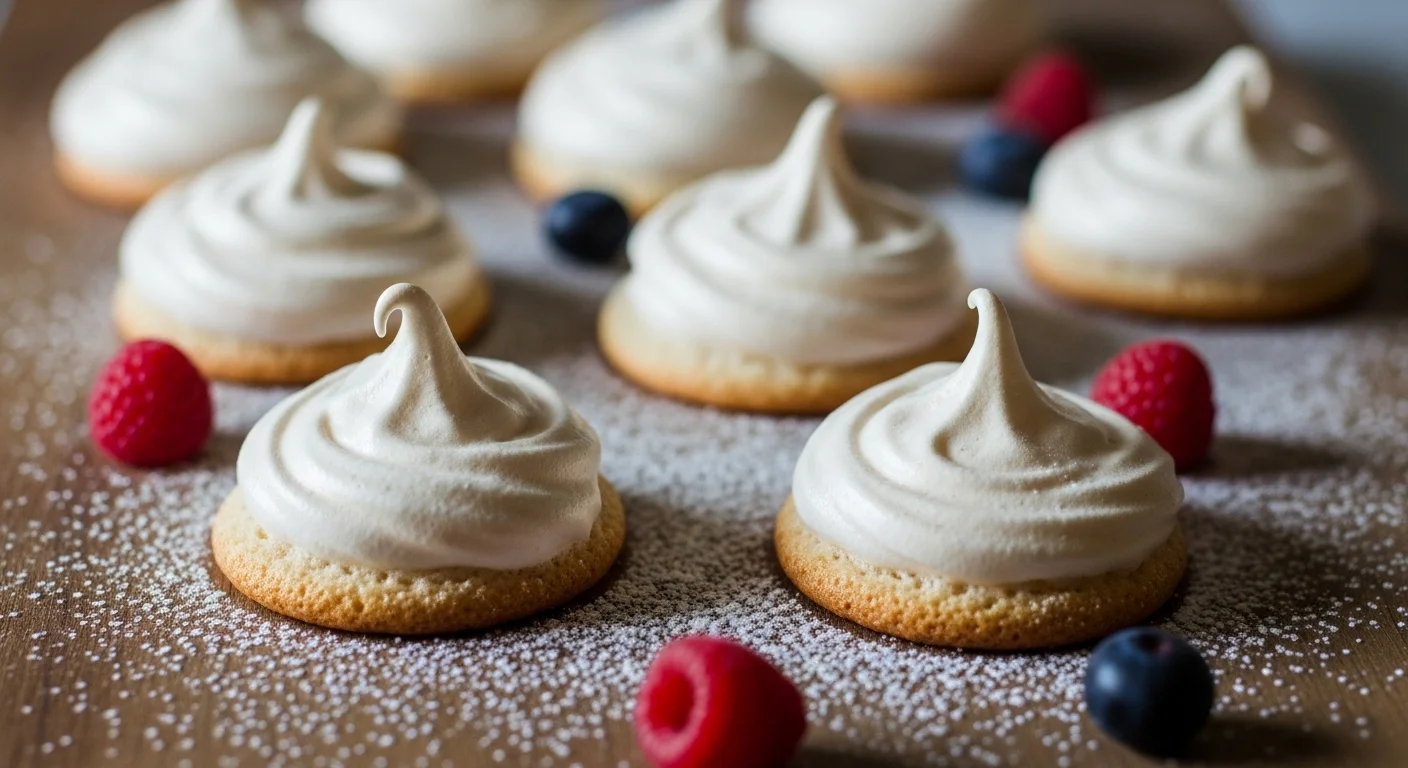
After the sugar and flavorings are fully incorporated, it’s time to pipe our meringue onto the baking sheet. I like to use a piping bag with a star tip for a nice decorative touch, but a simple ziplock bag with the corner snipped off works just as well. I usually line my baking sheets with parchment paper to prevent sticking. As I pipe out the meringue, I like to make little nests or swirls—it gives them a whimsical look! Just remember to leave some space between each cookie, as they do expand a bit during baking. It’s a fun step where you can get creative and let your personality shine through!
Baking: Temperature and Time
Now that our meringues are piped and ready, it’s time to bake them. I preheat my oven to a low temperature, around 200°F (about 93°C), which is crucial for drying them out rather than baking them in the traditional sense. I usually let them bake for about 1.5 to 2 hours. It sounds like a long time, but patience is key here! I’ve learned that the longer you bake them at this low temperature, the crispier they become. Once they’re done, I turn off the oven and leave the meringues inside to cool completely. It’s tempting to sneak a taste right away, but allowing them to cool gradually helps maintain that delightful crisp texture.
After going through this step-by-step process, I always feel such a sense of accomplishment. There’s something incredibly satisfying about creating these airy meringue cookies from just aquafaba! I can’t wait to see what you think when you make your own batch.
Tips for Perfecting Your Meringue Cookies
Now that we’ve walked through the process of making aquafaba meringue cookies, I want to share some tips that I’ve picked up along the way. These little insights have made a big difference in the outcome of my cookies, and I believe they can help you too!
Common Mistakes to Avoid
One of the biggest mistakes I made when I first started baking with aquafaba was not ensuring my mixing bowl and utensils were completely clean. Any grease or residue can prevent the aquafaba from whipping properly, leaving you with a sad, runny mixture instead of fluffy peaks. I always make sure to wash everything thoroughly and sometimes even wipe the bowl with a slice of lemon to eliminate any lingering oil.
Another mistake I experienced was rushing the whipping process. It can be tempting to crank up the speed and hope for quicker results, but I found that patience is key. Gradually increasing the speed allows the aquafaba to incorporate air more effectively, leading to those gorgeous stiff peaks we’re aiming for.
Finally, it’s crucial not to add the sugar too quickly. I used to dump it all in at once, thinking it would save time. Instead, it’s best to add it slowly while continuing to whip. This way, the sugar dissolves properly, ensuring a stable meringue. Trust me, this one simple change made a world of difference in my cookie texture!
How to Achieve the Right Texture
The texture of your meringue cookies is vital for that delightful crunch. After piping, I’ve learned to allow enough space between cookies on the baking sheet. They do expand a bit, and giving them room helps ensure they bake evenly. I also find that using parchment paper is essential in preventing sticking; it’s a must for easy removal after baking.
When it comes to baking, the low-and-slow method is critical. I’ve experimented with different temperatures, but keeping my oven at around 200°F (93°C) is optimal. This gentle heat allows the meringues to dry out without browning, which can lead to a chewy texture instead of the desired crispiness. I usually check the cookies towards the end of baking by gently tapping one; if it feels light and hollow, they’re ready!
Storing and Serving Suggestions
After all that hard work, you’ll want to make sure your meringue cookies stay fresh! I’ve found that storing them in an airtight container is the best way to maintain their crunch. Keep them in a cool, dry place away from humidity, as moisture can ruin that lovely crisp texture. I usually try to eat them within a week, but they can last longer if stored properly.
As for serving, I love to present these meringue cookies at gatherings. They’re such a conversation starter! I sometimes create little dessert platters with assorted flavors, and they always disappear quickly. I’ve even paired them with fresh fruit and a drizzle of vegan chocolate sauce for a decadent treat that impresses everyone.
If I’m feeling adventurous, I’ve also made meringue cookie sandwiches by adding a layer of vegan frosting or whipped coconut cream between two cookies. It’s an indulgent twist that I highly recommend trying! Read Interesting article: 8 Fast and Flavorful Shrimp Recipes for Dinner
Variations and Creative Twists on Meringue Cookies
Once you get the hang of the basic aquafaba meringue cookies, there’s a whole world of creativity waiting for you! I love experimenting with different flavors and textures, and here are a few of my favorite variations.
Chocolate-Dipped Aquafaba Meringues
For a rich and indulgent treat, I’ve found that chocolate-dipped meringues are a hit. After baking the meringues, I melt some dark vegan chocolate and dip the bottoms of each cookie into it. Then, I place them on parchment to set. This simple addition elevates the meringues and adds a wonderful contrast of flavors!
Seasonal Flavors: Pumpkin Spice, Peppermint, etc.
During the fall and winter months, I love to incorporate seasonal flavors into my meringues. A sprinkle of pumpkin spice or a few drops of peppermint extract can transform the cookies into something festive and fun. It’s amazing how a little change can make them feel so special for the occasion.
Adding Nuts and Dried Fruits
If you’re a fan of texture, adding chopped nuts or dried fruits is a fantastic idea! I’ve folded in some finely chopped almonds or walnuts to add a delightful crunch. Dried cranberries or cherries can also bring a hint of tartness that pairs beautifully with the sweetness of the meringue. Just make sure to chop them finely, so they incorporate well without affecting the meringue’s structure.
These variations not only make the cookies visually appealing but also introduce exciting new flavors that keep things interesting. I can’t wait for you to try these twists and see how they elevate your meringue-making experience!
Health Benefits of Aquafaba Meringue Cookies
Low-Calorie and Low-Fat Option
One of the aspects I absolutely love about aquafaba meringue cookies is that they are a guilt-free treat! Since aquafaba is low in calories and contains no fat, I find it incredibly satisfying to indulge in these cookies without worrying about my waistline. When you compare them to traditional meringues made with egg whites and sugar, aquafaba meringues are a lighter option. It’s always a bonus when I can enjoy something sweet that doesn’t come with a heavy calorie load. For anyone looking to satisfy their sweet tooth while keeping things healthy, these cookies are a fantastic choice!
Allergy-Friendly Treats
As someone who loves to entertain and share treats with friends, I appreciate that aquafaba meringue cookies are allergy-friendly. They are naturally vegan and free from common allergens like eggs and dairy, making them a safe choice for many people with dietary restrictions. I’ve found that when I serve these cookies at gatherings, everyone can partake, regardless of their dietary preferences or allergies. It’s heartwarming to see everyone enjoying the same dessert, and I’ve even had non-vegans raving about how delicious they are!
Vegan Lifestyle and Sustainability
Living a vegan lifestyle has opened my eyes to the importance of sustainability, and aquafaba aligns perfectly with those values. By using the liquid that’s usually discarded, I feel like I’m doing my part in reducing food waste. Aquafaba meringue cookies exemplify how we can create delightful dishes while being mindful of our environmental impact. I believe that adopting plant-based alternatives not only benefits our health but also promotes a more sustainable way of living. Every time I whip up a batch of these cookies, I feel a connection to a greater cause!
Frequently Asked Questions (FAQs)
Can I Use Store-Bought Aquafaba?
Absolutely! Using store-bought aquafaba is a great option if you’re short on time or don’t want to cook chickpeas from scratch. Just make sure to select low-sodium canned chickpeas for the best flavor. I’ve had fantastic results with both homemade and store-bought aquafaba, so feel free to choose whichever is more convenient for you!
How Long Do Meringue Cookies Last?
These cookies can last quite a while if stored properly! I generally keep my aquafaba meringue cookies in an airtight container at room temperature, and they can last up to a week. However, they tend to lose their crispness over time, so I recommend enjoying them within the first few days for the best texture and flavor. If you want to keep them longer, you can try freezing them, but I’ve found that fresh is always best!
Can I Make These Cookies Gluten-Free?
Yes, you can definitely make aquafaba meringue cookies gluten-free! Since the primary ingredients are aquafaba and sugar, they are naturally gluten-free. Just be cautious with any add-ins you decide to use, like flavorings or additional ingredients. Always check the labels to ensure that they are gluten-free as well. I’ve made these cookies without any gluten-containing ingredients and they turned out just as delightful!
Final Thoughts
Making aquafaba meringue cookies has truly been a game changer for me in the kitchen. From discovering the versatility of aquafaba to creating those light, airy cookies, it’s been an exciting journey filled with delicious results. These cookies are not just a treat; they’re a celebration of creativity, sustainability, and inclusivity in baking. I hope you feel inspired to try your hand at making them. Whether you stick to the classic recipe or explore the endless variations, I guarantee that you’ll find joy in every crispy bite. So, let’s continue to embrace the magic of aquafaba, share our creations, and enjoy these delightful cookies together!
Frequently Asked Questions
What is aquafaba?
Aquafaba is the viscous liquid derived from cooked legumes, mainly chickpeas. It contains proteins and starches that allow it to mimic egg whites in various recipes, creating fluffiness and structure in baking.
How can I prepare aquafaba for baking?
If using canned chickpeas, drain the liquid into a mixing bowl and whisk it to break up any bubbles. Letting it sit for a few minutes can improve its whipping ability. If making chickpeas from scratch, simply save the cooking liquid.
What sweetener works best for aquafaba meringue cookies?
Granulated sugar is the best choice for achieving a crisp texture in aquafaba meringue cookies, as it dissolves well and helps create stiff peaks. You can also experiment with powdered sugar or healthier options like coconut sugar or maple syrup, but these may alter the final texture.
What flavorings can I add to aquafaba meringue cookies?
You can add various flavorings to aquafaba meringue cookies, such as vanilla extract, almond extract, cocoa powder for chocolate meringues, or even a pinch of sea salt to enhance sweetness. Get creative with different flavors and colors!
What temperature and time should I bake aquafaba meringue cookies?
Preheat your oven to a low temperature of around 200°F (about 93°C) and bake the meringues for about 1.5 to 2 hours. This low temperature helps dry them out rather than bake them, resulting in a crisp texture.
How can I store aquafaba meringue cookies?
Store aquafaba meringue cookies in an airtight container at room temperature, away from humidity. They can last up to a week, but for the best texture and flavor, it’s recommended to enjoy them within the first few days.
Can I use store-bought aquafaba?
Yes, store-bought aquafaba is a convenient option if you’re short on time. Just make sure to choose low-sodium canned chickpeas for the best flavor, as both homemade and store-bought aquafaba yield great results.
Are aquafaba meringue cookies gluten-free?
Yes, aquafaba meringue cookies are naturally gluten-free since the primary ingredients are aquafaba and sugar. However, be cautious with any add-ins to ensure they are also gluten-free.
What are some variations I can try with aquafaba meringue cookies?
Some fun variations include chocolate-dipped meringues, seasonal flavors like pumpkin spice or peppermint, and adding chopped nuts or dried fruits for texture. These variations not only enhance the flavor but also make the cookies visually appealing.
What are the health benefits of aquafaba meringue cookies?
Aquafaba meringue cookies are low in calories and fat, making them a guilt-free treat. They are also allergy-friendly, being vegan and free from common allergens like eggs and dairy, which allows many people with dietary restrictions to enjoy them.