
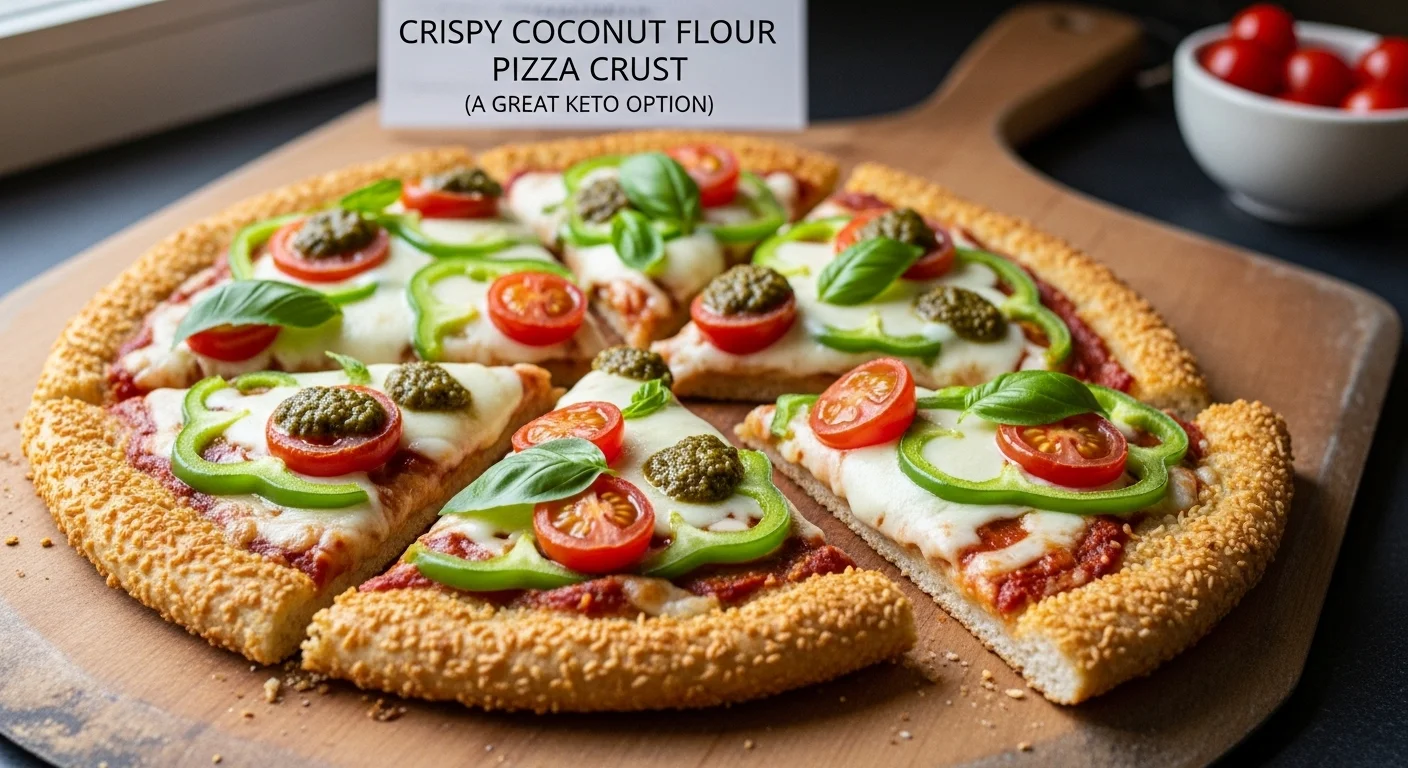
If you’re on the hunt for a delicious, low-carb pizza option, look no further! A crispy coconut flour pizza crust might just become your new favorite way to indulge while staying keto-friendly.
Understanding Coconut Flour
What is Coconut Flour?
Coconut flour is a unique and versatile gluten-free flour made from dried coconut meat. After the oil is extracted from the coconut, the leftover pulp is ground into a fine powder, resulting in a flour that carries a hint of coconut flavor. It’s become a popular choice among those who are gluten-sensitive, paleo, or following a ketogenic diet. I remember the first time I discovered coconut flour; I was amazed at how this simple ingredient could transform my baking and cooking.
Nutritional Benefits of Coconut Flour
Coconut flour is not just an alternative to traditional flours; it comes packed with nutritional benefits. One of the standout features of coconut flour is its high fiber content. A mere two tablespoons provide about 5 grams of fiber, which is great for digestive health. Additionally, it’s low in carbs, with only about 2 grams of net carbs per serving, making it an excellent choice for keto enthusiasts like myself. On top of all that, coconut flour is rich in healthy fats and protein, which can help keep you feeling full and satisfied longer. I’ve found that using coconut flour not only aligns with my dietary goals but also adds depth to my meals.
Comparison with Other Flours
When it comes to choosing a flour for keto cooking, coconut flour has some distinct advantages over other options. For instance, almond flour is another popular low-carb choice, but it often contains more calories and fewer nutrients. Coconut flour, on the other hand, is lower in calories and boasts a higher fiber content. I’ve experimented with both flours, and while almond flour can create a great texture, coconut flour has a unique ability to absorb moisture, which can be especially beneficial in recipes like pizza crust. I’ve learned that each flour has its place in the kitchen, but coconut flour feels like a game-changer for my keto lifestyle. If you’re interested in other flour alternatives, check out The Best Almond Flour Pie Crust (No-Roll Recipe).
Crispy Coconut Flour Pizza Crust Recipe
Ingredients Needed
To make a delicious coconut flour pizza crust, you’ll need the following ingredients:
- 1 cup coconut flour
- 1/2 cup shredded mozzarella cheese
- 1/4 cup grated Parmesan cheese
- 4 large eggs
- 1/4 cup coconut oil or olive oil
- 1 teaspoon baking powder
- 1 teaspoon Italian seasoning (optional)
- Salt and pepper to taste
Gathering these ingredients is easy, and I love how they come together to create something that feels indulgent without the guilt. The combination of cheeses gives the crust a delightful cheesy flavor, which pairs perfectly with whatever toppings you choose.
Step-by-Step Instructions
Creating your coconut flour pizza crust is a straightforward process. Here’s how I do it:
- Preheat your oven: Preheat your oven to 400°F (200°C) and line a baking sheet with parchment paper.
- Mix dry ingredients: In a large bowl, combine the coconut flour, baking powder, and Italian seasoning. This is where the magic starts; just the aroma of the flour can get me excited!
- Prepare wet ingredients: In another bowl, whisk together the eggs, coconut oil, and a pinch of salt and pepper. I always find it helpful to mix the wet and dry ingredients separately first to ensure everything blends well.
- Combine: Gradually add the wet ingredients to the dry mixture. Stir until well-combined. The dough will be a bit sticky, which is completely normal for coconut flour.
- Add cheese: Fold in the shredded mozzarella and Parmesan cheeses. This step adds a wonderful creaminess to the crust.
- Shape the crust: Transfer the dough onto the prepared baking sheet and spread it out using your hands or a spatula, shaping it into your desired pizza shape. I like to make mine a bit thicker for a heartier crust.
- Bake: Bake the crust in the preheated oven for about 15-20 minutes or until it’s golden brown and crispy around the edges. This is where the anticipation builds; the smell of baking coconut flour is incredible!
Tips for Achieving the Perfect Crust
From my experience, there are a few key tips to ensure your coconut flour pizza crust turns out perfectly every time. Firstly, don’t skip the cheese; it not only adds flavor but also helps with the crust’s texture. Additionally, I’ve found that letting the dough rest for a few minutes before shaping can improve its texture, making it easier to handle. Another tip is to make sure your oven is fully preheated to avoid a soggy crust. I also like to brush a little olive oil on the crust before baking, which gives it an extra crispy finish. Trust me; these little tweaks make all the difference!
Why Choose a Keto Pizza Crust?
What is the Keto Diet?
The ketogenic diet has been a game-changer for many, including myself. It’s a low-carb, high-fat diet that aims to put your body into a state of ketosis, where it burns fat for fuel instead of carbohydrates. I remember when I first learned about this diet; it felt like discovering a secret that could help me manage my weight and energy levels. By significantly cutting carbs and increasing healthy fats, we train our bodies to become efficient fat burners. It’s fascinating how changing our eating patterns can yield such powerful results.
Benefits of a Keto-Friendly Pizza Option
One of the best parts about following a keto diet is that it doesn’t mean giving up your favorite foods—like pizza! Choosing a keto-friendly pizza crust like the coconut flour crust allows us to indulge without derailing our dietary goals. I love that this option is not only low in carbs but also high in fiber and healthy fats, which can help with satiety. Enjoying a slice of pizza made with coconut flour means that I can savor my meal and feel good about what I’m eating. Plus, it opens up a world of delicious toppings, making pizza night a guilt-free treat! If you’re interested in more gluten-free options, check out The Easiest Gluten-Free Pizza Crust (Holds A Topping!).
Common Misconceptions about Keto Diets
There are some misconceptions that come up often when talking about the keto diet. One of the biggest myths I’ve encountered is that it’s all about eating unlimited amounts of fat. While healthy fats are a key component, it’s crucial to focus on the quality of fats and also ensure we’re getting enough nutrients from other food groups. Another misconception is that you can’t enjoy any carbohydrates at all. In reality, keto allows for some flexibility, and options like coconut flour can fit right in! I’ve had conversations with friends who were skeptical, but once they tried a keto pizza, they were surprised by how satisfying and delicious it could be.
Variations and Additions
Cheese Options for Topping
Now, let’s dive into the fun part—toppings! When I make keto pizza, I love experimenting with different cheeses. Traditional mozzarella is always a hit because it melts beautifully and has that creamy stretch we all crave. However, I’ve also discovered that using a blend of cheeses can elevate the flavor. For instance, mixing in some goat cheese adds a tangy twist, while sharp cheddar brings a rich depth. If you’re feeling adventurous, try adding a bit of blue cheese for a bold flavor kick. The possibilities are endless, and I think it’s one of the best parts of customizing your pizza.
Vegetable Toppings for Keto Pizza
Vegetable toppings can add amazing flavor and nutrition to our keto pizzas. I love loading my pizza with colorful veggies like bell peppers, spinach, and mushrooms. Not only do they add texture and taste, but they also keep the pizza light and fresh. Another favorite of mine is artichoke hearts; they bring a unique earthiness that pairs well with cheese. If you’re looking for something with a little heat, jalapeños or red pepper flakes can spice things up! I’ve found that incorporating a variety of vegetables not only makes the pizza more satisfying but also boosts its nutritional profile.
Protein Toppings: Meats and Alternatives
When it comes to protein toppings, the options are just as exciting. Personally, I love adding grilled chicken or pepperoni for that classic pizza flavor. I also enjoy using crumbled sausage or bacon to give my pizza an extra kick. If you’re vegetarian or looking for alternatives, there are plenty of great options too! Tofu or tempeh can be marinated and added for a protein boost. My friends who have tried these alternatives were pleasantly surprised by how tasty and satisfying they were. It’s a great way to cater to different dietary preferences while still enjoying a delicious meal.
Serving Suggestions and Pairings
Best Sauces for Coconut Flour Pizza
No pizza is complete without the right sauce! My go-to is classic marinara—it’s simple, flavorful, and complements the coconut flour crust beautifully. However, I’ve recently fallen in love with pesto as a pizza base; it adds a vibrant flavor that pairs well with both veggie and meat toppings. For a twist, I’ve also tried a white garlic sauce that creates a creamy, rich experience. The right sauce can really elevate your pizza, and I encourage you to get creative and find what works for you!
Side Dishes that Complement Keto Pizza
When I’m hosting a pizza night, I like to prepare some easy side dishes that complement the meal. A fresh salad is a must for me; I often whip up a simple arugula salad with lemon vinaigrette. The peppery flavor of arugula pairs perfectly with the richness of the pizza. Another favorite is roasted veggies; I love how they bring a touch of sweetness and depth to the table. Whether it’s zucchini, brussels sprouts, or asparagus, roasting brings out their natural flavors, making them a perfect sidekick to my coconut flour pizza.
Drink Pairings for Your Pizza Night
Lastly, let’s talk about drinks! For me, nothing beats a nice glass of sparkling water with a squeeze of lemon when enjoying a slice of keto pizza. It’s refreshing and helps cleanse the palate. If I’m in the mood for something a little stronger, I enjoy a dry red wine; it complements the flavors of the pizza wonderfully. Crafting the perfect drink pairing can enhance the experience and make pizza night feel even more special. Whatever you choose, I believe the right beverage can make all the difference!
Storage and Reheating Tips
How to Store Leftover Pizza Crust
After a delightful pizza night, I often find myself with some leftovers, which is always a nice treat for the next day! Storing your coconut flour pizza crust properly can keep it fresh and ready for a quick meal or snack. I usually let the leftover crust cool completely before wrapping it in plastic wrap or placing it in an airtight container. If I’m feeling extra cautious, I’ll add a layer of aluminum foil for added protection against moisture. In my experience, this keeps the crust crispy and prevents it from getting soggy. If you’re looking to store it for more than a couple of days, freezing is a great option!
Best Methods for Reheating Pizza
When it comes to reheating leftover pizza, I have a few go-to methods to ensure it tastes almost as good as when it was freshly baked. The microwave is convenient for a quick reheat, but I find it can make the crust a bit chewy. Instead, I love using the oven or a toaster oven for reheating. Preheating the oven to 350°F (175°C) and placing the pizza directly on the rack or on a baking sheet for about 10 minutes works wonders. This method helps to restore the crispiness of the crust while ensuring the cheese is melty and delicious. I also enjoy using a skillet; just a couple of minutes on medium heat with the lid on can give the crust a lovely crunch while warming the toppings perfectly. It’s all about finding what works best for you, but I believe these methods truly elevate the leftover pizza experience!
Frequently Asked Questions (FAQs)
Can I Freeze Coconut Flour Pizza Crust?
Absolutely! Freezing coconut flour pizza crust is a fantastic way to have a quick meal option ready to go. After baking and cooling the crust, I wrap it tightly in plastic wrap and then place it in a freezer-safe bag or container. I’ve learned that labeling the bag with the date helps me keep track of how long it’s been in the freezer. When I’m ready to use it, I simply take it out and let it thaw in the fridge or at room temperature before reheating. It’s so convenient to have a pizza crust on hand for those nights when cooking feels like too much effort!
How Does Coconut Flour Affect Texture?
Coconut flour does have a unique impact on the texture of baked goods. I’ve noticed that it tends to create a denser and chewier result compared to traditional wheat flour. This is partly due to its high fiber content, which absorbs a lot of moisture. While it might take a little practice to get used to baking with it, I find that the texture it provides in pizza crusts is wonderfully satisfying. The crust has a nice bite and holds up well under toppings, which can be a challenge with other gluten-free options. Once you get the feel for it, I believe coconut flour can be a delightful addition to your cooking repertoire.
Is Coconut Flour Safe for People with Nut Allergies?
Yes, coconut flour is generally safe for those with nut allergies, as coconuts are classified as fruits, not nuts. However, I always recommend checking with a healthcare professional if you have any specific allergies or concerns. In my experience, many people with nut allergies find coconut flour to be a great alternative, allowing them to enjoy delicious baked goods and dishes without worry. Just to be safe, I always double-check labels and ensure there’s no cross-contamination in the products I purchase.
Final Thoughts
I really believe that discovering coconut flour has been a delightful journey in my cooking adventures. It’s impressive how this single ingredient can open up a world of possibilities, especially when it comes to making low-carb options like pizza. I often reflect on how far I’ve come in my culinary skills, and coconut flour has been a significant part of that evolution. It’s not just about making healthier choices; it’s about enjoying the process of cooking and experimenting with flavors.
As I’ve shared my recipes and tips with friends and family, it’s been rewarding to see their reactions when they try my coconut flour pizza. Many of them are surprised by how delicious and satisfying it is, proving that eating healthy doesn’t have to feel like a chore or a sacrifice. I’ve watched as they’ve started to incorporate coconut flour into their own cooking, and that sense of community around food is something I truly cherish.
I encourage you to take this recipe and make it your own. Try different toppings, experiment with sauces, and don’t hesitate to get creative! Cooking is an art, and every pizza you make can reflect your tastes and preferences. For me, it’s about balancing indulgence with health, and I think that’s something we can all aim for in our meals.
Whether you’re on a keto journey, looking for gluten-free options, or simply want to enjoy a great slice of pizza, I hope this article inspires you to whip up your own crispy coconut flour pizza crust at home. There’s something incredibly satisfying about creating a meal from scratch, knowing exactly what ingredients go into it, and enjoying it with loved ones. So go ahead, roll up your sleeves, and let’s get cooking!
Frequently Asked Questions
What is coconut flour?
Coconut flour is a gluten-free flour made from dried coconut meat, ground into a fine powder after the oil is extracted. It carries a hint of coconut flavor and is popular among those who are gluten-sensitive, paleo, or following a ketogenic diet.
What are the nutritional benefits of coconut flour?
Coconut flour is high in fiber, with about 5 grams per two tablespoons, and low in carbs, containing around 2 grams of net carbs per serving. It is also rich in healthy fats and protein, which can help keep you feeling full and satisfied longer.
How do I make a coconut flour pizza crust?
To make a coconut flour pizza crust, you need 1 cup coconut flour, 1/2 cup shredded mozzarella cheese, 1/4 cup grated Parmesan cheese, 4 large eggs, 1/4 cup coconut oil or olive oil, 1 teaspoon baking powder, and seasonings. Mix the dry and wet ingredients separately, combine them, add cheese, shape the crust, and bake at 400°F (200°C) for 15-20 minutes.
Can I freeze coconut flour pizza crust?
Yes, you can freeze coconut flour pizza crust. After baking and cooling, wrap it tightly in plastic wrap and place it in a freezer-safe bag or container. Labeling the bag with the date helps track how long it’s been frozen.
How does coconut flour affect the texture of baked goods?
Coconut flour tends to create a denser and chewier texture compared to traditional wheat flour due to its high fiber content, which absorbs moisture. The texture provided in pizza crusts is satisfying and holds up well under toppings.
Is coconut flour safe for people with nut allergies?
Coconut flour is generally safe for those with nut allergies, as coconuts are classified as fruits, not nuts. However, it’s recommended to check with a healthcare professional regarding specific allergies or concerns.
What are some suggested toppings for coconut flour pizza?
For toppings, you can use various cheeses like mozzarella, goat cheese, or cheddar. Vegetables such as bell peppers, spinach, mushrooms, and artichoke hearts add flavor and nutrition. Proteins like grilled chicken, pepperoni, sausage, or vegetarian options like tofu can also enhance the pizza.
What sauces pair well with coconut flour pizza?
Classic marinara is a simple and flavorful choice for pizza sauce, but pesto and white garlic sauce also work well. Each sauce can elevate the pizza’s flavor profile, so feel free to experiment with different options.
What side dishes complement keto pizza?
Easy side dishes like fresh salads, particularly arugula salad with lemon vinaigrette, and roasted vegetables such as zucchini or asparagus complement keto pizza nicely, adding flavor and nutritional value.
What drinks pair well with pizza night?
Refreshing sparkling water with lemon is a great drink choice for pizza night. If you prefer something stronger, a dry red wine can complement the pizza flavors well.