
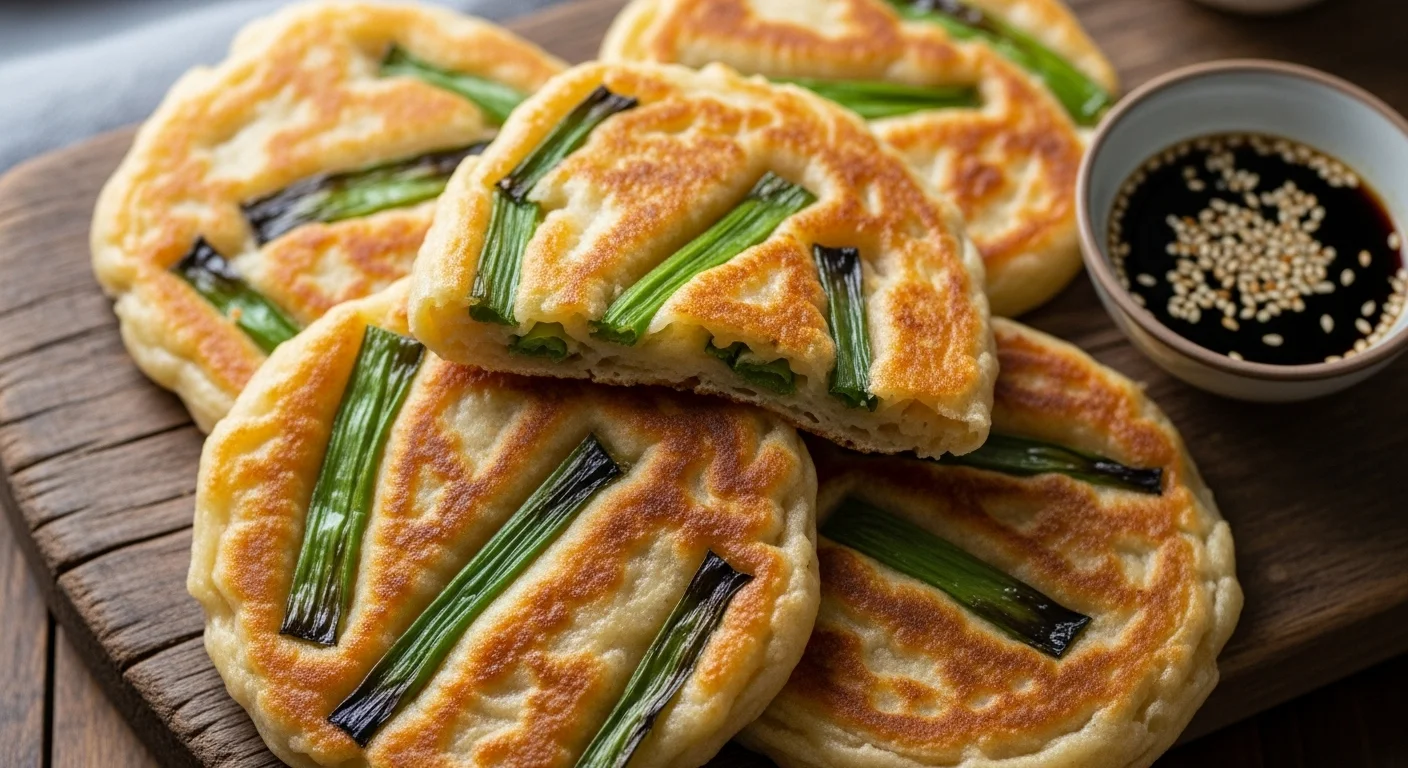
Imagine biting into a warm, crispy scallion pancake, the crunch mingling with the savory flavors of fresh scallions. These crispy sourdough discard scallion pancakes not only satisfy your snack cravings but also make the most of your sourdough journey! If you’re looking for other delicious ways to use your sourdough discard, check out the Fluffy Sourdough Pancakes Recipe (The Best Use For Discard).
Understanding Sourdough Discard
What is Sourdough Discard?
As someone who’s fallen in love with baking sourdough bread, I can tell you that sourdough discard is a treasure! It’s the portion of your sourdough starter that you remove before feeding it. Instead of tossing this excess starter, I’ve learned to embrace it. It’s a great way to add flavor and texture to various recipes. The discard has the unique tangy flavor from the fermentation process, which can enhance everything from pancakes to muffins. For tips on maintaining your starter, be sure to read How To Strengthen Your Sourdough Starter (Simple Tips).
Benefits of Using Sourdough Discard
I often find myself looking for ways to reduce food waste, and using sourdough discard is a perfect solution. Here are some benefits I’ve noticed:
- Flavor Boost: The fermented taste of sourdough adds a depth of flavor to your dishes that you just can’t replicate with regular flour.
- Texture Improvement: It can create a delightful chewiness in baked goods and snacks, which I absolutely love.
- Easy to Use: You can mix the discard straight into recipes without needing to adjust many ingredients. It’s as simple as measuring and mixing!
- Health Benefits: The fermentation process involves beneficial bacteria that can aid digestion and improve gut health.
How to Store Sourdough Discard
Storing sourdough discard is easy. I typically keep mine in a clean container in the fridge, where it can last for up to a week. Just make sure to seal it tightly to prevent it from drying out. If I know I won’t be using it soon, I also freeze some for later use. Freezing is a great option because I can pull out small portions whenever I want to whip up something delicious. Just remember to thaw it before using, and give it a good stir to incorporate any liquid that may separate while frozen.
Ingredients for Crispy Sourdough Discard Scallion Pancakes
Main Ingredients
When I set out to make crispy sourdough discard scallion pancakes, I gather the following ingredients:
- Sourdough Discard: About 1 cup is ideal for a satisfying batch.
- All-Purpose Flour: I usually add about 1/2 cup to give the pancakes structure.
- Water: Just enough to create a workable dough, around 1/4 cup, but this can vary.
- Scallions: A generous amount, roughly 1/2 cup chopped, for that fresh, oniony kick.
- Salt: Essential for flavor, I typically use about 1/2 teaspoon.
- Oil: For cooking, I prefer vegetable oil or sesame oil for an extra layer of flavor.
Optional Add-ins and Variations
One of the things I love most about these pancakes is their versatility. Sometimes, I’ll mix in other ingredients like:
- Garlic: Minced garlic can add a lovely aroma.
- Sesame Seeds: They add a nutty crunch that’s delightful.
- Cheese: A sprinkle of shredded cheese can make the pancakes even more indulgent!
- Herbs: Fresh herbs like cilantro or parsley can provide a fresh pop of flavor.
Recommended Tools and Equipment
To make the process smooth, I recommend having a few essentials on hand:
- Mixing Bowl: A large bowl is perfect for mixing the ingredients together.
- Rolling Pin: To roll out the dough into flat pancakes.
- Non-stick Skillet: This helps achieve that perfect crispy texture without sticking.
- Spatula: For flipping the pancakes with ease.
- Measuring Cups and Spoons: To ensure accurate ingredient portions.
Preparation Steps for Sourdough Discard Scallion Pancakes
Preparing the Dough
When I’m ready to make my crispy sourdough discard scallion pancakes, the first step is preparing the dough. It’s really simple! I start by taking my sourdough discard out of the fridge and letting it come to room temperature for about 30 minutes. This helps it mix more easily. I like to add the all-purpose flour, water, and salt into a large mixing bowl, and then I gently fold in the sourdough discard. I usually use a spatula or wooden spoon to combine everything until it forms a shaggy dough. I don’t worry too much about getting it perfectly smooth at this stage; it’s fine if it’s a little lumpy!
Chopping and Preparing Scallions
Next, I focus on the scallions. I usually grab a bunch and wash them thoroughly under running water to remove any dirt. Then, I chop off the root ends and slice the scallions into thin rounds. I tend to use both the white and green parts because the white parts are flavorful, while the green adds a beautiful pop of color. The aroma of fresh scallions fills my kitchen, and it always excites me about the meal to come. I set the chopped scallions aside in a small bowl, ready to be mixed in.
Mixing Ingredients
Once I have my scallions ready, I add them to the dough mixture. I find it helpful to sprinkle the chopped scallions over the dough and gently fold them in using a spatula. This helps distribute the scallions evenly throughout the mixture. It’s important not to overmix at this stage; I just want to ensure the scallions are incorporated without breaking them down too much. The mixture should still have some texture, making every bite a delightful experience with a little crunch from the scallions.
Resting the Dough
After mixing, I like to let the dough rest for about 15-30 minutes. Resting allows the gluten to relax, which makes rolling out the pancakes easier later on. I cover the bowl with a kitchen towel or plastic wrap to keep it from drying out. This little break also gives me time to clean up the kitchen and prep my cooking station. I find that taking a few moments to slow down makes the entire cooking experience more enjoyable.
Cooking Techniques for Perfect Pancakes
Choosing the Right Pan
When it’s time to cook, I pull out my trusty non-stick skillet. I’ve tried various pans, but I find that a non-stick skillet works best for these pancakes. It ensures they cook evenly and crisp up nicely without sticking. If I want extra flavor, I sometimes use a cast-iron skillet, but I make sure to preheat it properly. The right pan can really make a difference in achieving that perfect texture!
Cooking Temperature and Timing
I heat the skillet over medium heat and add a generous amount of oil—about a tablespoon or two—depending on the size of the skillet. I let the oil heat up until it shimmers, which I’ve learned is the sweet spot for cooking. Once the oil is hot, I scoop about a half cup of the pancake mixture into the skillet. I gently spread it out into a circle, about half an inch thick. Cooking each pancake for about 3-4 minutes on one side allows it to develop that crispy golden-brown crust that I love. Patience is key; it’s tempting to flip too early, but waiting gives the pancake a chance to achieve that perfect crunch!
Flipping and Achieving Crispy Texture
When the edges of the pancake start to look set and the bottom is golden brown, it’s time for the flip! I slide my spatula under the pancake and confidently flip it over. I can feel the excitement build as I watch the other side cook. I usually give it another 3-4 minutes until it’s equally golden and crispy. After I take the pancake out, I place it on a plate lined with paper towels to absorb any excess oil. I repeat the process with the remaining dough, adding more oil to the skillet as needed.
Once all my pancakes are cooked, the kitchen smells heavenly, and I can’t wait to enjoy them! I love serving them hot, straight from the skillet. There’s something so satisfying about the crispy exterior and the soft, flavorful interior, especially when paired with a delicious dipping sauce. My mouth waters just thinking about it!
Serving Suggestions and Pairing Options
Best Dipping Sauces
When it comes to enjoying my crispy sourdough discard scallion pancakes, I believe the right dipping sauce can elevate the experience even more. I’ve experimented with a few different options, and here are my top picks:
- Soy Sauce and Vinegar: A classic combination! I like to mix soy sauce with a splash of rice vinegar and a dash of sesame oil for a simple yet delicious dip. Sometimes, I even add a sprinkle of red pepper flakes for a little heat.
- Spicy Chili Oil: If I’m in the mood for something with a kick, I drizzle spicy chili oil over my pancakes. The oil adds a lovely heat that complements the savory pancakes beautifully.
- Sweet Soy Sauce: Mixing soy sauce with a bit of honey or sugar creates a sweet and savory dip that balances the flavors perfectly. It’s a delightful surprise that I truly enjoy!
- Peanut Sauce: For a different twist, I sometimes whip up a creamy peanut sauce. The nuttiness pairs wonderfully with the scallion flavor, adding a rich texture that I can’t resist.
Complementary Side Dishes
To round out my meal, I often serve these scallion pancakes with some complementary side dishes. I’ve discovered that pairing them with the right flavors makes for a fuller dining experience. Here are a few sides that I love:
- Asian Slaw: A crunchy slaw made with cabbage, carrots, and a tangy dressing adds a refreshing contrast to the crispy pancakes. I often toss in some sesame seeds for added texture.
- Stir-Fried Vegetables: A colorful medley of stir-fried vegetables, such as bell peppers, broccoli, and snap peas, adds nutrition and a burst of color to the plate. It’s a delightful way to incorporate more veggies into the meal.
- Egg Drop Soup: On chilly days, I enjoy serving my pancakes alongside a warm bowl of egg drop soup. The comforting broth pairs nicely with the pancakes, making for a cozy meal.
- Pickled Vegetables: I love adding some pickled vegetables on the side for a tangy contrast. The acidity from the pickles cuts through the richness of the pancakes, creating a balanced dish.
Presentation Tips
Presentation plays a big role in how much I enjoy a meal. I’ve learned a few simple tricks to make my scallion pancakes look as good as they taste:
- Stack Them High: I like to stack my pancakes on a plate, slightly offsetting them for a casual and inviting look. A sprinkle of sesame seeds on top adds an appealing touch.
- Garnish Wisely: Fresh herbs, like cilantro or green onions, make a beautiful garnish. I often sprinkle some on top to add a pop of color and freshness.
- Serving on a Wooden Board: Serving my pancakes on a rustic wooden board gives a charming presentation. It’s a nice way to create a cozy atmosphere, especially when entertaining guests.
- Use Colorful Dishes: I enjoy serving dips in vibrant bowls to make the table more visually appealing. It creates a fun and inviting dining experience!
Common Mistakes to Avoid
Overmixing the Dough
One mistake I’ve made in the past is overmixing the pancake dough. While it’s important to combine the ingredients, I’ve learned that overmixing can lead to tough pancakes. I remember the first time I really mixed it too much; I ended up with a chewy texture instead of the light and crispy pancakes I was aiming for. Now, I gently fold the ingredients just until combined, leaving a little texture in the dough to ensure that delightful bite.
Incorrect Cooking Temperature
Another common pitfall is not getting the cooking temperature right. I’ve had my fair share of pancakes that didn’t cook evenly because the skillet was too hot or not hot enough. I’ve found that setting my skillet over medium heat and allowing the oil to shimmer before adding the pancake mixture is the key. This way, I avoid burning the outside while the inside remains uncooked. It’s all about patience!
Underseasoning the Pancakes
Finally, I’ve made the mistake of underseasoning my pancakes. It’s easy to think that the scallions provide enough flavor on their own, but I’ve learned that a little salt goes a long way. I typically add salt to the dough, but I also taste the mixture before cooking to ensure it has the right balance. A well-seasoned pancake makes all the difference, enhancing the overall flavor and ensuring each bite is delicious!
Storage and Reheating Tips
How to Store Leftover Pancakes
Sometimes, I make a larger batch than I can eat in one sitting, and that’s okay! I’ve discovered that properly storing leftover pancakes can keep them fresh for later. I let the pancakes cool completely before storing them in an airtight container. I usually place a piece of parchment paper between layers to prevent sticking, which has worked really well for me. Stored this way, they can last in the fridge for about 3-4 days.
Best Practices for Reheating
Reheating the pancakes is just as important as storing them. I find that the best method is to heat them in a skillet over medium heat for a few minutes on each side until they’re warmed through and regain some crispiness. If I’m in a hurry, I’ll pop them in the microwave for about 30 seconds, but I prefer the skillet method for that perfect texture. Sometimes, I’ll even sprinkle a little oil in the skillet to help them crisp up again. It’s like enjoying them fresh all over again!
Health Benefits of Scallion Pancakes
Nutritional Value of Scallions
Scallions are not only delicious but also packed with health benefits. I’ve learned that they are low in calories and rich in vitamins A, C, and K. Plus, they contain antioxidants that can help support my immune system. I love that by including scallions in my pancakes, I’m adding a nutritious element to my meal. Their high fiber content also aids digestion, making them a satisfying addition to my diet.
Benefits of Sourdough Fermentation
When I use sourdough discard, I’m also benefiting from the fermentation process. The probiotics found in fermented foods are known to support gut health, which is something I’ve found to be increasingly important. The fermentation process also helps break down gluten, making it easier for some people to digest. It’s amazing to think that something as simple as a pancake can offer so many advantages for my health!
Frequently Asked Questions (FAQs)
Can I use other vegetables in the pancakes?
Absolutely! I love experimenting with different vegetables. You can try adding grated carrots, zucchini, or even chopped bell peppers for a twist. The key is to chop them finely so they mix well with the pancake batter.
How do I know if my sourdough discard is still good?
Typically, I check the smell and appearance of my sourdough discard. If it smells tangy and has bubbles, it’s good to go. However, if it has an off-putting odor or shows signs of mold, it’s best to discard it.
Can I freeze scallion pancakes?
Yes! I often freeze scallion pancakes for later enjoyment. After cooking and cooling them, I place them in a single layer on a baking sheet and freeze them until solid. Then, I transfer them to a freezer-safe bag, ready to reheat whenever I crave them! You can also explore other recipes like Easy Sourdough Discard Bagels (A Quick Morning Bake).
Frequently Asked Questions
“`htmlWhat is sourdough discard?
Sourdough discard is the portion of your sourdough starter that you remove before feeding it. Instead of throwing it away, it can be used to enhance flavor and texture in various recipes.
What are the benefits of using sourdough discard?
Using sourdough discard can provide a flavor boost, improve texture, make recipes easier to prepare, and offer health benefits due to the presence of beneficial bacteria from the fermentation process.
How should I store sourdough discard?
Sourdough discard should be stored in a clean container in the fridge, where it can last for up to a week. It can also be frozen for later use, and should be thawed and stirred before using.
What are the main ingredients for making crispy sourdough discard scallion pancakes?
The main ingredients include about 1 cup of sourdough discard, 1/2 cup of all-purpose flour, 1/4 cup of water, 1/2 cup of chopped scallions, 1/2 teaspoon of salt, and oil for cooking.
What optional add-ins can I use for scallion pancakes?
Optional add-ins include minced garlic, sesame seeds, shredded cheese, and fresh herbs like cilantro or parsley for added flavor and texture.
What tools are recommended for making scallion pancakes?
Recommended tools include a mixing bowl, rolling pin, non-stick skillet, spatula, and measuring cups and spoons for accurate ingredient portions.
How do I prepare the dough for scallion pancakes?
To prepare the dough, take the sourdough discard out of the fridge to reach room temperature, then mix it with flour, water, and salt in a bowl until it forms a shaggy dough.
What is the best cooking temperature for scallion pancakes?
The best cooking temperature is medium heat. The oil should shimmer before adding the pancake mixture to ensure even cooking and a crispy texture.
What are some recommended dipping sauces for scallion pancakes?
Recommended dipping sauces include a mixture of soy sauce and vinegar, spicy chili oil, sweet soy sauce, and creamy peanut sauce.
How should I store and reheat leftover scallion pancakes?
Leftover pancakes should be cooled completely, stored in an airtight container with parchment paper between layers, and can be reheated in a skillet over medium heat for best results.
“`