
There’s something truly special about the aroma of freshly baked bread wafting through the kitchen. Crusty gluten-free Irish soda bread, made without yeast, is not just a treat but a delightful nod to tradition that anyone can enjoy. Read Interesting article: Roasting Veggies Like a Pro: 6 Foolproof Tips for Maximum Flavor
What is Irish Soda Bread?
Irish soda bread has a rich history that goes back to the 19th century in Ireland. It emerged as a staple in Irish homes, especially among the rural population. The bread is made using basic ingredients that were readily available at the time, making it a practical choice for families. Unlike traditional bread that relies on yeast for rising, Irish soda bread uses baking soda as a leavening agent. This unique method not only set it apart but also made it incredibly quick and easy to prepare. I remember the first time I tried making soda bread; it was a revelation to see how simple ingredients could create something so delicious.
Historical Background
The origins of Irish soda bread can be traced back to the introduction of baking soda in the 1840s. This was a game-changer for many households, especially during the Great Famine when resources were scarce. Before baking soda, bread was typically made with yeast, which required more time and effort. The shift to soda bread represented a significant adaptation to the challenges of the time. Families could whip up a loaf without the need for lengthy rising times or the worry of yeast failures. I find it fascinating how such a humble recipe reflects resilience and creativity in tough times.
Traditional Ingredients
Traditional Irish soda bread typically includes just four main ingredients: flour, baking soda, salt, and buttermilk. The simplicity of these ingredients is part of what makes it so appealing. However, when it comes to gluten-free versions, we need to make some adjustments. I’ve played around with different gluten-free flours and can assure you that the right blend can yield a loaf that’s just as satisfying as the original. The choice of flour really impacts the texture and flavor, and finding the perfect blend is part of the fun in creating this bread. Read Interesting article: This Green Pesto Rice Bowl Took Over My Whole Life
Benefits of Going Gluten-Free
When I decided to try gluten-free baking, I was surprised to discover the wealth of options available. While gluten-free diets are often associated with those who have celiac disease or gluten intolerance, many people are exploring gluten-free options for various reasons. For me, it was about exploring new flavors and textures while also being mindful of my dietary choices.
Health Considerations
Many people, myself included, have opted for gluten-free diets due to health reasons. Some may experience digestive issues with gluten, while others feel more energetic and less bloated when they cut it out. I’ve noticed a significant improvement in how I feel after meals since I reduced gluten in my diet. It’s essential to listen to our bodies and find what works best for us. Moreover, gluten-free grains often come with their own set of nutrients that can be beneficial to our overall health.
Common Gluten-Free Flours
When I first started baking gluten-free, I was overwhelmed by the choices of flours available. Some of my favorites include almond flour, coconut flour, and brown rice flour. Each brings a unique flavor and texture to the table. For a crusty Irish soda bread, I recommend using a blend of gluten-free all-purpose flour and some whole grain options. This combination not only helps mimic the traditional bread but also adds a delicious nutty flavor that I absolutely love. I’ve found that experimenting with different flours is part of the joy of gluten-free baking.
Key Ingredients for Crusty Gluten-Free Irish Soda Bread
Now that we’ve touched upon the basics of Irish soda bread and the benefits of going gluten-free, let’s dive into the key ingredients that will elevate your soda bread to new heights. Each ingredient plays a critical role in achieving that perfect crusty, flavorful loaf.
Gluten-Free Flour Blends
The type of gluten-free flour you choose can make or break your soda bread. I’ve tried several combinations, but my go-to is usually a blend that includes brown rice flour, tapioca flour, and potato starch. This mix not only provides a great structure but also helps create that desirable crust. The texture is something I always look for, and a good flour blend can achieve that perfect balance of softness inside and crunch outside.
Baking Soda and Its Role
Baking soda is the star of this recipe. It reacts with the acidity in buttermilk, creating carbon dioxide bubbles that help the bread rise. I remember when I first learned about this reaction, I was amazed at how such a simple ingredient could transform the bread. Make sure to use fresh baking soda for the best results; old baking soda can lead to a dense loaf, which is definitely not what we want.
Buttermilk Alternatives
If you don’t have buttermilk on hand, don’t worry! I’ve used a simple mix of dairy-free milk and lemon juice or vinegar to create a buttermilk substitute. Just let it sit for about 5-10 minutes until it curdles. This little trick not only mimics the tanginess of buttermilk but also contributes to the bread’s soft texture. I love how versatile baking can be, allowing for substitutions that still lead to delicious outcomes.
Salt and Sugar Options
Salt is essential for flavor, and I often experiment with different types. Sea salt or Himalayan pink salt adds a nice depth to the bread. As for sugar, traditional Irish soda bread doesn’t usually have much, but I’ve found that a tablespoon of honey or maple syrup can add a lovely hint of sweetness without overpowering the bread. Just remember, a little goes a long way!
Step-by-Step Recipe for Gluten-Free Irish Soda Bread
Now that we’ve explored the key ingredients for our gluten-free Irish soda bread, it’s time to get our hands a little doughy and dive into the recipe! I always find it satisfying to follow a step-by-step process, so let’s make this as easy as possible. This recipe is not only straightforward but also fun to make, whether you’re an experienced baker or just starting out.
Preparation Time and Equipment Needed
To start, let’s gather our equipment and ingredients. You’ll need:
- A mixing bowl
- A whisk or fork
- A wooden spoon or spatula
- A baking sheet lined with parchment paper
- Measuring cups and spoons
Preparation time is about 15 minutes, and baking takes around 30-40 minutes. So, in just about an hour, you’ll have a fresh loaf of gluten-free Irish soda bread ready to enjoy!
Mixing the Dry Ingredients
First, let’s whisk together our dry ingredients. In a large mixing bowl, combine:
- 2 cups of gluten-free flour blend
- 1 teaspoon of baking soda
- 1 teaspoon of salt
As you mix, I encourage you to really feel the texture of the flour. I find it helps to get a sense of how the bread will turn out. Make sure there are no clumps; a thorough whisking ensures even distribution of ingredients.
Incorporating Wet Ingredients
Next, it’s time to add our wet ingredients. In a separate bowl, combine:
- 1 cup of buttermilk (or your dairy-free alternative)
- 1 tablespoon of honey or maple syrup (if using)
Pour this mixture into the bowl with your dry ingredients. Using a wooden spoon or spatula, gently stir until the dough comes together. It will feel a bit sticky, but that’s perfectly fine! I remember my first loaf was quite wet, and I panicked a little, but it turned out beautifully.
Kneading and Shaping the Dough
Now comes the fun part! Turn the dough out onto a lightly floured surface. Since we’re working with gluten-free flour, you won’t need to knead it as much as traditional bread. I usually give it a gentle knead—just enough to shape it into a round loaf. Don’t overdo it; too much handling can make the bread dense.
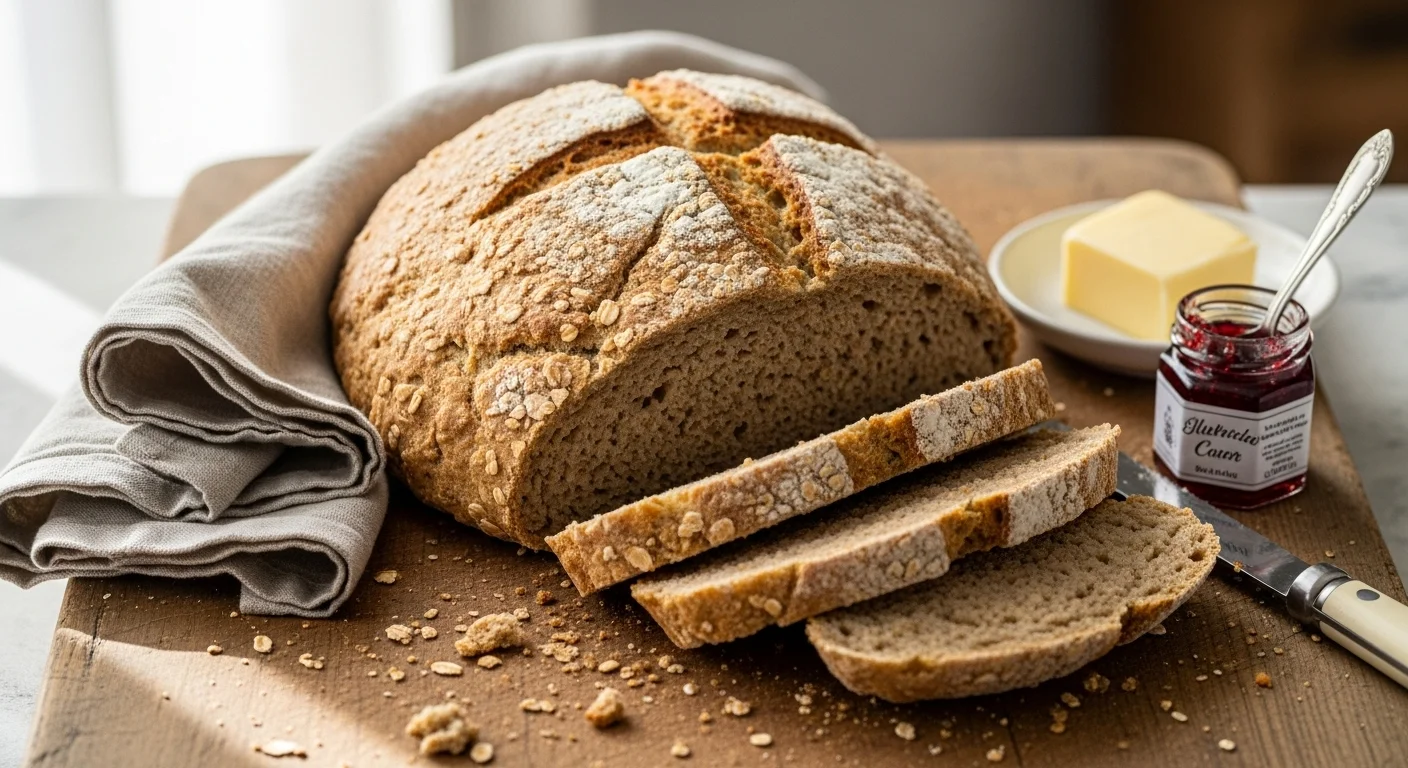
Shape the dough into a round ball and place it on your prepared baking sheet. Using a sharp knife, score a shallow “X” on the top of the dough. Not only does this look wonderful, but it also helps the bread bake evenly. I always enjoy this part, as it feels like I’m giving my bread a little personality!
Baking Instructions for Optimal Crust
Preheat your oven to 425°F (220°C). When it’s ready, pop your dough in and bake for about 30-40 minutes. You’ll know it’s done when it turns a lovely golden brown and sounds hollow when tapped on the bottom. I recommend keeping an eye on it during the last few minutes so that it doesn’t over-bake. The aroma filling your kitchen will be absolutely irresistible! Once baked, allow it to cool on a wire rack. The cooling process is crucial for letting the moisture escape, which helps create that perfect crust.
After all this effort and anticipation, biting into your homemade gluten-free Irish soda bread will be an experience you won’t forget. I still remember my first bite; it was warm, crusty, and utterly satisfying.
Tips for Perfecting Your Soda Bread
Now that we’ve gone through the recipe, I’m excited to share some tips that can help elevate your gluten-free Irish soda bread. From achieving the perfect texture to avoiding common pitfalls, these insights come from my own baking adventures, and I hope they make your experience even better.
Achieving the Right Texture
For me, the texture of the bread is everything. You want a nice crust on the outside while keeping the inside soft and tender. One tip I’ve learned is to not overwork the dough. Unlike traditional bread that benefits from gluten development, gluten-free dough can become tough if handled too much. So, just mix until combined, and then gently shape it into a loaf. I also recommend using a blend of different gluten-free flours to achieve that perfect balance. The more variety you include, the better the texture tends to be. I’ve noticed that adding a small amount of xanthan gum can also help mimic the elasticity that gluten provides, giving the bread a lovely crumb.
How to Avoid Common Mistakes
We all have those baking moments where things don’t go as planned. One mistake I made early on was not measuring my ingredients accurately. I’ve found that using a kitchen scale can really help ensure consistency, especially with gluten-free flours, which can vary in weight. Another common pitfall is forgetting to check the freshness of your baking soda. Using old baking soda can lead to bread that doesn’t rise properly, resulting in a dense loaf. Trust me; I learned this the hard way! Lastly, don’t skip on the scoring step before baking. It might seem trivial, but scoring helps the bread expand as it bakes, ensuring a nice shape and texture.
Enhancing Flavor with Add-Ins
While traditional Irish soda bread is delicious on its own, I love experimenting with add-ins to create unique flavor profiles. Dried fruits like raisins or cranberries add a sweet touch that complements the bread beautifully. I often toss in a handful of chopped nuts, such as walnuts or pecans, for a bit of crunch. You could also consider herbs like rosemary or thyme for a savory twist. The possibilities are endless! I remember making a batch with sun-dried tomatoes and olives once, and it was a total game-changer. Adding spices, like a pinch of cumin or nutmeg, can also elevate the flavor, giving it that extra warmth. Feel free to get creative and tailor the bread to your taste! Read Interesting article: Rush Hour Ready: 10 Healthy Breakfasts You Can Make in 10 Minutes
Serving Suggestions and Pairings
Once your gluten-free Irish soda bread is baked to perfection, it’s time to think about how to serve it. I love that soda bread is so versatile that it can be enjoyed in a variety of ways.
Best Dishes to Accompany Soda Bread
One of my favorite ways to enjoy soda bread is with a hearty soup or stew. The crusty bread is perfect for soaking up flavors, and there’s just something comforting about a warm bowl of soup paired with freshly baked bread. I’ve also enjoyed it as part of a breakfast spread, served alongside eggs and sautéed vegetables. If you’re feeling adventurous, try it with a classic Irish breakfast complete with beans, sausages, and bacon. It’s a filling meal that brings together all the best flavors!
Spreads and Toppings
Now, let’s talk about spreads! Butter is a classic choice, of course, but I find that a good quality Irish butter adds a rich, creamy layer that elevates the bread. If you’re looking for something different, homemade herb butter with chives or garlic can add an impressive touch. Cream cheese or a tangy goat cheese spread is also delightful, especially when paired with a bit of honey or jam for sweetness. For a healthier option, I’ve been enjoying mashed avocado with a sprinkle of sea salt and a dash of lemon juice. It’s simple but incredibly satisfying. Whatever you choose, remember that the right topping can really enhance the overall experience of your soda bread!
Storage and Shelf Life of Gluten-Free Irish Soda Bread
After all that hard work, you might be wondering how to store your gluten-free Irish soda bread to keep it fresh. I’ve learned a few things along the way.
How to Store for Freshness
Once your bread has cooled completely, it’s best to wrap it tightly in plastic wrap or aluminum foil. I usually store mine in an airtight container at room temperature for a couple of days. If you notice it starting to dry out, placing a slice of apple or a piece of bread inside the container can help maintain moisture. Just be sure to discard them after a day or two to avoid any spoilage.
Freezing Options
If you’ve got leftover bread or want to make a batch for later, freezing is a great option. I’ve found that cutting the bread into slices before freezing makes it super convenient for future use. Just wrap each slice in plastic wrap and then place them in a freezer bag. When you’re ready to enjoy a slice, simply pop it into the toaster or oven for a quick reheat. It’s almost like having freshly baked bread any time you crave it! Just remember, it’s best to consume frozen bread within three months for optimal flavor and texture.
Frequently Asked Questions (FAQs)
Can I Use Different Gluten-Free Flours?
Absolutely! One of the best parts about gluten-free baking is the ability to experiment with various flours. I’ve had great success using almond flour, oat flour, and even chickpea flour in my soda bread recipes. Each type of flour brings its own flavor and texture to the loaf. I recommend starting with a blend of gluten-free flours for the best results. This not only helps with the structure but also provides a more complex flavor profile. Just remember to keep track of which combinations work best for you!
How Does Baking Without Yeast Affect Texture?
Baking without yeast definitely changes the texture of the bread. Yeast breads typically have a chewy, airy texture due to the fermentation process, while soda bread is denser and more compact. I find that the baking soda gives it a unique crumb and a slightly different mouthfeel. It’s denser but still has a lovely crust. I love that it’s quick to make, which means I can enjoy a fresh loaf without having to wait for it to rise. For those who might be hesitant about the texture, I encourage you to give it a try—it’s a wonderful change of pace.
Can I Make This Recipe Vegan?
Yes, you can easily make gluten-free Irish soda bread vegan! I’ve tried substituting the buttermilk with a plant-based milk mixed with vinegar or lemon juice, just like I mentioned before. You can skip the honey or maple syrup if you prefer to keep it sugar-free or use agave syrup instead. The beauty of this recipe is its adaptability; it caters to various dietary needs without losing the essence of a delicious loaf. I’ve often baked this for friends who are vegan, and they loved it just as much!
What Makes Soda Bread Unique Compared to Other Breads?
Soda bread stands out from other breads primarily due to its simplicity and the use of baking soda as a leavening agent. Traditional yeasted breads require time and patience for the dough to rise, while soda bread is quick and easy, making it an excellent option for last-minute baking. I appreciate how soda bread retains a rustic charm, with its hearty crust and simple ingredients. It’s a perfect representation of comfort food that’s both satisfying and accessible to everyone. I think that’s why it has become a staple in many households, including mine!
Final Thoughts
Baking gluten-free Irish soda bread has been a rewarding journey for me. The process is straightforward and the results are always satisfying. I’ve learned that with the right ingredients and a bit of creativity, even the simplest of recipes can yield something truly special. Whether you enjoy it fresh out of the oven with a pat of butter or as part of a cozy meal with family and friends, this bread has a way of bringing people together. So, if you haven’t tried making gluten-free Irish soda bread yet, I highly recommend it! You might just find your new favorite recipe.
Frequently Asked Questions
What is Irish Soda Bread?
Irish soda bread is a traditional bread that emerged in the 19th century in Ireland, primarily made using flour, baking soda, salt, and buttermilk. It uses baking soda as a leavening agent instead of yeast, making it quick and easy to prepare.
What are the traditional ingredients for Irish Soda Bread?
Traditional Irish soda bread typically includes four main ingredients: flour, baking soda, salt, and buttermilk. Gluten-free versions require adjustments in the flour used.
How can I make gluten-free Irish soda bread?
To make gluten-free Irish soda bread, use a blend of gluten-free flours, such as brown rice flour, tapioca flour, and potato starch. Follow a recipe that combines these flours with baking soda, salt, and buttermilk or a dairy-free alternative.
Why is baking soda used instead of yeast in soda bread?
Baking soda is used as a leavening agent in soda bread because it reacts with the acidity in buttermilk to create carbon dioxide bubbles that help the bread rise, making it a quicker alternative to yeast-based breads.
Can I substitute buttermilk in the recipe?
Yes, if you don’t have buttermilk, you can create a substitute by mixing dairy-free milk with lemon juice or vinegar and letting it sit for about 5-10 minutes until it curdles.
What are some common gluten-free flours to use?
Common gluten-free flours include almond flour, coconut flour, and brown rice flour. A blend of different gluten-free flours is recommended to achieve the best texture and flavor in the bread.
How long does it take to prepare gluten-free Irish soda bread?
Preparation time for gluten-free Irish soda bread is about 15 minutes, with an additional 30-40 minutes of baking time. In total, you can have a fresh loaf ready in about an hour.
What tips can help achieve the perfect texture in gluten-free soda bread?
To achieve the perfect texture, avoid overworking the dough, use a variety of gluten-free flours, and consider adding xanthan gum to mimic gluten’s elasticity. Gentle mixing and shaping are crucial.
How should I store gluten-free Irish soda bread?
Once cooled, wrap the bread tightly in plastic wrap or aluminum foil and store it in an airtight container at room temperature for a couple of days. For longer storage, slice and freeze it, consuming within three months for best quality.
Can I make gluten-free Irish soda bread vegan?
Yes, you can make gluten-free Irish soda bread vegan by substituting the buttermilk with a plant-based option and omitting honey or maple syrup, using agave syrup instead if desired.