
There’s something undeniably comforting about the aroma of freshly baked sourdough pumpernickel bread wafting through the kitchen. The deep, rich flavors invite you to take a bite and savor the moment. Read Interesting article: Easy Marry Me Chicken (The Recipe That Went Viral)
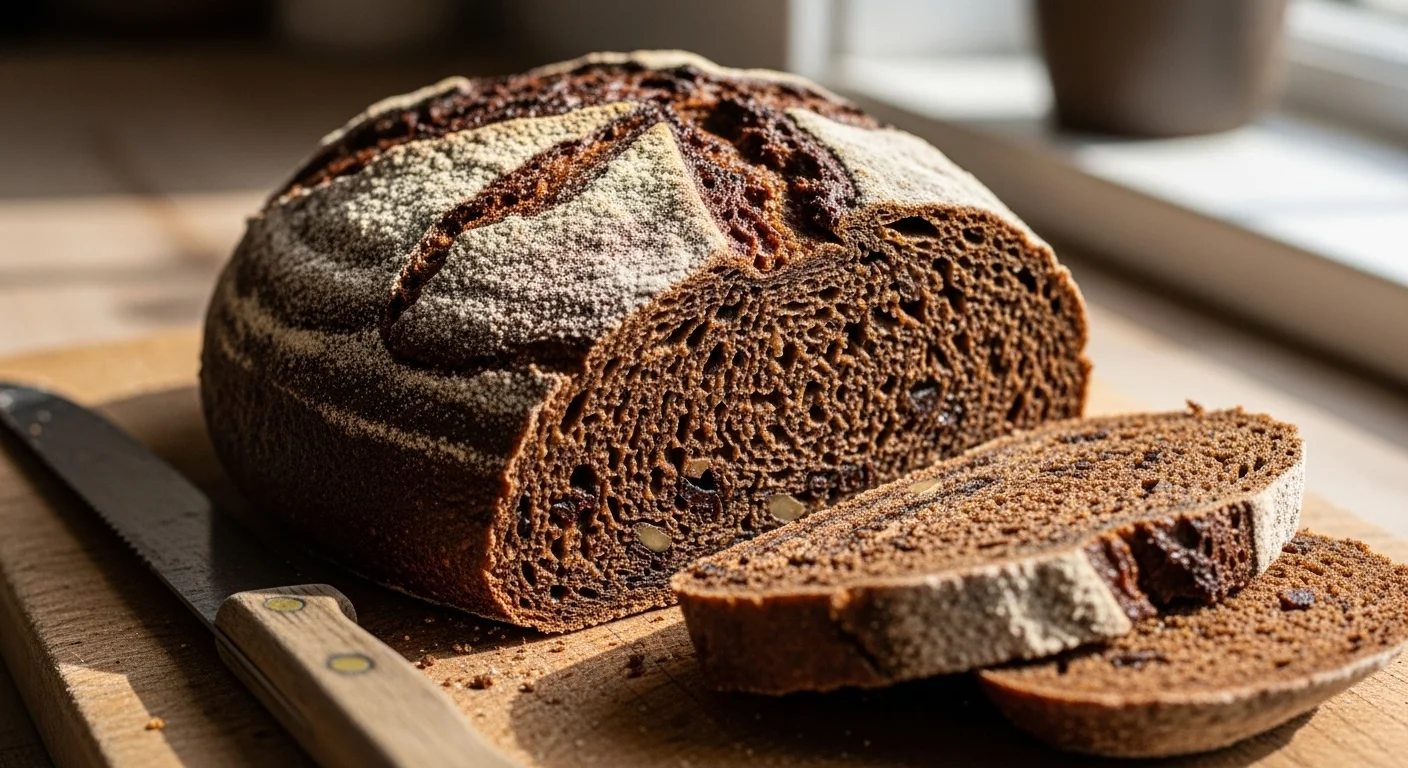
Overview of Sourdough Pumpernickel Bread
What is Pumpernickel Bread?
Pumpernickel bread is a type of dark bread made primarily from coarsely ground rye flour. Its distinctive dark color and rich flavor come from the use of whole rye grains and a longer baking process. Traditionally, pumpernickel has a slightly sweet, nutty taste, which I found to be incredibly versatile in the kitchen. When I first tried making pumpernickel, I was surprised by how different it felt compared to regular wheat bread. The texture is denser, and the taste has a complex depth that really stands out.
History and Origin of Pumpernickel
The origins of pumpernickel bread date back to Germany, particularly in the Westphalia region. The name “pumpernickel” is said to derive from the German words “pumpern,” meaning to break wind, and “Nickel,” a term used for the devil. This quirky name reflects the bread’s rustic and hearty nature. As I delved into its history, I learned that this bread was originally made with low-quality rye, intended for the working class. Over time, it gained popularity and evolved, becoming a beloved staple in many households. It’s fascinating how a bread once considered peasant food can now grace the tables of gourmet restaurants.
Characteristics of Dark & Rich Sourdough Pumpernickel
Dark and rich sourdough pumpernickel bread has several defining characteristics. First, its texture is dense and chewy, yet it still manages to have a moist crumb. When I baked my first loaf, I marveled at the sight of its dark crust contrasted against the soft interior. This bread also boasts a slightly tangy flavor, thanks to the fermentation process involved in sourdough. The sourdough starter not only enhances the flavor but also improves digestibility, which is a plus for many. One of the things I love most about this bread is its versatility. It pairs excellently with a variety of toppings, from sweet jams to savory cheeses. I’ve found that the unique flavor profile makes it a delightful backdrop for many meals. The rich, earthy taste of pumpernickel also means it can hold its own against hearty dishes, making it a great choice for sandwiches or as a side for soups and stews. As I’ve made this bread over the years, I’ve learned that every loaf tells a story, from the ingredients I choose to the way I shape the dough. Read Interesting article: This Korean Bulgogi Chicken Trend Deserves Its Fame
Ingredients for Dark & Rich Sourdough Pumpernickel Bread
Essential Ingredients
Making dark and rich sourdough pumpernickel bread starts with gathering the right ingredients. The foundation of this bread is, of course, rye flour. I usually opt for a mix of whole rye flour and light rye flour. This combination gives the bread a nice balance of flavor and texture. Along with flour, you’ll need water, salt, and an active sourdough starter. I remember the first time I made my starter from scratch—it felt like the beginning of a beautiful friendship. Keeping it alive and bubbly became a part of my routine, and it truly transforms the bread.
Choosing the Right Flour
When selecting flour for pumpernickel, the quality matters. I’ve experimented with various brands, and I’ve found that organic, freshly milled flour tends to yield the best results. Whole rye flour has a higher fiber content and a more robust flavor compared to all-purpose flour, which is essential for achieving that authentic pumpernickel taste. I’ve noticed that using a coarser grind gives the bread its characteristic texture, making it hearty and satisfying.
Importance of Sourdough Starter
Your sourdough starter is the heart of this recipe. It’s what gives the bread its rise and that signature tangy flavor. I remember the excitement I felt when my starter bubbled and doubled for the first time. Properly maintaining your starter is crucial, as it needs to be active and healthy to leaven the bread effectively. If you’re new to sourdough, I recommend taking the time to learn about feeding schedules and how to recognize when your starter is ready to use.
Optional Add-ins and Enhancements
While the classic recipe is delicious on its own, I love to experiment with add-ins. Sometimes, I toss in a handful of seeds like sunflower or caraway for extra texture and flavor. Other times, I incorporate ingredients like molasses or cocoa powder to deepen the sweetness and color of the bread. The beauty of baking is that you can make it your own. I’ve found that these small adjustments can elevate the bread and make each loaf a unique masterpiece. Read Interesting article: Festive Halloween Sugar Cookie Bars: A Spooky Treat
Health Benefits of Sourdough Pumpernickel Bread
Nutritional Profile
When I started making sourdough pumpernickel bread, I was pleasantly surprised by its nutritional profile. This bread is a powerhouse of nutrients, packed with vitamins, minerals, and fiber. Rye flour is rich in B vitamins, particularly B1, B2, and B3, which are essential for energy metabolism. It also contains important minerals like iron, magnesium, and potassium. I always felt good knowing that each slice I enjoyed was not just delicious but also nourishing. The fiber content in pumpernickel is remarkable, which brings us to one of the bread’s best attributes.
Digestive Health Benefits
One thing I’ve learned over the years is how beneficial whole grains are for digestive health. Sourdough pumpernickel bread, with its high fiber content, aids digestion and promotes gut health. The fermentation process that occurs in sourdough helps break down the gluten and phytates in the flour, making it easier for our bodies to absorb nutrients. I often notice that on days when I include this bread in my meals, I feel more satisfied and less bloated. It’s amazing how something so simple can have such a positive impact on our gut health!
Low Glycemic Index and Blood Sugar Control
For anyone watching their blood sugar levels, pumpernickel bread is a fantastic choice. Its low glycemic index means it doesn’t cause rapid spikes in blood sugar, which is crucial for maintaining stable energy throughout the day. I remember chatting with a friend who has diabetes, and she mentioned how she appreciates having pumpernickel bread in her diet. It’s filling, satisfying, and doesn’t leave her feeling sluggish. Incorporating this bread into our meals can help prevent those mid-afternoon slumps that many of us experience. In my opinion, it’s a win-win!
How to Make Dark & Rich Sourdough Pumpernickel Bread
Preparing the Sourdough Starter
Getting your sourdough starter ready is the first step in the bread-making journey. I always make sure my starter is fed and bubbly before I begin. To prepare it, I take equal parts of flour and water and mix them with my existing starter. I let it sit at room temperature for a few hours until it doubles in size. This step is crucial because an active starter will ensure that your bread rises beautifully. I usually plan my baking day around this to ensure I’m set up for success.
Mixing the Dough
Once my starter is ready, it’s time to mix the dough. I combine the active starter with the rye flour, water, and salt in a large bowl. As I mix, I like to feel the textures come together. There’s something so satisfying about getting my hands in there, feeling the dough transform. I often find that using a wooden spoon first helps to bring everything together. After that, I switch to kneading with my hands, which is a bit of a workout but so rewarding!
Kneading Techniques for Pumpernickel
Kneading pumpernickel dough is different from kneading white bread dough due to its denser nature. I’ve discovered that using a gentle hand works best. Rather than trying to achieve a smooth, elastic dough, I focus on just incorporating everything well. I usually knead for about 5 to 10 minutes, just until the dough is combined and slightly elastic. This process is therapeutic for me; it’s a moment to be present and enjoy the act of baking.
Fermentation and Rising Times
After kneading, I cover the dough and let it rest for its first rise. This can take anywhere from 3 to 6 hours, depending on the temperature in my kitchen. I like to find a warm spot for my dough to encourage the fermentation process. Watching the dough rise is one of my favorite parts—it feels like magic! I sometimes take a peek to see how it’s progressing, and I always feel a sense of accomplishment as it grows.
Shaping the Dough
Once the dough has risen, I gently turn it out onto a floured surface. Shaping the dough is another moment I cherish. I form it into a loaf or round shape, depending on my mood. I remember the first time I shaped my pumpernickel; it was a bit challenging, but practice makes perfect! After shaping, I let the dough rise again for another hour, allowing it to relax and develop more flavor. It’s during this time that I feel my anticipation building for the delicious bread that’s about to come.
Baking: Temperature and Timing
Finally, it’s time to bake! I preheat my oven to around 450°F (230°C). I place my loaf in, often on a baking stone for even heat distribution, and I love the sound it makes when it hits the hot surface. I usually bake for about 30 to 40 minutes, watching for that beautiful dark crust to form. The aroma that fills the kitchen at this stage is one of my favorite parts of baking. I can hardly contain my excitement as I wait for the timer to go off!
Tips for Perfecting Your Sourdough Pumpernickel Bread
Common Mistakes to Avoid
As I’ve experimented with sourdough pumpernickel bread, I’ve learned that even small missteps can lead to big differences in the final product. One of the most common mistakes I’ve made is not allowing enough time for the dough to rise. Patience is key with sourdough, and hurrying the process can result in a dense loaf rather than the airy texture we desire. I remember the first time I pulled a loaf from the oven that looked perfect on the outside but felt like a brick when I sliced into it. Lesson learned!
Another pitfall is not measuring ingredients accurately. I’ve found that precision really matters, especially with flour and water. Using a kitchen scale has been a game-changer for me. It ensures consistency with each batch, which is important as I strive for that perfect loaf. Also, keep an eye on your starter. If it’s not bubbly and active, it can lead to disappointing results in the dough. Trust me, I’ve had my share of flat loaves when I was too eager to bake with a sluggish starter!
Adjusting for Altitude and Humidity
Living in different climates has taught me that baking is not one-size-fits-all. When I moved to a higher altitude, I had to adjust my recipe. At higher elevations, the air pressure is lower, which can cause the dough to rise too quickly and then collapse. To counter this, I learned to reduce the amount of water slightly and extend the rising times. It took a few trials, but I finally nailed it. I recommend keeping notes on what works best for you, so you can tweak as needed.
Humidity can also have a significant impact. On particularly humid days, I’ve found that I need to decrease the water in my dough. Conversely, in dry conditions, I might need to add a little more water to keep the dough from becoming too stiff. Watching the dough and adjusting accordingly has become part of my baking intuition. Each environment presents its own challenges, but there’s something rewarding about figuring it out!
Enhancing Flavor with Longer Fermentation
One of my favorite tips for enhancing the flavor of sourdough pumpernickel bread is to allow for longer fermentation times. I’ve discovered that letting the dough rest in the fridge overnight can really develop the flavors. The yeast and bacteria have more time to work their magic, leading to a deeper, more complex taste that elevates the bread to another level. There’s a bit of a science to it; the longer you let the dough ferment, the more tangy and flavorful it becomes. Plus, it makes the dough easier to shape because it relaxes with the extra time.
I usually mix the dough in the evening, let it rise for a couple of hours at room temperature, shape it, and then pop it in the fridge to ferment overnight. The next morning, all I have to do is let it come to room temperature for an hour or so before baking. It’s a great way to fit baking into a busy schedule, and the results are worth the wait!
Serving Suggestions for Dark & Rich Sourdough Pumpernickel Bread
Traditional Toppings and Spreads
When it comes to enjoying my sourdough pumpernickel bread, the possibilities are endless! I often find myself reaching for classic toppings that complement its rich flavor. One of my favorites is a generous spread of cream cheese topped with smoked salmon and fresh dill. The creaminess of the cheese pairs beautifully with the dense, earthy bread, and the salmon adds a delightful touch of elegance. I remember serving this at a brunch gathering, and my friends couldn’t get enough!
Another great option is to spread some butter and sprinkle a bit of sea salt on top. It’s simple yet incredibly satisfying. Sometimes, I even add a drizzle of honey for a sweet twist. I’ve found that this combination brings out the subtle sweetness of the rye flour, creating a wonderfully balanced treat. And if I’m feeling adventurous, I love to experiment with homemade fruit preserves or chutneys, which add a burst of flavor that takes the bread to new heights.
Pairing with Cheeses and Charcuterie
When I’m hosting a cheese and charcuterie board, pumpernickel bread is always my go-to. Its robust flavor and hearty texture make it the perfect companion to various cheeses. I’ve enjoyed pairing it with aged gouda, sharp cheddar, and even tangy blue cheese. The contrast in flavors creates a delightful experience for the palate. I also like to include some cured meats, olives, and pickles for a well-rounded spread. It feels like a little culinary adventure, and sharing it with friends makes it even more enjoyable.
For a simple yet elegant appetizer, I often slice the bread into small rounds and toast them. Topped with a dollop of herbed goat cheese or a slice of prosciutto, they become delightful little bites that always impress my guests. I love how versatile pumpernickel can be; it feels like the perfect canvas for creativity!
Using in Sandwiches and Toasts
Sourdough pumpernickel bread makes fantastic sandwiches. One of my favorites is a classic reuben—a delicious combination of corned beef, sauerkraut, and melted Swiss cheese. The bold flavors work so well with the rich taste of the bread, creating a satisfying meal that never disappoints. I usually grill it in a pan with a bit of butter for that perfect golden crust.
Toast is another way to enjoy this bread. I love making avocado toast on pumpernickel. Just a simple mash of ripe avocado, a sprinkle of salt, and a drizzle of olive oil makes for a nutritious breakfast or snack. The nutty flavor of the bread complements the creaminess of the avocado beautifully. I often find myself experimenting with different toppings, like radishes or cherry tomatoes, to keep it exciting!
Frequently Asked Questions
What is pumpernickel bread made from?
Pumpernickel bread is primarily made from coarsely ground rye flour, which gives it its distinctive dark color and rich flavor. It also includes whole rye grains and undergoes a longer baking process.
Where did pumpernickel bread originate?
Pumpernickel bread originated in Germany, particularly in the Westphalia region. Its name derives from the German words “pumpern,” meaning to break wind, and “Nickel,” referring to the devil.
What are the characteristics of dark sourdough pumpernickel bread?
Dark sourdough pumpernickel bread has a dense and chewy texture with a moist crumb. It possesses a slightly tangy flavor due to the fermentation process, enhancing both taste and digestibility.
What ingredients are essential for making sourdough pumpernickel bread?
Essential ingredients include rye flour (preferably a mix of whole and light rye), water, salt, and an active sourdough starter.
Why is the sourdough starter important in this recipe?
The sourdough starter is crucial as it provides the bread with rise and a signature tangy flavor. It needs to be active and healthy for effective leavening.
What health benefits does sourdough pumpernickel bread offer?
Sourdough pumpernickel bread is rich in nutrients, including B vitamins and minerals like iron and magnesium. It also aids digestion due to its high fiber content and has a low glycemic index, making it suitable for blood sugar control.
How should the sourdough starter be prepared before making the bread?
The sourdough starter should be fed and bubbly before use. Mix equal parts of flour and water with the existing starter and let it sit at room temperature until it doubles in size.
What are some common mistakes to avoid when making sourdough pumpernickel bread?
Common mistakes include not allowing enough time for the dough to rise, not measuring ingredients accurately, and using a sluggish starter that has not been properly maintained.
What are some traditional toppings for sourdough pumpernickel bread?
Traditional toppings include cream cheese with smoked salmon, butter with sea salt, and homemade fruit preserves or chutneys. These combinations enhance the bread’s rich flavor.
How can sourdough pumpernickel bread be used in meals?
Sourdough pumpernickel bread can be used for sandwiches, such as a classic reuben, or as toast topped with avocado. Its robust flavor pairs well with various toppings.