
If you’re looking for a simple yet delicious way to enjoy salmon, you’ve come to the right place. This easy baked salmon recipe is flaky, juicy, and perfect for busy weeknights or special occasions. Read Interesting article: Beautiful Gluten-Free Rugelach Recipe (Holiday Cookies)
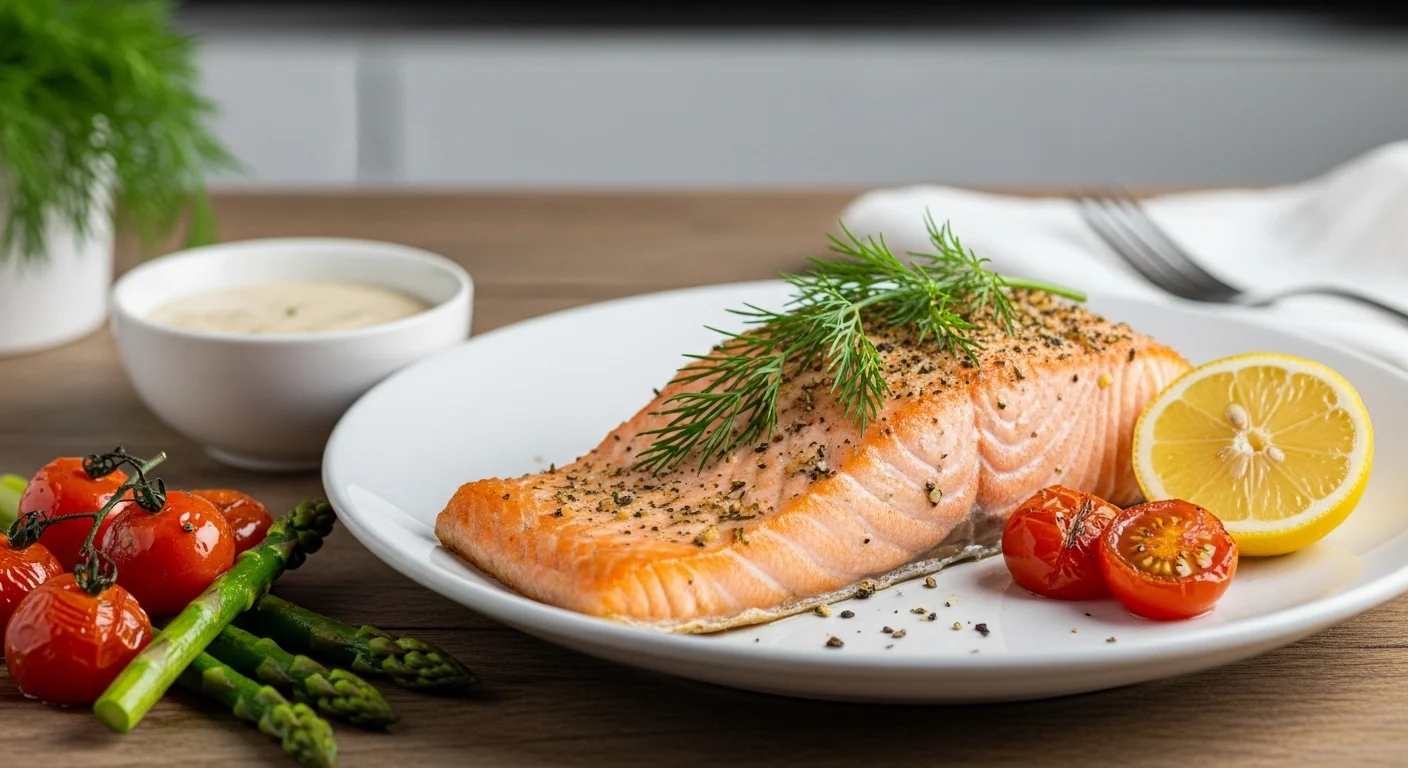
Overview of Baked Salmon
What is Baked Salmon?
Baked salmon is one of the easiest and healthiest ways to prepare this flavorful fish. It involves cooking salmon fillets in the oven until they are tender and flaky. The beauty of baking salmon is that you can infuse it with a variety of flavors using different seasonings, marinades, and toppings. In my experience, it’s a go-to method that ensures the salmon remains juicy while developing a slightly crisp exterior. We can enjoy it as a main dish, in salads, or even in sandwiches, making it versatile for all meals.
Health Benefits of Salmon
Salmon is often hailed as a superfood, and for good reason. Packed with omega-3 fatty acids, it’s a fantastic choice for heart health. From my perspective, incorporating salmon into our diet has made a noticeable difference in our overall well-being. Omega-3s are linked to a reduced risk of heart disease and improved brain function. Additionally, salmon is rich in high-quality protein, which is essential for building and repairing tissues. It’s also loaded with vitamins and minerals, such as vitamin B12, selenium, and vitamin D, which are vital for our immune system and bone health.
Why Choose Baked Over Other Cooking Methods?
When it comes to cooking salmon, there are several methods to choose from, including grilling, pan-searing, and poaching. However, I find baking to be the most straightforward and forgiving method. Baking allows for even cooking without the need for constant attention, which I appreciate, especially on busy days. It also minimizes the mess, as everything can cook in one dish. Plus, I love that I can easily adjust the flavors. Whether I’m in the mood for something zesty or savory, I can customize my baked salmon with various seasonings and herbs. Read Interesting article: I Tried the Baked Ranch Chicken Trend—Unbelievable
Key Ingredients for Easy Baked Salmon
Salmon Fillets
The star of the show is, of course, the salmon fillet. I usually recommend looking for wild-caught salmon if possible, as it tends to have a richer flavor and is often considered more sustainable. However, farmed salmon is also a good option and can be more budget-friendly. I like to buy fillets that are about one-inch thick for the best cooking results, ensuring they remain moist and flavorful.
Seasonings and Marinades
The beauty of baked salmon lies in its versatility. My go-to seasoning is a simple blend of salt, pepper, and lemon juice, but there are endless possibilities. I’ve enjoyed using garlic, dill, and even honey for a touch of sweetness. Marinades can also enhance the flavor, and I’ve experimented with soy sauce and ginger for an Asian twist. Whatever I choose, I typically let the salmon marinate for about 15-30 minutes to really soak in the flavors.
Essential Cooking Tools
To prepare baked salmon, you don’t need much. A baking sheet lined with parchment paper or aluminum foil makes clean-up a breeze. I also find that a good pair of tongs is helpful for flipping the salmon if needed. Besides that, having a meat thermometer on hand ensures that I can check the doneness of the fish without cutting into it, preserving its beautiful presentation. A whisk or mixing bowl is also handy if I’m whipping up a marinade.
Step-by-Step Easy Baked Salmon Recipe
Preparation Time and Cooking Time
One of the things I love about this recipe is how quick it is. You can prep the salmon in about 10 minutes and have it baked and ready to serve in about 15-20 minutes, depending on the thickness of your fillets. This makes it perfect for weeknight dinners when time is of the essence.
Step 1: Preheat the Oven
First things first, I always preheat my oven to 400°F (200°C). Preheating is essential to ensure that the salmon cooks evenly and thoroughly from the start. I’ve noticed that skipping this step can lead to uneven cooking, and nobody wants that!
Step 2: Prepare the Salmon
Once my oven is preheated, I take my salmon fillets out of the fridge and pat them dry with paper towels. This helps the seasoning adhere better and promotes that lovely crispy texture on the outside. I also inspect the fillets for any pin bones, and if I find any, I use tweezers to remove them.
Step 3: Seasoning Options
Now comes the fun part—seasoning! I typically drizzle some olive oil over the fillets and sprinkle with salt and pepper. If I’m feeling adventurous, I’ll add garlic powder, paprika, or even fresh herbs like rosemary or thyme. Once seasoned, I like to let them sit for a few minutes to absorb those flavors.
Step 4: Baking the Salmon
After the salmon is seasoned to perfection, I place it skin-side down on the prepared baking sheet. I often add lemon slices on top for added flavor and moisture. Then, into the oven it goes! I usually bake it for about 12-15 minutes, depending on how thick the fillets are. The aroma that fills my kitchen during this time is simply heavenly.
Step 5: Checking Doneness
To check if my salmon is done, I often use a fork to gently flake the thickest part of the fillet. If it flakes easily and is opaque, it’s ready to come out. I’ve learned that overcooking salmon can make it dry, so it’s important to keep an eye on it as it cooks. If I’m unsure, I’ll use my meat thermometer, aiming for an internal temperature of about 145°F (63°C).
Serving Suggestions
Best Side Dishes to Pair with Baked Salmon
When I whip up my baked salmon, I love to think about what sides will complement it well. One of my all-time favorite pairings is roasted vegetables. I often toss some asparagus, carrots, and bell peppers in olive oil and season them with salt and pepper. Roasting them alongside the salmon not only makes for an easy meal but also infuses everything with delicious flavors. I’ve noticed that the slight char from the oven adds a lovely contrast to the meal.
Another side I frequently opt for is a light, refreshing salad. A simple arugula and cherry tomato salad with a lemon vinaigrette brightens up the dish. I’ve also enjoyed serving baked salmon with quinoa or wild rice, which adds a nutty flavor and serves as a great base for the fish. For something more comforting, creamy mashed potatoes or garlic mashed cauliflower work wonders!
Recommended Sauces and Toppings
To take my baked salmon to the next level, I love experimenting with sauces and toppings. A drizzle of homemade dill sauce or a zesty lemon butter sauce can elevate the flavors beautifully. I usually make my dill sauce with Greek yogurt, fresh dill, lemon juice, and a pinch of salt. It’s cool, creamy, and pairs so well with the warm, flaky salmon.
If I’m craving something sweet and tangy, I’ll sometimes whip up a honey mustard glaze. Just mixing together honey, Dijon mustard, and a splash of soy sauce makes for a delightful topping. When I bake the salmon with this glaze, it creates a caramelized crust that’s hard to resist. For a touch of crunch, I like to sprinkle some toasted almonds or walnuts over the salmon right before serving, adding a nice texture contrast.
Wine Pairings for Salmon
Wine can truly enhance the dining experience, and I’ve learned that pairing it with salmon can be quite enjoyable. For a classic match, I often go for a crisp white wine, like Sauvignon Blanc or Chardonnay. Their acidity complements the richness of the salmon perfectly. I remember a lovely dinner where I paired my baked salmon with a chilled glass of Pinot Grigio, and it was a match made in heaven.
If you prefer red wine, I’ve found that a light Pinot Noir also works surprisingly well. It doesn’t overpower the salmon, allowing the flavors to shine through. When I have friends over, I enjoy serving both options and letting everyone choose according to their taste. It’s a fun way to enhance the meal and spark some interesting conversations!
Tips for Perfectly Flaky and Juicy Salmon
Choosing the Right Salmon Cut
Choosing the right cut of salmon can make a world of difference in how your dish turns out. Personally, I love using salmon fillets with the skin on, as it helps keep the fish moist while cooking. The skin also adds a nice crispiness when baked right! I’ve discovered that thicker cuts, like salmon steaks, can also work well but might require a bit more cooking time. When I’m at the market, I always look for bright, vibrant colors, as this usually indicates freshness.
Marinating Techniques
Marinating is one of my favorite parts of cooking salmon. It not only infuses flavor but also helps keep the fish moist. I usually prefer marinating for at least 15 minutes but, when I have time, I’ll let it soak in the marinade for an hour or even overnight in the fridge. I’ve found that using acidic ingredients, like lemon juice or vinegar, can tenderize the fish, but I try to avoid marinating for too long—especially with very acidic marinades—because it can alter the texture of the salmon. A good rule of thumb is to keep it balanced and taste often!
Temperature and Timing Tips
Getting the temperature just right is essential for perfectly cooked salmon. I’ve learned that cooking it at a moderate temperature, around 400°F (200°C), allows the fish to cook evenly without drying out. Keeping an eye on the clock is just as important as checking the temperature. I usually set a timer for the lower end of the cooking range, and then I check for doneness. This approach has saved me from overcooked fish on more than one occasion! Also, letting the salmon rest for a few minutes after baking helps lock in the juices, making every bite tender and flavorful.
Common Mistakes to Avoid
Overcooking the Salmon
One of the most common mistakes I’ve made (and seen others make) when baking salmon is overcooking it. It’s so easy to do, especially when the timer goes off and you’re not sure if it’s done. I’ve realized that salmon continues to cook even after it’s out of the oven, so I always aim to take it out just before it’s fully cooked. Using a meat thermometer has helped me a lot in this regard, ensuring I hit that magic 145°F (63°C).
Not Letting the Salmon Rest
Patience is key! I used to serve baked salmon right out of the oven, eager to dig in, but I’ve learned that letting it rest for about 5 minutes really makes a difference. This short time allows the juices to redistribute throughout the fish, resulting in a juicier and more flavorful dish. Trust me, this little tip has taken my salmon game to the next level.
Ignoring the Skin
Lastly, I’ve come to appreciate the skin of the salmon rather than ignoring it. It can be a delicious part of the dish when cooked right. The crispy skin adds texture and flavor, and it’s also packed with nutrients. I usually leave the skin on while baking and then decide whether to eat it or remove it once it’s plated. I’ve found that trying both options is the best way to enjoy the full experience of baked salmon.
Frequently Asked Questions (FAQs)
How do I know when my salmon is done?
Knowing when your salmon is done can be one of the trickiest parts of cooking it. From my experience, the best way to tell is by checking the color and texture. When the salmon is ready, it should be opaque and flake easily with a fork. I also rely on my meat thermometer, which is a game-changer. The internal temperature should reach 145°F (63°C). I’ve found that if you pull it out just before it hits that temperature, it will continue to cook a bit while it rests, resulting in perfectly tender salmon.
Can I use frozen salmon for baking?
Absolutely! I’ve used frozen salmon many times, and it works just fine. If you’re in a pinch, you can bake it straight from frozen. Just be sure to adjust the cooking time, as it usually takes about 50% longer than fresh salmon. Another tip I’ve learned is to thaw it in the fridge overnight for the best texture. If I’m short on time, I sometimes run it under cold water for quick thawing. Either way, it’s a convenient option that still yields delicious results!
What can I substitute for salmon?
If you’re looking for alternatives to salmon, there are several other fish that can work well in this recipe. I’ve had great success with trout, which has a similar flavor profile and works beautifully when baked. Other options include Arctic char, tilapia, or even cod. Just keep in mind that cooking times may vary depending on the thickness and type of fish you choose. I’ve found that sticking to fish that are flaky and tender is key for a satisfying dish.
How do I store leftovers?
Leftover salmon can be a treasure! After we enjoy our meal, I always make sure to store leftovers in an airtight container in the fridge. It usually stays good for about 3 days. When I’m ready to eat it again, I like to reheat it gently in the oven or microwave. Just be careful not to overheat it, or it could dry out. I often toss leftover salmon into salads or pasta for a quick and nutritious meal, making the most out of every bite! Read Interesting article: The Ultimate High-Protein Recipe Collection for a Healthy Lifestyle
Variations of Baked Salmon Recipes
Lemon Garlic Baked Salmon
This variation is one of my favorites! I love the bright, zesty flavors that lemon and garlic bring to the dish. To make it, I simply marinate the salmon fillets in a mixture of olive oil, minced garlic, lemon juice, and some fresh parsley for about 30 minutes. Then, I bake it just like the original recipe. The result is a light and refreshing dish that always impresses guests!
Honey Mustard Baked Salmon
If you’re in the mood for something a little sweeter, honey mustard baked salmon is a fantastic choice. I mix together equal parts honey and Dijon mustard, then brush it over the salmon before baking. The sweetness of the honey balances perfectly with the tanginess of the mustard, creating a delicious glaze. I’ve noticed that when I serve this dish, it often gets rave reviews, especially from those who enjoy a bit of sweetness in their meals.
Herb-Crusted Baked Salmon
For a more rustic flavor, I love making herb-crusted salmon. I combine breadcrumbs with fresh herbs like dill, parsley, and chives, along with some olive oil and lemon zest. I press this mixture onto the top of the salmon fillet before baking. The crust adds a delightful crunch and a burst of flavor that makes the dish feel extra special. I often serve it with a side of steamed vegetables for a wholesome meal.
Nutritional Information
Caloric Content
When it comes to the caloric content of baked salmon, it can vary based on the specific recipe and the ingredients used. However, on average, a 3-ounce serving of baked salmon contains around 200-250 calories. I appreciate how nutritious it is in relation to its calorie count, making it a smart choice for healthy eating without sacrificing flavor.
Macro and Micro Nutrients
Salmon is not just low in calories; it’s also packed with essential nutrients. Each serving typically includes about 22 grams of protein, which is fantastic for muscle maintenance and repair. In addition to protein, salmon is rich in omega-3 fatty acids, which are crucial for heart health. From my experience, it’s also loaded with important vitamins and minerals, including vitamin B12, selenium, and vitamin D. These nutrients play vital roles in our immune system, bone health, and overall wellness, making salmon a powerhouse food choice.