
If you’re looking for a fun and delicious way to enjoy a meal, easy beef and vegetable skewers are the perfect choice for grilling. They’re simple to make, packed with flavor, and offer endless possibilities!
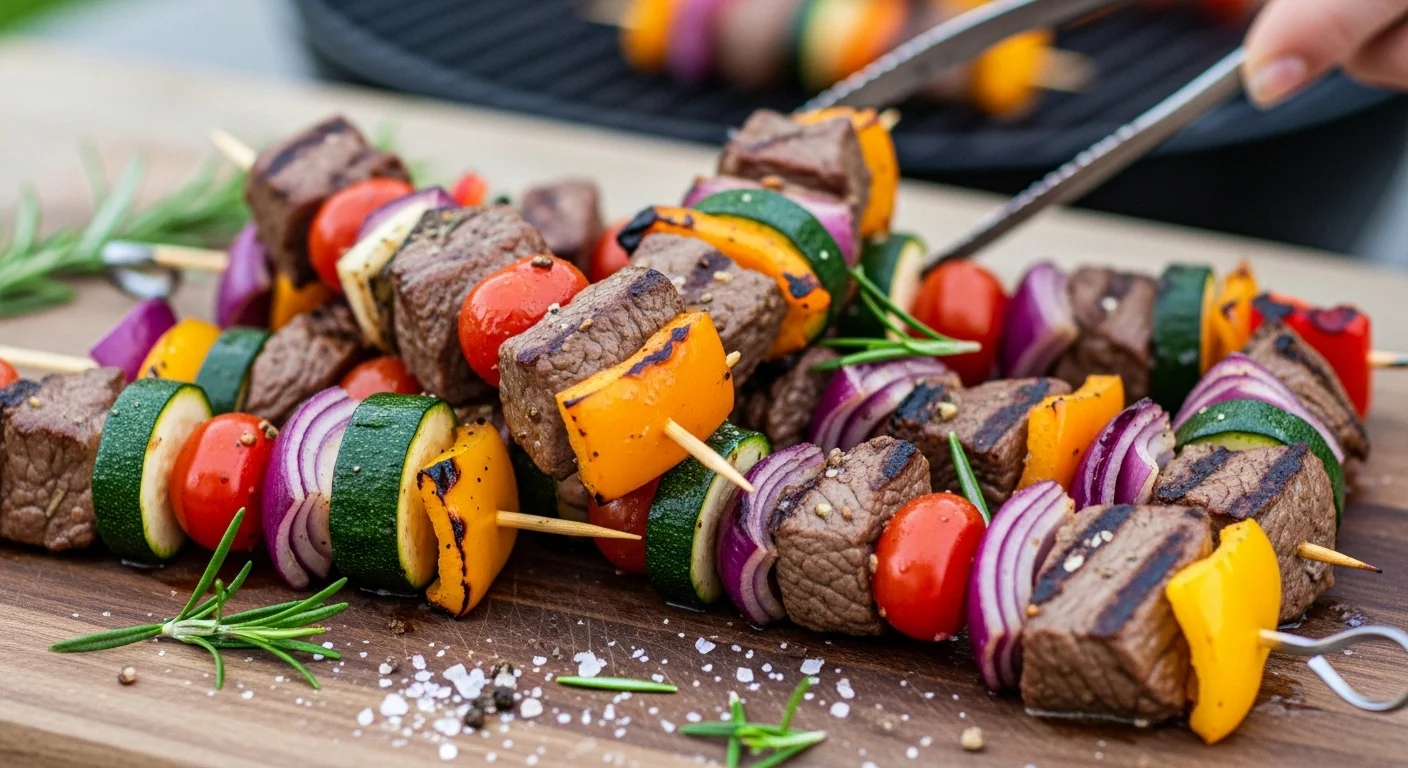
Overview of Beef and Vegetable Skewers
What Are Beef and Vegetable Skewers?
Beef and vegetable skewers are a delightful combination of marinated beef chunks and vibrant vegetables threaded onto skewers and grilled to perfection. I remember the first time I made them; the aroma wafting from the grill was simply irresistible! Skewers can vary in size and shape, but the classic version usually features tender pieces of beef interspersed with colorful bell peppers, onions, and zucchini. It’s a dish that not only tastes amazing but also looks beautiful on the plate. Read Interesting article: Easy Sheet Pan Fajitas (Chicken Or Beef)
Why Choose Skewers for Grilling?
One of the reasons I love skewers is their versatility. They allow for a variety of flavors and ingredients, making it easy to cater to different tastes. If you have picky eaters at the table, you can customize each skewer according to preferences. Plus, grilling skewers is a fun and interactive way to enjoy a meal. I often find myself inviting friends over for a grill party, where we can all assemble our own skewers. It turns cooking into a social event! Furthermore, skewers ensure even cooking as everything is cooked together, allowing the flavors to meld beautifully. I’ve noticed that grilled skewers are often the first to disappear at gatherings!
Essential Ingredients for Beef and Vegetable Skewers
Types of Beef Cuts for Skewering
When it comes to choosing the right beef for skewers, I usually go for cuts that are tender and flavorful. My favorites include sirloin, tenderloin, and flank steak. Sirloin is budget-friendly while still offering a good taste. Tenderloin is a bit pricier but is incredibly tender, making it a great choice for special occasions. Flank steak is also fantastic when marinated properly; it has a rich flavor that pairs perfectly with grilled vegetables. I’ve experimented with different cuts, and I’ve found that marinating the meat helps to enhance the flavor and tenderness, regardless of which cut I choose.
Best Vegetables for Grilling
Vegetables add color, texture, and nutrients to the skewers. I love using bell peppers, red onions, cherry tomatoes, zucchini, and mushrooms. Bell peppers not only bring vibrant colors to the plate but also a sweet crunch. Red onions add a hint of sharpness, while cherry tomatoes burst with flavor when grilled. Zucchini and mushrooms soak up the marinade beautifully, making them incredibly tasty. I often mix and match these vegetables based on what I have on hand or what’s in season. Grilled vegetables have a unique sweetness that develops during cooking, making every bite a delight. If you’re looking for more delicious options, check out the Best Thai appetizers recipes.
Marinades and Seasonings
The marinade is where the magic happens! I believe a good marinade can elevate the skewers to a whole new level. My go-to marinade includes olive oil, balsamic vinegar, garlic, soy sauce, and a mix of herbs like rosemary and thyme. It’s simple, yet it imparts a rich flavor to the beef and vegetables. I generally let the beef marinate for at least an hour, or even overnight if I have the time. For the vegetables, a shorter marinating time works well; I usually let them soak up the flavors for about 30 minutes. I’ve found that the longer the beef marinates, the more tender and flavorful it becomes!
Preparation Steps
Choosing the Right Skewers: Metal vs. Wooden
When it comes to skewers, you have two main options: metal or wooden. I often prefer metal skewers for their durability and ease of reuse. They don’t splinter, and they conduct heat, helping to cook the ingredients evenly. However, wooden skewers can also be fantastic, especially when soaked in water for about 30 minutes before grilling. This prevents them from burning on the grill. I’ve used both and enjoy the convenience of metal skewers, but wooden ones can add a rustic touch to the meal.
How to Cut Beef and Vegetables
Cutting the beef and vegetables evenly is essential for consistent cooking. I usually cut the beef into 1 to 1.5-inch cubes. This size allows them to hold their shape while cooking while ensuring they get that delicious char. For the vegetables, I cut them into similar sizes, especially the bell peppers and zucchini, so they cook at the same rate as the beef. I’ve learned that if they’re too small, they can overcook and become mushy, which isn’t ideal!
Marinating the Ingredients
Marinating is one of my favorite steps in the preparation process. I combine the beef and vegetables in a large bowl or a resealable bag, pouring the marinade over everything until it’s nicely coated. After sealing the bag or covering the bowl, I gently shake or toss everything to ensure all the ingredients are covered. It’s always exciting to open the bag and smell the fantastic aroma after they’ve soaked for a while. Marination is truly the secret to achieving those juicy, flavorful skewers!
Grilling Techniques and Tips
Setting Up the Grill: Charcoal vs. Gas
When I think about grilling beef and vegetable skewers, I often find myself pondering the age-old debate: charcoal versus gas. Personally, I lean towards charcoal for that authentic smoky flavor it imparts to the skewers. I remember the first time I lit a charcoal grill; the smell of the briquettes igniting was something special. It takes a bit more time to get going, but once it’s hot, everything cooks beautifully! I love the way the flames lick at the meat, adding depth to the flavors.
On the other hand, gas grills offer convenience and temperature control, making them an excellent choice for quick grilling sessions. They heat up faster and allow for precise adjustments, which can be a lifesaver if you’re cooking for a crowd. I’ve used both types, and I feel that it often comes down to personal preference and the kind of flavor I want to achieve. Either way, make sure to preheat your grill, whether it’s charcoal or gas, for the best results!
How to Skewer Ingredients for Even Cooking
Getting the skewering technique right can make all the difference in how evenly everything cooks. I usually start by threading the beef and vegetables in an alternating pattern. This not only looks appealing but also helps in getting a good char all around. I’ve learned that it’s best to leave a little space between each piece to promote better airflow and even cooking. If the ingredients are packed too tightly, they may steam instead of grill, and that’s not what we want!
One handy tip I discovered is to skewer similar cooking times together. For example, I often put cherry tomatoes and bell peppers on one skewer, while I pair mushrooms and zucchini on another. This way, everything comes off the grill at the same time, and I avoid the dreaded overcooked mushiness. Sometimes I’ll even make a few ‘all-beef’ skewers just to satisfy my meat-loving friends!
Optimal Grilling Time and Temperature
Grilling skewers is all about timing and temperature. I generally aim for a medium-high heat of around 400°F to 450°F. This temperature helps to sear the beef and caramelize the vegetables, giving that gorgeous golden brown color. I’ve found that cooking time varies based on the size of the beef cubes and the type of vegetables. Typically, I grill skewers for about 10 to 15 minutes, turning them every few minutes to ensure all sides are beautifully charred.
It’s essential to keep an eye on them, as overcooking can lead to dry beef and soggy vegetables. I often use a meat thermometer to check the beef’s doneness, aiming for around 135°F for medium-rare. This gives me that juicy, tender bite I crave. For the veggies, I gauge doneness by their color and the way they look; they should be tender but still slightly crisp. Trust me, it’s all about finding that perfect timing!
Serving Suggestions
What to Serve with Beef and Vegetable Skewers
After all the effort of grilling, it’s time to think about what to serve alongside those delicious skewers. I love to keep it simple yet flavorful. A refreshing side salad can really complement the skewers well. I often whip up a quick Mediterranean salad with cucumbers, tomatoes, feta, and a zesty lemon dressing. It pairs beautifully with the grilled flavors and adds a nice crunch.
Another favorite of mine is grilled corn on the cob. There’s something magical about the combination of sweet corn and smoky skewers. I usually brush the corn with some butter and sprinkle it with a little salt and pepper before grilling it until it’s charred. It’s a hit every time! Sometimes I’ll serve the skewers with a side of rice or couscous, allowing the flavors to meld together nicely.
Best Dipping Sauces
No meal is complete without the right dipping sauce! I often like to serve my skewers with a variety of sauces for everyone to enjoy. A tangy tzatziki sauce is one of my all-time favorites; it’s refreshing and complements the grilled flavors perfectly. Another delicious option is a chimichurri sauce, which adds a vibrant herbal kick. I remember discovering chimichurri at a barbecue, and I was hooked! It’s easy to make, and the bright flavors really elevate the skewers.
If you’re in the mood for something spicier, a sriracha mayo can provide a nice heat and creaminess that balances out the skewers. I usually set up a little dipping station, letting everyone customize their experience. It always makes for a lively meal!
Presentation Ideas for Parties
When hosting a gathering, presentation is key! I love to get creative with how I serve my skewers. One of my favorite methods is to arrange them on a large platter with fresh herbs scattered around for a pop of color. Sometimes, I even use wooden boards for a rustic touch—there’s something special about a family-style presentation.
Another idea I’ve tried is to stack the skewers vertically in a tall glass or a mason jar. It looks stunning on the table and makes it easy for guests to grab their favorites. I also like to provide colorful toothpicks or mini flags to help identify different flavors. It’s these little touches that can really make a meal memorable!
Variations of Beef and Vegetable Skewers
Global Inspirations: Mediterranean, Asian, and More
One of the things I love most about beef and vegetable skewers is how adaptable they are to different cuisines. For instance, if I’m in the mood for something Mediterranean, I might swap out my usual marinade for a blend of olive oil, lemon juice, garlic, and oregano. Instead of bell peppers and zucchini, I could use cherry tomatoes, eggplant, and even some chunks of feta cheese. The flavors are fresh and vibrant, reminiscent of summers spent enjoying meals outdoors.
On the other hand, if I’m aiming for an Asian-inspired twist, I go for a marinade that combines soy sauce, ginger, garlic, and a touch of sesame oil. I love adding vegetables like bok choy, bell peppers, and mushrooms, as they soak up those delicious flavors beautifully. Sometimes, I even sprinkle sesame seeds on top right before serving for an extra crunch! The balance of sweet and savory always hits the spot. If you’re looking for more inspiration, check out the Top 10 Japanese appetizers dishes to try.
Another exciting option is to explore Middle Eastern flavors. Using a spice blend like za’atar or sumac in the marinade can transform the skewers entirely. Pairing beef with grilled vegetables like zucchini and bell peppers, along with a side of tzatziki or hummus, creates a delightful meal that feels exotic yet accessible. I remember my friend introducing me to this combination, and it quickly became a favorite in my home!
Vegetarian Alternatives
For those nights when I want to keep things plant-based, I’ve discovered that vegetarian skewers can be just as satisfying! I often replace the beef with hearty options like marinated tofu or tempeh. Tofu absorbs marinades wonderfully, and when grilled, it takes on a smoky flavor that’s just divine. I usually cut it into cubes and marinate it just like I would with beef.
As for vegetables, the options are nearly endless! I love using mushrooms, bell peppers, zucchini, cherry tomatoes, and even chunks of pineapple for a fun twist. The sweetness of grilled pineapple creates a beautiful contrast with the savory ingredients, making every bite a delightful surprise. I also like to add some grilled halloumi cheese, which gives a wonderful salty flavor and a unique texture that everyone loves.
Another fun idea is to create Mediterranean-style veggie skewers. I’ve made them with a mix of artichokes, cherry tomatoes, olives, and bell peppers, all drizzled with a lemony dressing. These skewers are perfect for summer barbecues or even as an appetizer for dinner parties. They look stunning on the table and bring color and a burst of flavor to any gathering!
Common Mistakes to Avoid
Overcooking Beef and Vegetables
One of the biggest mistakes I see when grilling skewers is overcooking. I’ve been there myself—standing by the grill, getting distracted by the conversation or the side dishes, and before I know it, my skewers are charred beyond recognition. It’s disappointing, especially when you’ve put so much effort into marinating and preparing them. I’ve learned to keep a close eye on the cooking time and to use a meat thermometer for the beef. Achieving that perfect medium-rare is key for juicy, tender bites!
As for vegetables, I’ve found that many people tend to leave them on the grill for too long as well. They should be cooked until they are tender but still have a bit of crispness. I often remove them from the grill slightly before I think they are done because they will continue to cook from residual heat. This way, I avoid that dreaded mushy texture!
Ignoring Marinade Times
Another common pitfall is not giving the ingredients enough time to marinate. I’ve been guilty of this when I’m in a hurry, thinking I can just whip up a quick meal. But let me tell you—marinating isn’t just a step; it’s a crucial part of the process! I’ve found that letting beef marinate for at least an hour makes a significant difference in flavor and tenderness. If I can, I prefer to let it sit overnight. Vegetables, on the other hand, usually just need about 30 minutes, but even that small amount of time can enhance the flavor tremendously.
Using Incompatible Ingredients
Creating a delicious skewer is also about balance. I’ve noticed that sometimes, people throw together ingredients that don’t really mesh well, which can lead to a less than stellar outcome. For example, pairing delicate vegetables like asparagus with sturdier chunks of beef can result in uneven cooking. I recommend grouping ingredients that have similar cooking times together and being thoughtful about flavors. If you’re experimenting with different combinations, trust your instincts, but also consider how each element will complement the others.
Frequently Asked Questions
What are beef and vegetable skewers?
Beef and vegetable skewers are a combination of marinated beef chunks and vibrant vegetables threaded onto skewers and grilled. They typically feature beef interspersed with bell peppers, onions, and zucchini, offering a flavorful and visually appealing dish.
What types of beef cuts are best for skewering?
The best beef cuts for skewering include sirloin, tenderloin, and flank steak. Sirloin is budget-friendly, tenderloin is very tender, and flank steak offers a rich flavor when marinated properly.
Which vegetables are recommended for grilling?
Recommended vegetables for grilling skewers include bell peppers, red onions, cherry tomatoes, zucchini, and mushrooms. These vegetables add color, texture, and flavor to the skewers.
What is the ideal marinade for beef and vegetable skewers?
A good marinade for beef and vegetable skewers includes olive oil, balsamic vinegar, garlic, soy sauce, and herbs like rosemary and thyme. Marinating the beef for at least an hour, or overnight, enhances its flavor and tenderness.
What is the difference between metal and wooden skewers?
Metal skewers are durable, reusable, and conduct heat well, while wooden skewers can be soaked in water to prevent burning on the grill. Both types can be used effectively, depending on personal preference.
How should I cut the beef and vegetables for skewering?
The beef should be cut into 1 to 1.5-inch cubes to hold their shape while cooking, and vegetables should be cut into similar sizes to ensure even cooking. Avoid cutting them too small to prevent mushiness.
What grilling techniques ensure even cooking?
For even cooking, thread the beef and vegetables onto skewers in an alternating pattern, leaving space between each piece for better airflow. Group similar cooking times together to maintain an even cooking process.
What temperature and cooking time are optimal for skewers?
Grill skewers at medium-high heat (around 400°F to 450°F) for about 10 to 15 minutes, turning them every few minutes. Use a meat thermometer to check for doneness, aiming for around 135°F for medium-rare beef.
What are some good side dishes to serve with skewers?
Good side dishes to serve with skewers include a refreshing side salad, grilled corn on the cob, or rice and couscous. These options complement the grilled flavors well.
What are some common mistakes to avoid when grilling skewers?
Common mistakes include overcooking the beef and vegetables, not allowing enough time for marinating, and using incompatible ingredients. Keeping an eye on cooking times and ensuring proper marination can significantly improve the outcome.