
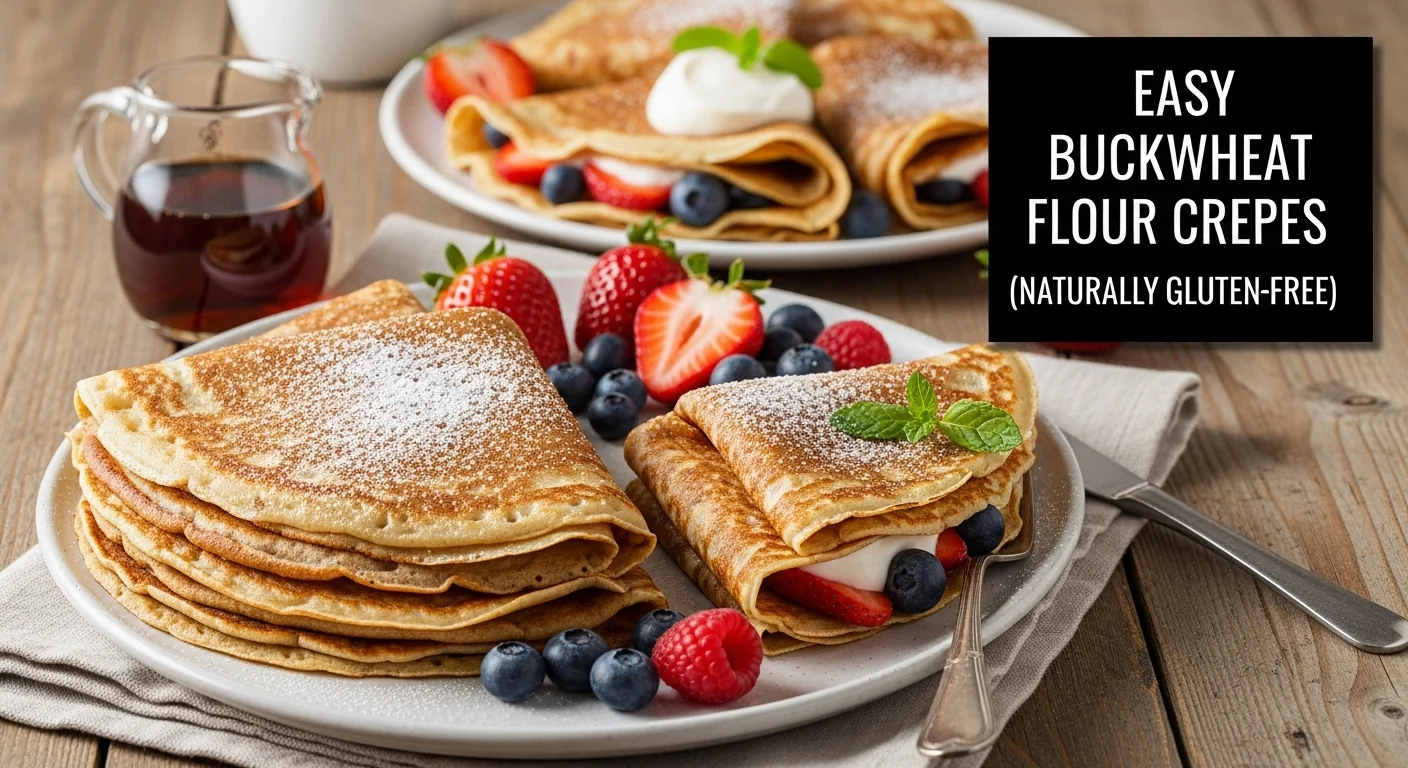
If you’re looking for a delicious and healthy crepe option, you’ve come to the right place! Easy buckwheat flour crepes are not only naturally gluten-free but also incredibly versatile and satisfying. You might also enjoy trying Classic African pancake everyone should try for another delightful alternative.
What is Buckwheat Flour?
Buckwheat flour is made from the seeds of the buckwheat plant, a grain-like seed that has been used for centuries in various cuisines. Despite its name, buckwheat is not related to wheat and is entirely gluten-free. When I first discovered buckwheat flour, I was amazed by its rich, nutty flavor and how it could transform simple dishes into something special.
Origin and Nutritional Benefits
Buckwheat has its roots in Asia and Eastern Europe. It has been a staple in many traditional diets, especially in countries like Russia and Japan. I remember trying buckwheat pancakes at a cozy cafe, and I was hooked on the taste and texture. It’s not just about flavor; buckwheat is packed with nutrients. It’s a great source of protein, fiber, and essential minerals such as magnesium and manganese. I’ve learned that incorporating buckwheat into my diet not only satisfies my taste buds but also contributes to my overall health.
Gluten-Free Properties
One of the standout features of buckwheat flour is its gluten-free properties. This makes it an excellent choice for anyone with celiac disease or gluten sensitivity. I’ve had friends who struggle with gluten, and they’ve expressed how challenging it can be to find delicious alternatives. With buckwheat flour, they can enjoy crepes without the worry of gluten-related issues. It’s a relief to know that we can still indulge in our favorite foods while being mindful of our health.
Why Choose Buckwheat Flour Crepes?
Buckwheat flour crepes are a fantastic option for various reasons. They are not only nutritious but also incredibly versatile, allowing for both sweet and savory fillings. I often find myself whipping up a batch for brunch or dinner, depending on my mood. 25 Essential French Recipes You Need to Master includes ideas for fillings that perfectly complement these crepes!
Health Benefits of Buckwheat Crepes
Beyond being gluten-free, buckwheat flour crepes are a wholesome choice. They have a low glycemic index, which means they can help regulate blood sugar levels. This is something I’ve tried to be more aware of in my diet. Plus, the fiber content in buckwheat can aid digestion and keep us feeling full for longer. I’ve noticed that when I eat buckwheat crepes, they satisfy my hunger without the sluggish feeling that sometimes comes from more processed options.
Versatility in Cooking
What I love most about buckwheat flour crepes is their versatility. They can be filled with virtually anything! For breakfast, I might go for fresh berries and a drizzle of honey. For lunch or dinner, savory fillings like sautéed mushrooms, spinach, and cheese hit the spot. I’ve even experimented with different spices and herbs to elevate the flavor. The possibilities are endless! Each time I make them, I feel like a chef in my own kitchen, creating something unique.
Basic Ingredients for Buckwheat Flour Crepes
Before diving into the recipe, let’s talk about the essential ingredients you’ll need to make these delicious crepes.
Buckwheat Flour
The star ingredient is, of course, buckwheat flour. When I first started making these crepes, I chose a good-quality, finely milled buckwheat flour. This makes a difference in texture, ensuring the crepes are smooth and pliable rather than gritty.
Liquid Ingredients (Water, Milk, etc.)
Next up are the liquid ingredients. You can use water for a lighter crepe, or milk (dairy or non-dairy) for a richer flavor. I’ve tried both, and I personally prefer using almond milk for a subtle nutty taste that complements the buckwheat nicely.
Eggs and Their Role
Eggs play a crucial role in binding the ingredients together and giving the crepes their lovely structure. I often use large eggs, but if you’re looking for an egg-free version, I’ve heard substitutes like flaxseed meal and water can work well, though I haven’t tried them myself yet.
Optional Flavor Enhancers (Salt, Sugar, etc.)
Finally, don’t forget about optional flavor enhancers. A pinch of salt is essential for balancing the flavors, while a teaspoon of sugar can add a hint of sweetness if you’re making dessert crepes. I once added vanilla extract to my batter for an extra layer of flavor, and it was a game changer!
With these ingredients in mind, I’m excited to share the step-by-step recipe in the next section. You’re going to love how simple and rewarding it is to make buckwheat flour crepes at home!
Step-by-Step Recipe for Easy Buckwheat Flour Crepes
Now that we’ve covered the essential ingredients, let’s dive into the heart of the matter: making those delicious buckwheat flour crepes. I remember the first time I attempted to make crepes, and I was nervous about getting the batter just right. But trust me, with a little practice, it becomes second nature!
Preparing the Batter
Start by gathering your ingredients. You’ll need about one cup of buckwheat flour, two large eggs, one cup of milk (or a non-dairy alternative), and a pinch of salt. If you want to sweeten the batter, add a teaspoon of sugar, though I think it’s optional depending on your filling. In a mixing bowl, I usually combine the buckwheat flour and salt first, then whisk in the eggs, followed by the milk gradually. This helps in avoiding lumps.
I find that letting the batter rest for about 30 minutes improves the texture of the crepes. During this time, the flour absorbs the liquid, resulting in smoother crepes. You can use this time to prepare your fillings or set the table. It’s a little waiting game that pays off!
Cooking Techniques for Perfect Crepes
When it comes to cooking, I recommend using a non-stick skillet or a crepe pan for best results. Heat the pan over medium heat, and add a small amount of oil or butter to coat the surface lightly. I often use a paper towel to spread it evenly and remove excess grease. This ensures the crepes cook evenly and don’t stick.
Once your pan is heated, pour about 1/4 cup of batter into the center. Quickly swirl the pan to spread the batter into a thin layer. It might take a couple of tries to get the swirl just right, but don’t worry! My first few crepes were less than perfect, but they still tasted amazing. Cook for about 1 to 2 minutes until the edges start to lift, then gently loosen the crepe with a spatula.
Tips for Flipping Crepes
Flipping crepes can feel like an art form. I’ve learned that the best way to flip is by using a wide spatula. Once the edges are lifting and the bottom is a beautiful golden brown, it’s time to flip. I usually slide the spatula under the crepe and quickly flip it over. If you’re feeling adventurous, you can even try the classic flick of the wrist method, but I wouldn’t recommend it until you’re more confident! Cook the second side for about another minute.
Once cooked, I place the crepes on a warm plate and cover them with a clean kitchen towel to keep them warm while I finish the rest of the batter. I love the smell that fills my kitchen; it’s like a cozy little cafe at home!
Serving Suggestions for Buckwheat Crepes
Now that you have a stack of delicious crepes, let’s talk about how we can fill them and make them truly special. You can even pair them with quick meals like Everyone’s Making This 5-Min Lazy Chicken Bowl for a complete experience.
Sweet Fillings (Fruits, Nut Butters, etc.)
For sweet crepes, I can’t get enough of fresh fruits. Berries, bananas, and even cooked apples make fantastic fillings. I often mash up some ripe bananas with a bit of nut butter—almond or peanut works great—for a nutrient-packed delight. A drizzle of honey or maple syrup on top is the cherry on top for me!
Sometimes, I’ll sprinkle a little cinnamon. It brings a warm, comforting flavor that pairs so well with the buckwheat. If I’m feeling extra indulgent, a scoop of vanilla ice cream makes for a decadent dessert crepe!
Savory Fillings (Cheese, Vegetables, etc.)
On the flip side, savory crepes are equally delightful. I love sautéed spinach, mushrooms, and feta cheese as a filling. The earthiness of the mushrooms pairs wonderfully with the nuttiness of the buckwheat. Another favorite is a classic ham and cheese filling, which is always a crowd-pleaser. I’ve even stuffed them with scrambled eggs for a hearty breakfast option.
Creative Twists on Traditional Crepes
Don’t hesitate to get creative with your fillings. I’ve experimented with Mediterranean flavors too—adding roasted red peppers, olives, and tzatziki sauce makes for a deliciously unique twist. You can also make dessert crepes with chocolate spread and toasted nuts for a sweet treat.
Every time I make buckwheat flour crepes, I feel like I’m exploring new territories in flavor and creativity. It’s all about what inspires you in the kitchen, and I find that’s where the real fun lies!
Storing and Reheating Buckwheat Flour Crepes
After the crepes are made, you might find yourself with leftovers. I think the best part about them is how easy they are to store and reheat for later use.
Refrigeration Tips
If you plan to enjoy your crepes within a few days, let them cool completely, then stack them with a piece of parchment paper between each crepe to prevent sticking. I place them in an airtight container and pop them in the fridge. They usually stay fresh for about 3 to 4 days.
Freezing for Later Use
For longer storage, freezing is a great option. I do the same stacking method with parchment paper and then place them in a freezer-safe bag or container. They can last up to 2 months in the freezer. Just make sure to label the bag with the date so you know when you made them!
Best Methods for Reheating
When it comes to reheating, I prefer doing it in a skillet over low heat. Just add a splash of water to create some steam, cover with a lid, and let them warm up for a couple of minutes. This method keeps them soft and prevents them from drying out. Alternatively, you can use a microwave, but be careful not to overdo it; a few seconds usually does the trick.
Common Mistakes to Avoid
As I’ve ventured into the world of making buckwheat flour crepes, I’ve encountered a few bumps along the way. I think one of the best ways to improve our cooking is to learn from mistakes, so let’s dive into some common pitfalls and how to avoid them.
Overmixing the Batter
One mistake I made early on was overmixing the batter. I thought that the more I whisked, the better my crepes would turn out. But here’s what I learned: overmixing can lead to tough, rubbery crepes. Instead, I now mix just until the ingredients are combined. It’s okay if there are a few small lumps here and there. Letting the batter rest for that 30 minutes helps smooth things out, too!
Incorrect Cooking Temperature
Another thing I struggled with was getting the cooking temperature just right. Too hot, and the crepes would burn before I could even flip them; too cool, and they wouldn’t cook evenly. I’ve found that medium heat works best. It’s worth taking the time to test the pan with a small drop of batter first. If it sizzles gently, you’re good to go!
Using the Wrong Pan
Using the right pan is crucial for making perfect crepes. When I first started, I used a regular skillet, and my crepes often stuck or tore. Switching to a non-stick skillet or a dedicated crepe pan made a world of difference. With that smooth surface, I’ve found it much easier to flip and slide the crepes without any hassle. Plus, I now always ensure the pan is adequately preheated before pouring in the batter!
Variations of Buckwheat Flour Crepes
Once you get the hang of the basic buckwheat flour crepes, it’s time to get adventurous! One of the joys of cooking, for me, is experimenting with different flavors and textures. Here are some of my favorite variations.
Adding Herbs and Spices
Adding herbs and spices can really elevate your crepes. For savory options, I love mixing in fresh herbs like thyme or basil into the batter. The aroma while cooking is simply divine! A sprinkle of garlic powder or onion powder can also enhance the flavor profile. I’ve even tried adding a pinch of smoked paprika for a subtle kick. It’s amazing how a little seasoning can transform the entire dish!
Using Alternative Liquids (Non-Dairy Options)
If you’re looking for a dairy-free option, there are plenty of alternatives to explore. I’ve used almond milk, oat milk, and even coconut milk, depending on what I have on hand. Each liquid brings its unique flavor to the crepes. For a richer taste, I recommend trying coconut milk; it adds a delightful creaminess that pairs beautifully with both sweet and savory fillings. I also enjoy experimenting with different nut milks because they add a lovely nuttiness that complements the buckwheat.
Frequently Asked Questions
As I’ve shared my experiences with buckwheat flour crepes, I’ve come across some common questions that people often have. Here are a few FAQs that I think might help you out!
Can I make crepes without eggs?
Yes, you can! I’ve heard that using flaxseed meal mixed with water can serve as a great egg substitute. For every egg you want to replace, mix one tablespoon of flaxseed meal with two and a half tablespoons of water, and let it sit for a few minutes until it thickens. I haven’t tried it yet, but I’ve seen some delicious results from others who have! There are also commercial egg replacers available that can be used.
How do I make crepes ahead of time?
Making crepes ahead of time is a great idea if you’re planning for a gathering or just want to save time. After cooking, simply cool them and stack them with parchment paper between each crepe. You can store them in the fridge for a few days or freeze them for longer use. When you’re ready to eat, just reheat them on a skillet or in the microwave. They’ll still taste fresh and delicious!
What can I substitute for buckwheat flour?
If you’re looking for substitutes, there are a few options. I’ve seen people use almond flour for a nutty flavor, though it may change the texture a bit. Rice flour is another alternative that can work well, especially for gluten-free diets. However, keep in mind that the taste and texture will vary, so I recommend experimenting to find what you enjoy most.
Frequently Asked Questions
“`htmlWhat is buckwheat flour?
Buckwheat flour is made from the seeds of the buckwheat plant, which is a grain-like seed not related to wheat and is entirely gluten-free. It has a rich, nutty flavor and is used in various cuisines.
Why is buckwheat flour gluten-free?
Buckwheat is not related to wheat, which makes buckwheat flour a great option for individuals with celiac disease or gluten sensitivity.
What are the nutritional benefits of buckwheat flour?
Buckwheat is packed with nutrients, including protein, fiber, and essential minerals such as magnesium and manganese, making it a wholesome addition to any diet.
What ingredients do I need to make buckwheat flour crepes?
You will need buckwheat flour, liquid ingredients (like water or milk), eggs, and optional flavor enhancers such as salt and sugar.
Can I make crepes without eggs?
Yes, you can use flaxseed meal mixed with water as an egg substitute. For every egg you want to replace, mix one tablespoon of flaxseed meal with two and a half tablespoons of water.
How should I store leftover buckwheat flour crepes?
Let the crepes cool completely, then stack them with parchment paper between each crepe and store them in an airtight container in the fridge for about 3 to 4 days.
What is the best way to reheat buckwheat flour crepes?
The best method is to reheat them in a skillet over low heat with a splash of water to create steam, or you can use a microwave for a few seconds to warm them up.
What are some common mistakes to avoid when making crepes?
Common mistakes include overmixing the batter, cooking at the wrong temperature, and using the wrong pan. It’s important to mix just until combined, use medium heat, and opt for a non-stick skillet or crepe pan.
Can I use alternative liquids for the crepe batter?
Yes, you can use non-dairy options like almond milk, oat milk, or coconut milk, which each bring their unique flavors to the crepes.
What are some creative filling ideas for buckwheat flour crepes?
Sweet fillings can include fresh fruits, nut butters, and honey, while savory options can include sautéed vegetables, cheese, and meats. You can also experiment with different flavors to make unique combinations.
“`