
If you’re looking for a delicious and satisfying meal that’s way better than takeout, Easy Chicken Lo Mein is the answer. I can’t wait to share how simple it is to whip this up at home! Read Interesting article: 15-Minute Lo Mein Noodles (A Weeknight Miracle)
Understanding Chicken Lo Mein
What is Lo Mein?
When I first tried Lo Mein, I was instantly hooked. Lo Mein is a Chinese dish featuring soft egg noodles stir-fried with a savory mix of vegetables, proteins, and a flavorful sauce. The noodles are typically thicker than their fried counterparts, Chow Mein, which makes Lo Mein a chewy and delightful experience. The beauty of Lo Mein lies in its versatility; you can add whatever vegetables or proteins you have on hand, creating a personalized dish every time. I love that it’s not only tasty but also a great way to use up leftover veggies!
History and Origins of Lo Mein
The roots of Lo Mein can be traced back to China, where it has been a beloved staple for centuries. Traditionally, the term “Lo Mein” means “tossed noodles,” which perfectly describes the cooking method. My fascination with its history grew when I learned that Lo Mein is often associated with Cantonese cuisine, originating from the Guangdong province. Over the years, it has made its way into various cultures, adapting to local tastes and ingredients. I remember my first homemade version, where I tried to replicate the flavors I experienced at a Chinese restaurant. The result was a delicious success and sparked my passion for making it at home.
Differences Between Lo Mein and Chow Mein
One question I get asked a lot is, “What’s the difference between Lo Mein and Chow Mein?” It’s a great question, and the answer lies mainly in the noodles and cooking methods. While both dishes use egg noodles, Chow Mein noodles are typically fried until crispy, giving them a distinct crunch. In contrast, Lo Mein noodles are boiled and then tossed with the stir-fry ingredients, resulting in a soft and chewy texture. I’ve enjoyed both dishes, but I find Lo Mein to be more comforting and filling, especially after a long day.
Why Make Easy Chicken Lo Mein at Home?
Benefits of Homemade vs. Takeout
Let me tell you, making Chicken Lo Mein at home has its perks! For starters, I can control the quality of ingredients, ensuring everything is fresh and flavorful. When I was reliant on takeout, I often found the dishes to be loaded with sodium and questionable ingredients. Preparing it myself not only gives me peace of mind but also allows me to tailor the flavors to my liking. Plus, there’s something satisfying about creating a meal from scratch; it feels rewarding to serve something I made with my own hands.
Customizing Ingredients for Dietary Preferences
One of my favorite aspects of making Chicken Lo Mein at home is the ability to customize it according to dietary preferences. Whether you’re vegetarian, vegan, or just looking to add more vegetables to your diet, you can easily adapt the recipe. I often experiment with different vegetables depending on what’s in season or what I have in my fridge. For instance, I love adding bell peppers for sweetness and broccoli for crunch. It’s amazing how many options we have, and I truly believe cooking should be an enjoyable and creative process!
Cost-Effectiveness of Homemade Meals
Let’s talk about budget. Cooking at home, particularly dishes like Chicken Lo Mein, can save you a lot of money compared to frequent takeout. I used to spend a good chunk of my paycheck on food delivery, but I quickly realized how much more economical it is to prepare meals myself. With just a few ingredients, you can create a generous serving of Lo Mein that can feed the whole family. I often make a big batch and enjoy it for lunch the next day, which cuts down on costs even further! Read Interesting article: 15-Minute Garlic Noodles (An Addictive, Easy Side)
Essential Ingredients for Easy Chicken Lo Mein
Chicken: Best Cuts to Use (Breast vs. Thigh)
When it comes to choosing chicken for my Easy Chicken Lo Mein, I often find myself weighing the options between chicken breast and thigh. Personally, I prefer using chicken thighs because they tend to be juicier and more flavorful, especially when stir-fried. Thighs have a bit more fat, which adds richness to the dish, making each bite incredibly satisfying. However, if you’re looking for a leaner option, chicken breast is perfectly fine too. I’ve tried both and found that the breast cooks up a little quicker, so if you’re in a hurry, it might be the better choice. Ultimately, it boils down to your taste preference and dietary needs, but I think experimenting with both cuts is worth it!
Noodles: Types of Lo Mein Noodles
Now, let’s talk noodles—the heart of Chicken Lo Mein! Traditionally, Lo Mein uses fresh egg noodles, which can be found in most grocery stores. These noodles are rich and chewy, providing a wonderful texture that complements the dish beautifully. I’ve also come across dried egg noodles, which work in a pinch if you can’t find the fresh ones. Just remember, the cooking time will vary! I also enjoy trying other types of noodles like rice noodles for a gluten-free option. Regardless of the type you choose, the key is to cook the noodles just right—soft but not mushy—and then toss them with the stir-fried ingredients for the perfect harmony of flavors.
Vegetables: Best Choices for Flavor and Nutrition
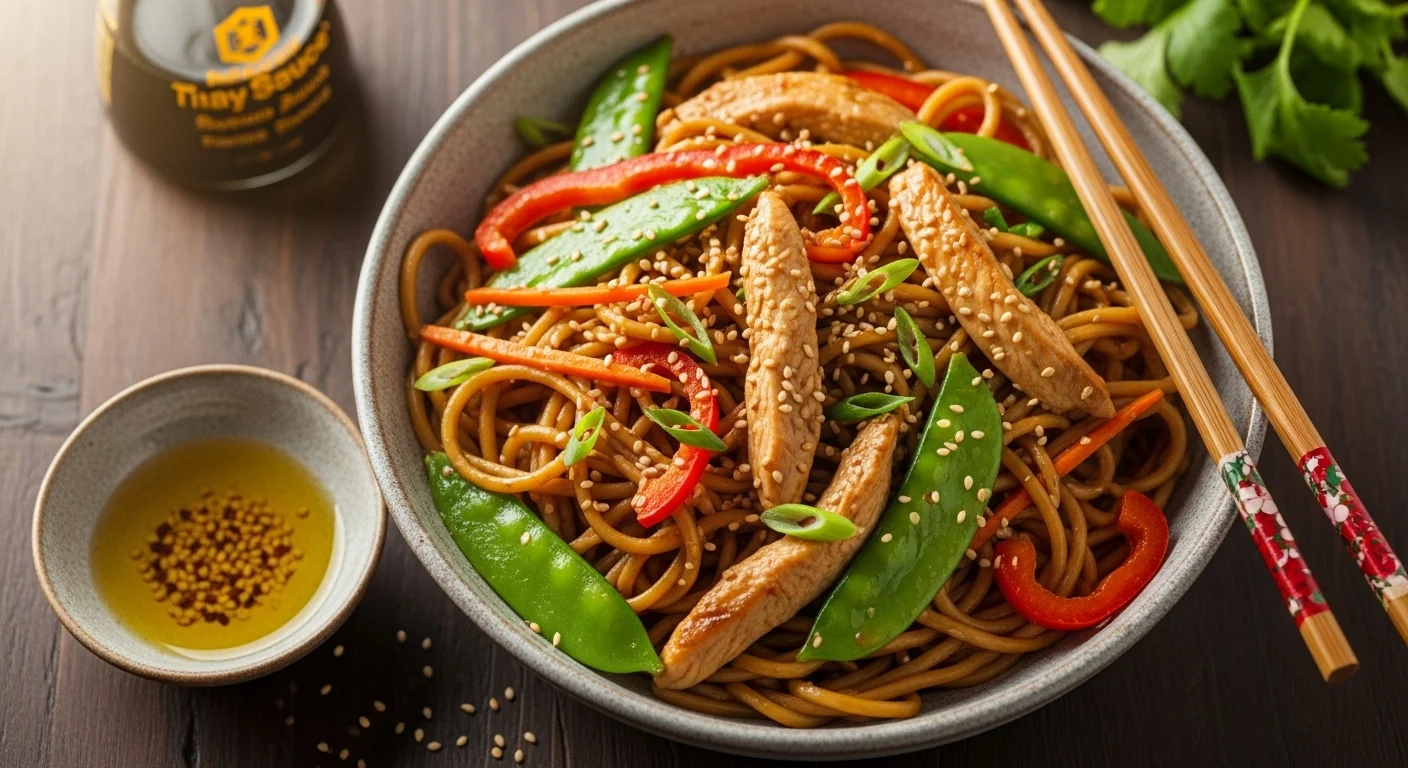
Vegetables are where you can really let your creativity shine. I love adding a variety of colorful veggies to my Chicken Lo Mein—not only do they enhance the dish visually, but they also pack it with nutrition. My go-to ingredients usually include bell peppers, snow peas, carrots, and broccoli. I remember one time I added some baby corn and bok choy, and it added a fantastic crunch! You can truly mix and match based on what you have in your fridge. Just keep in mind that firmer vegetables take longer to cook, so I often add them first to ensure everything is cooked evenly. It’s an exciting way to sneak in more nutrients while keeping the dish vibrant and satisfying.
Sauces and Seasonings: Key Flavors to Include
No Chicken Lo Mein would be complete without its signature sauces! I typically use soy sauce as my base, which adds that essential umami flavor. I also love a splash of oyster sauce for a deeper richness. It’s amazing how just a couple of tablespoons can elevate the dish to a whole new level! When I’m feeling adventurous, I sometimes include sesame oil for a nutty aroma, or even chili paste if I want to add a bit of heat. I’ve learned that balancing these flavors is key. A little sweetness from sugar or honey can also help round out the savory notes. Everyone has their own preference, so I encourage you to taste as you go and adjust according to your liking!
Step-by-Step Recipe for Easy Chicken Lo Mein
Preparation: Marinating the Chicken
Getting started with my Easy Chicken Lo Mein is always exciting! The first step is to marinate the chicken, which I find essential for infusing flavor. I typically use about one pound of chicken thighs, cut into thin strips. For the marinade, I mix together a tablespoon of soy sauce, a teaspoon of cornstarch, and a dash of sesame oil. This combination not only adds flavor but also helps to tenderize the meat. I let it sit for about 15-20 minutes while I gather my other ingredients. This little step makes a big difference in the overall taste of the dish, and I’ve found that the longer I marinate it, the better it turns out!
Cooking: Stir-Frying Techniques
Once my chicken is marinated and my ingredients are prepped, it’s time to stir-fry! I heat a large wok or skillet over medium-high heat and add a tablespoon of vegetable oil. This is where the magic happens. I usually toss in the marinated chicken first, cooking it until it’s golden brown and cooked through, which takes about 5-7 minutes. The sizzle of the chicken hitting the hot pan is music to my ears! After removing the chicken, I add in my chopped vegetables. I typically start with the firmer ones, like carrots and broccoli, giving them a couple of minutes to soften before adding in the bell peppers and snow peas. I love the way the colors come together in the pan, and the aroma is simply irresistible!
Combining Ingredients: Achieving the Perfect Texture
Now comes the fun part—combining everything! After the veggies have cooked for a few minutes until they are bright and tender-crisp, I return the cooked chicken to the pan. It’s time to add the noodles and sauces! I usually cook my Lo Mein noodles separately according to package instructions, then drain and toss them into the wok along with the chicken and vegetables. The key here is to gently mix everything together, ensuring the noodles are coated evenly with the sauce. I typically use a mix of soy sauce and oyster sauce, along with a little sugar to balance it out. The texture should be perfectly chewy, with the noodles holding onto those delicious flavors. I’ve learned that if you try to rush this step, the noodles can become mushy, and nobody wants that!
Serving Suggestions and Presentation Tips
Once everything is combined and heated through, it’s time to serve! I love plating my Chicken Lo Mein in large bowls, garnishing it with sliced green onions and sesame seeds for that extra pop of color and crunch. It’s all about that presentation! I often serve it with a side of pickled vegetables or some crispy spring rolls for a complete meal. And if you’re like me and love a bit of spice, I highly recommend having some chili oil on the side for drizzling. The joy of sharing a home-cooked meal with family or friends is truly special, and I always feel a sense of accomplishment when I see everyone enjoying the dish I created. I can’t wait for you to try this recipe yourself! Read Interesting article: 30-Minute Beef And Broccoli (Skip The Takeout)
Common Mistakes to Avoid When Making Chicken Lo Mein
Overcooking the Noodles
One of the most common pitfalls I’ve encountered when making Chicken Lo Mein is overcooking the noodles. It’s so easy to get distracted, but let me tell you, mushy noodles can ruin the dish! I always set a timer when boiling my noodles and keep an eye on them. They should be soft but still have a slight bite to them, known as “al dente.” Once they’re ready, I drain them and give them a quick rinse under cold water to stop the cooking process. Trust me, this small step saves you from a noodle disaster!
Using Too Much Sauce
Another mistake I’ve made in the past is being too generous with the sauce. While it’s tempting to pour in more to enhance the flavor, it can easily lead to a soggy dish. I’ve learned that it’s better to start with a small amount and then adjust based on taste. Mixing the sauces and tasting as you go is crucial for finding that perfect balance. I usually aim for a light coating that clings to the noodles without drowning them, and this technique has truly transformed my Chicken Lo Mein!
Neglecting Ingredient Prep
Finally, I can’t stress enough how important it is to prep your ingredients ahead of time. I used to think I could just chop as I went along, but that often led to unevenly cooked vegetables and a chaotic cooking experience. Now, I always take the time to wash, chop, and measure everything before I start cooking. This way, I can focus on the cooking process without feeling rushed. Plus, it’s much more enjoyable to have everything ready to go!
Variations and Customizations for Chicken Lo Mein
Vegetarian and Vegan Options
For those who follow a vegetarian or vegan diet, adapting Chicken Lo Mein is super easy. I’ve often swapped the chicken for tofu, which soaks up all those delicious flavors while adding a fantastic texture. Firm tofu works best because it holds its shape during cooking. I like to marinate it just like the chicken to infuse flavor. Additionally, I love loading my Lo Mein with even more vegetables—think mushrooms, zucchini, or bok choy! It’s incredible how vibrant and satisfying a meat-free version can be, and I think it’s a great way to enjoy all the goodness of this dish while keeping it plant-based.
Using Different Proteins: Shrimp, Tofu, Beef
If you’re in the mood for something different, you can easily switch up the protein in your Lo Mein. Shrimp is a fantastic option; they cook quickly and bring a nice sweetness to the dish. I remember the first time I made shrimp Lo Mein, I was amazed at how well the shrimp paired with the savory sauce. If you’re a fan of beef, thinly sliced flank steak can also be a great choice. Just be sure to cook it until it’s tender, and it will add a robust flavor to the dish. With all these options, we can cater to different tastes, which makes cooking for family or friends that much more enjoyable!
Gluten-Free Alternatives
For those who are gluten-sensitive or just prefer gluten-free options, I’ve discovered that using rice noodles is a great alternative. They cook differently than traditional Lo Mein noodles, so I always check the package instructions. To make it extra delicious, I stick with the same sauces and cooking techniques. I’ve found that gluten-free Lo Mein can be just as satisfying as the classic dish. Plus, by using a variety of colorful veggies, it stays vibrant and nutritious. It’s all about finding the right balance, and I think you’ll be pleasantly surprised at how well these alternatives can work!
Pairing Suggestions for Chicken Lo Mein
Best Side Dishes to Complement Lo Mein
When I serve Chicken Lo Mein, I love to add a couple of side dishes to create a balanced meal. One of my go-to options is spring rolls—crispy and filled with veggies, they provide a nice contrast to the noodle dish. I also enjoy serving a simple cucumber salad dressed in rice vinegar; it adds a refreshing crunch that pairs beautifully with the richness of Lo Mein. If I’m feeling indulgent, I might throw in some fried dumplings for good measure. Each side dish compliments the Lo Mein perfectly, creating a feast that keeps everyone coming back for seconds!
Recommended Beverages: Tea and Cocktails
As for drinks, I’ve found that a nice cup of hot jasmine tea complements the flavors of Chicken Lo Mein wonderfully. The floral notes pair beautifully with the savory elements of the dish. If I’m in a celebratory mood, I might whip up a light cocktail, like a gin fizz or a mojito, which adds a refreshing twist to the meal. The key is to keep the drinks light and refreshing, as they balance the richness of the Lo Mein and enhance the overall dining experience.
Storing and Reheating Leftover Chicken Lo Mein
Best Practices for Storage
Leftover Chicken Lo Mein usually doesn’t last long in my house, but if I do have some, I make sure to store it properly. I like to transfer it into an airtight container and keep it in the fridge. It will stay fresh for about 3-4 days, which is perfect for meal prep! I’ve learned that separating the noodles from the sauce helps maintain their texture, so if I have extra sauce, I store it in a separate container. This way, I can enjoy the flavors without worrying about mushy noodles.
How to Reheat Without Losing Texture
Reheating Chicken Lo Mein without losing that delicious texture can be tricky. I prefer reheating it in a skillet over medium heat. By adding a splash of water or broth, I steam it slightly to keep it moist while heating it through. I’ve found that the microwave can sometimes dry it out or make the noodles rubbery, so I avoid that if I can. Stirring it occasionally while it warms helps everything heat evenly, giving me a satisfying meal that tastes almost as good as when I first made it!
Frequently Asked Questions (FAQs)
Can I Make Chicken Lo Mein Ahead of Time?
Absolutely! I often prepare Chicken Lo Mein ahead of time, especially when I know I’ll be busy. Just store it in the fridge and reheat when you’re ready to eat. It’s a great way to save time on hectic days!
What Can I Substitute for Lo Mein Noodles?
If you can’t find Lo Mein noodles, you can definitely use spaghetti or rice noodles as substitutes. They might change the texture slightly, but they still work well with the flavors of the dish. Sometimes, I even switch it up with zucchini noodles for a low-carb option!
How Spicy Can I Make My Lo Mein?
It’s totally up to you! I love adding a sprinkle of chili flakes or a drizzle of sriracha for a kick. If you’re serving a crowd, I recommend keeping the spice level moderate and letting everyone add their own heat to taste.
Final Thoughts
Making Easy Chicken Lo Mein at home has truly transformed my cooking experience. From selecting ingredients to experimenting with flavors, it’s been a delightful journey that has not only improved my culinary skills but also allowed me to share delicious meals with family and friends. I love how this dish can be customized to suit any taste, making it perfect for any occasion. Whether you’re whipping it up for a casual weeknight dinner or serving it at a gathering, I hope you find joy in creating your own version of Chicken Lo Mein. There’s something special about sharing a meal that we’ve made ourselves, and I can’t wait for you to experience the same joy in your kitchen!
Frequently Asked Questions
What is Chicken Lo Mein?
Chicken Lo Mein is a Chinese dish featuring soft egg noodles stir-fried with a mix of vegetables, proteins, and a flavorful sauce. The noodles are thicker than Chow Mein, resulting in a chewy and delightful experience.
What are the differences between Lo Mein and Chow Mein?
The main difference lies in the noodles and cooking methods. Chow Mein noodles are fried until crispy, while Lo Mein noodles are boiled and then tossed with stir-fry ingredients, resulting in a soft and chewy texture.
What are the benefits of making Chicken Lo Mein at home?
Making Chicken Lo Mein at home allows you to control the quality of ingredients, customize flavors based on dietary preferences, and save money compared to takeout. It also provides a rewarding experience of creating a meal from scratch.
What types of chicken are best for Chicken Lo Mein?
Chicken thighs are often preferred for their juiciness and flavor, while chicken breast is a leaner option that cooks quicker. Both cuts can work well depending on taste preference and dietary needs.
What types of noodles can be used for Chicken Lo Mein?
Traditionally, fresh egg noodles are used for Chicken Lo Mein, but dried egg noodles or rice noodles can also be employed. The key is to cook the noodles properly for the best texture.
What vegetables are recommended for Chicken Lo Mein?
Colorful vegetables like bell peppers, snow peas, carrots, and broccoli are great choices. You can mix and match based on what you have available, as firmer vegetables take longer to cook.
What sauces are essential for Chicken Lo Mein?
Soy sauce is the base for Chicken Lo Mein, often complemented by oyster sauce and sometimes sesame oil or chili paste for added flavor. Balancing these sauces is key to achieving the desired taste.
How should I store leftover Chicken Lo Mein?
Leftovers should be stored in an airtight container in the fridge for about 3-4 days. It’s best to separate the noodles from the sauce to maintain the texture of the noodles.
How can I reheat Chicken Lo Mein without losing texture?
The best way to reheat Chicken Lo Mein is in a skillet over medium heat, adding a splash of water or broth to keep it moist. Stir occasionally to ensure even heating and to avoid rubbery noodles.
Can Chicken Lo Mein be made vegetarian or vegan?
Yes, Chicken Lo Mein can easily be adapted for vegetarian or vegan diets by substituting chicken with tofu and loading it with additional vegetables. This keeps the dish vibrant and satisfying without meat.