
If you’ve ever craved a warm, comforting bowl of soup filled with fluffy dumplings but hesitated due to gluten restrictions, I’ve got great news for you! Easy gluten-free dumplings are not only simple to make but also hearty and satisfying. Read Interesting article: How To Make Easy Gluten-Free Gnocchi (Pillowy & Soft)
Understanding Gluten-Free Dumplings
What Are Gluten-Free Dumplings?
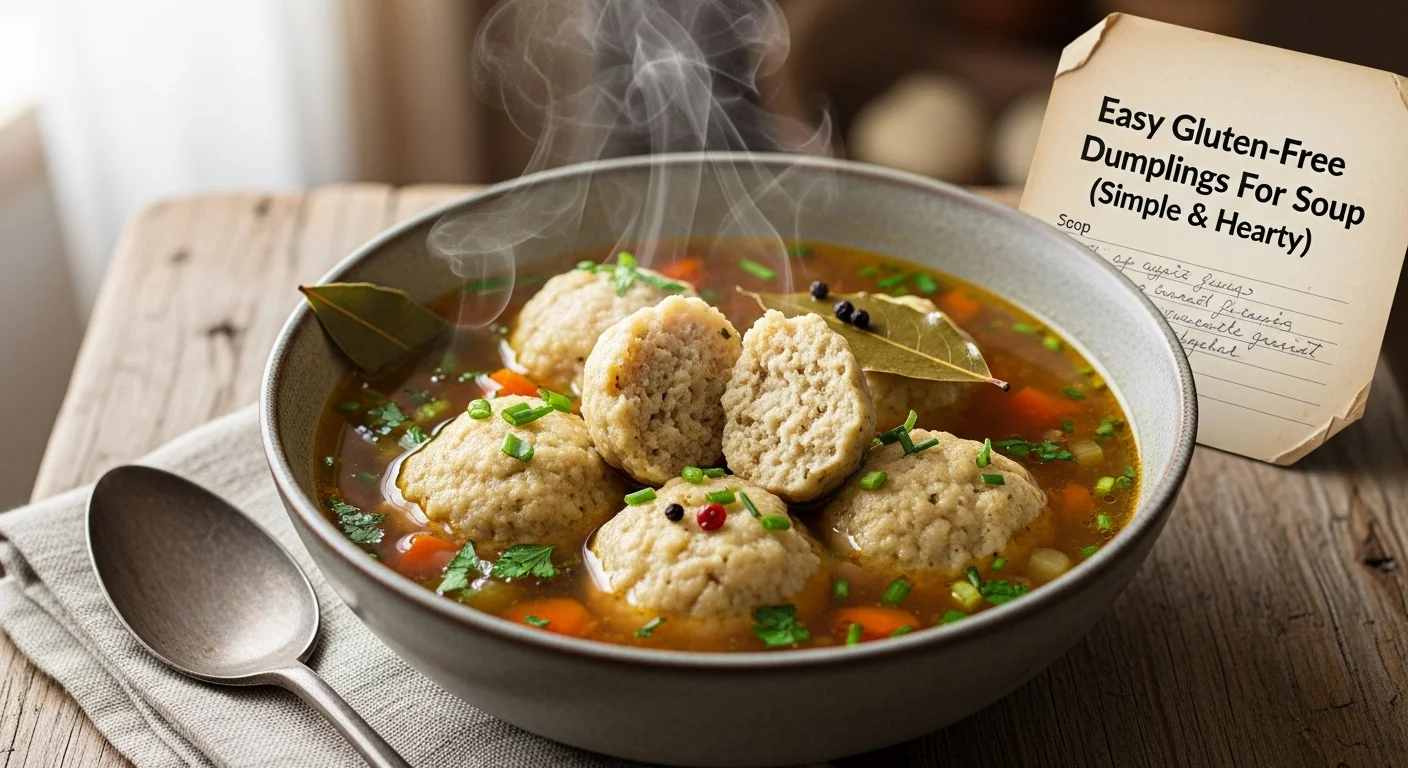
Gluten-free dumplings are a delicious alternative to traditional dumplings, which typically contain wheat flour. As someone who has had to navigate gluten sensitivities, I’ve found that these dumplings can be just as fluffy and comforting as their gluten-filled counterparts. Made from various gluten-free flours, they can be steamed or boiled and are perfect for soups, stews, or even as a stand-alone dish. The beauty of gluten-free dumplings lies in their versatility; you can flavor them with herbs and spices or even incorporate vegetables for added nutrition. I remember the first time I tried making them; I was pleasantly surprised at how well they held together and absorbed flavors!
Benefits of Gluten-Free Eating
Choosing gluten-free options can bring several benefits, even for those without gluten sensitivities. I’ve learned that many gluten-free ingredients are rich in nutrients and fiber. For instance, using flours like almond or chickpea flour can add protein and healthy fats to your diet. Furthermore, going gluten-free can encourage creativity in the kitchen. I found myself experimenting with new ingredients I had never considered before, which opened up a whole new world of flavors and textures. Plus, many gluten-free foods tend to be lower in calories compared to their gluten-filled versions, making it easier to maintain a balanced diet. From my experience, it’s about finding what works best for your body while enjoying every bite!
Common Ingredients in Gluten-Free Dumplings
When it comes to making gluten-free dumplings, the ingredients you choose can make all the difference. Here are some common ones I often use:
- Rice Flour: This is one of the most popular gluten-free flours, and it gives a light and fluffy texture to dumplings.
- Almond Flour: A great option for adding nutty flavor and richness. I love using it for a denser dumpling.
- Potato Starch: This helps bind the dumplings together and gives them a nice chewiness.
- Vegetable Purees: Incorporating purees like spinach or carrot can add color and nutrients, which I find makes the dumplings visually appealing as well.
- Eggs: Often used as a binder, eggs help the dumplings hold their shape and add moisture.
Each ingredient contributes its unique character to the final product. I like to mix and match different flours and add-ins based on what I have on hand, and I encourage you to do the same. It’s all about experimenting and finding a combination that you love!
Types of Gluten-Free Dumplings for Soup
Rice Flour Dumplings
Rice flour dumplings are one of my absolute favorites. They are incredibly light and can soak up the broth beautifully. To make them, I typically combine rice flour with water and a pinch of salt to create a soft dough. They cook quickly and are perfect for a variety of soups.
Almond Flour Dumplings
If you’re looking for something heartier, almond flour dumplings are a fantastic choice. They offer a nutty flavor and pair wonderfully with rich, savory soups. I usually mix almond flour with eggs and seasonings for a delightful texture that holds up well in broth.
Potato-Based Dumplings
Potato-based dumplings are another delightful option. By using mashed potatoes or potato flour, I create a comforting, soft dumpling that works well with thicker soups. They remind me of home-cooked meals, and they’re perfect for those chilly nights when you just want to wrap yourself in warmth.
Vegetable Dumplings
For a fresh twist, I often make vegetable dumplings. Using grated vegetables like zucchini or carrots mixed with gluten-free flour, these dumplings are not only colorful but also packed with nutrients. They add a nice crunch and flavor to any soup, making them a fun addition to our family meals. You can also check out my experience with I Tried the TikTok Veg Rice Paper Dumplings – OMG for another delicious option!
Essential Tools and Equipment
Mixing Bowls and Utensils
Having the right tools can make all the difference when whipping up gluten-free dumplings. I’ve found that sturdy mixing bowls are essential for combining ingredients without any spills. You don’t want to lose any precious dough! I typically use a large glass bowl because it allows me to see the texture as I mix, and it’s easy to clean. A good set of mixing utensils is also important. I prefer using a rubber spatula for folding in ingredients gently, which helps keep the dough light and airy. Wooden spoons are great too, especially for mixing thicker doughs like potato-based dumplings.
Steaming vs. Boiling Equipment
When it comes to cooking dumplings, I often debate between steaming and boiling. Both methods have their merits, but I’ve found that steaming really helps retain the dumplings’ delicate texture. If I go the steaming route, I use a bamboo steamer, which I think adds a lovely touch to the cooking process. It’s fun to watch the dumplings puff up as they cook! If I decide to boil them, I always use a large pot, making sure to have enough water so they don’t stick to the bottom. Just remember, when boiling, to drop them in gently to avoid splashes and ensure they cook evenly.
Measuring Tools for Accurate Recipes
Accurate measurements are key when making gluten-free dumplings. I can’t stress enough how important it is to have a reliable set of measuring cups and spoons. I’ve learned the hard way that a little too much flour can lead to dense dumplings. My go-to is a digital kitchen scale, which helps me weigh out ingredients precisely. It’s especially useful when working with various gluten-free flours that can have different densities. Investing in a good set of measuring tools will make the whole process smoother and help you achieve the perfect dumpling every time.
Step-by-Step Guide to Making Easy Gluten-Free Dumplings
Gathering Ingredients
Before I start making dumplings, I always like to lay out all my ingredients on the countertop. It not only makes the process smoother but also helps me ensure I have everything I need. For a basic gluten-free dumpling dough, I usually gather my chosen flour, eggs, a binding agent like potato starch, and any spices or herbs I want to include. I recommend having some water on hand to adjust the dough’s consistency. It’s incredible how just a tablespoon can make a big difference! I often think of this step as setting the stage for a delicious performance.
Preparing the Dough
When it comes time to mix, I start by combining the dry ingredients in a bowl. I like to whisk them together to ensure even distribution. Then, I create a well in the center and add the wet ingredients. Gently mixing them together using my spatula, I try to avoid overworking the dough. I’ve found that gluten-free dough can be sensitive, and a light touch works wonders. If the dough feels too dry, I’ll add a bit of water. If it’s too sticky, a sprinkle of flour usually does the trick. I always test the dough with my hands; if it holds together without crumbling, it’s ready!
Shaping the Dumplings
Shaping the dumplings is one of my favorite parts! I often use my hands to pinch off small portions of dough, rolling them into balls or flattening them slightly, depending on the type I’m making. I usually aim for about a tablespoon-sized portion, but you can adjust that based on your preference. I remember the first time I shaped dumplings; I was amazed at how therapeutic it felt. It’s a great way to unwind and get creative! For added flair, I sometimes use a fork to create decorative patterns on the dumplings, making them look as good as they taste.
Cooking Methods: Steaming vs. Boiling
Once my dumplings are shaped, it’s time to cook them! If I’m steaming, I preheat my bamboo steamer and line it with parchment paper to prevent sticking. I place the dumplings in a single layer, making sure they have space to expand, and cover them with a lid. They usually take about 10-15 minutes to cook through, and I love peeking in to watch them grow! On the other hand, if I’m boiling, I bring a large pot of salted water to a gentle boil. I drop the dumplings in carefully and let them cook until they float to the surface, which usually takes about 5-7 minutes. No matter which method I choose, the aroma wafting through my kitchen is always a delightful bonus!
Simple and Hearty Soup Recipes to Pair with Dumplings
Classic Chicken Soup
One of my go-to soups to pair with gluten-free dumplings is classic chicken soup. I love how the warm broth complements the fluffy dumplings, creating a comforting meal. I start with a homemade broth, simmering chicken with onions, carrots, and celery. Once the broth is ready, I add the dumplings, which soak up all that delicious flavor. It’s the kind of dish that warms you from the inside out, and I often find myself going back for seconds!
Vegetable Broth with Greens
For a lighter option, I often make a fresh vegetable broth, filled with seasonal greens and herbs. I like to toss in kale or spinach along with the dumplings, which adds a vibrant color and nutritional boost. The combination is both refreshing and satisfying, making it a staple in my kitchen during the spring months.
Hearty Beef and Vegetable Soup
If I want something a bit more filling, I turn to hearty beef and vegetable soup. Using tender chunks of beef, potatoes, and a mix of my favorite veggies, this soup becomes a cozy meal when paired with dumplings. The rich flavors meld beautifully, and I can’t help but feel nostalgic, as it reminds me of family gatherings around the dinner table.
Spicy Asian-Inspired Soup
For a kick of flavor, I love making a spicy Asian-inspired soup. I use a base of broth with ginger, garlic, and chili paste, then toss in my vegetable dumplings. The heat from the spices adds a new dimension to the dish. It’s a fun way to experiment with flavors, and I often serve it with a sprinkle of green onions on top for added freshness. You can also check out Everyone’s Talking About This Quick Chicken Stir Bowl for another delicious pairing!
Tips for Perfect Gluten-Free Dumplings
Avoiding Common Mistakes
As I’ve experimented with gluten-free dumplings, I’ve learned a few tips to help avoid common pitfalls. One of the biggest mistakes I made was overworking the dough. Since gluten-free flours can behave differently than wheat flour, it’s crucial to mix just until combined. Overmixing can lead to tough dumplings, which is definitely not what we want. I also remember the first time I used too much liquid, thinking I could make a softer dough. Instead, it ended up too sticky and hard to shape. I’ve found that it’s better to start with less liquid and add only a little at a time until the texture feels right. Trust me, a little patience goes a long way!
Another tip is to ensure you’re using fresh ingredients. Old flour can affect the taste and texture of the dumplings. I always check the expiration dates on my flours, and if I notice any off smells or clumps, I toss them out. Additionally, I’ve experienced that not all gluten-free flours are created equal, so mixing different types can give you the best results. For instance, combining rice flour with a bit of almond flour creates a nice balance of texture and flavor that I really enjoy.
Storage and Freezing Tips
When it comes to storing leftover dumplings, my approach is pretty straightforward. If I have extras, I let them cool completely before placing them in an airtight container in the fridge. They usually last about three days, which is perfect for meal prepping. I’ve found that reheating them gently helps maintain their fluffiness. Just a quick steam or a short time in the microwave works wonders!
Freezing dumplings is another fantastic option. I remember the first time I decided to freeze some; it felt like discovering a secret stash of comfort food! To freeze, I arrange the shaped dumplings on a baking sheet lined with parchment paper, ensuring they’re not touching, and pop them in the freezer until they’re solid. Once frozen, I transfer them to a freezer-safe bag. This way, I can pull out just what I need for quick meals. I typically use them within three months for the best flavor and texture, but they can last longer if stored properly.
How to Reheat Dumplings Properly
When it’s time to enjoy those frozen dumplings, I have a few reheating tricks up my sleeve. If I’m in a hurry, I might opt for the microwave, but I recommend steaming them for the best results. To steam frozen dumplings, I simply place them in a bamboo steamer or any steamer basket, cover them, and let them steam for about 10-12 minutes. It’s amazing how they come back to life, becoming fluffy and delicious again!
If I’m reheating dumplings that were stored in the fridge, a quick boil works great too. I bring a pot of water to a gentle boil, drop them in, and let them cook for about 3-5 minutes until heated through. The key is to avoid overcooking them, as they can become mushy. Trust me, I’ve learned that the hard way!
Frequently Asked Questions about Gluten-Free Dumplings
Can I make dumplings ahead of time?
Absolutely! I often make a batch of dumplings ahead of time, especially when I have guests coming over. You can prepare the dough and shape the dumplings, storing them in the fridge for a day or two before cooking. If you want to prepare them even further in advance, freezing is a great option, as I mentioned earlier. Just remember to keep the uncooked dumplings separated on a baking sheet before transferring them to a freezer bag.
What can I use instead of gluten in dumpling recipes?
There are several gluten-free flour options to experiment with! In my experience, a mix of rice flour, almond flour, and potato starch works very well. You can also try using chickpea flour or gluten-free all-purpose blends available in stores. Each type of flour brings a unique flavor and texture, so I encourage you to play around and find what you like best. It’s all about discovering what works for you!
How do I know when my dumplings are cooked?
Knowing when your dumplings are cooked can be a bit tricky, especially since gluten-free dumplings don’t have the same visual cues as traditional ones. When boiling, I find that dumplings are done when they float to the surface and feel firm to the touch. If you’re steaming, it usually takes about 10-15 minutes, and I always like to cut one open to check; the center should be tender and not doughy. It’s a simple test that gives me peace of mind!
Are gluten-free dumplings suitable for freezing?
Yes, gluten-free dumplings freeze beautifully! As I shared before, freezing them raw is my favorite method since it keeps their texture intact. Just make sure to arrange them in a single layer initially to prevent sticking. Once frozen, you can store them in a bag for a quick meal option whenever you need. It’s a lifesaver on busy days when I want something comforting without the fuss!
Frequently Asked Questions
What are gluten-free dumplings?
Gluten-free dumplings are an alternative to traditional dumplings made without wheat flour. They can be made from various gluten-free flours, can be steamed or boiled, and are versatile in flavoring and nutrition.
What ingredients are commonly used in gluten-free dumplings?
Common ingredients include rice flour, almond flour, potato starch, vegetable purees, and eggs. Each ingredient contributes its own texture and flavor to the dumplings.
How do I know when my dumplings are cooked?
Dumplings are cooked when they float to the surface and feel firm to the touch when boiling. If steaming, they typically take about 10-15 minutes, and cutting one open can help check for doneness.
Can I make dumplings ahead of time?
Yes, you can prepare dumplings ahead of time by storing the shaped dumplings in the fridge for a day or two or by freezing them for longer storage.
What can I use instead of gluten in dumpling recipes?
You can experiment with various gluten-free flours such as rice flour, almond flour, potato starch, chickpea flour, or gluten-free all-purpose blends to replace gluten in dumpling recipes.
Are gluten-free dumplings suitable for freezing?
Yes, gluten-free dumplings freeze well when frozen raw. Arrange them in a single layer on a baking sheet initially to prevent sticking, then transfer them to a freezer bag.
What are some types of gluten-free dumplings for soup?
Types of gluten-free dumplings for soup include rice flour dumplings, almond flour dumplings, potato-based dumplings, and vegetable dumplings, each offering unique flavors and textures.
What tools and equipment are essential for making gluten-free dumplings?
Essential tools include sturdy mixing bowls, mixing utensils like rubber spatulas and wooden spoons, steaming or boiling equipment, and measuring tools for accurate ingredient amounts.
What are some common mistakes to avoid when making gluten-free dumplings?
Common mistakes include overworking the dough, using too much liquid, and not checking the freshness of ingredients. It’s important to mix just until combined and use fresh flour for the best results.
How do I reheat dumplings properly?
To reheat frozen dumplings, steaming is recommended for the best results, taking about 10-12 minutes. For refrigerated dumplings, a quick boil for 3-5 minutes works well, ensuring they don’t overcook.