
If you’re looking to make a delicious cheesecake but need a gluten-free option, you’ve come to the right place! A gluten-free graham cracker crust is easy to make and will elevate your dessert to a whole new level. Read Interesting article: 12 Lovely Baking Recipes for Holiday House Guests
Understanding Gluten-Free Baking
As someone who has dabbled in baking for years, I can tell you that gluten-free baking opens up a whole new world of flavors and textures. It’s not just about avoiding gluten; it’s about discovering new ingredients that can enhance your culinary creations. Understanding what gluten-free means and how it affects baking is crucial for making a great graham cracker crust.
What is Gluten-Free?
Gluten is a protein found in wheat, barley, and rye. For those with gluten sensitivities or celiac disease, consuming gluten can lead to serious health issues. Gluten-free means that a food product contains no gluten and is safe for these individuals to eat. I remember when I first learned about gluten-free options; it was like a light bulb turned on! There’s a whole community of people who rely on gluten-free diets, and it’s exciting to explore those options.
Common Gluten-Free Flours and Ingredients
When I started my gluten-free baking journey, I discovered a variety of flours and ingredients that could replace traditional wheat flour. Some popular gluten-free flours include almond flour, coconut flour, and rice flour. Each of these brings a unique flavor and texture, which I find fascinating. You can mix and match them to create the perfect crust for your cheesecake. I often use almond flour for its nutty flavor, which complements sweet desserts beautifully.
In addition to flours, there are other gluten-free ingredients you can use, such as gluten-free oats and certified gluten-free graham crackers. I love how there are so many options available! It feels like there’s a whole world of possibility waiting to be explored. Read Interesting article: Classic African pancake everyone should try
Benefits of Gluten-Free Diets
Switching to a gluten-free diet can have several benefits beyond just avoiding gluten. Many people report increased energy and improved digestion. Personally, I’ve noticed that when I cut back on gluten, I feel lighter and more vibrant. It’s amazing how food impacts our bodies. Plus, gluten-free baking encourages creativity! You’re often forced to think outside the box and try new recipes, which can be a fun and rewarding experience.
Why Use a Graham Cracker Crust for Cheesecakes?
When I think of cheesecakes, the thought of a graham cracker crust immediately comes to mind. Not only does it provide a delightful crunch, but it also balances the creamy texture of the cheesecake perfectly. I’ve experimented with different crusts, but I always come back to the classic graham cracker crust for its simplicity and flavor.
Texture and Flavor Advantages
The best part about using a graham cracker crust is the texture. It’s buttery and crumbly, which pairs perfectly with the smoothness of cheesecake. I love how the sweetness of the graham crackers complements the tanginess of cream cheese. It creates a symphony of flavors that dances on your palate. I can’t help but smile when I take that first bite!
Versatility in Dessert Recipes
Another reason I adore graham cracker crusts is their versatility. While they are often associated with cheesecakes, you can use them in various desserts, like pies and tarts. I’ve even used a gluten-free graham cracker crust for a chocolate mousse pie, and it was a huge hit at my last family gathering! The flexibility of this crust makes it a staple in my baking repertoire. Read Interesting article: 15 Winning Recipes for Your Next Game Day Party
Essential Ingredients for Gluten-Free Graham Cracker Crust
Creating a delicious gluten-free graham cracker crust requires just a few key ingredients. I’ve found that using high-quality ingredients makes a significant difference in the final product, so let’s talk about what you’ll need.
Gluten-Free Graham Crackers
The star of the show is, of course, gluten-free graham crackers. I remember the first time I searched for them; I was pleasantly surprised by how many brands offer gluten-free options now. Look for ones that have a good balance of sweetness and crunch. I’ve tried several brands, and my favorite has to be the ones made with whole grains. They add an extra layer of flavor, which I appreciate.
Sweeteners: Sugar vs. Natural Alternatives
While traditional recipes usually call for granulated sugar, I’ve experimented with natural sweeteners like honey and maple syrup. Both options work well, though they can slightly change the texture. If you prefer a more natural approach, I recommend giving them a try. It’s all about what fits your taste and dietary needs!
Butter or Dairy-Free Substitutes
Butter is typically used to bind the crust together, but for those who are dairy-free, there are excellent substitutes available. Coconut oil or vegan butter can work wonders. I’ve used both, and while they give a different flavor, they still yield a delicious crust.
Optional Flavor Enhancements: Cinnamon and Vanilla
To elevate the flavor of your crust, consider adding a touch of cinnamon or vanilla extract. These tiny tweaks can take your crust from good to phenomenal. I often add a sprinkle of cinnamon for that warm, comforting flavor. It reminds me of my childhood baking sessions with my grandmother, where we would always sneak a little extra spice into our goodies!
Step-by-Step Guide to Making Easy Gluten-Free Graham Cracker Crust
Preparing Your Ingredients
Before diving into the actual process of making the gluten-free graham cracker crust, I find it helpful to gather and prepare all the ingredients. This way, everything is at my fingertips, and I can focus on the fun part! First, I take out my gluten-free graham crackers, sweetener of choice, butter or substitute, and any optional flavor enhancers like cinnamon or vanilla extract. Having a measuring cup and mixing bowl ready is essential as well. It’s amazing how organizing things beforehand can make baking feel less chaotic!
Crushing the Graham Crackers
Once my ingredients are ready, it’s time to crush the gluten-free graham crackers. I usually place them in a zip-top bag and seal it tightly. Then, I grab a rolling pin and start rolling over the bag, crushing the crackers into fine crumbs. This method is not only efficient but also satisfying—I love the sound of the crackers crunching! Alternatively, if you prefer, you can use a food processor. Just pulse until the crumbs are fine, but be careful not to overdo it. I’ve learned that a little texture can add character to the crust.
Mixing the Ingredients
Next, I transfer the crushed graham crackers to a mixing bowl. Then, I add my sweetener and melted butter or dairy-free substitute. If I’m feeling adventurous, I toss in a pinch of cinnamon or a splash of vanilla extract. Mixing these ingredients is straightforward; I use a fork to combine them until everything is moistened and resembles wet sand. At this point, I often taste a little of the mixture—just to ensure it’s sweet enough! This is a crucial step because it sets the tone for the overall dessert.
Pressing the Crust into the Pan
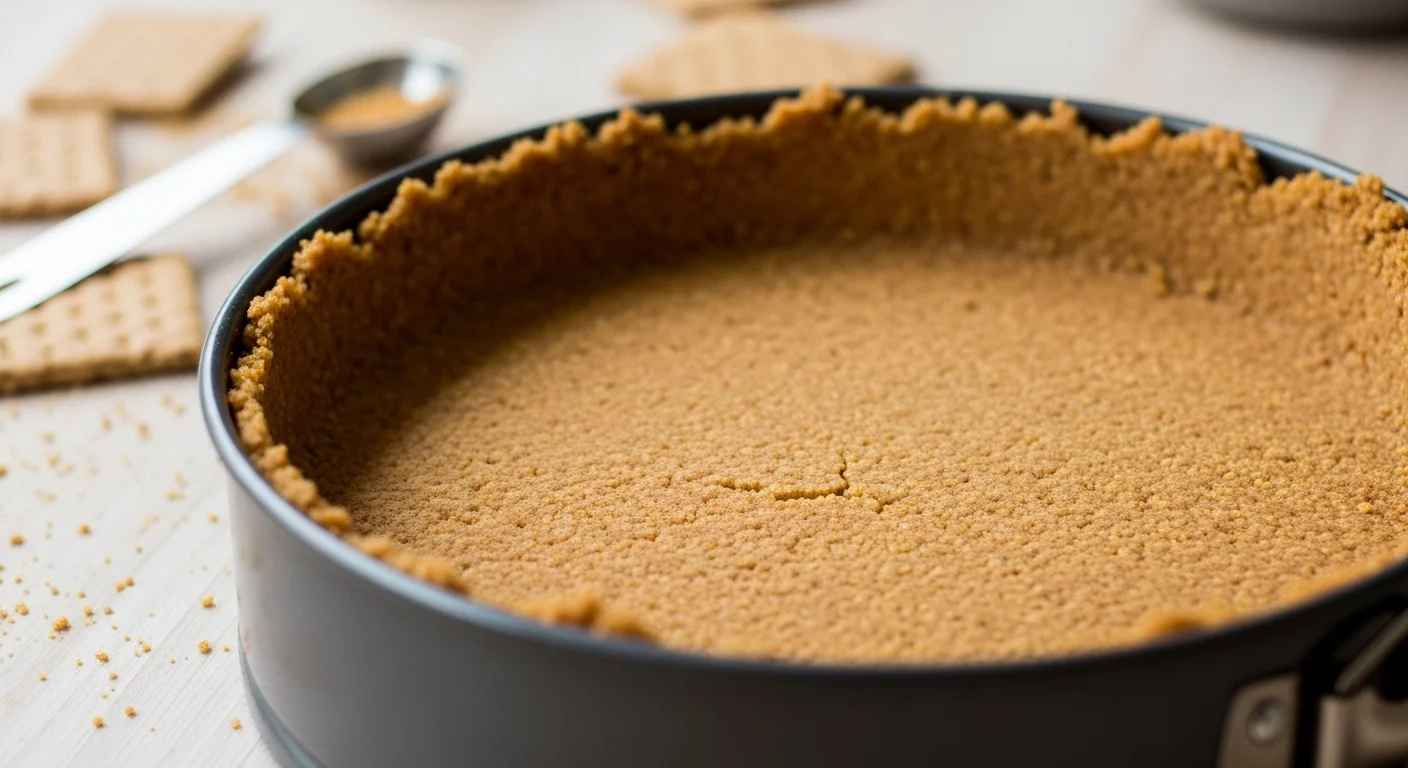
With the mixture ready, I grab my springform pan (or any pie dish I’m using) and start pressing the crust into the bottom. I like to use my hands for this part; it gives me a better feel for the thickness. I usually aim for about ¼ inch thick. I also make sure to press the crust evenly up the sides of the pan. This helps create a nice shape and keeps the cheesecake intact during baking. I recommend using the bottom of a measuring cup to firm up the crust if you want a more polished look.
Pre-baking vs. No-Bake Options
At this point, I face a decision: should I pre-bake the crust or leave it as is? Pre-baking helps the crust hold its shape better and adds a lovely toasty flavor. If I choose this route, I pop it into a preheated oven at 350°F for about 8-10 minutes. I keep a close eye on it, as gluten-free crusts can brown quicker than traditional ones. On the other hand, if I’m going for a no-bake cheesecake, I skip this step. I’ve made both kinds of cheesecakes, and both options have their own charm! It’s all about personal preference and the type of cheesecake I’m making.
Tips for Perfecting Your Graham Cracker Crust
Achieving the Right Consistency
Getting the right consistency for your crust is essential. I’ve learned that the mixture should hold together when squeezed in your hand but isn’t too wet. If it feels too dry, I add a bit more melted butter. Conversely, if it’s too wet, I sprinkle in a little more graham cracker crumbs. Finding this balance can take some practice, but once you do, you’ll have a crust that’s the perfect foundation for your cheesecake.
Common Mistakes to Avoid
One common mistake I’ve made in the past is not pressing the crust firmly enough. If it’s too loose, the crust can crumble when you slice into the cheesecake. I also recommend not overbaking the crust if you choose to pre-bake it. A few minutes can make a significant difference! Lastly, make sure to let the crust cool if you’re adding a filling that needs to be baked. I once rushed this step and ended up with a soggy crust—definitely not what I wanted!
Storage Tips for Leftover Crust
If I have leftover crust, I store it in an airtight container at room temperature for a day or two. For longer storage, I’ve found the freezer works wonders! I wrap it tightly in plastic wrap and then place it in a freezer bag. It keeps well for about a month. When I’m ready to use it again, I simply let it thaw at room temperature before filling it. Having a stash of pre-made crusts on hand makes it so much easier when I want to whip up a spontaneous cheesecake!
Variations on the Classic Gluten-Free Graham Cracker Crust
Chocolate Graham Cracker Crust
One of my favorite twists on the traditional graham cracker crust is the chocolate version. It’s surprisingly easy to make! To achieve this, I simply use gluten-free chocolate graham crackers instead of the regular ones. The rich chocolate flavor adds a decadent touch to any cheesecake. I love how it pairs with everything from creamy vanilla fillings to rich chocolate cheesecakes. When I first tried this variation, I was amazed at how much depth it brought to the dessert. It felt like a whole new world of flavor opened up right before my taste buds!
To make the chocolate crust, I follow the same steps as I would for the classic crust. I crush the chocolate graham crackers, mix them with melted butter and a sweetener, and then press the mixture into my pan. The result? A crust that’s not just a base but an integral part of the dessert experience. I often find myself craving this version for special occasions—it truly elevates the dessert!
Nut-Based Crust Alternatives
If you’re looking for something different and perhaps a bit healthier, nut-based crusts are a fantastic option. I’ve experimented with almond meal and finely ground pecans, which create an entirely different texture and flavor profile. These crusts are rich and resemble a classic pie crust in taste. I’ve found that they work especially well for cheesecakes with a fruity or tangy filling.
To make a nut-based crust, I typically use an equal mix of ground nuts and a bit of gluten-free flour to help with binding. Adding a touch of sweetener and melted coconut oil gives it a delightful flavor. The best part is that nut-based crusts are naturally gluten-free and often have more nutrients than traditional graham cracker crusts. I remember the first time I served a pecan crust cheesecake at a family gathering; everyone was blown away by how unique and delicious it was!
Adding Spices for Unique Flavors
Another way to customize your gluten-free graham cracker crust is by adding spices. I love experimenting with flavors like ginger, nutmeg, or even a hint of cardamom. These spices can add warmth and complexity, making your crust stand out. For instance, a sprinkle of ginger can transport your cheesecake to a whole new level, especially when paired with pumpkin or other fall flavors.
When I first added a touch of nutmeg to my graham cracker crust, I was surprised by how much it enhanced the overall flavor. It reminded me of the cozy nights spent baking with my family during the holidays. I recommend starting with small amounts—maybe 1/4 teaspoon—and adjusting according to your taste. You’ll be amazed at the difference a little spice can make!
Pairing Your Gluten-Free Graham Cracker Crust with Cheesecake Fillings
Classic New York Style Cheesecake
When I think about the perfect pairing for my gluten-free graham cracker crust, the classic New York-style cheesecake comes to mind. The creamy, rich filling complements the sweet and slightly crunchy crust beautifully. It’s a timeless combination that never gets old. I’ve noticed that using high-quality cream cheese makes a significant difference in the final taste, so I always opt for the best I can find.
To create this cheesecake, I mix cream cheese with sugar, eggs, and a splash of vanilla extract. The result is a smooth, velvety filling that contrasts wonderfully with the crust. I love how simple yet elegant this dessert is—it’s perfect for everything from casual gatherings to fancy dinner parties. Plus, it’s always a crowd-pleaser!
Fruit-Flavored Cheesecakes
If I’m in the mood for something a little lighter, fruit-flavored cheesecakes are my go-to. Using seasonal fruits can really brighten up the dessert. I’ve made everything from strawberry to lemon cheesecakes, and each one pairs perfectly with my gluten-free graham cracker crust. The tanginess of the fruit filling cuts through the richness of the cheesecake, making it a refreshing treat.
What I love about fruit cheesecakes is how versatile they are. You can use fresh fruit, fruit purees, or even preserves to achieve the flavor you desire. I often swirl in some fruit puree into the cheesecake filling before baking to create a stunning marbled effect. It not only looks beautiful but adds an explosion of flavor that’s hard to resist!
Chocolate and Caramel Cheesecakes
For those days when I crave something indulgent, chocolate and caramel cheesecakes are hard to beat. The rich, creamy chocolate filling combined with a drizzle of caramel sauce creates a dessert that feels like a special occasion, even if it’s just a Tuesday night! I’ve found that the chocolate filling pairs beautifully with the graham cracker crust, creating a dessert that’s both comforting and luxurious.
To make this cheesecake, I blend melted chocolate into my cream cheese mixture, adding a bit of cocoa powder for an extra chocolate punch. For the caramel, I love to make my own by cooking sugar until it’s golden brown and then adding cream. It’s simple yet so rewarding! I often serve it with a dollop of whipped cream on top for a finishing touch. It’s a dessert that never fails to impress.
Frequently Asked Questions
What is gluten-free and why is it important for baking?
Gluten is a protein found in wheat, barley, and rye. For those with gluten sensitivities or celiac disease, consuming gluten can lead to serious health issues. Gluten-free means that a food product contains no gluten and is safe for these individuals to eat, making it crucial for those following gluten-free diets.
What are some common gluten-free flours and ingredients?
Popular gluten-free flours include almond flour, coconut flour, and rice flour. Other gluten-free ingredients include gluten-free oats and certified gluten-free graham crackers.
What are the benefits of a gluten-free diet?
Switching to a gluten-free diet can lead to increased energy, improved digestion, and encourages creativity in baking by exploring new recipes and ingredients.
Why is a graham cracker crust used for cheesecakes?
A graham cracker crust provides a delightful crunch and balances the creamy texture of the cheesecake, making it a classic choice for this dessert.
How do you make a gluten-free graham cracker crust?
To make a gluten-free graham cracker crust, crush gluten-free graham crackers, mix them with a sweetener and melted butter (or a dairy-free substitute), and then press the mixture into a pan.
What are some tips for perfecting a graham cracker crust?
Ensure the crust mixture holds together when squeezed, avoid overbaking, and let the crust cool if adding a baked filling to prevent sogginess.
How can you store leftover graham cracker crust?
Leftover crust can be stored in an airtight container at room temperature for a day or two, or in the freezer for up to a month wrapped tightly in plastic wrap.
What variations can be made on a classic gluten-free graham cracker crust?
Variations include using chocolate graham crackers for a chocolate crust, creating nut-based crusts with ground nuts, or adding spices like ginger and nutmeg for unique flavors.
What types of cheesecake fillings pair well with gluten-free graham cracker crust?
Classic New York-style cheesecake, fruit-flavored cheesecakes, and indulgent chocolate and caramel cheesecakes all pair beautifully with a gluten-free graham cracker crust.
What optional flavor enhancements can be added to the crust?
Consider adding cinnamon or vanilla extract to elevate the flavor of your crust, which can enhance the overall taste of the cheesecake.