
Who doesn’t love a warm bowl of homemade noodles? In just 20 minutes, you can create delicious noodles that elevate any dish. Let’s dive into the easy steps to make this delightful comfort food!
Why Make Homemade Noodles?
I’ve always found joy in cooking, especially when it comes to making pasta. There’s something incredibly satisfying about transforming simple ingredients into a warm, comforting dish. I remember the first time I decided to make homemade noodles. I thought it would be complicated, but I was pleasantly surprised at how easy it was. Making noodles from scratch not only feels rewarding but also allows you to customize flavors and textures exactly how you like them. Plus, homemade noodles have a fresh taste that store-bought versions can’t quite match. They can elevate any meal, be it a savory soup, stir-fried dish, or a classic spaghetti.
Gathering Your Ingredients
Before we start, let’s talk about what you’ll need. Luckily, the ingredients for making noodles are minimal, making this process even more approachable. Here’s what I typically use:
- 2 cups of all-purpose flour
- 2 large eggs
- 1/2 teaspoon of salt
- Water (as needed)
- Extra flour for dusting
I like to use fresh ingredients whenever possible. The eggs you choose can make a huge difference in flavor. If you have access to farm-fresh eggs, I highly recommend using them. They add richness that really enhances the noodles.
Mixing the Dough
Once you have your ingredients ready, it’s time to mix them. I usually start by adding the flour to a large mixing bowl. I create a well in the center where I crack the eggs and add the salt. Then, using a fork, I gently beat the eggs, slowly incorporating the flour from the edges of the well. This method helps prevent any flour from flying everywhere, which I learned the hard way during my first attempt!
As you mix, you’ll notice the dough coming together. If it feels too dry, I add a tiny bit of water, a teaspoon at a time. This ensures the dough can bind without becoming too sticky. Once everything is combined, I switch to using my hands to knead the dough. I typically knead it for about 5 minutes until it’s smooth and elastic. At this point, I feel a sense of accomplishment already, knowing I’m on my way to creating something delicious.
Resting the Dough
After kneading, I wrap the dough in plastic wrap or cover it with a damp cloth. This resting period is crucial, as it helps the gluten relax, making it easier to roll out later. I usually let it rest for about 10 minutes, but if I’m in a hurry, even 5 minutes will do. During this time, I often clean up my workspace and prepare any additional ingredients I plan to use in my noodle dish.
Rolling Out the Noodles
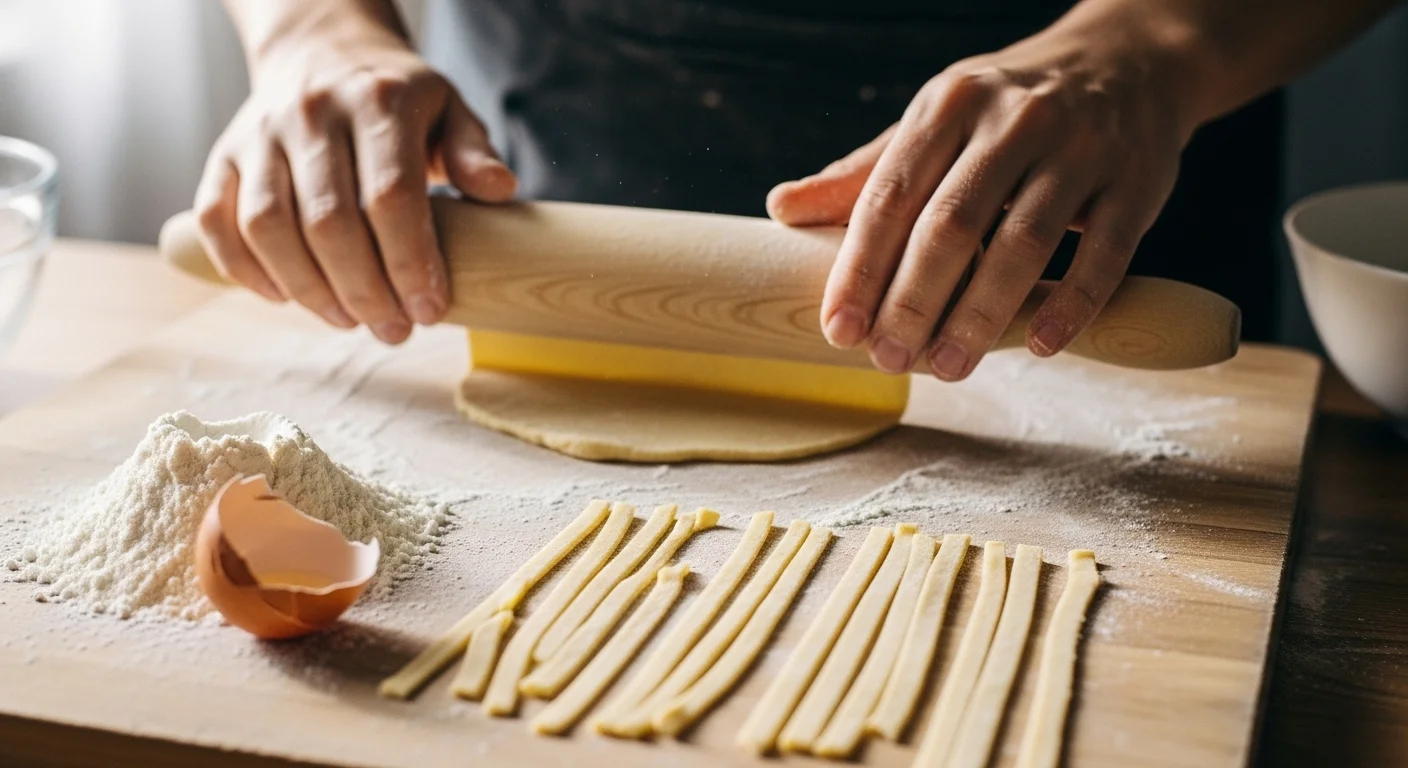
Once the dough has rested, it’s time for the fun part – rolling it out! I dust my counter with a little extra flour to prevent sticking. Then, I split the dough into two or three smaller portions, which makes it easier to manage. I take one portion and flatten it slightly with my hands before using a rolling pin to roll it out into a thin sheet. The goal is to get it as thin as possible without tearing, and I find that rotating the dough while rolling helps maintain even thickness.
After rolling out the dough, I usually sprinkle a bit more flour on top to keep it from sticking. I often fold the sheet gently over itself a couple of times and then cut it into strips with a sharp knife or a pizza cutter. I aim for about 1/4 inch wide, but you can adjust based on your preference! Sometimes, I’ll even experiment with different widths for a variety of textures in my dish.
Cooking the Noodles
With the noodles cut, it’s time to cook them! I bring a large pot of salted water to a boil. I’ve learned that adding salt to the water is essential, as it flavors the noodles. Once the water is boiling, I gently add the fresh noodles. They usually take about 2-4 minutes to cook, depending on how thick I cut them. When they float to the top, I know they’re done! I like to taste a noodle to ensure it’s cooked to my liking.
After cooking, I drain the noodles and rinse them briefly under cold water to stop the cooking process, especially if I’m using them in a stir-fry later. This helps maintain that perfect chewy texture.
Serving Suggestions
Now comes the best part – serving those delicious noodles! I love tossing them with a bit of olive oil, garlic, and some sautéed vegetables for a quick stir-fry. Alternatively, they’re fantastic in a rich soup with broth and fresh herbs. I often find myself experimenting with different sauces and toppings, depending on what I have in the fridge. The versatility of homemade noodles is one of their greatest appeals.
Making homemade noodles in just 20 minutes is not only possible but incredibly rewarding. From the mixing and kneading to the rolling and cooking, each step brings its own joy. I hope you’re inspired to try this simple method and enjoy the delightful taste of fresh noodles in your own kitchen!
Storing Leftover Homemade Noodles
One of the fantastic things about making homemade noodles is that they can be stored for later use. Sometimes, I make a larger batch than I need, and I love the idea of having fresh noodles ready to go in my fridge or freezer. I remember the first time I tried to store them; I was worried they wouldn’t taste as good after being stored. To my delight, I found some simple techniques to keep them fresh.
After cooking the noodles, if I have leftovers, I let them cool completely. This is important because if you pack them away while warm, they can stick together and form a clump. I usually spread them out on a baking sheet in a single layer and let them cool for about 10-15 minutes. Once cooled, I transfer them into an airtight container or a zip-top bag. If I’m planning to use them within a few days, the fridge is perfect. However, for longer storage, I pop them into the freezer.
When I freeze noodles, I typically lay them flat in the zip-top bag, trying to remove as much air as possible before sealing. This helps prevent freezer burn. I’ve found that they can last for about two months frozen without losing their flavor or texture. When I want to use them, I can take them straight from the freezer and either toss them into boiling water or cook them in a stir-fry without thawing. It’s such a convenient way to make quick meals!
Experimenting with Flavors and Shapes
As I’ve gotten more comfortable making my own noodles, I’ve started experimenting with different flavors and shapes. It’s a fun way to customize my dishes and impress friends and family! For instance, sometimes I add fresh herbs like basil or spinach to the dough for a pop of color and flavor. I remember making green noodles for a dinner party last summer, and everyone was amazed at the vibrant color!
To incorporate herbs, I simply blend them into the eggs before mixing them with the flour. This not only gives the noodles a beautiful hue but also infuses them with a delicious taste. You can also experiment with spices; a bit of garlic powder or paprika can add a unique twist.
As for shapes, I’ve tried various styles beyond the classic strips. I’ve made fettuccine, lasagna sheets, and even ravioli! Making ravioli can be a bit more time-consuming, but it’s well worth the effort. I fill them with ricotta cheese and spinach or even a savory meat filling. When I serve homemade ravioli to guests, they can’t believe I made them from scratch!
Another fun shape I’ve tried is “noodle nests,” where I twist the cut noodles into small circles before cooking them. They cook quickly and look beautiful when served. I’ve used them in soups and salads, adding an elegant touch to my meals.
Pairing Sauces with Your Noodles
The right sauce can truly elevate your homemade noodles from good to extraordinary. I’ve discovered that the possibilities are endless, and I love experimenting with different sauces depending on my mood and what’s in my pantry.
One of my go-to sauces is a simple garlic and olive oil blend. I sauté minced garlic in olive oil, toss in the cooked noodles, and finish with a sprinkle of parmesan cheese and fresh herbs. It’s quick, easy, and oh-so-delicious! I often serve this dish with a side of sautéed veggies for a complete meal.
For a heartier option, I enjoy making a creamy Alfredo sauce. I’m always amazed at how quickly it comes together. I melt butter and cream in a pan, add garlic, and then whisk in grated parmesan until it’s smooth. Tossing the noodles in this sauce creates a decadent dish that feels like a treat.
And let’s not forget about tomato-based sauces! I love a good marinara or a chunky vegetable sauce. Sometimes, I even make a fresh tomato sauce in the summer when tomatoes are at their peak. Just a few ripe tomatoes, garlic, and fresh basil simmered together create a vibrant sauce that pairs beautifully with my noodles.
One of my favorite things is when I make a sauce that complements the noodles I’ve created. If I’ve made herb-infused noodles, I’ll choose a light sauce that allows the noodle’s flavor to shine. It’s all about balance and creating something that feels cohesive.
Bringing Family and Friends Together
Cooking homemade noodles isn’t just about the food; it’s also about the experience. I love inviting friends or family over to join me in the kitchen. We often make a day of it, where we all gather to mix, roll, and cook together. It’s a wonderful way to bond, share stories, and create lasting memories over a shared meal.
One of my favorite memories was when my friend and I decided to host a homemade pasta night. We each brought our favorite ingredients, and together we made different types of noodles. We laughed, tasted, and even had a little friendly competition to see who could roll out the thinnest noodles! The kitchen was filled with the warmth of laughter, and the delicious scents of cooking filled the air.
When it was time to eat, we sat down together at the table, enjoying the fruits of our labor. Each bite was a reminder of the fun we had in the kitchen, and the joy of sharing food with others. I believe that homemade noodles can bring people together, creating not just a meal, but a shared experience that everyone remembers long after the plates are cleared.
Healthier Alternatives for Homemade Noodles
As I’ve explored the world of homemade noodles, I’ve also found myself wanting to experiment with healthier alternatives. I know that many people, including myself, are becoming more conscious of dietary choices, so I thought it was essential to share some of my experiences with different ingredients that can be just as delightful.
One of my favorite substitutes is using whole wheat flour instead of all-purpose flour. Whole wheat not only adds a nutty flavor but also increases the fiber content, which is a win in my book. When I first tried it, I was worried that the noodles might turn out dense, but to my surprise, they were just as chewy and delicious! I find that using a bit of water helps to keep the dough hydrated, making it easier to work with. Plus, the added nutritional benefits make me feel great about my choices.
Another option I’ve enjoyed is making noodles with vegetable purees. I remember the first time I used spinach in my dough. I blended fresh spinach with the eggs until it was a lovely green puree. The result was not only visually stunning but also packed with vitamins and minerals. I love how the color pops on the plate, and it adds a subtle flavor that pairs beautifully with lighter sauces.
I’ve also experimented with using chickpea flour or lentil flour for a gluten-free option. This was a game-changer for me, especially for friends who have gluten sensitivities. The unique taste of chickpea flour brings a delightful nuttiness and works wonderfully when paired with robust flavors, like spicy marinara or hearty meat sauces. I often find myself making a batch of these noodles for gatherings; they always impress and cater to different dietary needs.
For those who are looking for low-carb alternatives, I’ve been intrigued by zucchini noodles, or “zoodles,” as they’re often called. While they’re not homemade in the traditional sense, I often spiralize fresh zucchini into noodle shapes. I enjoy them raw or lightly sautéed with olive oil, garlic, and cherry tomatoes. They’re a refreshing option that feels light yet satisfying! Sometimes, I throw in a handful of cooked homemade noodles with zoodles for a fun texture contrast.
Hosting a Homemade Noodle Party
As I’ve gotten more into making homemade noodles, I’ve found that hosting a noodle-making party can be a fantastic way to share this joy with others. It’s an interactive experience that allows everyone to get their hands dirty while bonding over food.
I remember planning my first noodle party, and I was both excited and nervous. I invited a handful of friends and set up a space in my kitchen where we could all work together. I prepared some dough in advance, so we could jump right into rolling and cutting. I set up stations with different ingredients for everyone to customize their noodles, which made it feel like a fun cooking class!
To keep the atmosphere lively, I played some upbeat music in the background. As we rolled out the dough, I encouraged everyone to share their favorite toppings or sauces they wanted to try. It was fascinating to see the different ideas and flavors coming together! Some friends even brought their own unique ingredients to share, like homemade pesto or roasted garlic.
We also had a little friendly competition to see who could create the most creative noodle shape. I remember one friend made beautiful ravioli filled with a mixture of ricotta and herbs, while another crafted intricate fettuccine. The laughter and camaraderie in the kitchen were infectious, and it was incredible to see everyone’s personalities shine through their culinary creations.
After all our hard work, we sat down to enjoy a delicious feast together. Each person had their own plate of noodles topped with their sauce of choice. I’ll never forget the moment when my friend took a bite of her homemade ravioli and exclaimed, “I can’t believe we made this!” I felt a wave of satisfaction knowing that I had shared my passion for cooking and brought my friends together in such a meaningful way.
To add an extra layer of fun, I often encourage guests to bring a bottle of their favorite wine or a signature drink to share. It turns the meal into a true celebration of food, laughter, and friendship. The memories we created that night are ones I cherish, and it’s a tradition I hope to continue for years to come.
Exploring Cultural Noodle Dishes
As I’ve become more adventurous in the kitchen, I’ve also started to explore different cultural noodle dishes from around the world. It’s amazing how many variations of noodles exist, each with its unique flavors and techniques.
For instance, I’ve been fascinated by Asian noodles, particularly the delicate and flavorful rice noodles used in dishes like Pad Thai or Pho. The process of making rice noodles from scratch is different from wheat-based ones, but it’s just as rewarding. I remember trying my hand at making rice noodles for the first time. It involved soaking rice, blending it into a batter, and steaming it into sheets. The end result was a light, chewy noodle that paired beautifully with savory sauces and fresh herbs.
Then there’s the rich world of Italian pasta. I have a soft spot for making homemade lasagna sheets. There’s something about layering those sheets with rich marinara, creamy béchamel, and a sprinkle of cheese that feels like a warm hug on a plate. I often invite friends over for a lasagna-making session, where we each bring our favorite fillings and create personalized layers. It’s a wonderful way to celebrate our culinary creativity.
Another cultural noodle that I adore is the dumpling. Making dumplings has become a favorite pastime of mine, especially during the colder months. I remember hosting a dumpling night with friends, where we gathered around the table to fill and shape dumplings together. The laughter and chatter filled the room as we experimented with different fillings and dipping sauces. It was a beautiful fusion of flavors and traditions, which made the experience even more special.
These cultural explorations not only introduce me to new flavors but also remind me of the shared love for food across different communities. It’s a beautiful thing to connect with others through cooking, and I believe that every noodle dish tells a story waiting to be shared.
Frequently Asked Questions
“`htmlWhy should I make homemade noodles?
Making homemade noodles is rewarding and allows you to customize flavors and textures to your liking. They have a fresh taste that store-bought versions can’t match and can elevate any meal, including soups, stir-fries, or spaghetti.
What ingredients do I need to make homemade noodles?
You will need 2 cups of all-purpose flour, 2 large eggs, 1/2 teaspoon of salt, water (as needed), and extra flour for dusting. Using fresh ingredients, especially farm-fresh eggs, can enhance the flavor of your noodles.
How do I mix the dough for homemade noodles?
Start by adding flour to a large mixing bowl and create a well in the center. Crack the eggs and add salt into the well, then beat the eggs with a fork while gradually incorporating the flour. If the dough feels too dry, add water a teaspoon at a time. Knead the dough for about 5 minutes until it’s smooth and elastic.
Why is resting the dough important?
Resting the dough helps the gluten relax, making it easier to roll out later. It’s recommended to let it rest for about 10 minutes, but even 5 minutes can suffice if you’re in a hurry.
How do I cook the homemade noodles?
Bring a large pot of salted water to a boil, then gently add the fresh noodles. They typically take about 2-4 minutes to cook. You can tell they’re done when they float to the top. After cooking, drain them and rinse briefly under cold water to stop the cooking process.
What are some serving suggestions for homemade noodles?
Homemade noodles can be tossed with olive oil, garlic, and sautéed vegetables for a quick stir-fry. They are also fantastic in soups with broth and fresh herbs. You can experiment with different sauces and toppings based on your preferences.
How can I store leftover homemade noodles?
After cooking, let the noodles cool completely to prevent them from sticking together. Spread them out on a baking sheet, then transfer them to an airtight container or zip-top bag. They can be stored in the fridge for a few days or frozen for about two months.
Can I use alternative ingredients for healthier homemade noodles?
Yes, you can use whole wheat flour for added fiber or vegetable purees like spinach for color and flavor. Chickpea or lentil flour are great gluten-free options, and zucchini noodles (“zoodles”) are a low-carb alternative.
What is a homemade noodle party?
A homemade noodle party is a fun, interactive way to share the cooking experience with friends or family. Participants can roll, cut, and customize their noodles together, creating a lively atmosphere filled with laughter and creativity.
Why is exploring cultural noodle dishes beneficial?
Exploring different cultural noodle dishes introduces you to unique flavors and techniques, allowing for culinary creativity. It connects you with food traditions from around the world, enriching your cooking experience and broadening your palate.
“`