
If you’re like me, you sometimes crave a delicious homemade sauce but think it’ll take too long to whip up. Fear not! I’ve discovered that making a flavorful sauce in just 20 minutes is not only possible, but it’s also incredibly easy and satisfying.
Why Homemade Sauce is Worth It
There’s something special about homemade sauces that store-bought ones just can’t replicate. When I take the time to make my own, I feel more connected to my cooking. Plus, I can control the flavors and ingredients, ensuring everything aligns with my taste preferences and dietary needs. Have you ever tasted a store-bought sauce that was overly sweet or too salty? I’ve been there! Making my own sauce means I can adjust the seasoning to perfection. The best part? It’s much healthier, too, since I know exactly what goes into it.
What You’ll Need: Essential Ingredients
Before diving into the recipes, let’s talk about what you’ll need. The beauty of homemade sauce is that you can use ingredients you already have in your kitchen. I often find myself using basic pantry staples, which makes it convenient. Here’s a quick list of ingredients that I keep on hand for making a variety of sauces:
- Olive oil or butter
- Garlic (fresh or powdered)
- Onion (yellow or red)
- Canned tomatoes (whole, crushed, or diced)
- Herbs (like basil, oregano, or thyme)
- Salt and pepper
- Parmesan cheese (optional, but amazing!)
- Red pepper flakes (if you like a little heat)
These ingredients allow for endless variations, so if you don’t have one specific item, don’t sweat it! You can improvise and still create something delicious.
Quick and Easy Tomato Sauce Recipe
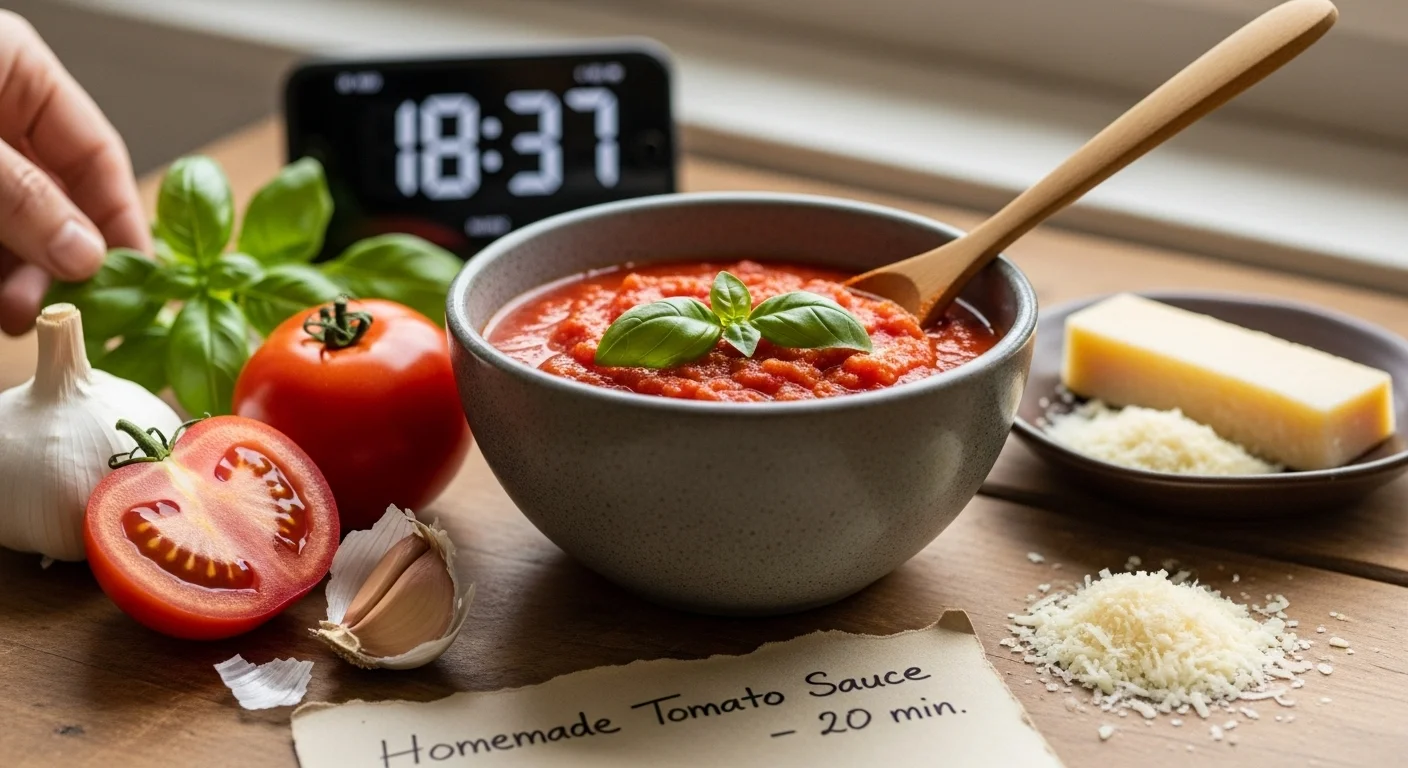
Let’s kick things off with a classic: tomato sauce. This is a go-to for pasta, pizza, or even as a base for other dishes. Here’s how I make it:
- Start with the Base: In a medium saucepan, heat about 2 tablespoons of olive oil over medium heat. I usually add a diced onion and sauté it for about 3-4 minutes until it’s translucent. You can also throw in 2-3 minced garlic cloves at this stage for extra flavor.
- Add the Tomatoes: Once the onion is soft, I pour in a 28-ounce can of crushed tomatoes. You can also use diced or whole tomatoes, but crushed gives a smoother texture. Stir well.
- Season It: Now comes the fun part! I season the sauce with salt, pepper, and a teaspoon of sugar (to cut the acidity of the tomatoes). Then, I toss in a teaspoon of dried oregano and a pinch of red pepper flakes for a bit of heat. Feel free to adjust these to your taste.
- Let It Simmer: I bring the sauce to a light simmer, then reduce the heat to low. Let it cook for about 15 minutes, stirring occasionally. You’ll notice the sauce thickening and the flavors melding beautifully.
- Finish It Off: Just before serving, I like to add a handful of fresh basil or a sprinkle of Parmesan cheese. This adds a lovely freshness and richness to the sauce.
And there you have it! A simple, homemade tomato sauce that’s ready in just 20 minutes. I often make a double batch and freeze half for later. It’s such a lifesaver on busy nights.
Exploring Variations
One of the things I love most about making sauces at home is the ability to customize them. Here are a few variations of the tomato sauce recipe that I’ve tried and loved:
- Herbed Tomato Sauce: Add fresh herbs like thyme and parsley for a more aromatic sauce.
- Mushroom Tomato Sauce: Sauté some mushrooms with the onions for an earthy flavor.
- Spicy Arrabbiata: Increase the red pepper flakes and add some chopped fresh chili peppers for a kick.
- Roasted Garlic Tomato Sauce: Roast a whole bulb of garlic until soft, then squeeze the cloves into the sauce for a sweet, caramelized flavor.
I’ve tried many of these variations, and they always add a new twist to my favorite dishes. It’s fun to experiment and see what flavors come together beautifully.
Serving Suggestions
Now that you have a delicious homemade tomato sauce, how can you serve it? Here are a few of my favorite ideas:
- Pasta: Toss the sauce with your favorite pasta and top with Parmesan cheese.
- Pizza: Use it as a base for homemade pizza; it’s a game changer!
- Shakshuka: Poach eggs directly in the sauce for a hearty breakfast.
- Meatballs: Simmer meatballs in the sauce for a comforting dish.
Whatever you choose, I promise it will elevate your meal. Homemade sauces really are a delightful way to enhance any dish, making it feel special even on a regular weeknight.
Other Quick Sauces to Try
If you’re like me and love experimenting in the kitchen, you’ll be excited to know there are so many other quick sauces you can whip up in just 20 minutes. Each one brings its unique flair to your dishes, and I’ve found that they can be made with similar pantry ingredients. Here are a few of my favorites:
Garlic Butter Sauce
This sauce is a game changer for everything from pasta to seafood. The simplicity of garlic and butter comes together in a way that feels indulgent yet is super easy to make. Here’s my quick method:
- Start with the Butter: In a saucepan, melt about 4 tablespoons of unsalted butter over medium heat. I usually keep an eye on it so it doesn’t brown too much, but a little color can add depth!
- Add Garlic: Once the butter is melted, I toss in 4-5 minced garlic cloves and sauté for about 1-2 minutes. The aroma is incredible, and I can never resist a taste at this point!
- Finish It Off: To enhance the flavor, I squeeze in some lemon juice and season with salt, pepper, and fresh parsley. I love how the brightness of the lemon balances the richness of the butter.
This garlic butter sauce is perfect over pasta, drizzled on grilled vegetables, or even poured over a piece of fish before baking. It’s so versatile!
Pesto Sauce
I can’t talk about quick sauces without mentioning pesto. Fresh, vibrant, and packed with flavor, pesto is a staple in my kitchen. While traditional pesto takes time to prepare, I have a time-saving twist that I adore:
- Blend the Ingredients: In a food processor, I combine 2 cups of fresh basil leaves, 1/2 cup of grated Parmesan cheese, 1/2 cup of olive oil, 1/2 cup of nuts (pine nuts or walnuts work great), and 2-3 cloves of garlic. I pulse everything together until it’s well combined.
- Season: I always taste and adjust the seasoning with salt and pepper. Sometimes, I like to add a squeeze of lemon juice for a bit of tang!
Pesto is fantastic tossed with pasta, spread on sandwiches, or even drizzled over grilled chicken. I remember the first time I made pesto; I was amazed at how fresh it tasted compared to store-bought versions!
Alfredo Sauce
If you’re in the mood for something creamy, Alfredo sauce is a classic that comes together quickly. I used to think it was complicated, but I’ve learned it’s really just about a few key ingredients:
- Melt Butter and Cream: Start by melting 1/2 cup of butter in a saucepan over medium heat. Once melted, I add in 1 cup of heavy cream and stir until combined.
- Add Cheese: I gradually stir in 1-2 cups of freshly grated Parmesan cheese (the more, the better!). As it melts, I make sure to keep stirring to prevent clumping.
- Season: Finally, I season with salt, pepper, and a pinch of nutmeg. This last touch really elevates the flavor.
This Alfredo sauce is divine over fettuccine or even drizzled on steamed broccoli! It’s one of those comforting dishes that makes you feel like you’re indulging.
Sweet and Spicy Asian Sauce
When I crave something with a kick, I turn to this quick Asian-inspired sauce. It’s fantastic for stir-fries or as a marinade. Here’s how I whip it up:
- Combine Ingredients: In a small bowl, I mix together 1/4 cup of soy sauce, 2 tablespoons of honey, 1 tablespoon of rice vinegar, and a teaspoon of sesame oil.
- Add Flavor: To give it some heat, I add a teaspoon of chili paste or sriracha. It’s all about balancing that sweetness with the spice!
This sauce can turn a simple stir-fry into something exciting. I love how quickly it comes together, and it’s perfect for those nights when I want something flavorful but don’t have much time.
Tips for Sauce-Making Success
As I’ve explored these quick sauces, I’ve learned a few tips that I think can help anyone looking to create their own culinary magic:
- Don’t Overthink It: Remember that sauces can be adjusted to your taste. If you prefer more garlic or a bit more spice, feel free to add it!
- Use Fresh Ingredients: Fresh herbs, garlic, and good-quality oils make a huge difference in flavor. It’s worth it to invest in these when you can.
- Make It Ahead: Many sauces can be made in advance and stored in the fridge. Just reheat them gently when you’re ready to use them.
- Experiment: Don’t hesitate to try new combinations or flavors. The kitchen is a creative space, and I’ve found that some of my best sauces came from a little experimentation.
With these sauces in your repertoire, you’ll always have a way to enhance your meals, and who knows? You might just create a family favorite!
Using Leftover Sauces Creatively
One of the best parts about making homemade sauces is the leftovers. I always find myself with a bit more sauce than I need, and instead of letting it sit in the fridge until it’s forgotten, I’ve learned to get creative! Using leftover sauces not only adds flavor to new dishes but also reduces food waste, which is something I feel strongly about. Here are some fun ways to use up those extra sauces:
1. Saucy Dips
I love turning leftover sauces into delicious dips for snacks and appetizers. For example, that leftover garlic butter sauce can be transformed into a fantastic dip for breadsticks or fresh veggies. Simply mix in a little sour cream or Greek yogurt for creaminess and a sprinkle of fresh herbs for added flavor. I’ve even used leftover pesto as a dip by blending it with cream cheese or ricotta—so good!
2. Flavorful Soups
If I have a bit of my tomato sauce left, I often use it as a base for a quick soup. Just add broth, some chopped vegetables, and any leftover protein I have on hand—like chicken or beans. It creates a comforting and hearty dish in no time! I remember one rainy evening when I combined leftover tomato sauce with vegetable broth, tossed in some frozen peas and corn, and topped it off with grilled cheese croutons. It was a hit!
3. Marinades and Glazes
Many sauces can double as marinades or glazes, giving a new life to proteins. For instance, that sweet and spicy Asian sauce can work wonders on chicken or pork. I usually marinate the meat for at least 30 minutes before grilling or roasting, allowing the flavors to soak in. The result is always juicy and flavorful! I’ve also brushed leftover garlic butter sauce on grilled vegetables or shrimp right before serving for an extra pop of flavor.
4. Savory Breakfasts
Don’t underestimate the power of sauce in breakfast dishes! Leftover tomato sauce is fantastic when used in breakfast burritos or on top of scrambled eggs. I remember trying this for the first time and was pleasantly surprised. Just a spoonful of sauce added so much depth to my eggs! Similarly, a drizzle of pesto over a sunny-side-up egg on toast makes for a delightful brunch option.
5. Stir-Fried Wonders
Using sauces as a stir-fry base is another wonderful way to repurpose leftovers. I often have some cooked rice or noodles in the fridge, and adding a splash of my sweet and spicy Asian sauce along with some sautéed veggies creates a quick and satisfying meal. I’ve even mixed leftover Alfredo sauce with steamed broccoli and pasta for a creamy, comforting dish that feels indulgent yet simple.
6. Pasta Bakes and Casseroles
Using sauces in pasta bakes or casseroles is an easy way to use up those last bits. If I have leftover tomato sauce, I’ll mix it with cooked pasta, some veggies, and cheese to create a baked dish. I remember once combining leftover marinara, cooked penne, and some sautéed spinach, then topping it with mozzarella and baking until bubbly. It made for a fantastic weeknight dinner that everyone loved!
7. Salad Dressings
Yes, sauces can even be turned into salad dressings! If I have a bit of pesto left, I’ll mix it with olive oil, vinegar, and a touch of honey for a zesty salad dressing. It adds a burst of flavor to simple greens or roasted vegetables. I’ve experimented with mixing Alfredo sauce with a little lemon juice and water to create a creamy dressing that pairs beautifully with a fresh salad.
8. Pizza or Flatbread Toppings
Leftover sauces are perfect for adding flavor to homemade pizzas or flatbreads. I often spread leftover pesto or tomato sauce as a base, then top it with whatever I have on hand—cheese, veggies, or meats. It’s a quick way to whip up a meal, and I love how it feels like a treat even when made from leftovers. Just the other night, I used leftover garlic butter as a drizzle atop a flatbread with mushrooms and mozzarella, and it turned out to be a delightful combination!
Getting creative with leftover sauces has made my cooking experience much more enjoyable. Not only do I save time and effort, but I also create new favorite dishes. I encourage you to think outside the box and find ways to incorporate those delicious sauces into your meals. It’s all about enjoying the process and discovering new flavors along the way!
Final Thoughts
As I reflect on my journey with homemade sauces, I can’t help but feel a sense of accomplishment. It’s amazing how something as simple as a sauce can transform a meal and elevate everyday cooking into something extraordinary. I remember those busy weeknights when dinner felt like a chore. Since I started making quick sauces, it’s like I’ve discovered a secret weapon in the kitchen. Not only do they enhance the flavors of my dishes, but they also make cooking feel less daunting and more enjoyable.
One of the biggest revelations for me was realizing that I don’t have to stick to just one recipe. The beauty of cooking, especially with sauces, is that it offers room for creativity. I’ve learned to embrace the idea of substituting ingredients based on what I have available. For instance, when I ran out of fresh herbs, I turned to dried ones and still achieved a delightful flavor. It’s this flexibility that keeps me excited about cooking and exploring new cuisines.
Additionally, I love how sauces can reflect my mood or the ingredients I have on hand. Sometimes, I feel like a zesty lemon garlic sauce, while other days, I lean towards a rich, creamy Alfredo. It’s all about what feels right in the moment. This spontaneity has added a fun twist to my cooking routine, and I believe it’s something anyone can do.
Another aspect that I appreciate is how these homemade sauces foster a more sustainable approach to cooking. By using up ingredients I already have and reducing food waste, I feel like I’m contributing positively to my kitchen and the environment. It’s a small step, but it makes a difference. I’ve found that being mindful of what I have on hand and creatively repurposing leftovers gives me a sense of accomplishment and satisfaction.
For anyone looking to delve deeper into the world of homemade sauces, I encourage you to play around with flavors. Don’t shy away from experimenting with spices or herbs that you might not usually use. I vividly remember the first time I added smoked paprika to my garlic butter sauce; it added a whole new dimension that surprised me! Trust your taste buds and have fun with it.
As we embrace these quick and versatile sauces, I think it’s essential to share our successes and favorite combinations with family and friends. Cooking has a way of connecting us, and sharing meals made with love and creativity is one of the most rewarding experiences. I often invite friends over for a sauce-making night. We each bring our favorite ingredients, and it turns into a delightful gathering filled with laughter, delicious tastes, and new ideas.
Lastly, I think one of the most fulfilling aspects of this journey is the joy of seeing others enjoy what we create. Whether it’s a simple weeknight dinner or a festive gathering, homemade sauces bring an extra touch that makes everyone feel special. I’ve had friends rave about a dish I whipped up on a whim, and it warms my heart to know that something I made brought them joy. It’s a reminder of how food can be a source of love and connection.
So, as you step into your kitchen, remember that making sauces is not just about following recipes; it’s about discovering your culinary voice and having fun along the way. Whether you’re a beginner or someone who loves to experiment, I hope you find inspiration in these sauce-making adventures. Let’s celebrate our creativity, reduce waste, and savor the delicious flavors that homemade sauces bring to our tables!
Frequently Asked Questions
“`htmlWhy should I make homemade sauce instead of using store-bought ones?
Homemade sauces allow you to control the flavors and ingredients, ensuring they align with your taste preferences and dietary needs. They can be healthier since you know exactly what goes into them, and they often taste better than store-bought options.
What are the essential ingredients for making homemade sauces?
Essential ingredients include olive oil or butter, garlic (fresh or powdered), onion (yellow or red), canned tomatoes (whole, crushed, or diced), herbs (like basil, oregano, or thyme), salt, pepper, Parmesan cheese (optional), and red pepper flakes (for heat).
How long does it take to make a homemade tomato sauce?
A homemade tomato sauce can be made in just 20 minutes.
What is a basic recipe for tomato sauce?
To make a basic tomato sauce, heat olive oil in a saucepan, sauté diced onion and garlic, add crushed tomatoes, season with salt, pepper, sugar, oregano, and red pepper flakes, then let it simmer for about 15 minutes before serving.
Can I customize my homemade sauces?
Yes! You can customize your sauces by adding different herbs, vegetables, or spices based on your preferences. Variations include herbed tomato sauce, mushroom tomato sauce, spicy arrabbiata, and roasted garlic tomato sauce.
What are some serving suggestions for tomato sauce?
You can serve tomato sauce with pasta, use it as a base for homemade pizza, poach eggs in it for shakshuka, or simmer meatballs in it for a comforting dish.
What are some other quick sauces I can make in 20 minutes?
Other quick sauces include garlic butter sauce, pesto sauce, Alfredo sauce, and sweet and spicy Asian sauce, all of which can be made in about 20 minutes using simple ingredients.
How can I creatively use leftover sauces?
Leftover sauces can be used to make dips, soups, marinades, savory breakfasts, stir-fries, pasta bakes, and even salad dressings.
What tips can help me succeed in making sauces?
Some tips for sauce-making success include not overthinking it, using fresh ingredients, making sauces ahead of time, and experimenting with new flavors and combinations.
How do homemade sauces contribute to sustainability in cooking?
Homemade sauces allow you to use up ingredients you already have, reducing food waste and fostering a more sustainable approach to cooking.
“`