
Pad Thai is a delicious dish that brings the vibrant flavors of Thailand right to your kitchen. In just 30 minutes, you can whip up this amazing meal that’s both satisfying and easy to make! Read Interesting article: Takeout Fakeout: 5 Secrets for Easy Homemade Pad Thai
What is Pad Thai?
When I think of comfort food, Pad Thai immediately comes to mind. This famous stir-fried noodle dish is beloved all over the world for its combination of flavors and textures. It’s a meal that is both savory and slightly sweet, with a satisfying crunch from fresh ingredients. Pad Thai is not just a dish; it’s an experience, and I can’t wait to share more about it!
Origin and History of Pad Thai
Pad Thai has a fascinating background that reflects the cultural influences of Thailand. While its exact origins are debated, many believe it was popularized during World War II as part of a national campaign to promote rice consumption. The dish became a symbol of Thai identity and quickly gained popularity among locals and travelers alike. I remember the first time I tried authentic Pad Thai in Thailand; it was a revelation. The combination of flavors was unlike anything I had ever tasted.
Key Ingredients in Pad Thai
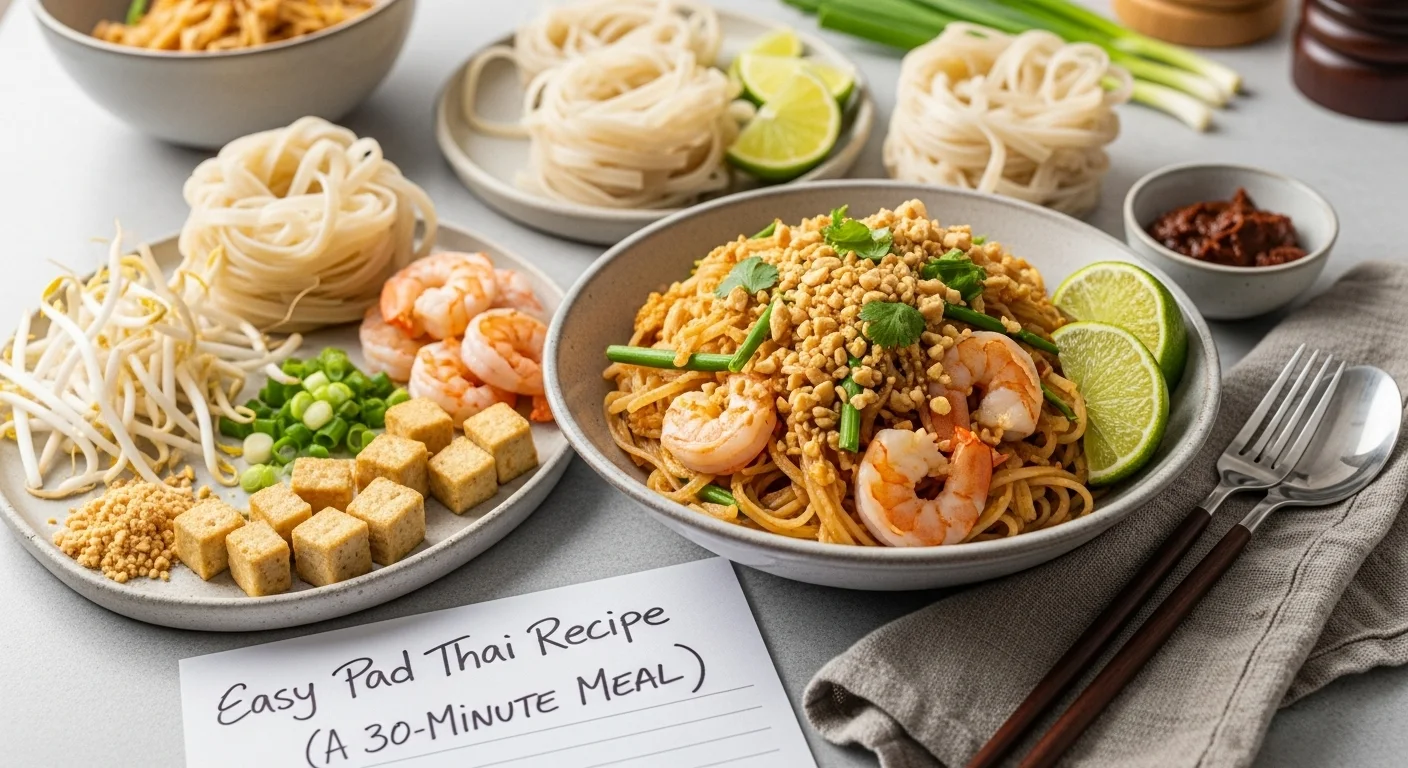
At its core, Pad Thai is made with rice noodles, protein, and a wonderful sauce that ties everything together. But what makes it truly special are the fresh ingredients. You’ll find bean sprouts, green onions, peanuts, and lime, all adding layers of flavor and texture. When I prepare Pad Thai at home, I always make sure to have these key components on hand, as they are essential for achieving that authentic taste.
Variations of Pad Thai
One of the best things about Pad Thai is its versatility. You can customize it to suit your taste or dietary preferences. I’ve experimented with various proteins, including chicken, shrimp, and even tofu for a vegetarian option. Each variation brings something unique to the table. I often like to add extra vegetables, like bell peppers or carrots, to increase the nutritional value and add more color. It’s a great way to use up whatever veggies I have on hand, and I love how creative you can get with this dish!
Essential Ingredients for an Easy Pad Thai Recipe
Now that we’ve explored what Pad Thai is and its delightful history, let’s dive into the essential ingredients that make up an easy Pad Thai recipe. Trust me; having the right components will make your cooking experience smoother and more enjoyable.
Rice Noodles
Rice noodles are the backbone of Pad Thai. They’re chewy and absorb the flavors of the sauce beautifully. When selecting rice noodles, I always look for flat, wide vermicelli noodles, as they cook evenly. They typically take only a few minutes to soak in hot water, which is super convenient. I remember the first time I made Pad Thai; I accidentally bought the wrong type of noodles and ended up with a dish that just didn’t taste right. Make sure to check the packaging!
Protein Options (Chicken, Shrimp, Tofu)
For protein, I love having options. Chicken and shrimp are classic choices, but tofu is a fantastic alternative for those who prefer a plant-based meal. If you’re using chicken, I recommend boneless, skinless thighs for their juiciness. Shrimp cooks quickly, making it a great last-minute option. I usually marinate the protein in a little soy sauce for extra flavor. When I first tried making it with tofu, I was amazed at how well it absorbed the sauce, creating a deliciously satisfying dish.
Vegetables (Bean Sprouts, Green Onions, Peanuts)
Vegetables add freshness and crunch to Pad Thai. Bean sprouts are a must-have for that crisp texture, while green onions provide a mild onion flavor. I also love adding crushed peanuts for a nutty finish. The combination of these ingredients creates a delightful contrast with the soft noodles. I often find myself snacking on the leftover peanuts while cooking; they’re just that good!
Pad Thai Sauce Components
The sauce is what truly brings Pad Thai to life. A simple mix of fish sauce, tamarind paste, sugar, and lime juice creates that perfect balance of sweet, salty, and tangy flavors. The first time I made the sauce, I was worried about getting the balance right, but I learned that adjusting the ingredients to my personal taste made a world of difference. Don’t be afraid to tweak it a bit until it feels just right for you!
Optional Add-ons and Substitutes
If you’re feeling adventurous, there are plenty of optional add-ons you can include. I’ve experimented with ingredients like bell peppers, carrots, and even scrambled eggs. Each addition changes the dish and makes it even more delicious. As for substitutes, if you can’t find tamarind paste, a mix of lime juice and brown sugar can work in a pinch. Just remember, cooking is all about experimentation, and I believe that’s where the magic happens!
30-Minute Easy Pad Thai Recipe
Now that we have all the essential ingredients lined up, let’s dive into the heart of the matter: making a delicious Pad Thai in just 30 minutes! I can’t tell you how satisfying it is to whip up this meal so quickly. It’s perfect for a busy weeknight or when you’re craving something tasty without spending hours in the kitchen.
Preparation Steps
Getting everything prepped ahead of time makes the cooking process a breeze. Here’s what I usually do:
- Soak the Rice Noodles: I start by soaking the rice noodles in hot water for about 15-20 minutes until they’re soft but not mushy. Then, I drain them and set them aside. This step is crucial, and I always check the package instructions to ensure I’m soaking them for the right amount of time.
- Chop the Vegetables: While the noodles are soaking, I chop up my vegetables. I love using bean sprouts, green onions, and whatever other veggies I have on hand. I usually slice the green onions thinly and leave the bean sprouts whole for that refreshing crunch.
- Prepare the Protein: If I’m using chicken or shrimp, I cut them into bite-sized pieces. I also marinate them with a bit of soy sauce, which adds flavor and helps them cook better.
- Mix the Sauce: I whisk together the sauce ingredients in a small bowl: fish sauce, tamarind paste, sugar, and lime juice. It’s important to taste it and adjust the balance. I love a bit more lime for that zesty kick!
Cooking Instructions
Once everything is prepped, it’s time to start cooking. Here’s how I usually go about it:
- Heat the Pan: I heat a large skillet or wok over medium-high heat. A hot pan is key to getting that perfect stir-fry texture.
- Add Oil: I add a couple of tablespoons of oil (vegetable or peanut oil works great) and let it heat up. The oil helps prevent sticking and adds flavor to the dish.
- Cook the Protein: I add my marinated protein to the hot pan, cooking it until it’s just done. If I’m using shrimp, it only takes a couple of minutes, while chicken might take a bit longer depending on the size.
- Stir in Vegetables: Next, I toss in the chopped veggies and stir-fry them for a minute or two. I aim for a vibrant mix of colors, and the aroma is simply delightful!
- Add the Noodles: Once the vegetables are slightly softened, I add the drained rice noodles to the pan. This is where the magic begins! I stir everything together, ensuring the noodles get coated in the oil and flavors.
- Pour in the Sauce: Finally, I pour the sauce over the noodles and mix it all together. I let it cook for another couple of minutes while stirring until everything is heated through and well combined. The sauce clings beautifully to the noodles, creating that signature Pad Thai look.
- Finish with Toppings: Right before serving, I sprinkle crushed peanuts and fresh bean sprouts on top for that extra crunch. I also love adding a squeeze of lime juice to brighten the flavors even more.
Serving Suggestions
Once your Pad Thai is ready, it’s time to serve! I usually plate it up and add a few extra toppings for presentation. Here are some of my favorite serving ideas:
- Fresh Lime Wedges: A squeeze of lime right before eating makes all the difference and enhances the dish’s flavors.
- Cilantro or Basil: For an aromatic touch, I often sprinkle some fresh cilantro or Thai basil on top.
- Chili Flakes: If I’m in the mood for something spicy, I add a pinch of chili flakes or a drizzle of sriracha for that extra kick.
- Serve with Egg: Sometimes, I’ll fry an egg sunny-side up and place it on top of my Pad Thai for a beautiful and delicious touch.
Now, you’re all set to enjoy a delightful plate of homemade Pad Thai! I think you’ll find that once you get the hang of it, this dish becomes a go-to in your kitchen. Let’s keep the momentum going and explore some tips for making the perfect Pad Thai!
Tips for Perfect Pad Thai
As someone who has made Pad Thai numerous times, I’ve gathered a few tips that can elevate your dish from good to absolutely fantastic. These insights come from my own experiences in the kitchen, and I believe they can help anyone looking to make the best Pad Thai possible.
Choosing the Right Noodles
Getting the noodles right is crucial for a successful Pad Thai. I’ve tried various brands and types of rice noodles, but my favorite is always the flat, wide vermicelli. They soak up the flavors perfectly and have the right texture. When you’re in the store, check the packaging for the cooking instructions. I’ve learned the hard way that not all rice noodles are created equal. Some need a longer soaking time, while others can turn mushy if left too long. It’s best to follow the instructions closely and keep an eye on them while soaking.
Balancing Flavors
Achieving that perfect balance of sweet, salty, and sour is what makes Pad Thai truly special. When I first started making this dish, I would follow recipes to the letter, but I soon discovered that I prefer a bit more lime juice and a touch less sugar. It’s all about what you enjoy! I recommend tasting your sauce as you mix it, adjusting the ingredients to suit your palate. Don’t hesitate to add a little more fish sauce or tamarind paste to amplify those flavors. Remember, cooking is personal, and your Pad Thai should reflect your taste!
Cooking Time and Techniques
Timing is everything when cooking Pad Thai. I’ve often found myself multitasking in the kitchen, and that’s when things can go awry. Start with your protein and make sure it’s cooked through before adding the veggies. I usually keep my heat on medium-high; this helps to achieve that lovely stir-fry effect without overcooking. Another tip I’ve picked up is to keep everything moving in the pan. Stir-frying requires constant attention—if you let the ingredients sit too long, they can easily burn. Trust me, a little attention goes a long way in getting those delicious caramelized bits!
Common Mistakes to Avoid
Even though I’ve been making Pad Thai for a while now, I’ve had my fair share of blunders. Here are some common mistakes I’ve learned to avoid, which could save you from a less-than-perfect dish!
Overcooking the Noodles
One of the biggest pitfalls I’ve encountered is overcooking the noodles. If you leave them soaking for too long or cook them in the pan for too long, they can turn mushy and fall apart. I always make it a point to soak them just until they’re pliable, then drain them right away. If they seem a little firm when you add them to the pan, that’s okay! They’ll continue to cook as you stir-fry, absorbing all those lovely flavors from the sauce.
Using Too Much Sauce
While the sauce is what makes Pad Thai sing, I’ve discovered that it’s easy to go overboard. I once made a batch where I poured in too much sauce, and it overwhelmed the dish. It’s far better to start with a smaller amount and add more if needed. I’ve learned to pour the sauce in gradually while tasting as I go. This way, I can ensure the flavors are balanced and not drowning in sauce.
Neglecting Fresh Ingredients
Fresh ingredients are key to a vibrant Pad Thai. I’ve noticed that when I skimp on fresh veggies or use stale peanuts, the dish lacks that delightful crunch and freshness. I always try to use the best quality ingredients I can find, especially for the toppings. Fresh bean sprouts and herbs elevate the dish and make it feel like a real treat. So, make it a habit to check your pantry and fridge before cooking, and ensure you have the freshest ingredients on hand!
Serving and Pairing Ideas
Now that you’ve mastered the art of making Pad Thai, it’s time to think about how to serve and enjoy it. From my experience, a well-plated dish can enhance the dining experience, and pairing it with the right sides or drinks can elevate your meal even further.
Best Side Dishes for Pad Thai
I love serving Pad Thai with a variety of side dishes that complement its flavors. Here are some of my favorites:
- Spring Rolls: These crispy rolls filled with veggies or shrimp pair wonderfully with Pad Thai. They add a nice crunch and are perfect for sharing!
- Cucumber Salad: A refreshing cucumber salad drizzled with a light vinaigrette helps to balance the richness of the Pad Thai. I often make one with sliced cucumbers, red onions, and a sprinkle of sesame seeds.
- Mango Salad: The sweetness of mangoes complements the savory flavors of Pad Thai beautifully. A light mango salad with lime and chili can be a delightful addition.
Recommended Beverages
When it comes to beverages, I find that the right drink can really enhance the meal. Here are my go-to choices:
- Thai Iced Tea: This sweet and creamy tea is a classic pairing with Thai dishes. Its flavors match perfectly with the spices in Pad Thai.
- Beer: A light lager or a pale ale complements the flavors well without overshadowing them. I often opt for something refreshing!
- Sparkling Water: Sometimes, I just want something simple. Sparkling water with a slice of lime is a great palate cleanser that keeps the meal feeling light.
Storage and Reheating Tips
After enjoying a delightful serving of Pad Thai, you might find yourself with some delicious leftovers. I’ve learned a few storage and reheating tips that ensure you can savor that amazing flavor again without compromising quality. Trust me, there are ways to keep your Pad Thai tasting as fresh as when it was first made!
How to Store Leftovers
The key to storing Pad Thai is to keep it in an airtight container. I usually let it cool down to room temperature before transferring it to the container. This way, moisture doesn’t build up, which can make the noodles soggy. I often separate the protein from the noodles if I have any leftover, as this helps keep everything fresh. If you have extra veggies or toppings, I suggest storing those separately as well, so they maintain their crunch.
Pad Thai can last in the refrigerator for about 3 to 4 days. I’ve found that labeling the container with the date helps me keep track of how long it’s been stored. If I know I won’t eat it within that timeframe, I sometimes freeze it. While it’s not my absolute favorite option, freezing can work in a pinch. Just make sure to use a freezer-safe container, and it should be good for a month.
Reheating Methods
When it comes to reheating Pad Thai, I prefer using the stovetop to maintain its texture. I’ll add a splash of water or a bit of oil to the pan to keep the noodles from sticking together. Heating it over medium-low heat, I stir occasionally until it’s warmed through. This method prevents the noodles from getting mushy, unlike microwaving, which I find can sometimes lead to uneven heating.
If I’m in a hurry, I might use the microwave, but I’ll cover it with a damp paper towel to help retain moisture. I usually heat it in short intervals, stirring in between until it’s hot enough. The stovetop definitely gives better results, but sometimes convenience wins!
Frequently Asked Questions (FAQs)
Can I make Pad Thai Vegetarian?
Absolutely! I’ve made vegetarian Pad Thai several times, and it’s just as delicious. Instead of chicken or shrimp, I use tofu or even tempeh for protein. I also make sure to use a vegetarian-friendly sauce, swapping out fish sauce for soy sauce or a vegan fish sauce alternative. Just like the traditional recipe, you can load it up with all your favorite veggies!
What is the best way to customize Pad Thai?
Customization is one of the joys of making Pad Thai! I love to experiment with different proteins and vegetables based on what I have at home. Some of my favorite additions include bell peppers, carrots, and even a fried egg on top. You can also play around with the sauce ingredients to find your perfect balance of sweet, salty, and tangy. Don’t hesitate to get creative!
Is Pad Thai gluten-free?
Traditionally, Pad Thai is gluten-free, as rice noodles are used. However, you need to be cautious with the sauce. Most commercial fish sauces are gluten-free, but it’s always best to check the label, especially if you’re using soy sauce, which typically contains gluten. I recommend looking for gluten-free soy sauce or tamari if you want to ensure your dish is entirely gluten-free.
Final Thoughts
Making Pad Thai has been such a rewarding experience for me. Every time I whip up this dish, I’m reminded of the beautiful flavors and the sense of comfort it brings. Whether you’re enjoying it for a quick weeknight dinner or impressing guests with your culinary skills, I believe that Pad Thai never disappoints. I hope that by sharing my tips, tricks, and experiences, you feel inspired to create your own version of this classic dish. Remember, cooking is a journey, and each time you make Pad Thai, you’re adding your personal touch to something truly special. Enjoy every bite!
Frequently Asked Questions
What is Pad Thai?
Pad Thai is a famous stir-fried noodle dish from Thailand, known for its combination of savory and slightly sweet flavors, along with a satisfying crunch from fresh ingredients. It’s considered comfort food and offers a delightful culinary experience.
What are the key ingredients in Pad Thai?
The core ingredients of Pad Thai include rice noodles, a protein (such as chicken, shrimp, or tofu), and a sauce made of fish sauce, tamarind paste, sugar, and lime juice. Fresh ingredients like bean sprouts, green onions, peanuts, and lime are also essential for achieving an authentic taste.
Can Pad Thai be made vegetarian?
Yes, Pad Thai can easily be made vegetarian by using tofu or tempeh as the protein instead of meat. It’s also important to use a vegetarian-friendly sauce, such as soy sauce or a vegan fish sauce alternative.
How long does it take to make Pad Thai?
Pad Thai can be prepared in just 30 minutes, making it a quick and satisfying meal option for busy weeknights.
What type of noodles should be used for Pad Thai?
For Pad Thai, flat, wide vermicelli rice noodles are recommended as they cook evenly and absorb the sauce flavors beautifully. It’s crucial to check the packaging for cooking instructions to avoid overcooking.
What optional ingredients can be added to Pad Thai?
You can customize Pad Thai with various optional ingredients, such as bell peppers, carrots, scrambled eggs, or additional vegetables. These add unique flavors and nutritional value to the dish.
What are some common mistakes to avoid when making Pad Thai?
Common mistakes include overcooking the noodles, using too much sauce, and neglecting fresh ingredients. It’s important to soak the noodles just until they are pliable, start with a small amount of sauce, and use fresh vegetables and toppings for the best results.
What are the best side dishes to serve with Pad Thai?
Some great side dishes to serve with Pad Thai include spring rolls for a crunchy texture, cucumber salad for a refreshing balance, and mango salad to complement the savory flavors of the dish. Read Interesting article: Best Thai appetizers recipes
What beverages pair well with Pad Thai?
Recommended beverages to pair with Pad Thai include Thai iced tea for its sweetness, light lagers or pale ales for a refreshing complement, and sparkling water with lime for a simple palate cleanser.
How should leftovers of Pad Thai be stored and reheated?
Leftover Pad Thai should be stored in an airtight container in the refrigerator for about 3 to 4 days. For reheating, the stovetop method is preferred to maintain texture, while the microwave can be used with caution by covering it with a damp paper towel.