
If you’re looking for a meal that’s both simple and delicious, you’re in the right place! This easy pork tenderloin recipe guarantees juicy and tender results every time, making it a perfect choice for family dinners or special occasions. Read Interesting article: 25 Essential French Recipes You Need to Master
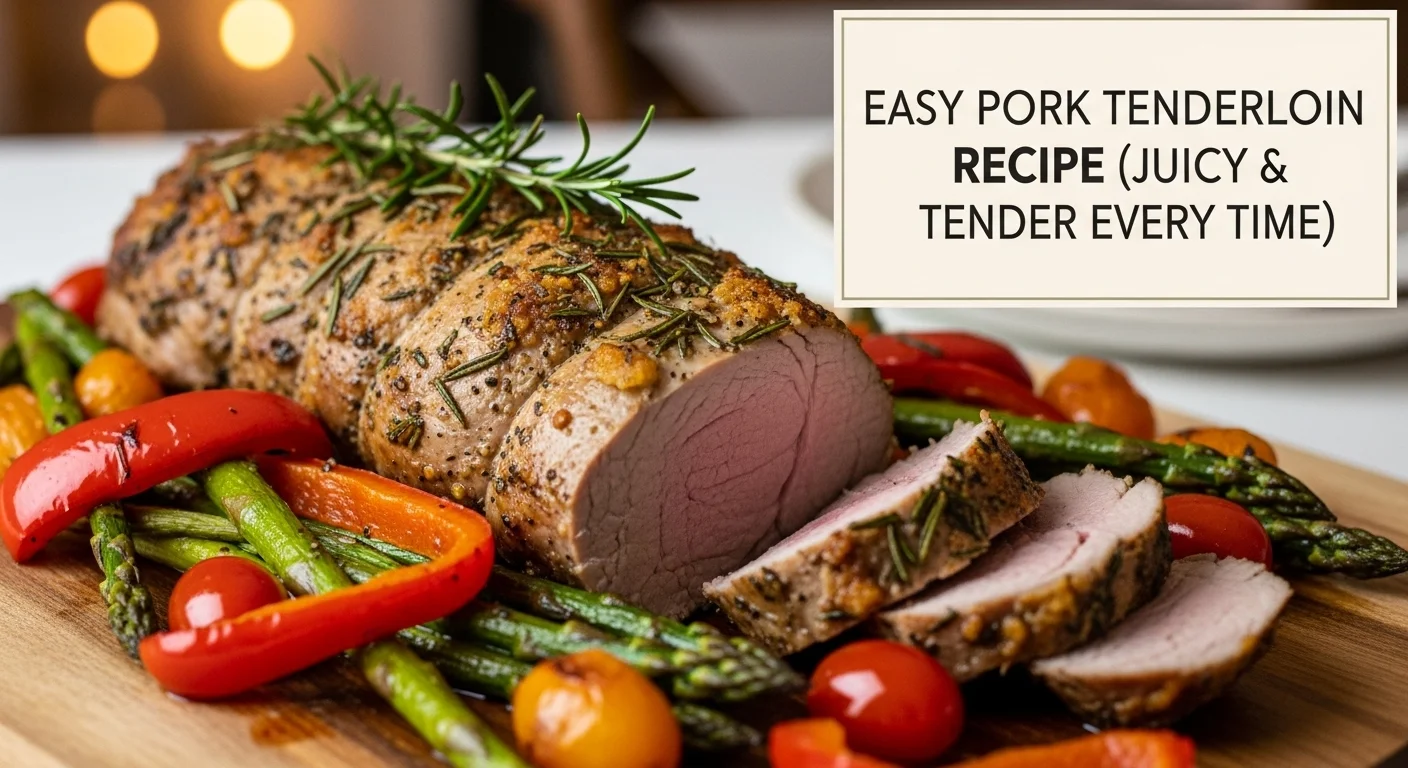
Understanding Pork Tenderloin
What is Pork Tenderloin?
Pork tenderloin is a long, narrow cut of meat that comes from the muscle that runs alongside the spine of the pig. It’s known for its mild flavor and tenderness, which makes it a favorite among meat lovers. Unlike some other cuts of pork, tenderloin is very lean, which means it can dry out if not cooked properly. However, when treated right, it can be incredibly juicy and flavorful. I remember the first time I cooked a pork tenderloin; I was amazed at how easily it could transform into a restaurant-quality meal with just a few simple steps.
Why Choose Pork Tenderloin for Your Meals?
One of the main reasons I love cooking with pork tenderloin is its versatility. It absorbs flavors beautifully, whether you’re using a marinade, rub, or sauce. Plus, it cooks relatively quickly compared to larger cuts of meat, making it perfect for busy weeknights. Pork tenderloin can be grilled, roasted, or even slow-cooked, allowing for endless culinary creativity. In my experience, it’s also a crowd-pleaser—everyone seems to love it, and it pairs well with a variety of side dishes. Read Interesting article: Quick Beef Stroganoff (A Classic Comfort Food)
Nutritional Benefits of Pork Tenderloin
Pork tenderloin is not only delicious but also packed with nutritional benefits. It’s a great source of protein, which is essential for building and repairing tissues in our bodies. A 3-ounce serving of pork tenderloin contains about 22 grams of protein and is relatively low in calories—around 120 calories, depending on how it’s prepared. Additionally, pork tenderloin provides important vitamins and minerals, such as B vitamins (especially B6 and B12), zinc, and iron. I always feel good about serving it to my family knowing it’s nutritious and satisfying.
Essential Ingredients for a Juicy Pork Tenderloin
Main Ingredients
When it comes to making an easy pork tenderloin, the ingredients you choose can make all the difference. For a basic yet flavorful dish, I recommend using:
- 1-2 pounds of pork tenderloin
- Olive oil (or any cooking oil of your choice)
- Salt and pepper
These three ingredients form the foundation. From here, you can get creative with seasonings and marinades to elevate the flavors. I’ve experimented with different combinations, and I’ve found that even a simple oil and seasoning blend can yield mouthwatering results.
Recommended Seasonings and Marinades
Seasoning can transform an ordinary pork tenderloin into something extraordinary. Some of my favorite seasonings include garlic powder, onion powder, paprika, and herbs like rosemary or thyme. For a quick marinade, I often mix soy sauce, honey, and minced garlic, which adds a nice sweetness and depth. I remember one time I left the tenderloin to marinate overnight, and it turned out to be one of the best meals I’ve ever made! Experimenting with flavors is half the fun of cooking.
Side Dishes to Pair with Pork Tenderloin
Pork tenderloin pairs beautifully with a variety of side dishes. I love serving it with roasted vegetables, like Brussels sprouts or carrots, because they complement the meat so well. Mashed potatoes or a creamy risotto are also fantastic options that balance the flavors. In the warmer months, a fresh salad with vinaigrette can provide a nice contrast to the richness of the pork. I often ask my family what they want on the side, and we mix and match based on our mood and the season. Read Interesting article: Simple Chicken Marsala (Restaurant-Quality At Home)
Preparation Steps for Easy Pork Tenderloin Recipe
Choosing the Right Pork Tenderloin
When selecting pork tenderloin, I always look for a cut that is pinkish-red, with a bit of marbling throughout. Avoid any with a grayish hue or excessive fat. The size can vary, but I find that 1 to 2 pounds is usually ideal for a family meal. If you see tenderloin at your local butcher or grocery store, don’t hesitate to ask for recommendations. They can often help you find the best cut available.
Marinating the Pork Tenderloin
Marinating is one of those steps that can truly enhance the flavor of pork tenderloin. I usually allow it to marinate for at least 30 minutes, but if I have time, an hour or even overnight is best. I’ve found that the longer it marinates, the more flavorful it becomes. After marinating, be sure to pat the tenderloin dry with paper towels to help achieve a nice sear when cooking.
Preparing Equipment and Cooking Tools
Before cooking, I make sure I have all my tools ready. A good quality skillet or roasting pan is essential. I also keep a meat thermometer handy to check the internal temperature as it cooks. If you’re grilling, having a nice set of tongs and a grill brush can make the process smoother. I remember the first time I grilled pork tenderloin; I had to run back and forth to grab tools, which made the experience a bit hectic. Now, I always prepare everything in advance!
Cooking Methods for Pork Tenderloin
Oven Roasting
Oven roasting is one of my favorite methods for cooking pork tenderloin. It’s straightforward and yields fantastic results. Preheating the oven to 400°F (200°C) is essential for getting that nice caramelization on the outside. I usually place the marinated tenderloin in a roasting pan, drizzle it with a little olive oil, and season it with salt and pepper. I love to add some fresh herbs on top for an aromatic touch. Roasting typically takes about 20-25 minutes, but I always recommend using a meat thermometer to check that it reaches an internal temperature of 145°F (63°C). The smell that fills my kitchen while it’s roasting is just heavenly!
Grilling
Grilling pork tenderloin can impart a smoky flavor that’s hard to beat. I adore the charred bits that form on the grill, adding to the dish’s overall appeal. When grilling, I usually preheat my grill to medium-high heat, sear the tenderloin for about 4-5 minutes on each side, and then move it to a cooler side of the grill to finish cooking indirectly. This method helps keep the meat juicy. I often use a marinade that includes soy sauce and ginger, which gets wonderfully caramelized during grilling. Just make sure to keep an eye on it to prevent overcooking!
Slow Cooking
If I’m looking for a hands-off approach, slow cooking is my go-to method. I love the way the flavors meld together when I let the pork tenderloin cook slowly. I simply place the seasoned tenderloin in the slow cooker with some broth, onions, and any vegetables I have on hand. Setting it on low for about 6-8 hours gives me tender, pull-apart pork that’s perfect for sandwiches or served with rice. The best part? I can set it and forget it, which is a lifesaver on busy days!
Instant Pot Method
The Instant Pot has become a staple in my kitchen, especially for cooking pork tenderloin. It’s quick and efficient, and I love how tender the meat turns out. I usually start by searing the pork in the pot to get that rich flavor. Then, I add some broth and my favorite seasonings, seal the lid, and set it to cook for about 5-7 minutes under high pressure. The quick release method helps keep the meat moist, and I’m often left with a delicious sauce that’s perfect for drizzling on top. It’s amazing how this method can save me time without sacrificing flavor!
Cooking Times and Temperatures
Ideal Cooking Temperature for Pork Tenderloin
When it comes to cooking pork tenderloin, I’ve learned that the ideal internal temperature is 145°F (63°C). This temperature will ensure that the meat is juicy and safe to eat. I always find it helpful to use a meat thermometer to get an accurate reading, especially since I don’t want to risk overcooking it. If you take it out of the oven or off the grill at this temperature, it will continue to cook a bit while resting, which is crucial for keeping it tender.
How to Know When Pork Tenderloin is Done
Besides using a thermometer, there are a few other indicators I look for when determining if my pork tenderloin is done. First, the meat should be firm to the touch but still give a little. I also check for a slight color change; the outside should have a golden-brown hue, while the inside remains a light pink. If you cut into it and the juices run clear, that’s another sign it’s ready. I’ve made the mistake of cutting into it too soon before, and I learned the hard way that this can let all those delicious juices escape!
Tips for Achieving Juicy and Tender Results
Resting the Meat After Cooking
Resting the pork tenderloin is a crucial step that I never skip. After removing it from the heat, I let it rest for about 5-10 minutes. This allows the juices to redistribute throughout the meat, keeping it moist and flavorful. I’ve noticed that cutting into it right away can lead to a dry result, so I’ve made it a habit to be patient during this time. This small waiting period makes a significant difference in the final dish!
How to Slice Pork Tenderloin Properly
When it’s time to slice the pork tenderloin, I always remember to cut against the grain. This technique helps ensure that each piece is tender. I like to make my slices about ½ inch thick, allowing them to hold their shape while still being easy to chew. I find that presenting the pork in nice, even slices makes the dish look more appealing too—after all, we eat with our eyes first!
Common Mistakes to Avoid
Overcooking is the most common mistake I’ve made and one that I’ve seen many others do as well. Because pork tenderloin is so lean, it’s easy to dry it out if you cook it too long. Additionally, not allowing it to rest after cooking can lead to disappointing results. I’ve also learned that skipping the seasoning or marinade can make for a bland meal, so I always take the time to enhance the flavors. Paying attention to these details has turned my pork tenderloin dinners from average to spectacular!
Variations on the Easy Pork Tenderloin Recipe
Asian-Inspired Marinades
One of the exciting things about cooking pork tenderloin is how easily it adapts to different cuisines. I love experimenting with Asian-inspired marinades that infuse the meat with vibrant flavors. A simple marinade I often use includes soy sauce, sesame oil, minced ginger, and a splash of rice vinegar. The combination creates a sweet and savory profile that’s hard to resist. When I marinated the tenderloin in this mixture for a few hours, the result was a beautifully rich taste that transported me straight to my favorite Asian bistro. I recommend serving it with a side of stir-fried vegetables or jasmine rice to complete the meal.
Herb and Garlic Variations
For those who enjoy fresh, aromatic flavors, herb and garlic variations are a go-to for me. I typically mix minced garlic, fresh herbs like rosemary, thyme, and parsley, along with olive oil and lemon juice for a bright and zesty marinade. It’s amazing how much flavor these simple ingredients can add! Once, I had guests over, and I used this herb blend; everyone raved about how fragrant and delicious the pork was. It pairs wonderfully with roasted potatoes or a light salad, making it an excellent choice for entertaining.
Sweet and Spicy Options
If you want to spice things up a bit, I suggest trying sweet and spicy options. One of my favorites is a marinade that combines honey, sriracha, and lime juice. The sweetness from the honey balances perfectly with the heat from the sriracha, and it creates a beautiful glaze when cooked. I remember the first time I made this version; the sticky glaze made it irresistible! I served it with cilantro-lime rice and a refreshing cucumber salad, and it was a hit. This combination is perfect for those who love a little kick in their meals!
Serving Suggestions and Presentation Tips
Plating Your Pork Tenderloin
Presentation is something I’ve come to appreciate more over the years. When it comes to plating your pork tenderloin, I like to arrange the sliced meat on a large platter, overlapping the pieces slightly to create height and interest. I often drizzle a bit of the cooking juices or sauce over the top to keep it looking appetizing. Adding a sprinkle of freshly chopped herbs not only enhances the flavor but also adds a pop of color that makes the dish visually appealing. It’s amazing how a little attention to detail can elevate a simple meal!
Complementary Sauces and Gravies
Adding a complementary sauce or gravy can take your pork tenderloin to the next level. I love making a quick pan sauce by deglazing the skillet with a splash of broth or wine after cooking the pork. Scraping up those browned bits adds an incredible depth of flavor. My go-to sauce often includes mustard, cream, and a touch of honey for sweetness. It’s rich, creamy, and pairs perfectly with the tender meat. I usually set the sauce alongside the pork when serving, allowing everyone to adjust the amount to their liking.
Choosing the Right Wine Pairing
I’ve learned that a good wine can enhance a meal, and choosing the right pairing with pork tenderloin is no exception. A medium-bodied red wine, like Pinot Noir, complements the flavors beautifully. For white wine lovers, a crisp Chardonnay also works well, especially if you’ve added creamy sauces. I remember hosting a dinner party where I served a lovely Pinot Noir with herb-marinated pork tenderloin, and the pairing was a fantastic success. It’s all about finding what works for your palate, so don’t hesitate to explore different options!
Storing and Reheating Leftover Pork Tenderloin
How to Properly Store Leftovers
Let’s face it—sometimes, we cook a little more than we need. I always make sure to store leftovers properly to maintain their flavor and texture. Once the pork tenderloin has cooled, I slice it and place it in an airtight container. I usually layer parchment paper between the slices to prevent them from sticking together. It’s essential to refrigerate leftovers within two hours of cooking to keep everything safe. I’ve found that properly stored, leftover pork tenderloin can last about 3-4 days in the fridge, making it great for meal prep!
Best Ways to Reheat Without Drying Out
Reheating can be tricky, especially with lean cuts like pork tenderloin. I’ve learned that the best way to warm it up without losing moisture is to use low heat. I typically preheat my oven to about 250°F (120°C) and place the sliced pork in a baking dish with a splash of broth or water. Covering it with foil helps keep the moisture in. After about 10-15 minutes, it’s usually warmed through and ready to enjoy again. For smaller portions, a quick reheat in the microwave works too, but I always cover it to prevent it from drying out!
FAQs About Pork Tenderloin
Can I use a different cut of pork?
Absolutely! While pork tenderloin is my favorite for its tenderness, you can use other cuts like pork loin or pork chops. Just be aware that cooking times and methods may vary, so adjusting accordingly is key.
What is the best way to season pork tenderloin?
The best way to season pork tenderloin depends on your taste preferences. A simple blend of salt, pepper, and garlic can go a long way, but don’t hesitate to get creative with marinades, herbs, and spices!
How long does leftover pork tenderloin last?
When stored properly in an airtight container, leftover pork tenderloin can last about 3-4 days in the refrigerator. I always recommend checking for any off smells or texture changes before consuming!
Frequently Asked Questions
What is pork tenderloin?
Pork tenderloin is a long, narrow cut of meat that comes from the muscle running alongside the spine of the pig. It is known for its mild flavor and tenderness, making it a favorite among meat lovers.
Why should I choose pork tenderloin for my meals?
Pork tenderloin is versatile, absorbs flavors well, and cooks quickly compared to larger cuts of meat. It can be grilled, roasted, or slow-cooked, making it perfect for busy weeknights and a crowd-pleaser for family dinners.
What are the nutritional benefits of pork tenderloin?
Pork tenderloin is a great source of protein, containing about 22 grams per 3-ounce serving. It is relatively low in calories—around 120 calories— and provides important vitamins and minerals such as B vitamins, zinc, and iron.
What are the main ingredients needed for a basic pork tenderloin recipe?
The essential ingredients for a basic pork tenderloin recipe include 1-2 pounds of pork tenderloin, olive oil (or any cooking oil of your choice), salt, and pepper. From there, you can add various seasonings and marinades to enhance the flavor.
What is the ideal cooking temperature for pork tenderloin?
The ideal internal temperature for cooking pork tenderloin is 145°F (63°C), which ensures that the meat is juicy and safe to eat.
How do I know when pork tenderloin is done cooking?
In addition to using a meat thermometer, you can check if the pork tenderloin is done by ensuring it feels firm to the touch, has a golden-brown exterior, and the juices run clear when cut into.
What is the best way to store leftover pork tenderloin?
To properly store leftover pork tenderloin, slice it and place it in an airtight container, layering parchment paper between the slices to prevent them from sticking together. Refrigerate within two hours of cooking, and it can last about 3-4 days.
What is the best method for reheating pork tenderloin without drying it out?
The best way to reheat pork tenderloin without losing moisture is to use low heat. Preheat your oven to 250°F (120°C), place the sliced pork in a baking dish with a splash of broth or water, cover it with foil, and heat for about 10-15 minutes.
Can I use a different cut of pork instead of tenderloin?
Yes, you can use other cuts like pork loin or pork chops, but be aware that cooking times and methods may vary, so adjustments will be necessary.
What are some recommended seasonings for pork tenderloin?
Some popular seasonings for pork tenderloin include garlic powder, onion powder, paprika, and fresh herbs like rosemary or thyme. Marinades with ingredients like soy sauce, honey, and minced garlic can also enhance the flavor.