
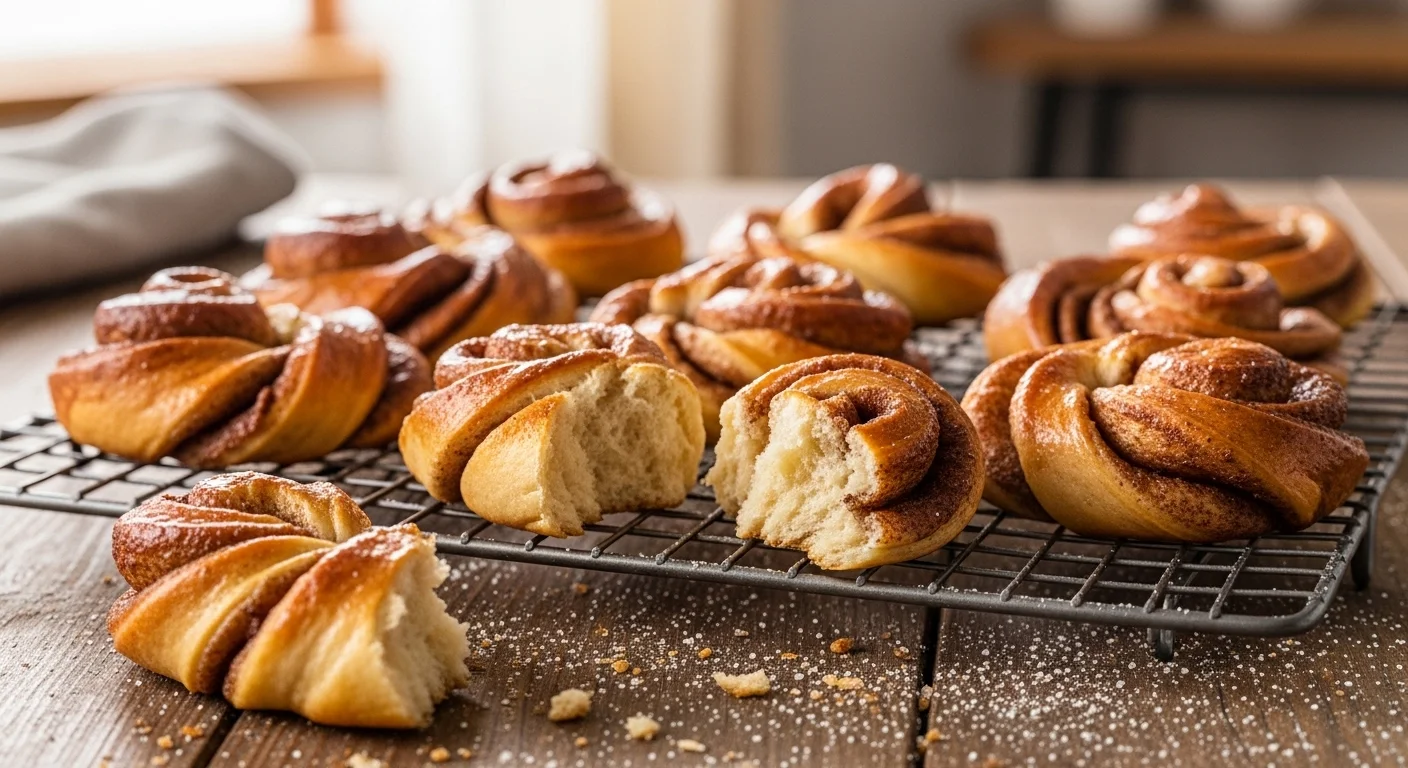
If you’re looking for a delightful way to use your sourdough discard, these cinnamon twists are a perfect choice! They are easy to make, deliciously sweet, and a fantastic treat for any time of day. Read Interesting article: The Best Sourdough Discard Coffee Cake (A Streusel Dream)
Understanding Sourdough Discard
What is Sourdough Discard?
Sourdough discard is the portion of sourdough starter that we remove during the feeding process. When I first started baking sourdough, I was surprised to learn that not all of the starter is used. After feeding my starter, I would often have a good amount left over. Initially, it felt wasteful to toss this mix of flour and water, but that’s when I discovered its potential in various recipes. This “discard” is still alive with yeast and can be used in countless baked goods, adding a unique flavor and texture. I’ve even used it in dishes like This TikTok Cabbage Stir-Fry Bowl Has Insane Flavor.
Benefits of Using Sourdough Discard
One of the best things about using sourdough discard is that it allows me to incorporate a bit of tangy flavor into recipes without the need for additional yeast. This is particularly helpful when I’m short on baking ingredients or time. Additionally, using sourdough discard is a fantastic way to reduce food waste. Instead of throwing away my starter, I’m able to whip up delicious treats. The discard also adds moisture to baked goods, making them soft and fluffy. I’ve found that recipes using sourdough discard often have a depth of flavor that’s hard to achieve otherwise.
How to Store Sourdough Discard
Storing sourdough discard is simple. I usually keep it in an airtight container in the refrigerator, where it can last for about a week or two. If I know I won’t be using it right away, I’ve learned that freezing it is a great option. I just pour it into a freezer-safe bag or container, label it with the date, and tuck it away. When I’m ready to use it, I just pull it out and let it thaw in the fridge overnight. This way, I always have some on hand for when the baking mood strikes!
Essential Ingredients for Cinnamon Twists
Basic Ingredients Overview
Making these cinnamon twists is a fun and rewarding process that requires just a few basic ingredients. The main components include sourdough discard, flour, sugar, butter, and cinnamon. I always start with about 1 cup of sourdough discard as the base. For me, the combination of all-purpose flour and whole wheat flour gives a lovely texture. The sugar adds sweetness, while cinnamon is essential for that classic flavor. I also make sure to have a little salt in there to balance everything out.
Importance of Quality Ingredients
I’ve noticed that the quality of the ingredients can make a significant difference in the final product. Using fresh spices, for instance, can elevate the taste of the cinnamon twists. I remember the first time I used freshly ground cinnamon instead of the store-bought stuff; the aroma was intoxicating! I also recommend using unsalted butter to control the saltiness in your dough, allowing you to adjust it perfectly to your liking.
Common Substitutions
Life happens, and sometimes we don’t have everything on hand. I’ve found a few substitutions that work well if I’m missing an ingredient. For instance, if I don’t have butter, coconut oil or even applesauce can work in a pinch, though they might change the flavor and texture slightly. For those who want to reduce sugar, honey or maple syrup can be great alternatives. And if you’re looking to make these twists dairy-free, almond or oat milk is a good choice instead of regular milk.
Step-by-Step Recipe for Easy Sourdough Discard Cinnamon Twists
Preparation Time and Yield
This recipe is a breeze and can usually be done in about 1.5 hours, including resting and baking time. Depending on how thick you twist them, this batch typically yields around 12 delicious cinnamon twists, perfect for sharing with friends or saving for later.
Tools Needed
Before diving into the baking process, I like to gather my tools. You’ll need a mixing bowl, a rolling pin, a baking sheet, and parchment paper. A pastry brush is handy for brushing on butter, and a sharp knife or pizza cutter is perfect for slicing the dough into strips. Having everything ready makes the steps much smoother and more enjoyable!
Step 1: Preparing the Dough
To start, I mix my sourdough discard with flour, sugar, salt, and melted butter in a large bowl. I’ve learned that mixing by hand gives me a better feel for the dough. Once everything is combined and there are no dry spots, I knead it gently on a floured surface until it’s smooth and elastic. This usually takes me about 5 minutes. I then cover the dough with a clean towel and let it rest for 30 minutes to an hour. This resting period is crucial as it allows the gluten to relax, making it easier to roll out later.
Step 2: Making the Cinnamon Filling
While the dough is resting, I prepare my cinnamon filling. I melt some butter and mix it with sugar and cinnamon in a small bowl. The smell of this mixture is absolutely heavenly! I’ve found that using a good ratio of cinnamon to sugar really enhances the flavor, so I typically go for a 1:2 ratio. This filling will add that delightful sweetness and warmth to the twists.
Step 3: Shaping the Twists
After the dough has rested, I roll it out into a rectangle about 1/4 inch thick. I spread the cinnamon filling evenly across the surface, making sure to cover every corner. Then comes the fun part: I cut the dough into strips and twist each one. I tend to make about 8-10 twists per strip, but you can adjust based on how thick you want them. The twisting process is surprisingly relaxing for me, and I love watching them take shape!
Step 4: Baking Instructions
Finally, I place the twisted dough pieces on a lined baking sheet and let them rise for another 15-20 minutes. While they’re rising, I preheat my oven to 375°F. Once they’ve puffed up a bit, I pop them in the oven and bake for about 15-20 minutes or until they’re golden brown. The aroma that fills my kitchen during baking is simply irresistible! I always keep an eye on them towards the end to ensure they don’t over-bake.
Serving Suggestions and Pairings
Best Drinks to Accompany Cinnamon Twists
When it comes to pairing drinks with my cinnamon twists, I love to get a bit creative. A cup of freshly brewed coffee is my go-to choice; the rich, bold flavors complement the sweetness of the twists perfectly. I remember one Sunday morning enjoying these twists with a frothy cappuccino, and it felt like a little piece of heaven. If you’re in the mood for something a little different, a spiced chai tea can also elevate the experience, bringing out those warm cinnamon notes even more. For a non-caffeinated option, a glass of cold milk or a refreshing herbal tea can be delightful too. Whichever drink you choose, I think it enhances the whole experience of enjoying these treats!
Serving with Glaze or Frosting
Sometimes, I like to take my cinnamon twists to the next level with a simple glaze or frosting. A light vanilla glaze is easy to whip up—just mix powdered sugar with a splash of milk and a dash of vanilla extract. Drizzling this over the warm twists adds a lovely sweetness and makes them look incredibly tempting. I’ve also tried a cream cheese frosting, which is a bit richer and adds a delightful tang. Just be careful not to overpower the cinnamon flavor; a light hand when applying the frosting is key. I love serving them warm straight from the oven, with the glaze slightly melting into the twists. It’s such a treat!
Storing Leftovers
If you find yourself with leftover cinnamon twists (which is a rarity in my house!), storing them properly is essential. I usually let them cool completely before placing them in an airtight container. They can last for about two to three days at room temperature, but I’ve found that they tend to dry out a bit. If you want to keep them fresh for longer, I recommend wrapping them tightly in plastic wrap and storing them in the fridge. When I’m ready to enjoy them again, I simply pop them in the microwave for a few seconds or warm them in the oven. I’ve found that this helps restore some of that lovely softness!
Variations on Cinnamon Twists
Adding Nuts or Dried Fruits
One of the best parts of baking is experimenting, and I love to mix things up with my cinnamon twists! Adding chopped nuts like pecans or walnuts gives an extra crunch and a lovely nutty flavor. I’ve tried tossing in some chopped apples or dried fruits like raisins and cranberries, and it adds a delightful sweetness and texture. The combination of flavors makes each bite exciting, and it’s a great way to use up what I have in my pantry. I remember one time, I added some pecans, and it transformed the twists into a whole new experience—so delicious! Read Interesting article: This Viral Low-Cal Pasta Trick Actually Works
Exploring Different Spices
Cinnamon is fantastic, but I’ve discovered that trying different spices can lead to some wonderful variations. Nutmeg and cardamom are two spices that I really enjoy pairing with cinnamon. They add a warm, aromatic quality that complements the traditional flavor beautifully. I also like mixing in a bit of ginger for a subtle zing. My friends and family have loved these spicy twists, and it’s always fun to hear their reactions. I encourage you to play around with different spice combinations until you find your perfect blend!
Gluten-Free Options
For those of us who are gluten-sensitive, I’ve learned that it’s possible to create a gluten-free version of these cinnamon twists. Using a good quality gluten-free all-purpose flour can work wonders. I’ve had success with blends that contain a mix of rice flour, tapioca flour, and almond flour. The key is to ensure you have the right balance of ingredients so that the texture remains light and fluffy. I also recommend adding a bit of xanthan gum if it’s not already included in your flour blend, as this helps mimic the elasticity of gluten. Making gluten-free cinnamon twists has been a rewarding challenge, and they taste great too!
Common Questions About Sourdough Discard Cinnamon Twists
Can I Freeze Cinnamon Twists?
Absolutely! I’ve frozen these cinnamon twists many times, and they hold up really well. After baking, I let them cool completely, then wrap them tightly in plastic wrap and place them in a freezer-safe bag. When I’m ready to enjoy them again, I just pull them out and let them thaw at room temperature. If I want that freshly baked taste, I pop them in the oven for a few minutes to warm them up. It’s like having a ready-made treat on hand whenever the craving hits!
How Long Do They Last?
Generally, when stored properly, these cinnamon twists can last about two to three days at room temperature. If you’ve stored them in the fridge, they may last a bit longer, although I usually find they’re gone well before then! If you want to keep them even longer, freezing is the best option. I’ve kept them in the freezer for up to a month, and they still taste delightful after thawing.
What to Do with Extra Sourdough Discard?
Having extra sourdough discard can feel overwhelming at times, but I’ve found so many creative ways to use it! Besides the cinnamon twists, I’ve made pancakes, waffles, and even pizza dough with my discard. It’s a great addition to muffins and quick breads too. I love experimenting with different recipes, and I often discover new favorites. If you’re ever unsure about what to do with leftover discard, a quick search online will reveal a treasure trove of ideas!
Troubleshooting Common Issues
Dough Too Sticky or Dry
There have been times when my dough didn’t turn out quite right, and I’ve learned some tips to troubleshoot these issues. If the dough is too sticky, I usually sprinkle in a bit more flour, a tablespoon at a time, until it reaches a better consistency. On the flip side, if the dough is too dry, a splash of milk or a little melted butter can help bring it back together. I’ve found that adjusting the moisture levels can make a world of difference!
Twists Not Rising Properly
Sometimes my twists don’t rise as much as I expect, and it can be a bit disheartening. If this happens, I’ve realized that checking the freshness of my sourdough discard is important. If it’s been in the fridge for a while, it might not be as active as fresh discard. Making sure to let the dough rise in a warm, draft-free spot can also help. I usually place mine in the oven with just the light on; it creates a cozy environment for rising!
Flavor Adjustments
If I ever find that my twists lack the flavor punch I’m after, I’ve learned to try adjusting the sugar or spices. Adding a little extra cinnamon or a pinch of nutmeg can make a big difference. I also enjoy experimenting with different sugars, like brown sugar or coconut sugar, which can add depth and complexity. It’s all about finding the right balance that suits my taste!
Frequently Asked Questions
“`htmlWhat is sourdough discard?
Sourdough discard is the portion of sourdough starter that is removed during the feeding process. It is still alive with yeast and can be used in various recipes, adding unique flavor and texture.
How can I store sourdough discard?
Sourdough discard can be stored in an airtight container in the refrigerator for about a week or two. If not used immediately, it can be frozen in a freezer-safe bag or container. When ready to use, it should be thawed in the fridge overnight.
What ingredients are needed to make cinnamon twists?
The essential ingredients for cinnamon twists include sourdough discard, flour, sugar, butter, cinnamon, and salt. A combination of all-purpose flour and whole wheat flour is recommended for texture.
How long does it take to make cinnamon twists?
The preparation and baking time for cinnamon twists is about 1.5 hours, which includes resting and baking time.
Can I freeze cinnamon twists?
Yes, freezing cinnamon twists is one of my favorite tricks to have a sweet treat ready at a moment’s notice. After I’ve baked them, I let them cool completely, which is crucial to prevent moisture buildup. I wrap each twist tightly in plastic wrap, then place them in a freezer-safe bag to protect them from freezer burn. When the craving strikes, I simply take them out and let them thaw at room temperature. If I want that fresh-from-the-oven taste, I pop them in the oven for a few minutes. The warmth brings back that lovely softness, and it’s like having a fresh batch of cinnamon twists waiting for me whenever I want!
How long do cinnamon twists last?
When stored properly, these cinnamon twists can last around two to three days at room temperature. I typically keep mine in an airtight container, but I’ve found they rarely last that long in my house—everyone loves them! If I ever manage to have leftovers, I’ll store them in the fridge, where they might last a bit longer, though they can dry out a little. If you’re looking to extend their shelf life even further, freezing is always the best option. I’ve kept them in the freezer for up to a month, and they still taste delightful when thawed and warmed up. There’s something wonderful about knowing I have a stash of homemade treats waiting for me!
What can I do with extra sourdough discard?
Extra sourdough discard can feel like a challenge sometimes, but I’ve found so many ways to use it creatively! Besides these cinnamon twists, I’ve made pancakes that are fluffy and slightly tangy, and I’ve crafted waffles that have a delightful crispness. I also enjoy using it in muffins and quick breads; it adds moisture and flavor that’s hard to resist. One of my favorite discoveries was using discard in pizza dough—who knew it could create such a tasty crust? If you ever find yourself stuck with extra discard, just remember that the possibilities are endless. A quick search for sourdough discard recipes will yield tons of ideas, and you might even find a new favorite dish!
Troubleshooting Common Issues
Dough Too Sticky or Dry
It’s not uncommon for dough to act up, and I’ve had my fair share of sticky or dry situations! If I find my dough is too sticky, I typically sprinkle in a bit more flour, one tablespoon at a time, until it reaches a more manageable consistency. On the flip side, if my dough feels too dry and crumbly, I’ll add a splash of milk or melted butter gradually until it comes together nicely. I’ve learned that adjusting the moisture levels can make a huge difference in the texture and workability of the dough!
Twists Not Rising Properly
It can be a bit frustrating when my twists don’t rise as much as I expect. Over time, I’ve come to realize that checking the freshness of my sourdough discard is key. If it’s been sitting in the fridge for a while, it might not be as active. Another trick I’ve picked up is allowing the dough to rise in a warm, draft-free spot. I often place mine in the oven with just the light on; it creates a cozy environment that encourages rising. If you ever face this issue, don’t lose hope—there’s usually a simple fix!
Flavor Adjustments
If I find my twists lack the flavor punch I’m after, I’ve learned to experiment with the sugar or spices. Sometimes, I’ll add a little extra cinnamon or a pinch of nutmeg to really boost that flavor. I’ve also tried different kinds of sugars, like using brown sugar instead of white, which adds a lovely depth. It’s all about finding the balance that suits my taste, and I love the process of tweaking the recipe until it feels just right!