
Looking for a delightful and easy breakfast to kick off your weekend? Vegan French toast is a warm, comforting dish that’ll satisfy your cravings and impress your loved ones. Let’s dive into this simple, yet delicious recipe!
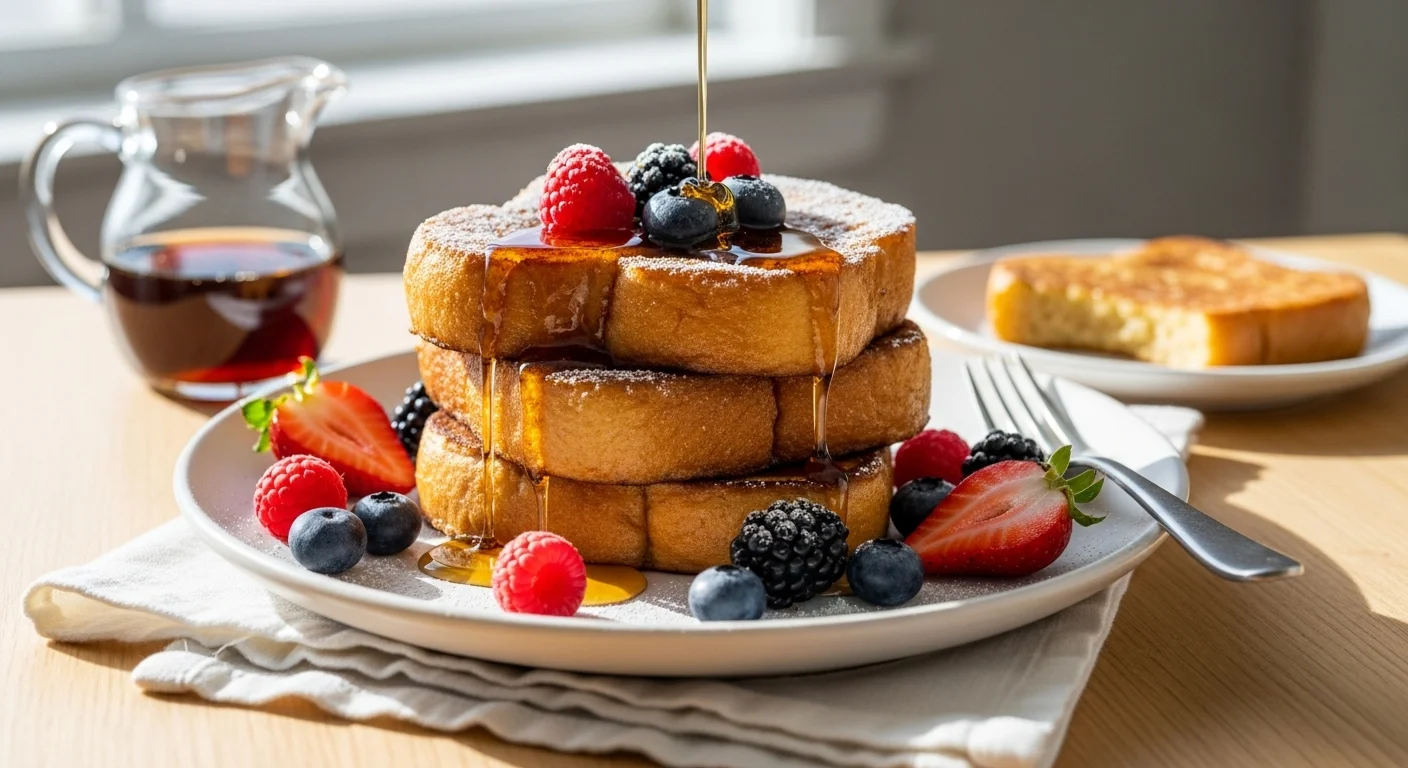
Understanding Vegan French Toast
What is Vegan French Toast?
Vegan French toast is a plant-based twist on the classic breakfast dish that replaces eggs with various egg substitutes and uses non-dairy milk, making it suitable for those following a vegan lifestyle or anyone wanting to enjoy a delicious breakfast without animal products. In my experience, this dish can be just as delicious and satisfying as its non-vegan counterpart, and I love how versatile it is! If you’re interested in more vegan treats, check out my recipe for Chewy Vegan Coconut Macaroons (Dipped In Chocolate).
The Benefits of Vegan French Toast
There are so many great reasons to enjoy vegan French toast! For starters, it’s typically lower in cholesterol and saturated fat compared to the traditional recipe, making it a heart-healthy option. When I first made the switch to a plant-based diet, I was pleasantly surprised by how many tasty meals I could create without sacrificing flavor or texture. Vegan French toast is also a fantastic source of carbohydrates and can be packed with nutrients depending on the ingredients you choose. I’ve found that it’s a great way to fuel my mornings and keep me energized throughout the day. If you’re curious about how to create a heart-healthy meal, you might find How to make traditional French curry interesting.
Common Ingredients in Vegan French Toast
One of the best things about vegan French toast is that it can be made with a variety of ingredients. The foundation is usually a combination of plant-based milk, sweeteners, egg replacements, and your choice of bread. When I make it, I love to experiment with different flavors and textures. The base liquid is typically some type of non-dairy milk, like almond, soy, or oat milk, which lends creaminess to the dish. I often add a touch of vanilla extract and cinnamon for that classic French toast flavor.
For the egg replacer, I’ve used everything from flaxseed meal to silken tofu. These ingredients help bind the mixture and create that custardy texture we all love. Then, there’s the bread! You can use anything from whole grain to sourdough, depending on your preference. The sweetener is just the icing on the cake; I usually go for maple syrup, but agave nectar works well too. The possibilities are truly endless!
Essential Ingredients for Easy Vegan French Toast
Plant-Based Milk Options
The type of plant-based milk you choose can significantly affect the flavor and texture of your vegan French toast. I’ve experimented with different kinds, and here are my favorites:
- Almond Milk: It’s light and has a subtle nutty flavor.
- Soy Milk: Creamy and rich, it closely mimics the texture of dairy milk.
- Oat Milk: Naturally sweet and creamy, it adds a lovely taste to the mix.
- Coconut Milk: If you’re a fan of coconut, this one’s for you!
In my opinion, using unsweetened versions allows you to control the sweetness of your dish better. I often keep a couple of different types on hand to switch things up. For example, almond milk is a regular staple in my kitchen, but I love adding a splash of coconut milk for a tropical twist.
Egg Replacers: Flaxseed Meal, Chia Seeds, and More
Egg replacements are crucial for achieving that beautiful, custardy texture in vegan French toast. I’ve found several substitutes work well:
- Flaxseed Meal: A popular choice, mix 1 tablespoon with 2.5 tablespoons of water and let it sit for about 5 minutes until it thickens.
- Chia Seeds: Similar to flaxseed, mix 1 tablespoon of chia seeds with 2.5 tablespoons of water and allow it to gel.
- Silken Tofu: Blending silken tofu gives a creamy consistency. Use about 1/4 cup for each egg replaced.
- Mashed Banana: For a touch of sweetness, 1/4 cup of mashed banana can also work, especially in fruit-infused versions.
Personally, I lean towards flaxseed or chia seeds for their nutritional benefits and ease of use. They’re packed with omega-3s and fiber, which is a nice bonus to my breakfast!
Choosing the Right Bread
The bread you select can really enhance the overall experience of your vegan French toast. I’ve tried various options, and here’s what I’ve learned:
- Whole Grain Bread: This adds a hearty texture and is full of nutrients.
- Sourdough: I love how sourdough adds a tangy flavor that balances the sweetness.
- Challah or Brioche (Vegan Versions): If you can find vegan versions, they give an indulgent, soft texture that feels special.
- Gluten-Free Bread: For those with gluten sensitivities, there are plenty of delicious gluten-free options available.
For me, the best bread is one that can soak up the batter without falling apart. I often use whole grain or sourdough, and I must say, the chewiness makes a world of difference!
Sweeteners: Maple Syrup, Agave, and Alternatives
Sweeteners are the finishing touch to your vegan French toast. Maple syrup is a classic choice for its rich, warm flavor, and I can’t resist drizzling it over my stack. But there are plenty of alternatives if you want to mix it up:
- Agave Nectar: A milder and lower glycemic index option.
- Brown Sugar: Adds a caramel-like flavor when mixed into the batter.
- Coconut Sugar: A more natural sweetener that works well in vegan recipes.
- Fruit Purees: Like applesauce or mashed bananas can add sweetness while keeping things healthy.
I like to experiment by combining different sweeteners to find the perfect balance. Sometimes I’ll use a little bit of brown sugar in the batter and finish with maple syrup. It’s all about finding what feels right for your taste buds!
Simple Steps to Make Easy Vegan French Toast
Preparation: Gathering Ingredients
Before I dive into making vegan French toast, I always find it helpful to gather all my ingredients. This way, I can move seamlessly through the process without forgetting anything. First, I make sure I have my chosen plant-based milk, egg replacer, bread, sweetener, and any optional flavorings like vanilla and cinnamon. Laying everything out on the counter helps me visualize the process and keeps things organized. I’ve learned that having everything ready not only makes the cooking experience more enjoyable but also speeds up the process, especially on busy mornings.
Mixing the Batter
The next step is to whip up the batter. In a large mixing bowl, I combine my plant-based milk with the egg replacer and sweetener. If I’m feeling adventurous, I’ll add a splash of vanilla extract and a sprinkle of ground cinnamon for that warm, comforting flavor. I’ve found that blending these ingredients well is key to achieving a smooth mixture. Sometimes, I use a whisk to get everything nicely combined; other times, I’ll reach for my blender for an ultra-smooth consistency. Whatever method, I always ensure everything is mixed evenly before moving on.
Coating the Bread
With the batter ready, it’s time to coat the bread. I like to take one slice at a time and immerse it in the batter, making sure both sides are well-coated. I usually let it soak for a few seconds to absorb the mixture but not too long that it becomes soggy. I remember the first time I made French toast; I accidentally left the bread in the batter for too long, and it fell apart in the pan! Now, I’m careful to keep an eye on it. After coating, I place the soaked bread on a plate while I prepare the rest of the slices.
Cooking Techniques: Pan-Frying vs. Baking
Now comes the fun part: cooking! I’ve tried both pan-frying and baking vegan French toast, and each method has its own perks. When I pan-fry, I heat a non-stick skillet over medium heat and add a little vegan butter or oil. Once the pan is hot, I place the coated bread slices in the skillet. I always cook them for about 3-4 minutes on each side until they’re golden brown and crispy. The smell that fills my kitchen during this time is absolutely heavenly!
On days when I want to make a larger batch, I opt for baking. I preheat my oven to 375°F and line a baking sheet with parchment paper. After placing my coated slices on the sheet, I bake them for about 15-20 minutes, flipping halfway through. This method is super convenient because I can focus on brewing coffee or preparing toppings while the French toast cooks. Whichever method you choose, I promise you won’t be disappointed!
Perfecting the Cooking Time and Temperature
Cooking time and temperature can make all the difference in achieving that perfect French toast. I’ve learned that keeping the heat at medium prevents burning while allowing the inside to cook thoroughly. I often check the toast for that golden-brown color, which signals it’s ready to flip. If I’m pan-frying and find it browning too quickly, I adjust the heat down a notch. There’s something so satisfying about getting it just right, and I love the thrill of watching the bread transform into a beautifully cooked piece of French toast.
Delicious Vegan French Toast Variations
Classic Cinnamon and Vanilla French Toast
One of my all-time favorites is the classic cinnamon and vanilla vegan French toast. I simply add a generous amount of cinnamon and a splash of vanilla extract to the batter. The aroma that fills my kitchen is absolutely irresistible. It’s a comforting, nostalgic flavor that reminds me of cozy mornings spent with family. I often top it with fresh fruit, a drizzle of maple syrup, and a sprinkle of powdered sugar for that extra touch.
Stuffed French Toast Ideas
If you’re looking to take your French toast to the next level, stuffed French toast is a fantastic option. I’ve enjoyed experimenting with various fillings like vegan cream cheese mixed with berries or nut butter with sliced bananas. The process is simple: I make a pocket in the bread, fill it with my chosen stuffing, and then coat it in the batter. It’s like a warm hug for breakfast, and it always impresses my friends when I serve it during brunch!
Fruit-Infused French Toast
Another fun variation is fruit-infused French toast. I love adding mashed fruits like bananas or pureed strawberries directly into the batter. This not only adds natural sweetness but also a lovely fruity flavor. Sometimes, I layer sliced fruits like peaches or blueberries in between the slices before cooking, creating a delightful surprise when you take a bite. It’s a refreshing twist that’s perfect for warm mornings.
Savory Vegan French Toast Options
If I’m in the mood for something different, I’ll whip up a savory version of vegan French toast. I’ve played around with adding spices like turmeric or nutritional yeast to the batter for a cheesy flavor. Topped with avocado slices, cherry tomatoes, or even sautéed mushrooms, it makes for a unique breakfast experience. I find that savory French toast can be just as satisfying as the sweet versions, and it’s a great way to switch things up!
Serving Suggestions and Toppings
Best Toppings for Vegan French Toast
When it comes to toppings, I truly believe the sky’s the limit! My go-to is always a generous drizzle of maple syrup, but I love to get creative. Sometimes I’ll sprinkle chopped nuts for crunch or dollop some vegan yogurt on top for creaminess. Whipped coconut cream is another delightful option if I want to treat myself a bit more. I think toppings can really elevate the dish and reflect your personal taste.
Pairing with Fruits and Nuts
Fresh fruits are an essential part of my vegan French toast experience. I often use berries, slices of banana, or even grilled peaches. The burst of flavor from fresh fruit complements the sweetness of the toast beautifully. Nuts, whether they’re walnuts, almonds, or pecans, add a satisfying crunch and some healthy fats. I’ve found that a combination of fruits and nuts creates a deliciously balanced breakfast.
Creating a Vegan French Toast Platter
If I’m hosting a brunch or just want to feel a bit fancy, I love to create a vegan French toast platter. I’ll arrange a variety of French toast styles, toppings, and fruits, allowing everyone to customize their own plate. It becomes a fun and interactive experience, and I enjoy seeing how others get creative with their combinations. Plus, it looks so beautiful when set up nicely on the table!
Tips for a Perfect Weekend Breakfast
Meal Prep Ideas for Busy Mornings
One thing I’ve learned over time is how valuable meal prep can be, especially when you want to enjoy vegan French toast on a busy morning. Prepping ingredients in advance can save so much time! I often mix the batter the night before and store it in the fridge. This way, all I have to do in the morning is soak the bread and cook it. I remember the first time I did this; I was amazed at how simple it made my morning routine. It felt like I was treating myself to a special breakfast without the hassle!
Another great tip is to slice the bread ahead of time, so it’s ready to go. If you’re using a dense bread like sourdough, slicing it the day before helps it soak up the batter better. I also like to portion out my sweeteners and spices in little containers, which makes it easy to grab what I need. These small steps can really streamline the process and make your breakfast experience much more enjoyable.
How to Make French Toast Ahead of Time
If you want to enjoy vegan French toast even when you’re pressed for time, making it ahead of time is a fantastic option. I often prepare a large batch on the weekend and then store it in the fridge. After cooking the French toast, I allow it to cool completely before placing it in an airtight container. It’ll stay fresh for up to three days, and I love the convenience it brings to my weekday mornings.
When I’m ready to eat, I simply reheat the slices in a toaster or on a skillet over low heat. It’s almost as if I’m enjoying a freshly made breakfast! Sometimes, I’ll even pop it in the oven for a quick warm-up. To keep the toast from drying out, I usually cover it with foil while reheating. It’s such a time-saver, and I can’t recommend this method enough!
Hosting a Vegan Brunch: Tips and Tricks
Hosting a vegan brunch can be a delightful way to share my love for food with friends and family. When I plan a brunch, I make sure to create a cozy atmosphere, often setting the table with fresh flowers and colorful dishware. It’s the little touches that make everything feel special!
For the menu, I love to include a variety of dishes alongside vegan French toast to cater to different tastes. I often opt for a mix of sweet and savory options, like a hearty vegetable quiche or a fresh fruit salad. This way, there’s something for everyone. I also encourage my guests to customize their own plates with toppings, which adds an interactive element to the meal. It’s always entertaining to see how everyone personalizes their toast!
Lastly, I’ve learned that preparing some elements in advance can really enhance the experience. I’ll often make a batch of vegan whipped cream or a fruit compote the night before, so I can simply set them out for everyone to enjoy. It’s all about creating a relaxed and enjoyable atmosphere where everyone can savor their food and each other’s company.
Frequently Asked Questions (FAQs)
Can I Make Vegan French Toast Gluten-Free?
Absolutely! I’ve had great success making vegan French toast gluten-free. There are many delicious gluten-free bread options available in stores, and I’ve even tried making my own. Just make sure to check the ingredients and choose a bread that holds up well in the batter. I’ve found that gluten-free breads often soak up the mixture beautifully, and the results are just as tasty as the traditional versions. You can also try a recipe like Authentic Gluten-Free Crumpets Recipe (Perfect Holes) for a delightful side dish!
How Long Does Vegan French Toast Last?
In my experience, cooked vegan French toast can last for about three days in the fridge if stored in an airtight container. However, I usually find that it doesn’t last that long in my house because it’s just too good to resist! If you have leftovers, I recommend reheating them on a skillet or in the toaster for the best texture.
Can I Freeze Vegan French Toast?
Yes! Freezing vegan French toast is a fantastic way to extend its shelf life. I often make a big batch and freeze the slices in a single layer on a baking sheet first. Once they’re frozen solid, I transfer them to a freezer bag. When I’m ready to enjoy them, I simply pop them in the toaster or reheat them in the oven. It’s like having a delicious breakfast option ready to go at any time!
What to Do if My French Toast is Soggy?
If you find that your vegan French toast turns out soggy, don’t worry; it happens to the best of us! I’ve discovered that a couple of factors can cause this. First, make sure not to soak the bread too long in the batter. A quick dip on both sides should suffice. If the bread is too dense, it may absorb more liquid than lighter options. If you encounter sogginess, try cooking it on a lower heat for a longer time to allow it to dry out slightly while cooking. A sprinkle of powdered sugar or a drizzle of syrup can also help mask any inconsistencies, turning it into a delicious treat nonetheless!