
There’s something magical about a cozy one-pot stew that brings people together. With the chill of autumn settling in, I found myself captivated by this comforting dish that seems to warm both body and soul. If you’re looking for more meal ideas, check out 12 Healthy Dinners That Heartily Satisfy.
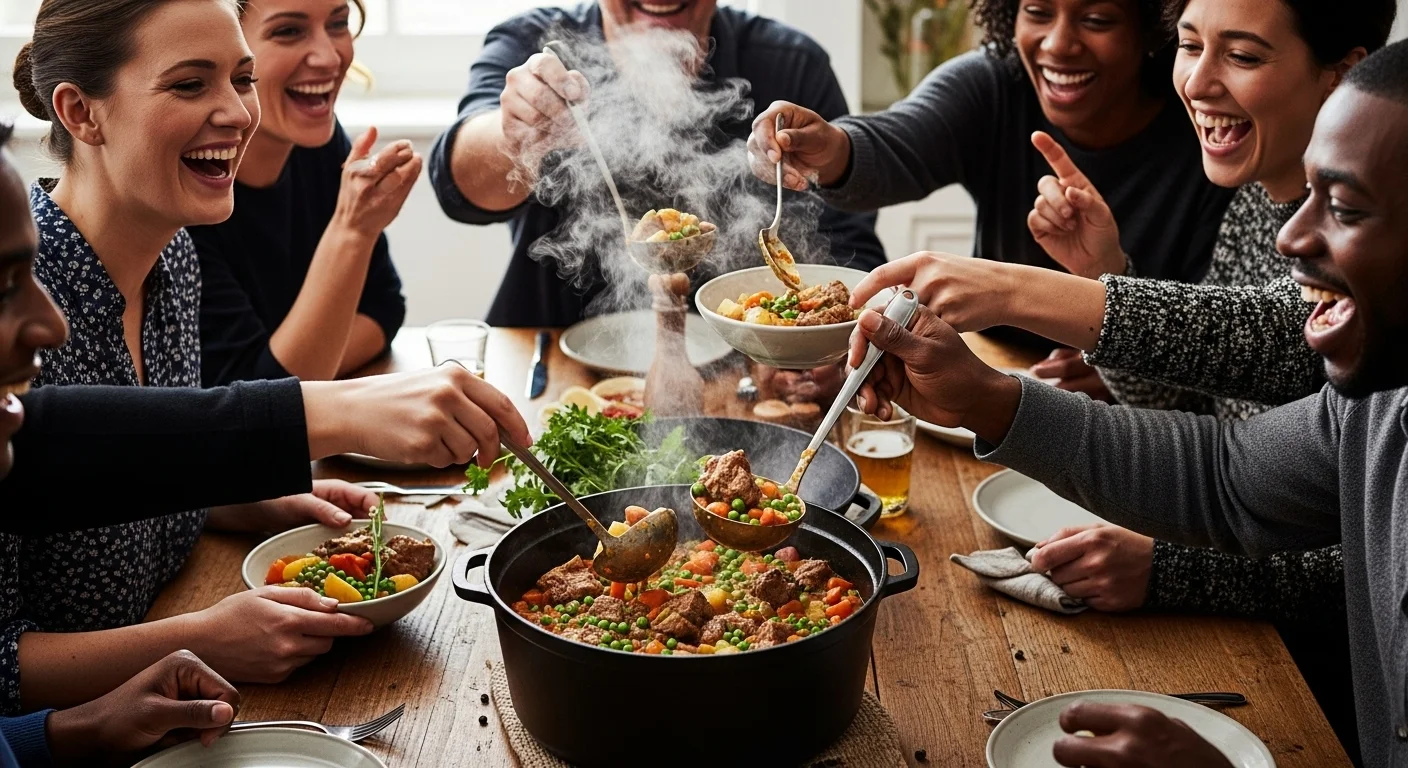
Discovering the Comfort of One-Pot Stew
When the leaves start to change and the air turns crisp, I often find myself craving hearty meals that not only nourish but also comfort. This year, I stumbled upon a cozy one-pot stew recipe that has genuinely become a staple in my kitchen. The beauty of a one-pot stew lies in its simplicity and the harmony of flavors that blend together, creating a dish that feels like a warm hug on a cold day. I remember the first time I decided to give it a try; I was skeptical but excited, and it turned out to be one of the best cooking experiences I’ve had!
Gathering Ingredients
One of the first things I love about this stew is how forgiving it is in terms of ingredients. I began by gathering what I had on hand, which I think is part of the charm. You can use fresh vegetables, leftover meats, or even pantry staples like beans and grains. For my version, I went with some chicken thighs, potatoes, carrots, and a few herbs from my garden. It felt good to use ingredients that were fresh and local, and I think that made the stew even more special. If you’re interested in chicken recipes, you might enjoy Family-Friendly Chicken and Rice Recipes Even Kids Will Love.
Chopping and Sautéing
As I chopped the vegetables, I couldn’t help but feel a sense of nostalgia. I remembered cooking with my grandmother as a child, her guiding hands teaching me the art of preparation. There’s something therapeutic about the rhythm of chopping and stirring. I tossed the onions and garlic into the pot first, letting them sauté until they were fragrant and golden. The aroma filled my kitchen, and I couldn’t help but smile, knowing that something wonderful was on the way.
Layering Flavors
Once the onions and garlic were ready, I added the chicken thighs, browning them on all sides. This step is crucial because it adds depth to the stew. I remember reading somewhere that browning the meat caramelizes the sugars and creates a richer flavor. I wanted to ensure that I got every bit of that deliciousness. After the chicken was browned, I added my chopped carrots and potatoes, along with a sprinkle of salt and pepper. Layering these flavors is essential; it’s like building a foundation for a beautiful house, and trust me, it makes all the difference.
Adding Liquid and Seasoning
Next came the liquid. I opted for chicken broth, but vegetable broth works wonderfully too. As I poured it into the pot, I could see the ingredients starting to come together. I then added some thyme and bay leaves, which are my secret weapons for elevating any stew. I let it simmer, and that’s when the magic really happened. The longer it cooked, the more the flavors melded together. I learned that patience is key in cooking; I used to rush things, but now I truly appreciate the slow unfolding of flavors as they develop in the pot.
Cooking Time and Aromas
While the stew simmered, I took the time to clean up my kitchen. It was nice to have a moment to breathe and enjoy the wonderful smells wafting through my home. I often find that cooking can be a meditative experience, a way to disconnect from the chaos of everyday life. As the clock ticked away, I found myself eagerly anticipating the moment I could dive into my creation.
Tasting and Adjusting
After about an hour of simmering, I finally lifted the lid. The sight was nothing short of comforting. The chicken was tender, and the vegetables were perfectly cooked. I decided to give it a taste, and wow! It was good, but I felt like it needed a little something extra. I sprinkled in some freshly chopped parsley for brightness and a dash of lemon juice to brighten the flavors. These little adjustments are what I love most about cooking; I get to make it my own, tailoring it to my preferences.
Serving and Sharing
Finally, the time had come to serve my cozy one-pot stew. I ladled it into bowls and topped it off with a sprinkle of fresh herbs. There’s something so satisfying about presenting a dish that you’ve poured your heart into. I gathered my family around the table, and as we dug in, I could see the joy on their faces. It’s moments like these that remind me why I love cooking so much. Sharing good food with the people I love creates lasting memories and strengthens our bonds.
Leftovers and Future Variations
One of the best parts about this stew is that it only gets better the next day as the flavors continue to develop. I often make a larger batch intentionally, knowing that we can enjoy it for a couple of days. I’ve also experimented with different variations, adding beans for a vegetarian version or even tossing in some dumplings for a heartier meal. The possibilities are endless! I’ve learned that cooking is not just about following recipes, but about experimenting and discovering what works for me and my family. For more hearty meal ideas, check out 14 Hearty Meat and Potato Meals for Father’s Day.
This cozy one-pot stew has quickly become a favorite in our household. It brings warmth, comfort, and a sense of togetherness that I cherish. I hope you find the same joy in making this dish and maybe even create your own variations. After all, that’s what makes cooking such a beautiful journey.
Pairing Suggestions
As I’ve enjoyed my cozy one-pot stew, I realized that no meal is complete without the right accompaniments. I love thinking about what to pair with my stew to elevate the whole experience. There’s something special about sharing a meal where every element complements each other, and I want to share some of my favorites with you.
Bread for Dipping
First on my list has to be fresh bread. There’s nothing quite like dipping a warm, crusty loaf into the rich, savory broth of the stew. I remember the first time I made homemade bread to accompany my stew; the aroma filled the house and made the meal feel even more special. I often bake a simple no-knead bread that’s easy to prepare and yields a delightful crust. The combination of the warm, hearty stew and the fresh bread is simply unbeatable. If baking isn’t your thing, I highly recommend picking up a fresh baguette or artisan bread from a local bakery.
Salads for Freshness
Another fantastic pairing is a light salad. After indulging in a hearty stew, a refreshing salad can bring balance to the meal. I usually throw together a simple mixed greens salad with a light vinaigrette, adding whatever fresh vegetables I have on hand. Cherry tomatoes, cucumbers, and a sprinkle of feta cheese make a great addition. I love the crunch and freshness of the salad, and it’s a great way to include more veggies in our meal. Plus, it offers a nice contrast to the warm, comforting stew.
Wine to Enhance the Experience
If I’m feeling a bit fancy, I’ll pour a glass of wine to accompany my stew. I’ve learned that the right wine can really enhance the flavors of the dish. For chicken stew, I often choose a light white wine like Sauvignon Blanc. It’s crisp and refreshing, which pairs nicely with the richness of the stew. On the other hand, if I’m making a beef or heartier stew, a full-bodied red like Cabernet Sauvignon tends to do the trick. I believe that cooking and dining are all about creating an experience, and a good wine can elevate that experience tremendously.
Comforting Desserts
Now, what about dessert? To me, no cozy meal is complete without a sweet ending. I usually opt for something simple yet comforting. One of my go-to desserts is a warm apple crisp. The smell of cinnamon and baked apples cooking in the oven brings back so many memories. I love to serve it with a scoop of vanilla ice cream melting on top. The combination of warm and cold is just delightful. I also enjoy making a classic bread pudding, especially if I have some leftover bread from the meal. It feels like a perfect way to conclude a comforting meal.
Adapting the Stew for Different Occasions
One of the things I truly appreciate about a one-pot stew is its versatility. I often find myself adapting the recipe based on the occasion. For casual family dinners, I stick to the basics, but if I’m hosting friends, I might choose to elevate the dish with gourmet ingredients. Adding a splash of white wine during the cooking process or finishing it with a drizzle of high-quality olive oil can make a world of difference. I’ve even tried incorporating seasonal ingredients to keep things interesting—like butternut squash in the fall or fresh peas in the spring. Each variation feels like a new adventure, and I love that cooking allows for such creativity.
Making it a Family Affair
Another cherished aspect of my cooking journey is involving my family in the process. I’ve discovered that making stew can quickly turn into a family affair. My kids often help with washing the vegetables or stirring the pot. I believe it’s essential for them to learn about cooking and the joy that comes from creating something together. Plus, it’s a wonderful way for us to bond over food. Sometimes, we even have a little friendly competition, where each family member suggests a new ingredient to add or a twist on the recipe. It’s fun to see what everyone comes up with, and it teaches them to experiment in the kitchen.
So, whether you’re enjoying a cozy one-pot stew on a chilly evening or gathering your loved ones around the table, remember that this dish is more than just a meal. It’s about connection, warmth, and memories. I hope you find your perfect pairings and create lasting moments around your own cozy one-pot stew!
Exploring Global Variations of One-Pot Stews
As I’ve enjoyed my cozy one-pot stew, I’ve become curious about how different cultures put their spin on this comforting dish. Traveling through flavors and ingredients has opened my eyes to the endless possibilities that a one-pot stew can offer. I love how each variation tells a story about its origins, and I’ve started to experiment with these global recipes in my kitchen. It’s like taking a culinary trip without leaving home, and I can’t wait to share some of these delightful variations with you.
French Coq au Vin
One of my favorite inspirations comes from the classic French dish, Coq au Vin. The first time I prepared it, I was transported to a quaint bistro in Paris, even though I was right in my own kitchen. This rustic chicken stew is simmered in red wine, which gives it a rich and complex flavor. I remember feeling a bit intimidated by the idea of cooking with wine, but I quickly realized it’s all about finding a good bottle that you enjoy drinking. The addition of mushrooms, pearl onions, and crispy bacon adds layers of flavor that elevate the dish to a whole new level. It’s perfect for a special occasion or when I want to treat my family to something truly memorable.
Italian Risotto alla Milanese
Another delightful variation I’ve discovered is the Italian Risotto alla Milanese. While it isn’t a traditional stew in the same sense, this creamy rice dish has a comforting quality that resonates with me. The saffron gives it a beautiful golden color and a unique flavor that is simply divine. As I stirred the rice slowly, adding broth bit by bit, I felt an overwhelming sense of calm wash over me. I love how cooking risotto requires patience and attention, much like making a stew. I often pair it with seasonal vegetables or seafood for a heartier meal. It’s a great way to embrace the essence of Italian cooking while enjoying the same cozy vibe.
Middle Eastern Tagine
My culinary adventures took an exciting turn when I tried making a Moroccan tagine. This dish is named after the earthenware pot it’s cooked in, but you can easily adapt the recipe to a Dutch oven or any heavy pot. What I love most about tagine is its vibrant spices: cumin, coriander, and cinnamon. I remember the first time I combined chicken with apricots and almonds; the sweet and savory flavors danced together beautifully. As the stew simmered, my kitchen filled with exotic aromas that transported me to bustling markets in Marrakech. It’s a fantastic way to incorporate dried fruits and nuts into a cozy dish, which adds an unexpected twist that everyone loves.
Asian-Inspired Stews
I’ve also explored Asian-inspired stews, particularly Japanese and Thai variations. For example, a comforting Japanese chicken nabe is like a warm embrace in a bowl. Using ingredients like tofu, mushrooms, and bok choy, I let everything simmer in a savory dashi broth. I remember the first time I added a splash of soy sauce and mirin; it brought out a depth of flavor that was out of this world. On colder nights, this dish is my go-to comfort food, and I love serving it with a side of jasmine rice to soak up all that delicious broth.
Thai curry stews are another exciting exploration. I enjoy making a fragrant chicken curry using coconut milk, fresh herbs, and plenty of spices. The combination of flavors creates a vibrant dish that is both comforting and invigorating. I love how easy it is to adjust the heat level with fresh chilies or curry paste, allowing me to customize it to my family’s taste. Each time I prepare it, the colorful ingredients remind me of a tropical getaway, and it’s a fun way to incorporate a variety of vegetables.
Embracing Seasonal Ingredients
One of the beautiful aspects of cooking a one-pot stew is its adaptability to the changing seasons. I’ve learned to embrace seasonal ingredients, making each variation feel fresh and exciting. In the fall, I love adding pumpkin or butternut squash to my stews, while in the spring, I lean towards fresh peas and asparagus. I find that being mindful of seasonal produce not only enhances the flavors but also connects me to nature’s rhythm. It’s a reminder that cooking can be a celebration of what’s available at any given time, and it makes me feel more in tune with my surroundings.
In my experience, cooking is not just about the end result; it’s about the journey and the stories we create along the way. Exploring global variations of one-pot stews has enriched my culinary repertoire and allowed me to share new flavors with my loved ones. I encourage you to embark on your own journey, discovering the delightful ways you can twist this beloved dish, while embracing the comfort that stews provide, no matter where they originate. Each bowl we share is an opportunity to connect, learn, and enjoy the warmth of home-cooked meals together.
Frequently Asked Questions
What is a one-pot stew?
A one-pot stew is a comforting dish that combines various ingredients, such as meats and vegetables, in a single pot, allowing flavors to meld together as it simmers. It is simple to prepare and is often associated with warmth and togetherness.
What ingredients can I use for a one-pot stew?
You can use fresh vegetables, leftover meats, or pantry staples like beans and grains. Common ingredients include chicken thighs, potatoes, carrots, and herbs, but the recipe is forgiving and can be adapted based on what you have on hand.
How do I enhance the flavor of my stew?
Enhancing the flavor of your stew can involve browning the meat for depth, adding aromatic ingredients like onions and garlic, and incorporating herbs and spices such as thyme and bay leaves during the cooking process.
What are some good pairings for one-pot stew?
Good pairings for one-pot stew include fresh bread for dipping, light salads for freshness, and a glass of wine to enhance the experience. For dessert, warm apple crisp or bread pudding can provide a comforting ending to the meal.
Can I make a vegetarian version of one-pot stew?
Yes, you can make a vegetarian version of one-pot stew by using beans instead of meat, along with plenty of vegetables and a flavorful broth. This allows for a hearty and satisfying meal without meat.
How can I adjust the stew recipe for different occasions?
You can adjust the stew recipe by using gourmet ingredients for special occasions or incorporating seasonal produce to keep it fresh. Adding a splash of wine or finishing with high-quality olive oil can elevate the dish for guests.
What are some global variations of one-pot stew?
Some global variations include French Coq au Vin, Italian Risotto alla Milanese, Moroccan tagine, and Asian-inspired stews such as Japanese chicken nabe and Thai curry stews. Each variation has unique flavors and ingredients that reflect its cultural origins.
How do seasonal ingredients affect the stew?
Embracing seasonal ingredients in your stew allows for fresh flavors and a connection to nature. For example, you can use pumpkin in the fall and fresh peas in the spring, making each variation feel timely and exciting.
What is the best way to enjoy leftovers from a one-pot stew?
Leftovers from a one-pot stew tend to taste even better the next day as flavors continue to develop. It is enjoyable to reheat and savor them over the following days, providing a comforting meal without additional cooking.
How can I involve my family in making one-pot stew?
Involving your family can be a fun way to bond over cooking. You can have them help with washing vegetables, stirring the pot, or suggesting new ingredients to add, turning the cooking experience into a family affair.