
Have you seen the latest veggie stir-fry trick taking social media by storm? It’s simple, delicious, and has everyone talking about how to elevate their weeknight meals. Let’s dive into this viral sensation and discover why it has captured our hearts!
The Magic of Veggie Stir-Fry
Stir-frying vegetables is a cooking method that has been around for centuries, but I feel like it has recently become the darling of the culinary world, especially with the rise of health-conscious eating and quick meal preparations. I remember the first time I tried my hand at stir-frying; it was a bit of a mess, but also a revelation. I realized that with just a few fresh ingredients and a hot pan, I could create something vibrant and satisfying in no time. The beauty of stir-frying lies in its simplicity and the ability to customize it to your tastes. Read Interesting article: Balsamic Roasted Beets That Everyone Will Enjoy
Why the Obsession?
So, what’s driving the obsession with this viral veggie stir-fry trick? For me, it’s all about the flavor and the speed. In our busy lives, having a quick, healthy meal option is a game-changer. The trick that everyone is raving about involves a unique technique that enhances the flavors, making the veggies pop like never before. Instead of simply tossing everything into the pan, this method focuses on layering flavors and textures. I found that this approach turns a basic stir-fry into something that feels gourmet.
One of the key elements I noticed is the importance of high heat. When I first started, I was often hesitant to crank up my stove, fearing I’d burn my food. But I learned that a hot pan is essential for getting that beautiful sear on the vegetables, which helps lock in their natural sweetness and adds a delightful crunch. I’ve experimented with different oils, and I found that using something with a higher smoke point, like grapeseed or avocado oil, really makes a difference.
Choosing the Right Veggies
The next step in this fabulous stir-fry journey is selecting the right vegetables. I’ve discovered that not all veggies are created equal when it comes to stir-frying. Some of my favorites include bell peppers, broccoli, snap peas, and carrots. They not only add color but also a variety of textures. When I first tried this trick, I made sure to cut my veggies into uniform pieces to ensure they cook evenly. This little detail made a huge difference in my dish’s final texture and flavor.
One tip I picked up along the way is to consider the cooking times of the vegetables. For instance, I learned that harder vegetables like carrots need a bit more time in the pan, while softer ones like zucchini can be added later. This ensures everything finishes cooking at the same time, which is crucial for that perfect stir-fry consistency.
Enhancing Flavor with Marinades
Another exciting aspect of this viral stir-fry trick is the use of marinades. I used to think marinades were just for meats, but I’ve discovered that they can elevate vegetables, too! A simple marinade made with soy sauce, garlic, and ginger can really bring your stir-fry to life. I like to marinate my veggies for about 15-30 minutes before cooking. It allows the flavors to infuse and makes each bite burst with umami goodness.
I’ve even tried experimenting with different flavors. Once, I made a sweet chili marinade that added a nice kick to the bell peppers and broccoli. I was amazed at how a simple twist could transform my dish. I highly recommend playing around with different spices and sauces to find what works best for you. It’s all about personalizing the experience and making it your own! Read Interesting article: PB&J Overnight Oats: A Timeless Morning Favorite
Cooking Technique: The Stir-Fry Method
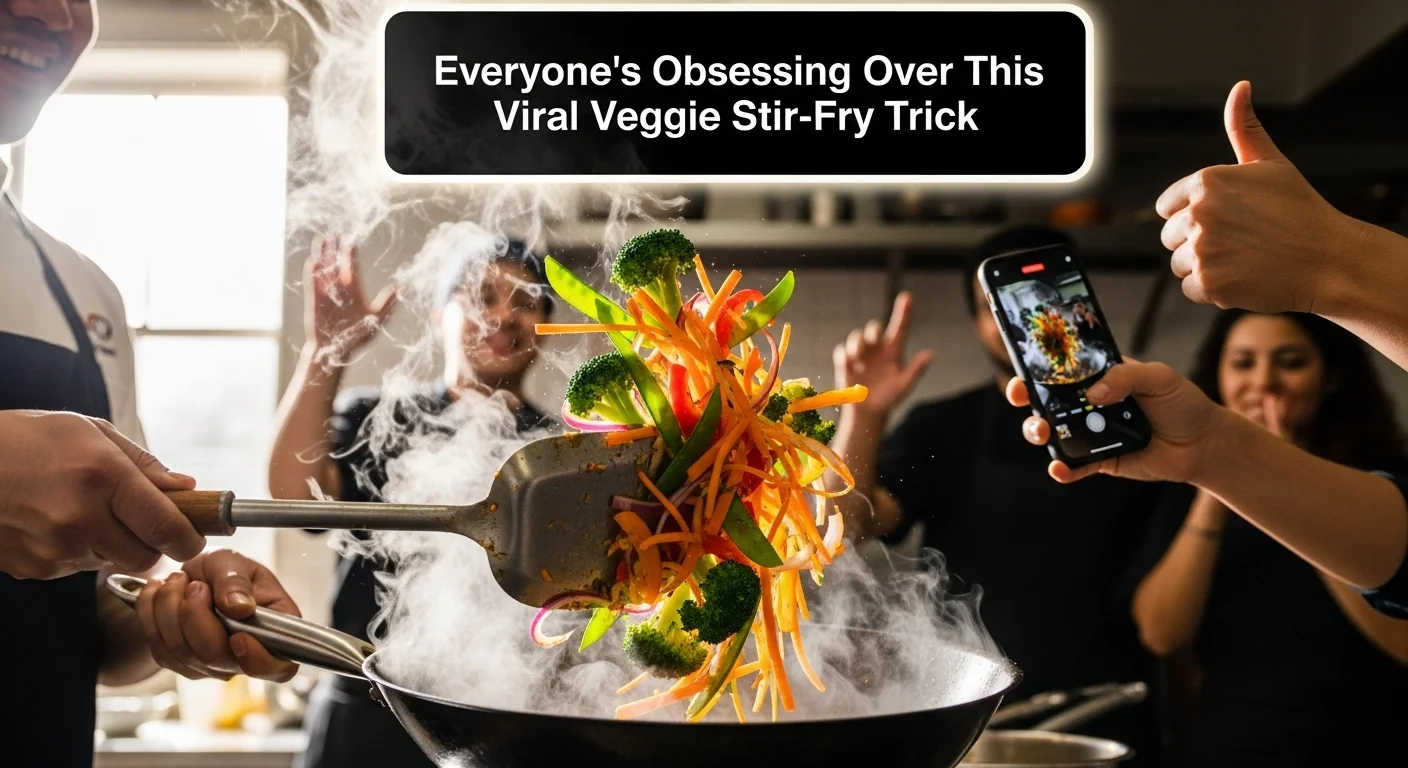
Now, let’s talk about the actual cooking technique, which is where the magic happens. I’ve learned that it’s essential to keep everything moving in the pan. When I first started stirring, I was a bit timid, afraid of splatters. But I discovered that tossing the veggies around not only ensures even cooking but also creates those delicious browned bits that add depth to the dish. I remember feeling like a pro chef the first time I successfully tossed my veggies in the air without losing them all over the floor!
Using a wok can enhance your experience, too. The shape allows for greater heat distribution, and the high sides make it easy to toss everything around. If you don’t have one, a large skillet works just fine. Just ensure that it’s big enough to accommodate all your veggies without overcrowding the pan, as this can lead to steaming rather than stir-frying.
The Finishing Touches
Once everything is cooked to perfection, I love adding a few finishing touches. A sprinkle of sesame seeds or a drizzle of sesame oil can take your stir-fry to the next level. I even like to add fresh herbs like cilantro or green onions for a burst of freshness. These small details make a huge difference in flavor and presentation, and I believe they elevate the meal from ordinary to extraordinary.
In the end, what I really appreciate about this viral veggie stir-fry trick is how it encourages creativity in the kitchen. It’s not just about following a recipe; it’s about experimenting and finding what flavors resonate with us. I encourage you to give it a try, and I’d love to hear about your own stir-fry adventures!
Pairing Your Stir-Fry: What to Serve It With
After perfecting your veggie stir-fry, I found that the next big question is what to serve it with. It’s amazing how the right accompaniment can elevate your meal even further. I remember the first time I made a stir-fry for dinner; I was so excited about the vibrant veggies that I completely overlooked the side dishes. It felt a bit incomplete, and that’s when I realized that the right pairing can make a world of difference.
One of my go-to options is rice. Whether it’s jasmine, basmati, or brown rice, I’ve learned that having a grain to soak up the flavors of the stir-fry is essential. I typically cook my rice in vegetable broth instead of water for an extra layer of flavor. Recently, I discovered cauliflower rice, and I’ve been loving how it keeps the meal light and healthy while still being satisfying. It’s a fantastic option if you’re looking to reduce carbs without sacrificing taste.
If you’re feeling adventurous, noodles are another delightful pairing. I’ve experimented with various types, from classic egg noodles to rice noodles and even soba noodles. Each type brings its unique texture and flavor to the dish. I particularly enjoy tossing my stir-fry with some cooked noodles at the end, allowing the veggies and noodles to mingle together. It’s a great way to create a more filling meal, and I love how it creates a comforting, hearty feel.
Protein Boost: Adding Tofu or Meat
To truly make my stir-fry a complete meal, I often add a source of protein. Tofu has become my favorite option due to its versatility. I used to be intimidated by the thought of cooking tofu, thinking it would be bland or mushy. But I learned that pressing it to remove excess moisture and marinating it helps it absorb flavors beautifully. When I sauté it in the pan, I get a nice golden crust that adds a lovely texture to the dish. I feel it’s a wonderful way to make the meal more filling, especially when I’m trying to keep things plant-based.
Aside from tofu, I’ve also explored adding chicken, shrimp, or beef to my stir-fries. I recommend marinating the protein in a similar sauce to your veggies. It brings harmony to the flavors, making everything sing together. I remember one night when I tried a spicy shrimp stir-fry, and it was a hit! The shrimp cooked quickly and added a lovely sweet and savory balance to the dish. I’ve found that experimenting with different proteins keeps my stir-fry game exciting.
Making It a Meal Prep Star
One of the best things about stir-fries is that they’re meal prep champions. I know we all have those busy weeks when cooking every night feels daunting. That’s where my stir-fry skills come to the rescue! I often make a big batch of stir-fry on the weekends and store it in individual containers. It’s become my go-to lunch for work or an easy dinner option after a long day. The flavors seem to deepen as they sit, making leftover stir-fry even more delicious.
I’ve learned to mix up the veggies and proteins each week to keep things fresh. If I have some leftover cooked rice or noodles, I toss those in, creating a variety of meals without feeling repetitive. I also love adding a handful of greens like spinach or bok choy right before serving, as they wilt beautifully and add nutrients. It’s an easy way to incorporate more veggies into my diet and feel great about what I’m eating.
Garnishing for Visual Appeal
Let’s not forget about presentation! I’ve come to appreciate how a well-garnished dish can make the meal feel even more special. After mastering the stir-fry, I started experimenting with garnishes to add that professional touch. A sprinkle of toasted sesame seeds, a drizzle of sriracha, or a few slices of fresh chili can really elevate the look of the dish. I love how these small additions can make a big impact, turning a simple weeknight meal into something that feels restaurant-worthy.
Fresh herbs are another favorite of mine. I often sprinkle chopped cilantro or basil on top just before serving. It not only adds a pop of color but also a burst of freshness that brightens up the entire dish. I remember one night, I added a handful of green onions, and it completely transformed the flavor. It’s these little details that show how much I care about the meal and make it feel special for myself or anyone I’m sharing it with.
Exploring Global Flavors
Stir-frying is incredibly versatile, and I’ve found that it’s a fantastic way to explore different cuisines. I love that I can take the same basic technique and adapt it to various global flavors. For example, I once tried a Thai-inspired stir-fry with coconut milk and red curry paste. The result was a creamy, spicy dish that felt like a warm hug. I’ve also dabbled in Chinese flavors, adding hoisin sauce and five-spice powder, which took my stir-fry to a completely different level.
Each time I try a new flavor profile, I feel like I’m on a culinary adventure. It’s exciting to see how different spices and sauces can transform the same basic ingredients into something entirely new. I encourage you to step out of your comfort zone and explore flavors from around the world. You might just discover a new favorite dish along the way! Read Interesting article: The Best Fluffy Maple Muffins for a Sweet Morning
Storage and Reheating Tips
After all the effort I put into making a delicious stir-fry, I want to make sure it lasts and tastes just as good when I reheat it. I’ve learned a few tricks along the way that have helped me keep my stir-fry fresh and flavorful, even a few days later. First off, it’s essential to let the stir-fry cool down before transferring it to storage containers. I used to make the mistake of putting hot food straight in the fridge, thinking it would be fine. But I found that it makes the food soggy and can affect the texture. Now, I let my stir-fry sit at room temperature for about 30 minutes before sealing it up.
When it comes to storage containers, I prefer airtight glass containers. They not only help keep my stir-fry fresh but also make reheating a breeze. I remember once using plastic containers and noticing that my stir-fry absorbed some weird flavors. Switching to glass made a huge difference in taste, and I highly recommend it! For longer storage, I’ve found that freezing stir-fry is also an option. I portion it out into individual servings, and it’s perfect for busy nights when I don’t have time to cook.
Reheating Techniques
Reheating stir-fry can be tricky; I want to make sure it doesn’t end up mushy or overcooked. I usually opt for the stovetop method, as I feel it helps retain the texture of the veggies. I’ll heat a little oil in a pan over medium heat, then add the stir-fry. I gently toss it around until it’s heated through. This method keeps the veggies crisp and flavorful. I’ve noticed that reheating in the microwave can sometimes lead to a soggy situation, especially if I don’t keep an eye on the time. If I do use the microwave, I make sure to heat it in short intervals, stirring in between, to prevent overcooking.
Creative Ways to Use Leftovers
One of my favorite aspects of stir-fry is how versatile the leftovers can be. I’ve discovered that a quick stir-fry can be transformed into a completely different meal. For example, I love making a stir-fry fried rice. I simply take my leftover stir-fry, add cooked rice, and a couple of eggs, and stir everything in a hot pan. It’s a great way to use up leftovers while creating something new and exciting!
Another delicious option is to turn my stir-fry into a wrap or a salad. I’ve enjoyed wrapping it in a tortilla with some avocado and a drizzle of tahini for a quick lunch. It’s amazing how just a few extra ingredients can create a whole new experience. I also like tossing the stir-fry over a bed of greens, adding some nuts or seeds for crunch, and drizzling a tasty dressing over it. It’s such a refreshing way to enjoy the same flavors while switching up the presentation.
Stir-Fry Variations: Seasonal Ingredients
One of the things I love most about stir-frying is how it encourages me to use seasonal ingredients. I remember the first time I tried a summer stir-fry with zucchini, corn, and bell peppers. The freshness of those ingredients made a world of difference! I’ve learned to take advantage of what’s in season, and it’s been a fun way to get creative in the kitchen. In the fall, I enjoy adding roasted pumpkin and kale, while in winter, I lean toward heartier vegetables like Brussels sprouts and sweet potatoes.
By switching out the veggies based on the season, I find that my stir-fries not only taste different but also reflect the time of year. It keeps my meals exciting, and I feel good knowing I’m using fresh, local produce whenever possible. I’ve also tried incorporating fruits into stir-fries, like pineapple or mango, which adds a lovely sweetness that complements the savory flavors beautifully.
Cooking with Kids
If you’re looking for a fun activity with your kids, stir-frying is an excellent way to involve them in the kitchen! I’ve found that kids love getting their hands dirty and experimenting with different ingredients. I usually set up a mini “stir-fry bar” with various chopped vegetables, proteins, and sauces. It’s a great way for them to express their creativity and choose their favorite combinations. Plus, it teaches them about healthy eating and the joy of cooking!
One memorable experience I had was when my niece joined me in the kitchen. She was so excited to pick out colorful veggies and even helped with the prep. Watching her taste the stir-fry and exclaim, “I made this!” was priceless. It’s moments like these that remind me how cooking can bring us together and create lasting memories.
Exploring Plant-Based Options
As I’ve been exploring the world of stir-frying, I’ve also delved into more plant-based options. I’ve noticed that with more people adopting plant-based diets, there’s an abundance of creative recipes out there. One evening, I tried a stir-fry with jackfruit as a substitute for meat, and I was amazed at how well it soaked up flavors. The texture was surprisingly satisfying, and it felt great to explore new ingredients. I believe embracing plant-based options can open up a whole new world of flavors and textures in the stir-fry realm.
If you’re curious about trying plant-based proteins, I recommend experimenting with lentils, chickpeas, or tempeh. Each has its unique flavor and texture that can elevate your stir-fry experience. I’ve learned that by being open to different ingredients, I can continuously enjoy my favorite dish while also nourishing my body in new ways.
Frequently Asked Questions
What is the main appeal of the veggie stir-fry trick that is trending on social media?
The main appeal of the veggie stir-fry trick is its simplicity, speed, and ability to create vibrant and flavorful meals with fresh ingredients and a hot pan.
What technique enhances the flavor of stir-fried vegetables?
The technique involves layering flavors and textures rather than just tossing everything into the pan. Using high heat is essential for achieving a beautiful sear on the vegetables, which locks in sweetness and adds crunch.
Which vegetables are best for stir-frying?
Some of the best vegetables for stir-frying include bell peppers, broccoli, snap peas, and carrots. It’s important to cut them into uniform pieces for even cooking.
How can marinades enhance the flavor of stir-fried vegetables?
Marinades can elevate the flavor of vegetables significantly. A simple marinade made with soy sauce, garlic, and ginger can infuse the veggies, making each bite burst with umami goodness.
What cooking technique is recommended for stir-frying?
It’s essential to keep the vegetables moving in the pan, which ensures even cooking and creates delicious browned bits that add depth to the dish.
What are some recommended side dishes to serve with stir-fry?
Recommended side dishes include rice (such as jasmine, basmati, or brown rice) and noodles (like egg noodles, rice noodles, or soba noodles) to soak up the flavors of the stir-fry.
How can protein be incorporated into a stir-fry?
Protein can be added by including options like tofu, chicken, shrimp, or beef. Marinating the protein in a similar sauce to the veggies helps harmonize the flavors.
What are some tips for storing and reheating stir-fry?
Let the stir-fry cool before transferring it to airtight glass containers for storage. For reheating, the stovetop method is preferred to retain texture, while using the microwave requires careful timing to avoid sogginess.
How can leftovers from a stir-fry be creatively used?
Leftovers can be transformed into stir-fry fried rice, wraps, or salads. Adding a few extra ingredients can create a whole new meal experience.
What is the benefit of using seasonal ingredients in stir-fry?
Using seasonal ingredients not only enhances the flavor and freshness of the stir-fry but also encourages creativity in the kitchen by reflecting the time of year.