
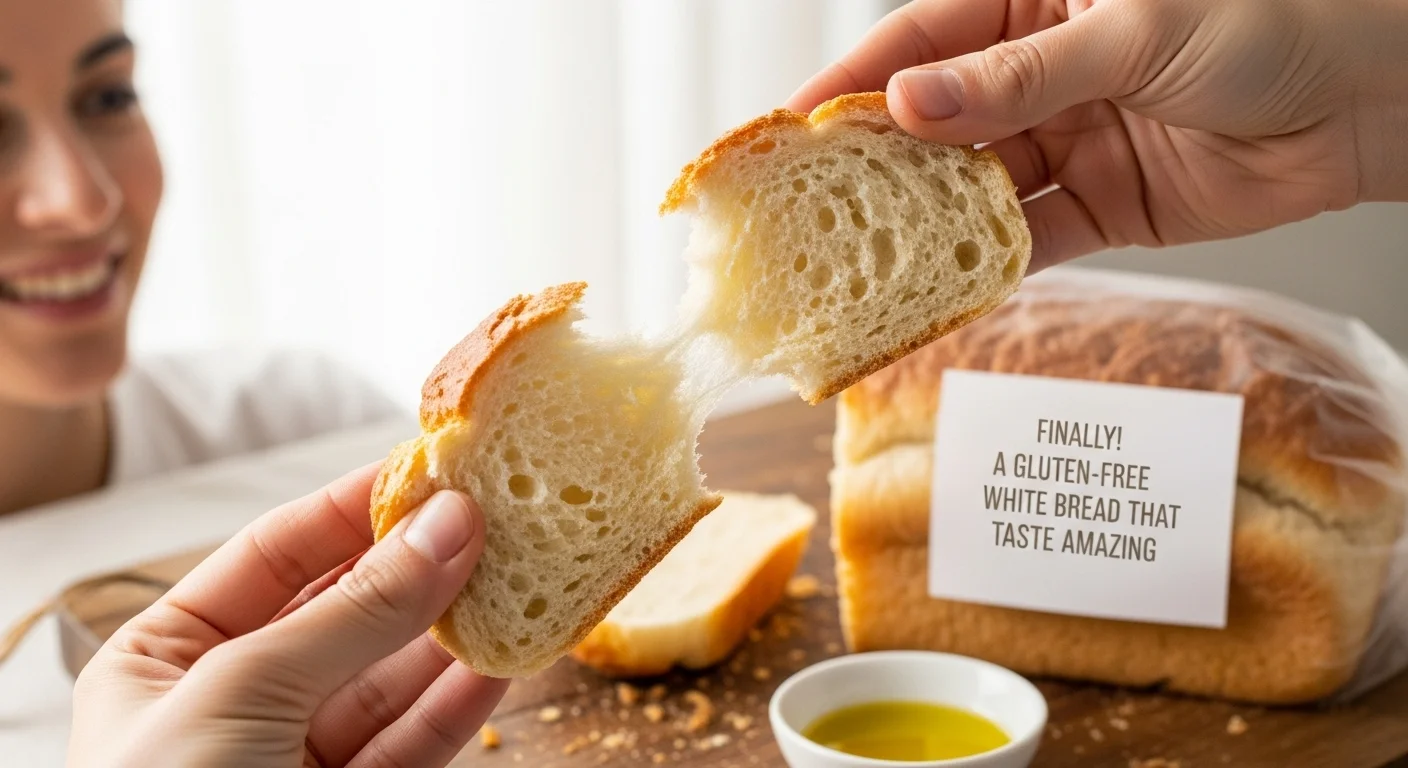
Finding a gluten-free white bread that tastes amazing can feel like a dream come true. After countless attempts at dry, crumbly loaves, I finally discovered a recipe that redefines gluten-free bread. Let’s dive into what makes it special!
Understanding Gluten-Free Bread
What is Gluten-Free Bread?
Gluten-free bread is made without wheat, rye, or barley, which are the grains that contain gluten. For those of us with gluten sensitivities, celiac disease, or those simply choosing to avoid gluten for health reasons, this alternative is a lifesaver. It can be made from a variety of gluten-free grains and flours, giving it a different texture and flavor compared to traditional bread. I remember the first time I tried gluten-free bread; I was surprised by how many options were available, from rice flour to chickpea flour.
Key Differences Between Gluten-Free and Traditional Bread
The most significant difference between gluten-free and traditional bread is, of course, gluten itself. Gluten provides elasticity and structure, which is why traditional bread can rise beautifully and hold its shape. Gluten-free breads often rely on a combination of different flours and binding agents to create a similar texture. I’ve noticed that gluten-free bread tends to be denser than its gluten-filled counterparts, which can be a refreshing change for some but might take getting used to for others.
Common Ingredients in Gluten-Free Bread
When I first started exploring gluten-free baking, I was amazed by the variety of ingredients that can be used. Here are some common ones:
- Gluten-Free Flours: Almond flour, coconut flour, brown rice flour, and others are often used.
- Binders: Ingredients like xanthan gum or psyllium husk help to hold the bread together.
- Leavening Agents: Baking soda and baking powder can provide some lift, just like in traditional bread.
- Sweeteners: Honey, maple syrup, and other natural sweeteners are often added for flavor.
These ingredients can be mixed and matched to create the perfect loaf for any palate. I’ve enjoyed experimenting with different combinations to find what works best for my family and me. For more gluten-free baking inspiration, check out this delicious recipe for Moist Quinoa Flour Banana Bread.
Why Gluten-Free White Bread?
Health Benefits of Gluten-Free Diets
Many people assume gluten-free diets are just a trend, but I’ve learned there are real health benefits for those who need it. Removing gluten from my diet helped me feel less bloated and more energetic. For individuals with celiac disease or gluten intolerance, avoiding gluten is essential for maintaining overall health. I’ve read stories from friends and online communities about how going gluten-free has changed their lives, and I can relate to those experiences.
Who Should Consider Gluten-Free Bread?
Gluten-free bread isn’t just for those with celiac disease or gluten sensitivity; it can be a great option for anyone looking to diversify their diet. Many people who are simply curious about gluten-free options find that they enjoy the taste and texture of gluten-free bread. I often recommend it to friends who are trying to eat healthier or who want to reduce their gluten intake, even if they don’t have sensitivities.
Misconceptions About Gluten-Free Bread
One misconception I encountered was the idea that gluten-free bread tastes bland or has an odd texture. While I’ve certainly had my share of disappointing gluten-free loaves, I’ve also discovered some that are incredibly delicious. The key is to find the right combination of ingredients that cater to your taste preferences. If you haven’t tried a well-made gluten-free white bread yet, I encourage you to give it a shot. You might be pleasantly surprised!
Understanding gluten-free bread is just the beginning. It opens up a world of possibilities for those of us who want to enjoy the comfort of bread without the gluten. Throughout my journey, I’ve found that with a little knowledge and experimentation, making gluten-free bread that tastes amazing is entirely achievable. In the next sections, we’ll explore the ingredients that make these delightful loaves possible. Stay tuned!
Exploring the Ingredients
Essential Gluten-Free Flours
One of the most exciting aspects of gluten-free baking is the wide variety of flours we can use. Each type has its own unique flavor and texture, allowing us to create a truly customized loaf of bread. I remember the first time I experimented with different flours; it felt like I was a kid in a candy store! Here are some of my favorites:
Almond Flour
Almond flour has become a staple in my gluten-free pantry. It not only adds a lovely nutty flavor but also gives the bread a rich, moist texture. I’ve found that it works wonderfully in combination with other flours, enhancing the overall taste. Plus, it’s packed with protein and healthy fats, which is a nice bonus for those of us trying to eat well.
Coconut Flour
Coconut flour is another fantastic option. It’s incredibly absorbent, which means you often need to adjust the liquid in the recipe when using it. I typically mix it with almond flour to strike a balance between moisture and structure. The subtle sweetness of coconut flour can also add a delightful flavor to the bread, making it a favorite in my baking adventures.
Brown Rice Flour
Brown rice flour is a versatile choice that I often use in gluten-free recipes. Its mild flavor doesn’t overpower other ingredients, making it perfect for those who prefer a more neutral taste. I like to use it as a base in my bread recipes, combining it with other flours to create that perfect texture. It’s also a great source of fiber, which is essential for a healthy diet.
Binders and Thickeners
Since gluten is absent in gluten-free bread, we need binders to help hold everything together. I’ve learned that choosing the right binders can make a significant difference in the final product.
Xanthan Gum
Xanthan gum is one of the most popular binders in gluten-free baking. It’s a thickening agent that helps create the elasticity that gluten would provide. I remember trying a loaf without it once, and let me tell you, it was a crumbly disaster! Just a small amount goes a long way in helping the bread rise and maintain its structure.
Psyllium Husk
Psyllium husk is another fantastic option I’ve grown to love. It not only acts as a binder but also adds a bit of fiber, which I always appreciate. I’ve found that it helps create a texture similar to traditional bread, making it a perfect addition to my gluten-free recipes. When I use psyllium husk, my bread tends to have a lovely chewy consistency that I really enjoy.
Sweeteners and Flavor Enhancers
Sweeteners play a crucial role in enhancing the flavor of gluten-free bread. I’ve discovered that they can really elevate the taste and aroma of the final product, making it even more enjoyable.
Honey vs. Sugar
When it comes to sweeteners, honey is one of my go-to options. It adds a natural sweetness and a hint of flavor that I love. However, I’ve also used sugar in various forms, like coconut sugar or brown sugar, which provide a different texture and richness. It’s all about finding what works best for your taste buds. I often switch between honey and sugar depending on the recipe and the flavor profile I’m aiming for.
Apple Cider Vinegar
Apple cider vinegar might seem like an odd addition to bread, but it serves a purpose. It helps improve the texture and flavor of gluten-free bread, giving it a subtle tang that balances out the sweetness. I like to add a splash to my bread recipes, and I’ve found that it helps the loaf rise better, too. It’s a simple trick that can make a noticeable difference!
These ingredients are the building blocks of delicious gluten-free bread. I’ve enjoyed experimenting with them and discovering how they interact to create the texture and flavor I desire. In my journey, I’ve learned that understanding these components is key to creating that perfect loaf. Next, we’ll dive into a favorite topic of mine: the best gluten-free white bread recipe! Get ready to roll up your sleeves and start baking!
The Best Gluten-Free White Bread Recipe
Ingredients Needed
Now that we’ve explored the various ingredients and their roles in gluten-free baking, it’s time to put that knowledge to use with a fantastic gluten-free white bread recipe. I remember the excitement I felt when I first gathered all the ingredients for this bread. It felt like a mini celebration in my kitchen! Here’s what you’ll need:
- 2 cups gluten-free all-purpose flour (I prefer a blend that contains brown rice flour, tapioca flour, and almond flour)
- 1/2 cup almond flour
- 1/4 cup coconut flour
- 1 tablespoon xanthan gum
- 1 teaspoon baking powder
- 1 teaspoon salt
- 1 tablespoon honey (or sugar, depending on your preference)
- 1 tablespoon apple cider vinegar
- 1 1/2 cups warm water (about 110°F)
- 2 teaspoons active dry yeast
- 2 tablespoons olive oil or melted coconut oil
Having these ingredients on hand allows me to whip up a loaf whenever the craving strikes. I’ve learned that measuring accurately is key, especially in gluten-free baking where the balance of ingredients can make or break the loaf.
Step-by-Step Instructions
Let’s get into the fun part—baking! I’ve found that following these steps carefully leads to the best results. Here’s how I make my gluten-free white bread:
- Activate the Yeast: In a small bowl, combine warm water, honey, and yeast. Let it sit for about 5-10 minutes until it becomes frothy. This step is crucial because it ensures the yeast is alive and will help the bread rise.
- Mix Dry Ingredients: In a large mixing bowl, whisk together the gluten-free all-purpose flour, almond flour, coconut flour, xanthan gum, baking powder, and salt. I love how the combination of flours creates such a rich texture!
- Combine Wet Ingredients: In another bowl, mix the activated yeast mixture with apple cider vinegar and olive oil. Stir well to combine.
- Combine Wet and Dry Mixtures: Pour the wet ingredients into the dry mixture. Use a spatula or wooden spoon to mix until it becomes a thick, sticky dough. At this point, I usually get a little excited because I can already smell the deliciousness!
- Let It Rise: Cover the bowl with a clean kitchen towel and let the dough rise in a warm place for about 30-45 minutes. I like to place it near the oven while it preheats—it’s the perfect warm spot!
- Shape the Dough: After the dough has risen, transfer it to a greased loaf pan. Use a spatula to smooth the top. I often wet my hands to shape it without too much stickiness.
- Bake: Preheat your oven to 375°F (190°C). Cover the loaf with the towel again and let it rise for another 20-30 minutes. Then, bake for about 30-35 minutes, or until the top is golden brown and sounds hollow when tapped.
- Cool: Once baked, take the bread out of the oven and let it cool in the pan for about 10 minutes. Then, transfer it to a wire rack to cool completely. This step is important—if you slice it too soon, it may crumble!
Baking Tips for Perfect Gluten-Free Bread
As I’ve experimented with this recipe, I’ve picked up some handy tips that have made my gluten-free bread even better:
- Use a Kitchen Scale: I recommend weighing your ingredients for accuracy, especially the flours. This can make a significant difference in the final texture.
- Don’t Skip the Resting Times: Allowing the dough to rise properly is crucial. Skipping this step can lead to a dense loaf.
- Experiment with Flavors: Feel free to add herbs, spices, or seeds to the dough for an extra flavor boost. I’ve added garlic powder and sunflower seeds for a delightful twist.
- Store Properly: Once cooled, I usually slice the bread and store it in an airtight container. This keeps it fresh for days!
Baking gluten-free white bread has become one of my favorite kitchen activities. With practice, I’ve learned how to tweak the recipe to suit my taste, and I hope you find joy in this process too! Next, we’ll explore ways to enhance the flavor and texture of our gluten-free bread for even more delicious possibilities.
How to Enhance the Flavor and Texture
Adding Seeds and Nuts
One of the easiest and most delightful ways I’ve found to elevate gluten-free white bread is by incorporating seeds and nuts. Not only do they add a fantastic crunch, but they also bring in extra nutrients and flavors. I often toss in sunflower seeds, pumpkin seeds, or even chopped walnuts to my bread dough. The result is a beautiful blend of textures that I absolutely love. I remember the first time I added chia seeds; they not only created a lovely look but also contributed to the overall moisture of the loaf.
Herbs and Spices for Extra Flavor
Herbs and spices can transform a simple loaf into something extraordinary. I’ve experimented with adding dried herbs like rosemary and thyme, which complement the bread’s flavor beautifully. A sprinkle of garlic powder or onion powder can also give it that savory kick I crave. When I bake a loaf with these additions, my kitchen fills with an enticing aroma that has everyone asking, “What’s cooking?” It’s amazing how a small amount of seasoning can make such a big difference!
How to Achieve a Crispy Crust
A crispy crust is something I always aim for when baking gluten-free bread. One trick I’ve learned is to place a small pan of water on the bottom rack of the oven while the bread is baking. This creates steam, which helps develop that lovely crust we all desire. I’ve also found that brushing the top of the dough with olive oil before baking gives it a beautiful golden color and adds to the crispiness. There’s something so satisfying about that first bite of crusty bread!
Storing and Freezing Gluten-Free Bread
Best Practices for Storage
Once I’ve baked my gluten-free bread, the next question is always about how to store it. I usually let the loaf cool completely before slicing it. This is a crucial step because slicing too soon can lead to crumbling. I recommend storing the sliced bread in an airtight container or a resealable plastic bag at room temperature for up to three days. If I know I won’t finish it within that time, I often choose to freeze some slices for later. It’s a great way to ensure I always have fresh bread on hand!
How to Freeze Gluten-Free Bread
Freezing gluten-free bread couldn’t be easier. What I do is slice the loaf and then place parchment paper between the slices to prevent them from sticking together. I then put the slices in a freezer-safe bag and label it with the date. This way, I can enjoy a piece of homemade gluten-free bread whenever I want without worrying about it going stale. I’ve learned that properly frozen bread can last for up to three months, and it still tastes great when thawed.
How to Thaw and Reheat
When I’m ready to enjoy a slice of my frozen gluten-free bread, I take it out of the freezer and let it sit at room temperature for about 15-20 minutes. If I want it warm and toasty, I simply pop it in the toaster or the oven for a few minutes. There’s nothing quite like the smell of freshly toasted bread wafting through my home. I often enjoy it with a spread of avocado or my favorite jam, which adds to the delightful experience.
Where to Buy Gluten-Free White Bread
Top Brands to Consider
If baking isn’t your thing or you want a quick option, there are some fantastic gluten-free bread brands available. I’ve found that brands like Udi’s, Franz, and Schär offer great-tasting gluten-free white bread. Each has its unique texture and flavor, so I recommend trying a few to see which one you like best. When I don’t have time to bake, I often rely on these brands for a quick sandwich or toast.
Local Bakeries Offering Gluten-Free Options
Another great option is to check out local bakeries that specialize in gluten-free products. I’ve discovered some hidden gems in my area that make amazing gluten-free bread. It’s always nice to support local businesses, and the quality is often top-notch. I enjoy asking the bakers about their ingredients and methods, which can provide a deeper appreciation for what goes into each loaf.
Online Retailers for Gluten-Free Bread
For those who prefer shopping from home, many online retailers offer gluten-free bread options. Websites like Amazon and Thrive Market have a wide selection of gluten-free products, including white bread. I often browse these sites when I’m looking for specific brands or flavors that aren’t available locally. Plus, it’s convenient, and I can stock up without leaving my house!
Gluten-Free Bread FAQs
Can Gluten-Free Bread Be Toasted?
Absolutely! I’ve toasted gluten-free bread many times, and it always turns out delicious. Just like traditional bread, you can enjoy it toasted with your favorite toppings. I love making avocado toast with my gluten-free bread, and toasting it gives it that perfect crunch.
Why Does Gluten-Free Bread Crumble?
One of the common issues I’ve faced with gluten-free bread is crumbling. This typically happens if the bread isn’t baked long enough or if it’s sliced while still warm. I’ve learned that allowing the bread to cool completely before slicing is essential. Using the right combination of binders can also help improve the structure and reduce crumbling.
How Long Does Gluten-Free Bread Last?
When stored properly, gluten-free bread can last for up to three days at room temperature. If frozen, it can last for about three months. I’ve found that it’s best to keep an eye on the bread and consume it while it’s fresh for the best taste and texture.
Success Stories and Reviews
Customer Testimonials
After sharing my experiences and favorite recipes with friends and family, I’ve heard so many success stories. Many have tried making gluten-free bread themselves and were thrilled with the results. It’s empowering to see others discover how enjoyable gluten-free baking can be!
Comparative Reviews of Popular Brands
In my quest for the best gluten-free bread, I’ve tried various brands and always found something unique about each. It’s fascinating to read reviews and see how others compare their experiences with different products. I often find that people appreciate the nuances in texture and flavor, just as I do.
Homemade vs. Store-Bought: Which is Better?
For me, there’s something special about homemade gluten-free bread. I love the process, the experimentation, and the satisfaction of pulling a warm loaf out of the oven. However, I completely understand the convenience of store-bought options when life gets busy. Ultimately, it depends on your preferences and lifestyle. I enjoy both, and I think having the option to choose is part of the joy of gluten-free living! For a fun treat, check out my recipe for Classic Gluten-Free Gingerbread Cookies.
Final Thoughts
My journey into the world of gluten-free bread has been transformative. From experimenting with different flours and ingredients to sharing my homemade loaves with friends and family, I’ve learned so much along the way. Whether you’re baking from scratch or exploring store-bought options, I hope you find joy and satisfaction in your gluten-free bread experience. Remember, the key is to embrace the process, have fun with flavors, and, most importantly, enjoy every delicious bite! And if you’re looking for a delightful dessert, don’t miss my recipe for The Perfect Gluten-Free Pumpkin Pie!
Frequently Asked Questions
What is gluten-free bread?
Gluten-free bread is made without wheat, rye, or barley, which are grains that contain gluten. It can be made from various gluten-free grains and flours, resulting in different textures and flavors compared to traditional bread.
What are some common ingredients in gluten-free bread?
Common ingredients in gluten-free bread include gluten-free flours such as almond flour and coconut flour, binders like xanthan gum or psyllium husk, leavening agents like baking soda and baking powder, and sweeteners such as honey or maple syrup.
Who should consider eating gluten-free bread?
Gluten-free bread is ideal for individuals with celiac disease or gluten sensitivity. However, it can also be a great option for anyone looking to diversify their diet or reduce gluten intake.
How can I enhance the flavor of gluten-free bread?
You can enhance the flavor of gluten-free bread by adding seeds, nuts, herbs, and spices. Ingredients like sunflower seeds, rosemary, garlic powder, or onion powder can transform the bread’s taste and texture.
What are some baking tips for making perfect gluten-free bread?
Some baking tips include using a kitchen scale for accurate measurements, allowing the dough to rise properly, experimenting with flavors, and storing the bread in an airtight container to maintain freshness.
How should I store gluten-free bread?
Once baked, gluten-free bread should be allowed to cool completely before slicing. It can be stored in an airtight container or resealable plastic bag at room temperature for up to three days. For longer storage, it can be frozen.
Can gluten-free bread be toasted?
Yes, gluten-free bread can be toasted just like traditional bread. It retains its delicious flavor and can be enjoyed with various toppings.
Why does gluten-free bread sometimes crumble?
Gluten-free bread may crumble if it isn’t baked long enough or if it’s sliced while still warm. Allowing the bread to cool completely before slicing and using the right combination of binders can help improve its structure.
How long does gluten-free bread last?
When stored properly, gluten-free bread can last up to three days at room temperature. If frozen, it can last for about three months while still maintaining good taste and texture.
What are some top brands for gluten-free white bread?
Top brands for gluten-free white bread include Udi’s, Franz, and Schär. These brands offer great-tasting options, each with unique textures and flavors.