
Have you ever found yourself with leftover sourdough starter and wondered what to do with it? Let’s dive into the delightful world of flaky sourdough discard shortcrust pastry, perfect for creating irresistible pies! Read Interesting article: Easy Sourdough Discard Cinnamon Twists (A Sweet Treat)
Understanding Sourdough Discard
What is Sourdough Discard?
Sourdough discard is the portion of sourdough starter that you remove before feeding it fresh flour and water. When you maintain a sourdough starter, it grows over time. To keep it healthy and active, you need to remove some of it regularly. This leftover starter, often called “discard,” can feel like a burden, but it’s a treasure in disguise! I remember the first time I learned about sourdough discard; it was like opening a door to endless baking possibilities. Instead of tossing it out, I realized I could incorporate it into various recipes, enhancing flavor and texture.
Benefits of Using Sourdough Discard in Baking
Using sourdough discard in baking not only reduces waste but also adds a unique flavor profile to your baked goods. The natural fermentation process gives your pastry a slight tang, which can beautifully balance sweet and savory fillings. I’ve found that it adds a depth of flavor that regular pastry recipes just can’t match. Plus, the probiotics in the discard can be beneficial for gut health, making every bite not only delicious but also a tiny bit nutritious!
How to Collect and Store Sourdough Discard
Collecting sourdough discard is easy! When you feed your starter, just make sure to set aside a cup or so of the old mixture. I usually keep a designated jar in my fridge to store the discard. It’s important to label it with the date, so I know how long it’s been sitting there. I’ve learned that sourdough discard can last up to two weeks in the refrigerator. Just remember to use it before it starts to develop an overly sour smell or any signs of mold. If you’re not ready to use it right away, you can freeze it in small portions. This way, I always have some on hand for spontaneous baking adventures. Read Interesting article: Flaky Sourdough Discard Pie Crust (A Buttery, Tangy Base)
Ingredients for Flaky Sourdough Discard Shortcrust Pastry
Essential Ingredients Explained
Now that we understand sourdough discard, let’s talk about the key ingredients for making a flaky shortcrust pastry. Each ingredient plays a vital role in achieving that perfect texture and flavor.
Flour Types and Their Impact
The type of flour you choose can significantly affect the outcome of your pastry. All-purpose flour is commonly used, as it provides a good balance of protein and starch. However, I’ve experimented with whole wheat flour and found it gives a delightful nuttiness to the crust. For a lighter texture, you might want to blend in some pastry flour. I recommend trying different combinations to find your favorite blend; it’s part of the fun of baking!
Butter vs. Shortening
When it comes to fat, butter is my go-to for flavor. It gives the pastry a rich, delicious taste and helps create that flaky texture we all love. Some bakers prefer shortening or a mix of both, as shortening can provide an even flakier texture. I’ve tried using a combination of butter and cold vegetable shortening, which gave me the best of both worlds: flavor and flakiness. It’s worth experimenting to see what you enjoy most!
The Role of Sourdough Discard
We can’t forget about the sourdough discard! It adds moisture to the dough while also contributing to its structure. The natural acids in the discard help to tenderize the pastry, making it incredibly flaky. In my experience, using about 1/4 to 1/2 cup of discard works well for most recipes. Plus, it’s a great way to reduce waste while enhancing the flavor. I love knowing that I’m using something that would otherwise be thrown away!
Salt and Sweeteners
Salt is essential for balancing flavors and enhancing the overall taste of your pastry. I always add a pinch of salt, even in sweet pies. If you’re making a sweet pastry, consider adding a bit of sugar to the dough to enhance the flavor. Just be careful not to go overboard; a little goes a long way. I usually add a tablespoon of sugar if the filling is sweet, and it makes all the difference.
Equipment Needed
Basic Baking Tools
Before diving into the world of flaky sourdough discard shortcrust pastry, it’s essential to gather the right tools. I’ve learned that having the right equipment can make a big difference in the baking process. Here are some basic tools you’ll need:
- Mixing Bowl: A large mixing bowl is crucial for combining your ingredients. I prefer using glass or stainless steel since they are sturdy and easy to clean.
- Measuring Cups and Spoons: Accurate measurements can make or break your pastry, so I always keep a set of dry and liquid measuring cups handy.
- Pastry Cutter or Fork: To incorporate the butter or shortening into the flour, a pastry cutter or a fork works well. I’ve found that a pastry cutter gives me more control over the texture.
- Rolling Pin: A good rolling pin is essential for rolling out your dough evenly. I love using a marble one because it stays cool and makes the rolling process smoother.
- Pie Dish or Tart Pan: Depending on your choice of filling, a pie dish or a tart pan will work perfectly. I prefer a removable bottom tart pan for easy access.
Recommended Equipment for Best Results
While the basics will help you get started, a few additional tools can elevate your pastry-making experience:
- Silicone Baking Mat: I can’t recommend this enough! It provides a non-stick surface for rolling out the dough and makes cleanup a breeze.
- Food Processor: If you’re short on time, a food processor can quickly blend your ingredients and save you some elbow grease. I often use it for the initial mixing of the butter and flour.
- Pastry Brush: This is incredibly handy for applying egg wash to your pastry before baking, giving it that lovely golden color.
- Thermometer: An oven thermometer can ensure your oven is at the right temperature, which is crucial for achieving that perfect flaky crust.
Step-by-Step Guide to Making Sourdough Discard Shortcrust Pastry
Preparing Your Ingredients
Now that we have our equipment ready, it’s time to prepare our ingredients. I usually start by measuring out my flour, butter, and sourdough discard. It’s amazing how much easier the process feels when everything is organized. I recommend setting up a clean workspace where you can spread out all your ingredients. This not only makes things more efficient but also more enjoyable! I also ensure that my butter is cold, as this is key to creating that flaky texture we all love.
Mixing the Dough
Once everything is measured, I begin by combining the flour and salt in a mixing bowl. If I’m using sugar, I add it at this stage as well. Next, I cut in the cold butter using a pastry cutter until the mixture resembles coarse crumbs. I’m always excited to see those little flakes of butter peeking through! After that, I add the sourdough discard and mix until the dough just comes together. I like to use my hands at this point, as it allows me to feel the texture and ensure everything is well incorporated.
Chilling the Dough for Flakiness
After mixing, I shape the dough into a disc, wrap it in plastic wrap, and refrigerate it for at least 30 minutes. This chilling step is so important! It allows the gluten to relax and helps maintain that flakiness we’re aiming for. I’ve learned that skipping this step can lead to a tough crust. So, I usually set a timer and use this time to clean up my workspace or prepare my pie filling.
Rolling Out the Pastry
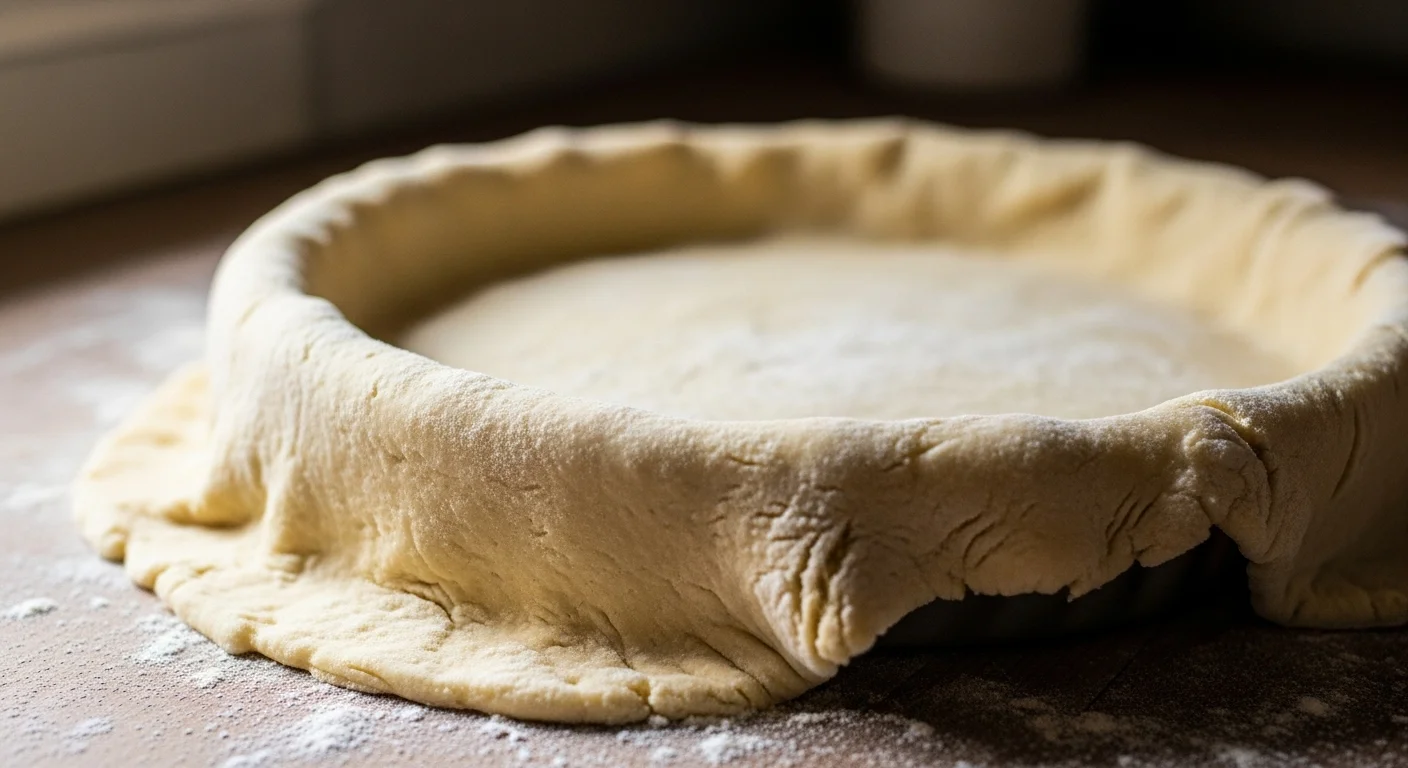
Once my dough is chilled, I lightly flour my work surface and rolling pin. I take the dough out of the fridge and let it sit for a couple of minutes; this makes it easier to roll out. I start from the center and roll outward, turning the dough frequently to maintain an even thickness. I often visualize the shape of my pie dish as I roll to ensure it fits nicely. If the dough sticks, a little more flour does the trick! When I achieve the desired thickness, I gently transfer it to my pie dish, trimming any excess hanging over the edges.
How to Blind Bake the Pastry
Blind baking is crucial if you’re using a wet filling, and I’ve found it makes a significant difference in the final texture. To do this, I preheat my oven to 375°F (190°C). I prick the bottom of the pastry with a fork to prevent bubbling. Then, I lay a sheet of parchment paper over the pastry and fill it with pie weights or dried beans. This ensures the crust holds its shape while baking. I generally bake it for about 15-20 minutes, removing the weights halfway through. The crust should look lightly golden and be firm to the touch.
Common Mistakes to Avoid
Overworking the Dough
One of the biggest pitfalls I’ve encountered while making shortcrust pastry is overworking the dough. I remember the first time I tried to knead it like bread, thinking it would help. Instead, I ended up with a tough, chewy crust rather than the flaky, tender pastry I was aiming for. The key is to handle the dough gently and just mix until everything is combined. I like to think of it as a delicate dance—too much pressure can ruin the result. If I notice that the dough is becoming sticky, I’ll sprinkle a bit more flour instead of working it more. This simple shift has made a world of difference in my baking adventures!
Not Chilling the Dough Long Enough
I can’t stress enough the importance of chilling the dough. When I first started, I often skipped this step, thinking it wouldn’t matter much. Boy, was I wrong! Chilling the dough allows the fats to firm up, which is crucial for achieving that desired flakiness. The gluten also needs a little time to relax, which makes rolling and shaping easier. When I finally committed to chilling the dough for at least 30 minutes (and sometimes even longer), I noticed a significant improvement in texture. I recommend setting a timer and resisting the urge to rush this step!
Incorrect Oven Temperatures
Getting the oven temperature just right can make or break your pastry. I once baked a pie at what I thought was the ideal temperature, only to find that the crust was burnt on the edges while the center was still raw. I learned the hard way that oven temperatures can vary significantly from what’s displayed. To avoid this, I always use an oven thermometer to ensure accuracy. Once I started doing this, my pastries baked more evenly, and the results were consistently delicious. It’s a small investment for a big payoff!
Creative Uses for Sourdough Discard Shortcrust Pastry
Classic Pie Fillings
Now that you’ve got your flaky sourdough discard shortcrust pastry perfected, let’s explore some delightful filling options! I love a classic apple pie, especially in the fall when the apples are fresh and crisp. A hint of cinnamon and nutmeg paired with that tangy crust creates a flavor explosion. I also enjoy making a rich cherry pie, where the tartness of the cherries complements the slight tang of the sourdough. The beauty of this pastry is that it can elevate any filling, whether it’s sweet or savory. I remember making a peach pie once, and my friends couldn’t stop raving about how the crust was the best part!
Quiches and Savory Tarts
If you’re in the mood for something savory, quiches and tarts are fantastic options. I’ve found that a quiche Lorraine, filled with eggs, cream, cheese, and crispy bacon, pairs wonderfully with the flaky crust. The sourdough adds an unexpected depth of flavor that takes it to the next level! Another favorite of mine is a spinach and feta tart. The combination of the creamy filling and the flaky pastry makes for a delightful brunch dish. Plus, I love how versatile quiches can be; you can use whatever vegetables and cheeses you have on hand! Read Interesting article: Quick Sourdough Discard Flatbread (No Yeast Needed)
Sweet Treats and Desserts
We can’t forget about sweet treats! I’ve experimented with making hand pies filled with various fruit preserves or even chocolate ganache. These little pockets of joy are perfect for dessert or as a snack. I also enjoy using the pastry for individual tarts—think lemon curd or chocolate tart. The tanginess of the sourdough crust wonderfully balances the sweetness of the fillings. Whenever I bring these to gatherings, they disappear in no time! I’ve learned that people are often surprised to find out that the crust is made from sourdough discard; it’s a great conversation starter!
Storage and Reheating Tips
How to Store Leftover Pastry
After a baking session, there are often some leftovers. I’ve learned that properly storing the pastry can extend its life and maintain its quality. If you have unbaked pastry, I recommend wrapping it tightly in plastic wrap and refrigerating it for up to three days. This way, it’s ready for your next baking adventure! If you know you won’t use it within that time, freezing it is an excellent option. I usually shape it into a disc, wrap it well, and stash it in the freezer. When I’m ready to use it, I just let it thaw in the refrigerator overnight.
Best Practices for Freezing Pastry
When freezing pastry, I find it helpful to label the wrapping with the date and type of pastry. This simple step ensures I don’t forget what’s in my freezer. When I pull it out to use, I let it thaw completely before rolling out. If I’m in a hurry, I’ve found that leaving it at room temperature for about 15-20 minutes works well, too. Just make sure it’s still slightly chilled when rolling out to maintain that flaky texture!
Reheating Techniques for Optimal Texture
Reheating baked pastries can be a bit tricky; I want them to retain their flaky goodness. I prefer reheating in the oven rather than the microwave, as the microwave can turn them soggy. I set the oven to 350°F (175°C) and place the pastry on a baking sheet. Covering it lightly with foil prevents over-browning. After about 10-15 minutes, I check for warmth, and it usually comes out perfectly crisp and delicious. This method has worked wonders for me, and I encourage you to give it a try!
FAQs about Sourdough Discard Shortcrust Pastry
Can I use any type of sourdough discard?
Yes, you can use any type of sourdough discard! I’ve found that the flavor varies slightly depending on the type of flour used in the starter, but it generally works well across the board. If your starter is particularly sour, it might lend a more pronounced tang to your pastry, which can be delightful in certain recipes.
How does sourdough discard affect the flavor of the pastry?
The sourdough discard adds a unique flavor profile to your pastry. In my experience, it gives a subtle tang that enhances both sweet and savory fillings. It’s like a hidden gem that elevates your baking to a new level!
What if my pastry is too crumbly?
If your pastry turns out too crumbly, it may be due to not enough moisture or overworking the dough. I recommend adding a bit more sourdough discard or ice-cold water, a teaspoon at a time, until it comes together better. Remember, gentle handling is key to achieving that flaky texture!