
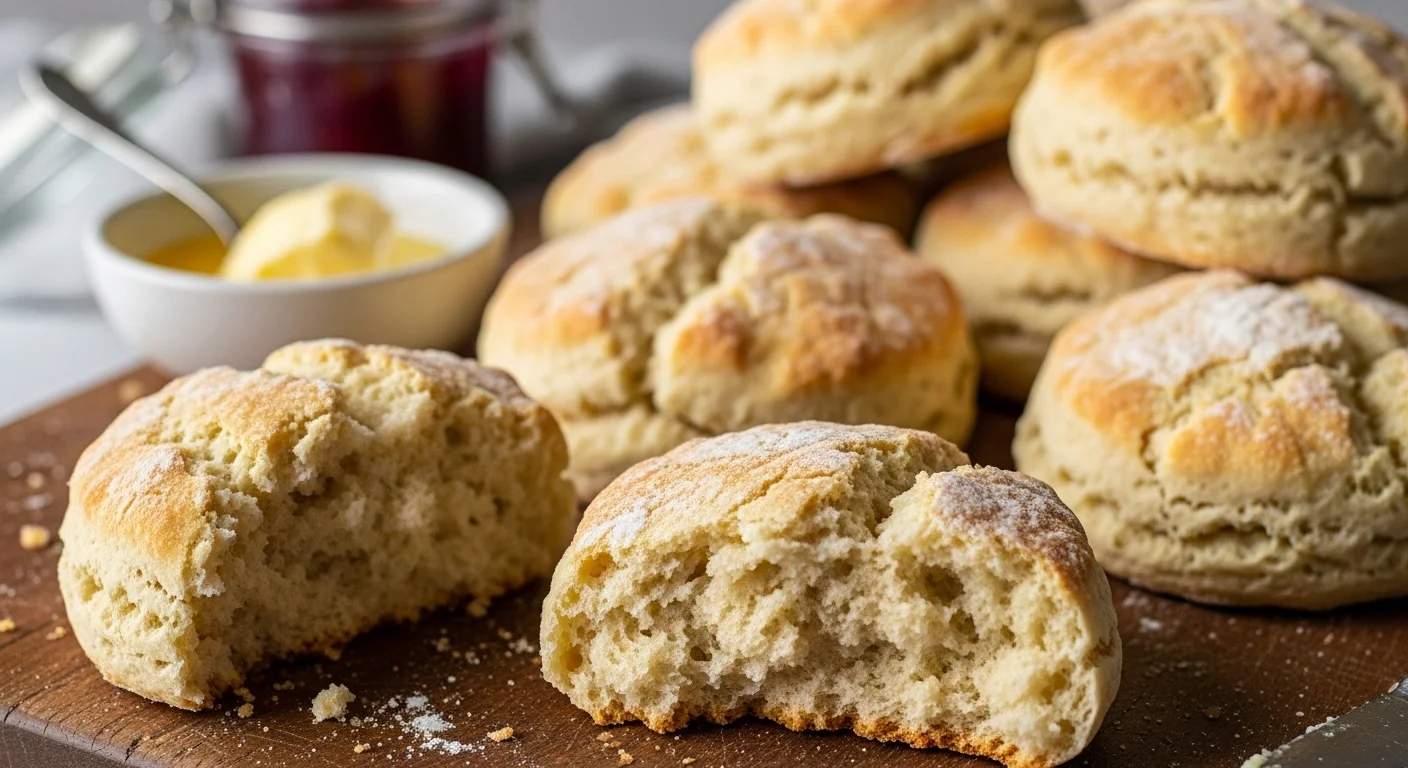
Fluffy sourdough biscuits are a delightful treat that not only satisfies your cravings but also makes great use of sourdough discard. Let’s dive into this quick and easy recipe that will elevate your breakfast or brunch game! Read Interesting article: Overnight Bacon & Egg Brunch Bake: Prep Ahead, Enjoy More
Understanding Sourdough Discard
What is Sourdough Discard?
When I first started my sourdough journey, I was amazed by the process of cultivating my own starter. However, with all the feeding and nurturing, I quickly realized that I was left with a lot of sourdough discard. Sourdough discard is simply the portion of the starter that you remove before feeding it fresh flour and water. It’s a byproduct, but it’s packed with flavor and can be a game changer in baking.
Benefits of Using Sourdough Discard
Using sourdough discard in recipes like biscuits not only reduces waste but also adds a unique flavor profile and texture. I discovered that sourdough discard can enhance the taste of baked goods, giving them a slight tang that complements the buttery goodness of biscuits. Plus, it’s an easy way to incorporate the health benefits of sourdough fermentation into everyday baking. The probiotics in the discard can aid digestion, and the fermentation process can contribute to a more complex flavor. I love how one simple ingredient can elevate my cooking experience. For example, you might also enjoy making Fudgy Sourdough Discard Brownies (You Won’t Taste The Tang) for a delicious dessert!
How to Store Sourdough Discard
Storing sourdough discard is straightforward. I usually keep mine in a glass jar in the fridge, where it can last for about a week. If I know I won’t use it within that time, I freeze it in smaller portions. This way, I can take out just what I need for my biscuit recipe or any other baking adventure. The discard can be thawed overnight in the fridge, or you can let it come to room temperature on the counter before using it. I’ve found that having a stash of sourdough discard on hand makes me more adventurous in the kitchen!
Ingredients for Fluffy Sourdough Biscuits
Essential Ingredients Overview
Creating fluffy sourdough biscuits requires just a handful of ingredients, and I love how simple they are! You’ll need sourdough discard, all-purpose flour, baking powder, baking soda, salt, butter, and buttermilk. Each ingredient plays a crucial role in achieving that light and airy texture we all crave. The sourdough discard gives the biscuits a depth of flavor, while the baking powder and soda work together to create that lovely rise. I remember the first time I made these biscuits; there was something so satisfying about combining these ingredients and watching them transform into something magical in the oven.
Types of Flour: All-Purpose vs. Whole Wheat
When it comes to flour, you can use either all-purpose flour or whole wheat flour. I typically stick to all-purpose for my biscuits because it yields a lighter texture, which is exactly what you want in biscuits. However, if you’re looking to add some whole grain nutrition, mixing in some whole wheat flour can be a great option. I enjoy the nuttiness that whole wheat adds, but I’ve learned it can make the biscuits a bit denser. If you decide to experiment, I recommend starting with a 50/50 blend to see how you like it.
Using Butter vs. Shortening
Butter is my go-to for these biscuits. There’s just something about the rich flavor and the way it creates those flaky layers that I can’t resist. When I use cold, cubed butter and incorporate it into the flour mixture, I can almost feel the excitement building as I see the mixture turn crumbly. If you’re looking for a dairy-free option, shortening is a suitable substitute, but I feel it doesn’t create the same depth of flavor. In my experience, I stick with butter for the best results.
Optional Add-ins: Cheese, Herbs, and Spices
While the classic biscuit is amazing on its own, I love to play around with different add-ins. Cheese, like cheddar or feta, can add a delightful richness. Fresh herbs like chives or rosemary also bring a wonderful aroma and flavor. I remember one sunny morning, I added some garlic powder and cheddar to my biscuit dough, and the results were beyond delicious! The versatility of sourdough biscuits means you can get creative and cater to your own tastes.
Step-by-Step Instructions for Making Fluffy Sourdough Biscuits
Preparing the Dough
Now that we have our ingredients ready, it’s time to dive into the fun part: making the dough! I start by preheating my oven to 425°F (220°C), which gets the baking environment nice and toasty. In a large bowl, I mix together the all-purpose flour, baking powder, baking soda, and salt. I usually whisk these dry ingredients thoroughly to ensure everything is well combined. It’s like a little ritual for me; I find it satisfying to watch the flour blend with the other ingredients.
Next, I add the cold, cubed butter to the flour mixture. I use my fingertips to rub the butter into the flour until it resembles coarse crumbs. This step is crucial because it’s what helps create those flaky layers we all love in biscuits. I remember the first time I tried this; I felt like a professional baker as I watched the mixture transform. Once I get to that crumbly stage, I gently fold in the sourdough discard and buttermilk, mixing just until everything comes together. Overmixing can lead to tough biscuits, and trust me, I learned that the hard way!
How to Roll and Cut Biscuits
After preparing the dough, I lightly flour my work surface and turn the dough out onto it. It’s a little sticky at first, but with a sprinkle of flour, it becomes much easier to handle. I gently pat the dough into a rectangle about 1-inch thick. I use a rolling pin for this, but honestly, I sometimes just use my hands because I like to keep it rustic.
Now comes the fun part—cutting the biscuits! I use a biscuit cutter, but a simple glass works just as well. I press down firmly and twist slightly to ensure a clean cut. I learned early on that twisting can seal the edges of the biscuit, preventing them from rising as beautifully as they should. So, I just press straight down and lift. I place the cut biscuits on a baking sheet lined with parchment paper, making sure to leave some space between each one. I often get a little creative with the leftover dough, squishing it back together and cutting more biscuits. They may not look as perfect, but they still taste amazing!
Baking Tips for Perfect Texture
Once my biscuits are on the baking sheet, I pop them in the preheated oven and set a timer for about 12-15 minutes. The smell that fills my kitchen during this time is simply heavenly! I keep an eye on them, looking for that golden-brown color on top. One of the baking tips I’ve learned is to rotate the baking sheet halfway through the baking time. Ovens can have hot spots, and rotating helps ensure even browning. I also like to brush a little melted butter on top of the biscuits just before they finish baking for that extra shine and flavor.
Adjusting Baking Time for Different Ovens
Every oven is unique, and I’ve had my fair share of baking mishaps due to this. I recommend doing a quick check a minute or two before the timer goes off, especially if you know your oven tends to run hot or cold. If the biscuits are golden and have risen nicely, they are ready to come out. On the other hand, if they still look pale, I give them a couple more minutes. I’ve learned that patience pays off when it comes to baking. Once they’re out of the oven, I let them cool for a few minutes on a wire rack, but I can never resist digging into one while it’s still warm!
Serving Suggestions for Sourdough Biscuits
Best Pairings: Jams, Butters, and Spreads
When it comes to serving these fluffy sourdough biscuits, the sky’s the limit! I love to slather mine with homemade jam or a dollop of honey butter. There’s something so comforting about warm biscuits paired with sweet spreads. I remember having a brunch with friends where I set out a variety of jams, from strawberry to peach, and it turned into a delightful tasting experience. Everyone had their favorite, and we ended up mixing and matching flavors, which was so much fun! If you’re looking for a comforting soup to serve alongside, try my Simple Creamy Potato Soup (The Ultimate Comfort).
Creative Ways to Use Leftover Biscuits
If I happen to have leftover biscuits (which is rare), I like to get a little creative. One of my favorite ways to use them is to make biscuit sandwiches. I’ll slice them in half and fill them with eggs, cheese, and crispy bacon for a delicious breakfast on the go. Another idea is to crumble them over a salad for a unique twist on croutons. I’ve even used leftover biscuits to make a savory bread pudding, which was a hit at my last dinner party. The possibilities are endless, and it’s such a joy to find new ways to enjoy these delightful treats!
Common Mistakes and Troubleshooting
What to Do if Biscuits Are Too Dense
We’ve all been there—those moments when you pull out a batch of biscuits, only to realize they’re denser than you hoped. From my experience, this usually happens for a couple of reasons. First, overmixing the dough can lead to tough biscuits, as it develops the gluten too much. If you’ve noticed this issue, try to mix the ingredients just until combined next time. It’s okay if there are a few lumps! Another culprit could be using too much flour. I’ve learned that flour measurements can vary, especially if you’re scooping straight from the bag. I recommend spooning flour into your measuring cup and then leveling it off for accuracy. If you encounter dense biscuits, don’t fret! They still taste great; you just might want to try a lighter touch on the next batch.
Fixing Overly Dry Biscuits
Dry biscuits can be a letdown, especially if you were dreaming of that fluffy, melt-in-your-mouth texture. If you’ve ended up with dry biscuits, the first thing I would consider is the amount of flour used. Too much flour can lead to a dry outcome, so always measure carefully. Another reason could be overbaking. I remember a time when I got a little distracted while baking, and my biscuits turned out too dry. To prevent this, keep an eye on them as they bake, and take them out as soon as they are golden and risen. If your biscuits do turn out dry, there’s no need to toss them! I often serve them with a generous helping of honey butter or my favorite jam to add moisture back in. You might also consider drizzling a little milk over them before reheating to help revive them.
How to Achieve the Perfect Rise
Getting that perfect rise can sometimes feel like a baking mystery. I’ve learned that several factors contribute to the height of your biscuits. First, the freshness of your baking powder and baking soda plays a crucial role. If these leavening agents are past their prime, they won’t give your biscuits the lift they need. I like to test them by adding a little baking soda to vinegar—if it fizzes, it’s still good! Also, don’t forget to use cold ingredients. Keeping your butter and buttermilk cold helps the biscuits rise beautifully as the cold fat creates steam during baking. Lastly, avoid pressing down too hard when you cut the biscuits. A gentle press ensures that the layers stay intact, allowing them to rise instead of flattening out. It’s these little details that can make all the difference!
Frequently Asked Questions (FAQs)
Can I Use Regular Yeast Instead of Sourdough Discard?
This is a question I’ve pondered myself! While you technically could use regular yeast in a biscuit recipe, I feel that it wouldn’t yield the same delightful flavor and texture that sourdough discard brings. Sourdough discard adds a unique tang and depth that commercial yeast just doesn’t replicate. If you’re looking to experiment, you could try a combination of both—just be mindful of how much yeast you use, as it can alter the final texture and flavor significantly.
How Long Do Leftover Biscuits Last?
Leftover biscuits are a beloved treasure in my kitchen, but I always want to know how to store them correctly. Typically, they can last about 2-3 days at room temperature if stored in an airtight container. I’ve found that they taste best when they’re fresh, so I try to enjoy them within that time frame. If you want to keep them longer, I recommend freezing them. Simply place them in a freezer-safe bag or container, and they can last up to 3 months. When I’m ready to enjoy them, I thaw them overnight in the fridge and then reheat in the oven for that just-baked taste!
Can I Freeze Sourdough Biscuits?
Absolutely! Freezing sourdough biscuits is one of my favorite ways to ensure I always have a delicious treat on hand. After they’ve cooled completely, I wrap them well in plastic wrap and then place them in a freezer-safe bag. This double protection helps prevent freezer burn. When I’m craving a biscuit, I take them out, let them thaw, and then pop them in the oven for a few minutes to warm up. It’s like having a little piece of homemade goodness ready whenever I need it!
Variations of Sourdough Biscuits
Sweet vs. Savory Biscuit Recipes
One of the best parts about sourdough biscuits is their versatility. I’ve enjoyed experimenting with both sweet and savory variations. For sweet biscuits, I love adding a bit of sugar and some chocolate chips or dried fruit like cranberries. They make for a fantastic breakfast treat or a delightful dessert option with a dollop of whipped cream. On the other hand, savory biscuits are a staple in my household. I often mix in cheese, herbs, or even bacon bits for a hearty addition. The combination of flavors is endless, and I truly believe you can’t go wrong with either style!
Gluten-Free Sourdough Biscuit Options
For those who need or prefer gluten-free options, I’ve had success using a gluten-free all-purpose flour blend. It’s crucial to choose a blend that contains xanthan gum or another binding agent, as this helps mimic the texture of traditional flour. I remember my first attempt at gluten-free biscuits; they turned out surprisingly well! Just be sure to follow the same steps and measurements carefully, and you’ll be rewarded with delicious results.
Herb-Infused Sourdough Biscuits
If you want to add a fresh twist to your biscuits, I highly recommend infusing them with herbs. My favorites include rosemary, thyme, or even a bit of dill. These herbs bring a fragrant aroma and a burst of flavor that enhances the overall experience. Simply chop them finely and fold them into the dough just before cutting. I once made rosemary-infused biscuits to accompany a soup, and they were a hit! It’s such a simple way to elevate the dish.
Frequently Asked Questions
What is sourdough discard?
Sourdough discard is the portion of the starter that you remove before feeding it fresh flour and water. It’s a byproduct that is packed with flavor and can enhance the taste of baked goods.
How should I store sourdough discard?
You can store sourdough discard in a glass jar in the fridge for about a week. If you won’t use it within that time, it can be frozen in smaller portions for longer storage.
What ingredients do I need to make fluffy sourdough biscuits?
You will need sourdough discard, all-purpose flour, baking powder, baking soda, salt, butter, and buttermilk to create fluffy sourdough biscuits.
Can I use whole wheat flour instead of all-purpose flour?
Yes, you can use whole wheat flour, but it may make the biscuits denser. It’s recommended to start with a 50/50 blend of all-purpose and whole wheat flour for a balance of texture and nutrition.
What is the best fat to use in sourdough biscuits?
Butter is often recommended for sourdough biscuits due to its rich flavor and ability to create flaky layers. Shortening can be used as a dairy-free substitute, but it may not provide the same depth of flavor.
How can I make my biscuits rise perfectly?
To achieve the perfect rise, ensure your baking powder and baking soda are fresh, use cold ingredients, and avoid pressing down too hard when cutting the biscuits.
What should I do if my biscuits turn out too dense?
If your biscuits are too dense, it could be due to overmixing the dough or using too much flour. Try mixing just until combined next time and measure flour carefully for the best results.
How long do leftover biscuits last?
Leftover biscuits can last about 2-3 days at room temperature in an airtight container. For longer storage, you can freeze them for up to 3 months.
Can I freeze sourdough biscuits?
Yes, sourdough biscuits can be frozen. After they cool completely, wrap them well in plastic wrap and place them in a freezer-safe bag to prevent freezer burn.
What are some creative ways to use leftover biscuits?
Leftover biscuits can be used to make biscuit sandwiches, crumbled over salads as a twist on croutons, or transformed into savory bread pudding.