
Fluffy sourdough dinner rolls are not just a treat; they’re an experience! These rolls bring a delightful tang and airy texture to any holiday table, making them an essential part of festive gatherings. They pair wonderfully with dishes like Easy Gluten-Free Breadsticks, which can add variety to your meal.
What Are Fluffy Sourdough Dinner Rolls?
Definition and Characteristics
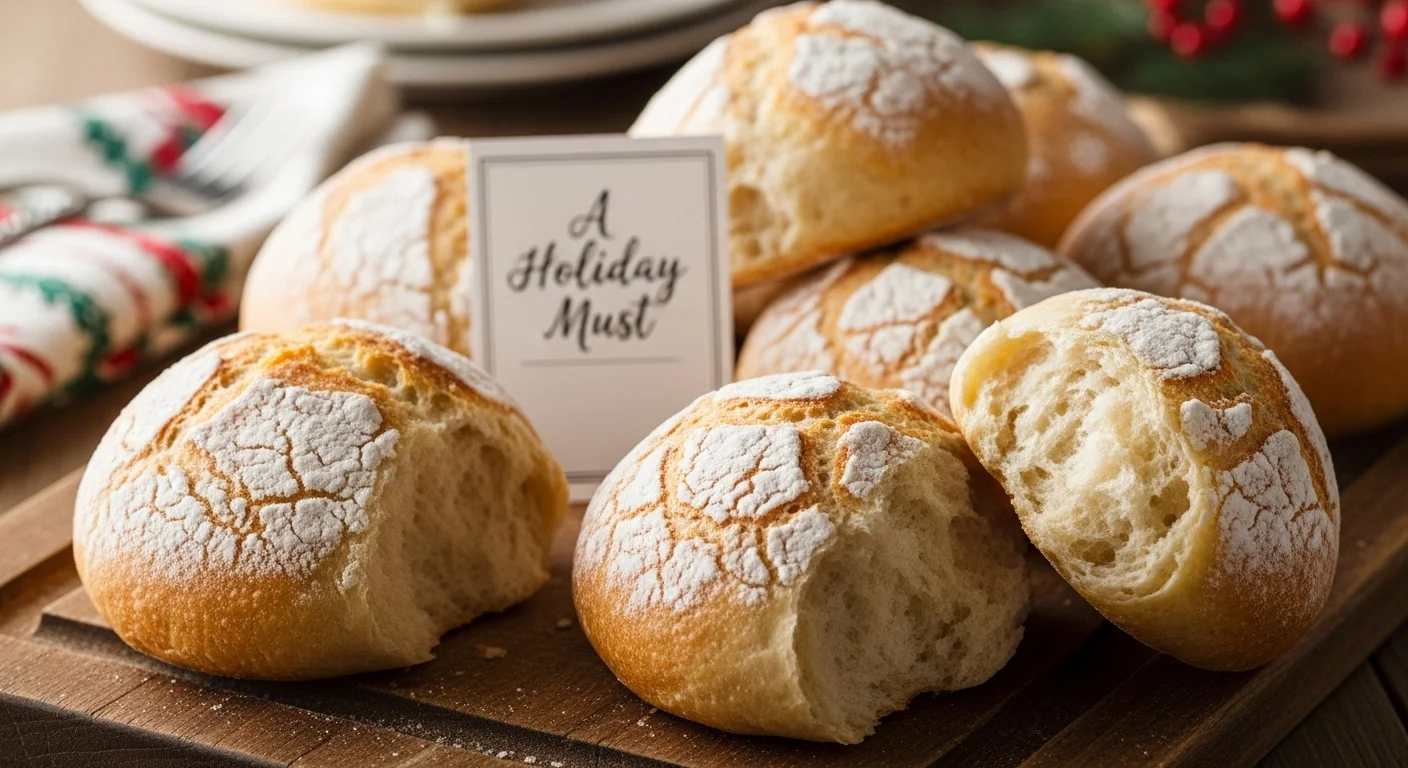
Fluffy sourdough dinner rolls are soft, pillowy pieces of bread that have a unique flavor profile thanks to the natural fermentation of the sourdough starter. The beauty of these rolls lies not just in their texture but also in their rich, slightly tangy taste. They emerge from the oven with a golden crust that’s crisp yet tender, while the inside remains light and airy. I always find myself reaching for just one more, and I think you will too!
What sets these rolls apart is the use of a sourdough starter, which is a mixture of flour and water that captures wild yeast and bacteria from the environment. This process not only helps the rolls rise but also adds depth to the flavor. You’ll find that the longer fermentation times create an improved texture and flavor compared to traditional yeast rolls.
Differences Between Sourdough and Regular Rolls
Regular dinner rolls typically rely on commercial yeast for leavening, which acts quickly but often lacks the complexity of flavor found in sourdough. With sourdough rolls, the slow fermentation process allows for a unique development of taste, which makes them stand out. The natural acidity in sourdough also enhances the gluten structure, resulting in a light and fluffy roll that’s hard to beat.
In my experience, the difference is palpable. When I first made sourdough dinner rolls, I was surprised by how much more character they possessed compared to the traditional versions I grew up with. The tanginess paired beautifully with everything on my holiday table, and I realized that these rolls were destined to become a staple in my own holiday celebrations.
Why Sourdough Dinner Rolls Are a Holiday Must
Perfect for Holiday Gatherings
There’s something about the holidays that makes us want to gather around a table filled with familiar favorites. Sourdough dinner rolls fit perfectly into this picture. They’re not just a side dish; they’re a conversation starter. I remember one holiday season when my friends and family couldn’t stop raving about these rolls. They became the highlight of our meal, and I felt a sense of pride knowing I made them from scratch.
These rolls also have a wonderful ability to complement a wide variety of dishes. Whether it’s a savory roast or a hearty stew, fluffy sourdough rolls add a comforting touch that enhances the overall dining experience. Plus, they’re great for mopping up gravy or sauce, which is essential during those rich holiday meals! In fact, they pair wonderfully with roasted tomato toast as a delightful appetizer.
Complementing Traditional Holiday Dishes
From turkey to ham, sourdough dinner rolls can elevate many traditional holiday dishes. The tangy flavor of the rolls pairs beautifully with rich meats and savory sides. I’ve found that they work especially well with cranberry sauce, creating a delightful combination of sweet and savory on the palate.
Moreover, these rolls can be the perfect vehicle for butter and jam, making them a great addition to breakfast or brunch during the holidays. Imagine sitting around the table, sipping coffee, and enjoying a warm roll slathered in creamy butter or sweet preserves. It’s these little moments that make the holidays feel special.
Health Benefits of Sourdough
While we often indulge during the holidays, it’s worth noting that sourdough comes with some health benefits that make these rolls a bit more wholesome. The fermentation process breaks down gluten, making it easier for some people to digest. I’ve even read that sourdough can have a lower glycemic index compared to regular bread, which can be beneficial for blood sugar levels.
Additionally, the presence of probiotics in sourdough can support gut health. Although most of the probiotics don’t survive the baking process, the fermentation still contributes to better nutrient absorption and digestibility. So while we enjoy these rolls, we can feel a bit better knowing they offer some nutritional perks.
In my journey to embrace healthier eating habits, incorporating sourdough has been a satisfying way to enjoy delicious food while also being mindful of my health. These rolls are not just a delightful treat; they can also be a part of a balanced holiday meal.
Ingredients Needed for Fluffy Sourdough Dinner Rolls
Main Ingredients
When it comes to making fluffy sourdough dinner rolls, having the right ingredients is crucial. I’ve learned that a simple list can yield wonderfully delicious rolls. Here are the key ingredients you’ll need:
- Sourdough Starter: This is the heart of the rolls. Make sure your starter is active and bubbly for the best results.
- All-Purpose Flour: This is the base of your dough. I prefer using unbleached all-purpose flour as it helps achieve that light texture.
- Water: Filtered or tap water works well, but it’s important to use lukewarm water to help activate the starter.
- Salt: This is essential for flavor and also helps strengthen the dough. I typically use sea salt.
- Butter: Melted butter adds richness and flavor, making the rolls even more divine.
- Sugar: Just a touch of sugar helps with browning and adds a hint of sweetness.
With these ingredients, I’ve found that you can create rolls that are not only fluffy but also packed with flavor. It’s amazing how such simple components can come together to create something so special!
Optional Add-Ins for Flavor
If you want to take your sourdough dinner rolls to the next level, consider adding some optional ingredients that can really make them shine. Here are a few of my favorites:
- Herbs: Fresh or dried herbs like rosemary, thyme, or garlic powder can add a wonderful aroma and taste.
- Cheese: Adding shredded cheese like cheddar or parmesan can create a savory touch that pairs beautifully with the sourdough.
- Seeds: Topping the rolls with sesame or poppy seeds gives a nice crunch and an attractive finish.
- Honey or Maple Syrup: A drizzle can add a subtle sweetness that complements the rolls perfectly.
Experimenting with these add-ins has been one of my favorite parts of the baking process. I often find myself excited to try new combinations, and each batch can turn out uniquely delicious!
Choosing the Right Flour
The type of flour you use can make a significant difference in the outcome of your sourdough dinner rolls. While I usually stick with all-purpose flour, I’ve learned that experimenting with different flours can enhance the flavor and texture. Here are a few options to consider:
- Bread Flour: This flour has a higher protein content, which can create a chewier texture in the rolls. I’ve had great success using a blend of all-purpose and bread flour for a nice balance.
- Whole Wheat Flour: Incorporating some whole wheat flour adds nuttiness and additional nutrients. Just make sure to adjust the hydration level since whole wheat flour absorbs more water.
- Rye Flour: Adding a small amount of rye flour can contribute a distinct flavor and also enhance the fermentation process.
When choosing flour, I always keep in mind the flavor profile I want to achieve. The right flour can elevate your rolls and make them truly memorable. It’s all about finding that perfect balance that suits your taste!
Step-by-Step Recipe for Fluffy Sourdough Dinner Rolls
Preparing the Sourdough Starter
Before you dive into making these fluffy dinner rolls, the first step is ensuring your sourdough starter is in top shape. I’ve found that feeding your starter about 4-6 hours before you plan to bake yields the best results. You want it to be bubbly and active. If it’s been sitting in the fridge for a while, let it come to room temperature, and give it a good feeding with equal parts flour and water. This way, it’ll be ready to work its magic in our rolls!
Mixing the Dough
Once your starter is active, it’s time to mix the dough. In a large mixing bowl, combine your bubbly sourdough starter with lukewarm water and melted butter. I usually mix in a pinch of sugar at this point to help feed the yeast. Then, slowly add in the all-purpose flour and salt. I prefer to use my hands to bring the dough together, as I can feel its texture better. It might seem a bit sticky at first, but don’t worry! That’s perfectly normal. Just keep kneading until it’s a cohesive ball, which usually takes about 5 to 10 minutes.
First Rise: Bulk Fermentation
After mixing your dough, it’s time for the first rise, known as bulk fermentation. I typically place my dough in a lightly greased bowl, cover it with a damp cloth, and let it rest in a warm spot. This is where the sourdough magic happens! I usually let it rise for 4 to 8 hours, depending on the temperature of my kitchen. You’ll know it’s ready when it has doubled in size and has a lovely, airy texture. During this time, I often peek in on it, just to admire how much it’s growing!
Shaping the Rolls
Once your dough has risen, it’s time to shape your rolls. This part is so satisfying! I gently turn the dough out onto a floured surface and divide it into equal portions, usually around 12 pieces for a standard batch. I like to shape each piece into a tight ball by tucking the edges under. This creates surface tension, which helps the rolls rise beautifully. I often think of it as giving each roll a little hug!
Second Rise: Proofing
After shaping, I place the rolls in a greased baking dish, leaving a bit of space between each one. Then, I cover them again with a damp cloth and let them proof for about 1 to 2 hours. This second rise is crucial, as it allows the rolls to expand and become super fluffy. I’ve learned that patience is key here; the rolls will be worth the wait!
Baking the Rolls
When the rolls have puffed up nicely, it’s time to bake! I preheat my oven to 375°F (190°C) and pop the rolls in for about 20-25 minutes. The aroma that fills the kitchen during baking is simply heavenly. I like to keep an eye on them, waiting for that gorgeous golden-brown color. When they’re done, I pull them out and brush them with a bit of melted butter for added richness and shine. Trust me, this step is worth it!
Tips for Achieving Fluffiness
Achieving that perfect fluffiness in your sourdough dinner rolls can sometimes feel like an art. From my experience, here are some tips that can help ensure you get that light and airy texture:
- Don’t rush the fermentation: The longer the dough ferments, the more flavor and fluffiness you’ll achieve.
- Use room-temperature ingredients: This helps with proper fermentation and dough development.
- Be gentle when shaping: Avoid deflating the dough too much when you shape the rolls.
- Check the oven temperature: An oven thermometer can help ensure your rolls bake at the right temperature for optimal rise.
With these steps and tips in mind, I think you’ll find that making fluffy sourdough dinner rolls can be a rewarding and fun experience. They’re sure to become a beloved part of your holiday traditions, just as they have in mine!
Common Mistakes to Avoid
Overproofing vs. Underproofing
One of the biggest challenges I faced when I first started baking sourdough dinner rolls was understanding the balance between overproofing and underproofing. Overproofed dough can lead to rolls that collapse in the oven, while underproofed dough will not rise properly, resulting in dense, heavy rolls. I remember a time when I was eager to bake and rushed the proofing process. The result was a batch of rolls that looked sad and flat. Now, I pay close attention to how my dough feels and looks during the proofing stages. Trust me, it’s worth being patient and allowing your rolls to rise until they’ve doubled in size and feel airy to the touch.
Incorrect Oven Temperature
A hot oven is crucial for a good rise, but I’ve learned that not all ovens are created equal. It’s so easy to assume the temperature dial is accurate, but I found that using an oven thermometer has been a game changer for me. I’ve had rolls that baked too quickly on the outside but remained doughy inside because the temperature was off. Always preheat your oven and use that thermometer to ensure it’s at the right temperature before you bake. Your rolls will thank you for it!
Using the Wrong Type of Flour
Choosing the right flour is more important than I initially thought. I remember experimenting with various types of flour and having mixed results. For example, using cake flour resulted in rolls that were too soft and didn’t hold their shape well. I recommend sticking with all-purpose flour or a blend with bread flour for that perfect balance of structure and softness. But don’t be afraid to try whole wheat or other specialty flours if you’re feeling adventurous; just keep in mind how they might affect the texture and flavor of your rolls.
Serving Suggestions for Fluffy Sourdough Dinner Rolls
Pairing with Spreads and Butters
Now that we’ve covered the baking process, let’s talk about what to do with those delicious sourdough dinner rolls once they’re fresh out of the oven! For me, a warm roll slathered in butter is simply divine. I love experimenting with different flavored butters, like garlic herb or honey cinnamon. They add a special touch that elevates the rolls to a whole new level. I often set up a little butter bar at family gatherings, allowing everyone to customize their rolls with their favorite spreads. It’s always a hit!
Creative Serving Ideas for Holiday Meals
Fluffy sourdough dinner rolls are incredibly versatile, and I’ve found several creative ways to serve them during the holidays. One of my favorite presentations is to serve them in a festive basket lined with a cloth napkin. It adds a lovely touch to the table and keeps the rolls warm. I also like to serve them alongside a variety of dips, such as spinach artichoke dip or a creamy cheese spread. It’s a fun and interactive way for guests to enjoy the rolls, and I love seeing people get creative with their pairings! If you’re looking for a refreshing side, consider adding a quick Italian salad without oil to your meal.
Storing and Reheating Leftover Dinner Rolls
Best Practices for Storage
Let’s be honest; sometimes, we make more rolls than we can eat in one sitting. Luckily, I’ve learned a few tips for storing them to keep them fresh. After they’ve cooled completely, I usually place my leftover rolls in a resealable plastic bag or an airtight container. This helps keep them soft. If I know I won’t finish them within a couple of days, I freeze them. They freeze surprisingly well, and when I’m ready to enjoy them again, I can just pull them out and reheat!
How to Reheat for Freshness
Reheating leftover sourdough dinner rolls is simple, and I’ve found that the oven is the best way to bring them back to life. I preheat my oven to 350°F (175°C), wrap the rolls in aluminum foil, and warm them for about 10-15 minutes. This keeps them soft and fluffy, just like when they were fresh. If I’m in a hurry, a microwave works too, but I always use a damp paper towel to keep them from drying out. It’s these little tips that ensure my rolls taste just as good the second time around!
Frequently Asked Questions (FAQs)
Can I Make These Rolls Ahead of Time?
Absolutely! I often prepare the dough a day in advance. After the first rise, I shape the rolls and place them in the refrigerator for overnight proofing. The next day, they’re ready to bake after a quick come-to-room-temperature session. It’s a great way to save time during busy holiday preparations.
What to Do If My Rolls Are Dense?
If you find your rolls are dense, it could be due to underproofing or using flour with too much protein. I recommend checking your dough during the first rise—it should feel light and airy. You can also try adding a bit more water to your dough to help with hydration. Don’t be discouraged; every baking experience is a learning opportunity!
Can I Freeze Sourdough Dinner Rolls?
Yes, you can! I love freezing sourdough rolls. Just make sure they’re completely cooled before you wrap them in plastic wrap or place them in a freezer-safe bag. When you’re ready to enjoy them, just thaw them in the refrigerator and reheat as mentioned earlier. It’s a convenient way to have fresh rolls on hand without the hassle of making them from scratch each time!
Final Thoughts
Making fluffy sourdough dinner rolls has become one of my favorite holiday traditions. The process of nurturing the dough, watching it rise, and eventually pulling those beautiful rolls from the oven fills me with joy. They’re not just a side dish; they’re a labor of love that brings friends and family together. Whether you’re serving them at Thanksgiving or Christmas, or just enjoying them on a cozy Sunday, these rolls have a way of creating special moments around the table. I encourage you to try making them yourself—a delicious journey awaits!
Frequently Asked Questions
What are fluffy sourdough dinner rolls?
Fluffy sourdough dinner rolls are soft, pillowy pieces of bread with a unique flavor profile due to the natural fermentation of sourdough starter. They have a golden crust that is crisp yet tender, and a light, airy inside.
What sets sourdough dinner rolls apart from regular rolls?
Sourdough dinner rolls use a sourdough starter for leavening, allowing for a slow fermentation process that creates a complex flavor and improved texture, unlike regular rolls that typically rely on commercial yeast.
Why are sourdough dinner rolls a holiday must?
Sourdough dinner rolls complement a variety of holiday dishes, enhance the dining experience, and can serve as a conversation starter at gatherings. Their tangy flavor pairs well with rich meats and savory sides.
What are the main ingredients needed for fluffy sourdough dinner rolls?
The key ingredients include sourdough starter, all-purpose flour, lukewarm water, salt, melted butter, and a touch of sugar.
Can I add extra flavors to my sourdough dinner rolls?
Yes, you can enhance your rolls with optional add-ins such as fresh or dried herbs, shredded cheese, seeds, or a drizzle of honey or maple syrup for extra flavor.
What is the best way to store leftover sourdough dinner rolls?
After cooling completely, store leftover rolls in a resealable plastic bag or airtight container. If not consumed within a couple of days, freezing them is a good option.
How can I reheat leftover sourdough dinner rolls?
The best way to reheat rolls is to preheat the oven to 350°F (175°C), wrap the rolls in aluminum foil, and warm them for about 10-15 minutes. Alternatively, you can use a microwave with a damp paper towel to prevent drying out.
Can I make sourdough dinner rolls ahead of time?
Yes, you can prepare the dough a day in advance. After the first rise, shape the rolls and refrigerate them overnight before baking the next day.
What should I do if my sourdough rolls are dense?
If your rolls are dense, it could be due to underproofing or using flour with too much protein. Ensure your dough feels light and airy during the first rise, and consider adding more water for better hydration.
Can I freeze sourdough dinner rolls?
Yes, sourdough rolls can be frozen. Ensure they are completely cooled before wrapping in plastic or placing them in a freezer-safe bag. Thaw in the refrigerator before reheating.