
If you’ve ever baked sourdough, you know the struggle of managing all that discard. But what if I told you that you can turn that leftover starter into the most delicious fudgy brownies? Trust me, you won’t taste any tang—just rich chocolate goodness!
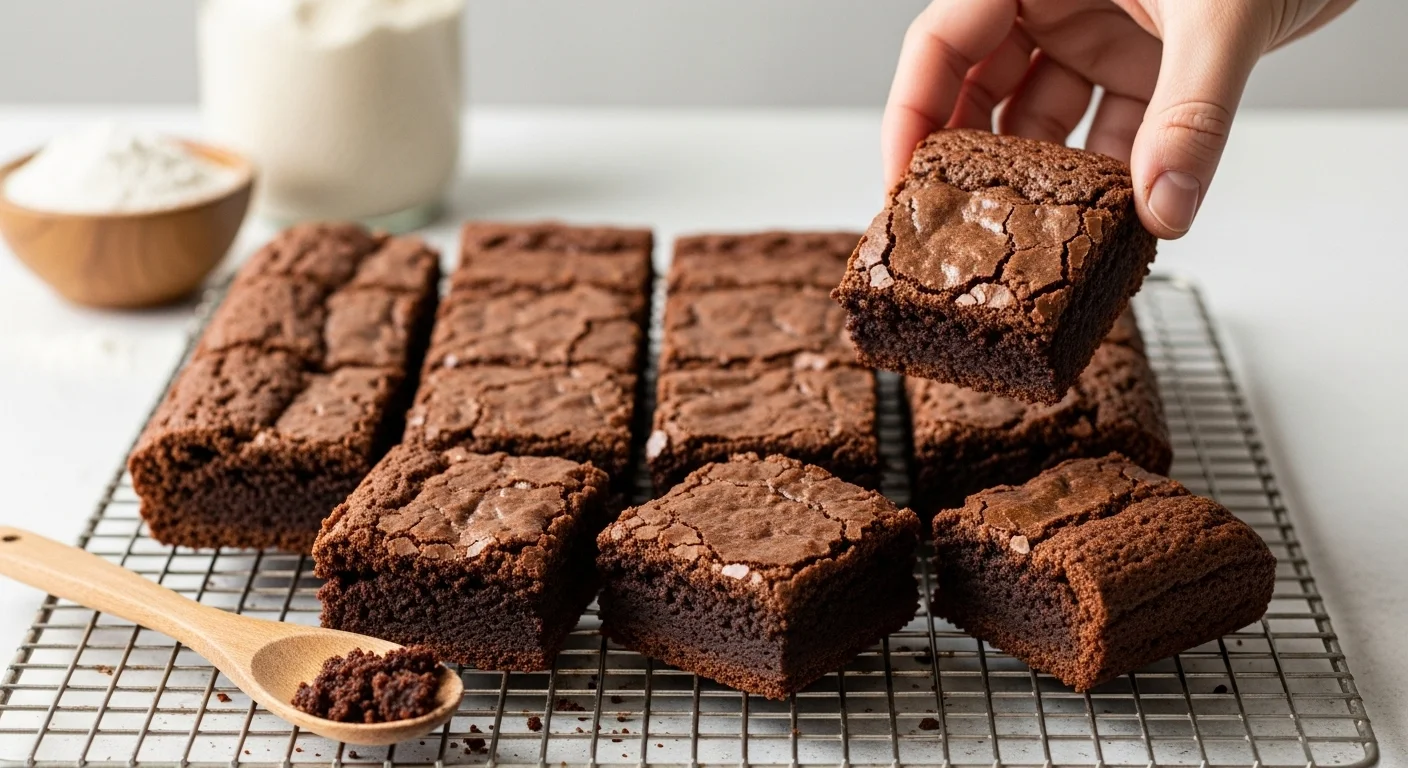
Understanding Sourdough Discard
What is Sourdough Discard?
Let’s get into what sourdough discard actually is. When you’re baking with sourdough, you need to feed your starter regularly to keep it alive and active. This feeding process often creates extra starter that you don’t need. That’s what we call sourdough discard. It’s basically the portion of the starter that you remove before adding more flour and water to keep your sourdough thriving. This discard is packed with flavor and can be used in various recipes, especially for baked goods like brownies! Read Interesting article: Crispy Sourdough Discard Cracker Recipe (So Addictive)
Benefits of Using Sourdough Discard in Baking
One of the main benefits of using sourdough discard is that it adds a unique depth of flavor to your baked goods. You might think that the tanginess of the sourdough would be overwhelming, but it’s surprisingly subtle when you bake with it. This means you get to enjoy the benefits of the fermentation process—like improved texture and a more complex flavor profile—without a pronounced sour taste. Plus, using discard is a fantastic way to reduce waste in your kitchen. Rather than throwing out perfectly good starter, you’re transforming it into something delicious, which feels rewarding and sustainable. If you’re interested in more creative uses for your sourdough discard, check out The Secret to Perfect Classic Deviled Eggs.
Common Myths About Sourdough Discard
I remember when I first started baking with sourdough, I had so many misconceptions about the discard. One common myth is that sourdough discard is spoiled or bad—it’s not! While it might not smell like a fresh loaf of bread, it’s still perfectly good to use. Another myth I’ve encountered is that discard must always be used immediately. In reality, you can store it in your fridge for a while. Just make sure to bring it back to room temperature and feed it before using it in recipes for the best results. And don’t worry about the tang; many people think sourdough discard will overpower their baked goods, but that’s far from the truth, especially in a rich recipe like brownies.
Fudgy Sourdough Discard Brownies Recipe
Ingredients Needed
Now that we have a solid understanding of sourdough discard, let’s dive into making those fudgy brownies! Here’s what you’ll need:
- 1 cup (240g) sourdough discard (unfed is fine)
- 1/2 cup (115g) unsalted butter
- 1 cup (200g) granulated sugar
- 1/2 cup (100g) packed brown sugar
- 2 large eggs
- 1 teaspoon vanilla extract
- 1/2 cup (65g) all-purpose flour
- 1/3 cup (40g) cocoa powder
- 1/2 teaspoon salt
- 1/2 cup (90g) chocolate chips (optional)
Step-by-Step Instructions
Let’s get baking! Here’s how I make these brownies:
- Preheat your oven to 350°F (175°C). Grease a 9×9-inch baking pan or line it with parchment paper for easy removal.
- In a medium saucepan, melt the butter over low heat. Once melted, remove it from the heat and stir in the granulated sugar and brown sugar until well combined.
- Allow the mixture to cool slightly before adding the eggs, one at a time. Make sure to mix well after each addition. Stir in the vanilla extract and your sourdough discard until everything is combined.
- In a separate bowl, whisk together the flour, cocoa powder, and salt. Gradually add this dry mixture to the wet ingredients, folding gently until just combined. If you’re using chocolate chips, fold them in at this point.
- Pour the batter into your prepared baking pan, smoothing the top with a spatula.
- Bake for 25-30 minutes, or until a toothpick inserted in the center comes out with a few moist crumbs. Avoid overbaking to keep those brownies fudgy!
- Let them cool in the pan for about 10 minutes before transferring them to a wire rack. Once cooled, cut into squares and enjoy!
Tips for Achieving the Perfect Fudginess
I’ve learned a few tricks along the way to make sure my brownies are perfectly fudgy. First, don’t overmix the batter. Gently folding the dry ingredients into the wet ensures that the brownies stay rich and dense. Second, using a combination of granulated and brown sugars helps create that moist texture we love. The brown sugar adds chewiness, while the granulated sugar gives it a nice crust. Finally, I always recommend letting the brownies cool completely before cutting them. This allows them to set perfectly, resulting in that ideal fudgy bite.
Substitutions and Variations
If you’re looking to mix things up, you can easily customize this recipe! For a nutty flavor, try adding chopped walnuts or pecans. If you want a little extra indulgence, swirl in some peanut butter or Nutella before baking. You can even use different types of chocolate chips like dark or white chocolate, depending on your preference. Just remember that any changes might slightly alter the texture and flavor, so feel free to experiment and find what you love best! Additionally, consider incorporating ingredients from other recipes such as Creamed Zucchini with Garlic and Fresh Basil for a unique twist.
Why You Won’t Taste The Tang
Understanding the Fermentation Process
I remember the first time I heard someone mention the fermentation process in baking. It sounded like a science experiment rather than something you’d do in your kitchen! But here’s the thing: fermentation is what gives sourdough its unique flavor. When you feed your sourdough starter, naturally occurring yeast and bacteria break down sugars in the flour, creating lactic acid and carbon dioxide. This is what gives sourdough its characteristic tang. However, when you bake with sourdough discard, the heat of the oven alters this tangy flavor. The baking process neutralizes a lot of the acids, allowing the chocolate and sweetness to take center stage. So, while the fermentation adds depth and complexity, it doesn’t overpower your brownies with tanginess.
The Role of Sugar and Chocolate in Masking Tang
Have you ever noticed how sweet treats can sometimes balance out bold flavors? That’s exactly what happens in these brownies. The combination of granulated sugar and brown sugar not only creates that lovely fudgy texture but also helps mask any residual tang from the sourdough. Chocolate, too, plays a crucial role. The rich, deep flavor of cocoa powder and chocolate chips drowns out any hint of sourness, leaving you with a deliciously sweet chocolate experience. I’ve made these brownies for friends and family, and nobody ever suspects there’s sourdough discard involved. Instead, they just rave about how rich and chocolaty they are!
Comparative Flavor Profiles: Traditional Brownies vs. Sourdough Brownies
When I first baked sourdough brownies, I couldn’t wait to compare them to my traditional brownie recipe. The classic brownie has its own charm, but I found that the sourdough version added a new layer of complexity. Traditional brownies are typically sweet and fudgy, while sourdough brownies maintain that fudginess but also introduce a slight tang that’s hard to pinpoint. It’s not overwhelming but instead adds a depth that makes each bite intriguing. I think if you put the two side by side, even the most discerning chocolate lover would have a hard time deciding which one they prefer. It’s like discovering a secret ingredient that enhances the overall experience without taking anything away from the beloved classic.
Storing and Serving Your Brownies
Best Ways to Store Brownies
After all that effort in baking, you want to ensure your brownies stay fresh and delicious for as long as possible. I’ve found that the best way to store them is in an airtight container. If you’re planning to eat them within a few days, simply keeping them at room temperature works well. Just make sure to separate layers with parchment paper to prevent sticking. If you want to save them for later, I recommend wrapping them tightly in plastic wrap and then placing them in the fridge. They’ll stay fresh for about a week! You can also freeze brownies for up to three months. Just cut them into squares, wrap them individually, and pop them into a freezer bag. That way, you’ll have a sweet treat ready whenever the craving strikes!
How to Reheat or Refresh Brownies
If you’ve stored your brownies in the fridge or freezer, you might be wondering how to bring them back to life. For refrigerated brownies, simply take them out and let them sit at room temperature for about 20-30 minutes before digging in. However, if you want that fresh-baked warmth, I suggest microwaving them for about 10-15 seconds. Be careful not to overheat them or they might turn tough. For frozen brownies, it’s best to thaw them overnight in the fridge. Once they’re defrosted, you can reheat them as mentioned above. I love serving warm brownies with a scoop of ice cream on top for an extra indulgent treat!
Serving Suggestions and Pairings
There’s something magical about pairing brownies with the right accompaniments. My absolute favorite way to enjoy these fudgy sourdough brownies is with a scoop of vanilla ice cream. The contrast of warm brownies and cold ice cream is simply heavenly! I’ve also experimented with drizzling some caramel or chocolate sauce on top, which adds a delightful sweetness. If you want to elevate the experience even further, consider a sprinkle of sea salt or a dusting of powdered sugar for a touch of elegance. Another fun idea is to serve them with fresh berries, which adds a hint of tartness that balances the sweetness beautifully. Whatever your preference, I encourage you to get creative and find the perfect way to enjoy your brownies!
Frequently Asked Questions
Can I Use Other Types of Discard?
I’ve often been asked whether you can use discard from other types of bread when baking. The short answer is yes! While sourdough discard is particularly popular due to its unique flavor, you can experiment with discard from other breads as well. However, I’ve found that the results can vary. For instance, discard from a whole wheat or rye bread can give your baked goods a different texture and flavor profile. If you have a specific discard on hand, I say go for it! Just keep in mind that the characteristics of the discard will influence the final taste of your treats, so be ready for some delicious surprises along the way.
Are These Brownies Gluten-Free?
If you’re looking to make gluten-free brownies, I completely understand the need for a good recipe! While my original recipe contains all-purpose flour, you can easily substitute it with a gluten-free flour blend. I’ve tried this with success and found that the brownies still turn out fudgy and delightful. Just make sure to check the blend you’re using for a good balance of flavor and texture. Additionally, keep an eye on the baking time as gluten-free flours can behave differently. Trust me, you won’t miss the gluten with how rich and satisfying these brownies are!
How Can I Make These Brownies Vegan?
Switching to a vegan version of these brownies is easier than you might think! I’ve experimented with a few substitutes, and I found that using flax eggs works wonderfully. For one egg, just mix 1 tablespoon of ground flaxseed with 2.5 tablespoons of water, and let it sit for a few minutes until it thickens. As for the butter, coconut oil or vegan butter can replace it without losing that decadent richness we crave. I’ve also used unsweetened applesauce as a substitute for eggs, which adds moisture and a hint of natural sweetness. These tweaks have helped me create some delightful vegan brownies that everyone can enjoy!
What Should I Do If My Brownies Are Too Dry?
We’ve all had that moment when we pull our brownies out of the oven, only to find they’re drier than we hoped. If your brownies come out too dry, don’t despair! One trick I’ve learned is to add a bit of moisture back into them. You can drizzle them with a simple syrup made from equal parts sugar and water, heated until dissolved. This will help rehydrate those brownies. Another option is to serve them warm with a scoop of ice cream, which adds a creamy texture and delicious contrast. Next time, just be careful not to overbake them. I’ve always found that keeping an eye on the baking time and doing the toothpick test can save you from dry brownies.
Exploring Other Sourdough Discard Recipes
Breads and Baked Goods Using Sourdough Discard
Sourdough discard isn’t just for brownies; it can work wonders in many types of bread and baked goods. I’ve experimented with adding discard to pancakes, muffins, and even pizza dough. It gives a unique flavor and enhances the texture in ways you wouldn’t expect. For me, sourdough pancakes are a weekend favorite—fluffy on the inside with a slight tang that pairs perfectly with maple syrup. When it comes to bread, adding some discard to your loaf can make it extra moist and flavorful. I highly recommend playing around with different recipes to see how the discard can elevate your baking!
Creative Sweet Treats Beyond Brownies
If you think brownies are the only sweet treat you can make with sourdough discard, think again! I’ve tried making cookies, cakes, and even crêpes using discard. For cookies, it lends a chewy texture that’s hard to resist. I’ve even made a sourdough discard cake that turned out surprisingly light and fluffy, with a delightful hint of tang. These creative sweet treats allow you to use up your discard while enjoying a variety of desserts. So, if you’re looking to expand your baking repertoire, consider stepping outside the brownie box!
Savory Dishes Featuring Sourdough Discard
Not all sourdough discard recipes have to be sweet! I’ve discovered that it can work beautifully in savory dishes, too. For instance, I’ve made savory pancakes and fritters using sourdough discard that turned out incredibly flavorful. The tanginess adds a nice depth to the dish, making them perfect for brunch or a light dinner. Additionally, incorporating it into savory bread or biscuits can create a delightful flavor that pairs wonderfully with soups and salads. Using sourdough discard in savory recipes has opened up a whole new world of possibilities in my kitchen!
Final Thoughts
As I wrap up this journey through the world of sourdough discard brownies, I can’t help but reflect on how this humble byproduct has transformed my baking. It’s incredible to think that something I once considered waste has become a star ingredient in my kitchen. I truly believe that embracing sourdough discard not only enhances our baking but also promotes a more sustainable approach to cooking. We’re not just feeding our taste buds; we’re reducing waste and being mindful of our resources.
Every time I whip up a batch of these fudgy brownies, I can’t help but feel a sense of accomplishment. They embody the spirit of creativity in baking—using what we have to make something extraordinary. Plus, the surprise on my friends’ faces when I share that these rich, chocolatey delights contain sourdough discard is priceless. It opens up a conversation about sustainability and the beauty of cooking with intention.
So, whether you’re a seasoned baker or just starting your sourdough journey, I encourage you to experiment with your discard. Dive into those other recipes I mentioned and explore how versatile it can be. From pancakes to savory dishes, the possibilities are endless. I’ve discovered that the more I play with sourdough discard, the more I appreciate the depth it brings to my cooking.
As you embark on your sourdough adventures, remember to share your creations and experiences. There’s a whole community of bakers out there who would love to hear about your successes and your challenges. Let’s inspire each other to turn that discard into something fabulous. Happy baking!
Frequently Asked Questions
What is sourdough discard?
Sourdough discard is the portion of the starter that you remove before adding more flour and water to keep your sourdough thriving. It is packed with flavor and can be used in various recipes, especially for baked goods like brownies.
What are the benefits of using sourdough discard in baking?
Using sourdough discard adds a unique depth of flavor to baked goods without a pronounced sour taste. It also helps reduce waste in your kitchen by transforming leftover starter into something delicious.
Can I store sourdough discard before using it?
Yes, sourdough discard can be stored in the fridge for a while. Just make sure to bring it back to room temperature and feed it before using it in recipes for the best results.
What ingredients are needed to make fudgy sourdough discard brownies?
You will need 1 cup sourdough discard, 1/2 cup unsalted butter, 1 cup granulated sugar, 1/2 cup packed brown sugar, 2 large eggs, 1 teaspoon vanilla extract, 1/2 cup all-purpose flour, 1/3 cup cocoa powder, 1/2 teaspoon salt, and optionally, 1/2 cup chocolate chips.
How can I achieve the perfect fudginess in brownies?
To achieve the perfect fudginess, avoid overmixing the batter, use a combination of granulated and brown sugars, and let the brownies cool completely before cutting them. This allows them to set perfectly.
Can I make gluten-free brownies using this recipe?
Yes, you can substitute all-purpose flour with a gluten-free flour blend. Just be sure to check the blend for a good balance of flavor and texture, and adjust the baking time as needed.
How can I make these brownies vegan?
You can make the brownies vegan by using flax eggs as a substitute for regular eggs and replacing butter with coconut oil or vegan butter. Unsweetened applesauce can also be used as a moisture-rich substitute for eggs.
What should I do if my brownies are too dry?
If your brownies turn out too dry, you can drizzle them with a simple syrup made from equal parts sugar and water to add moisture. Alternatively, serve them warm with a scoop of ice cream for added creaminess.
Can I use other types of bread discard for baking?
Yes, you can use discard from other types of bread, though the results may vary. Discard from whole wheat or rye bread can give baked goods a different texture and flavor profile.
What are some other recipes I can make with sourdough discard?
Sourdough discard can be used in a variety of recipes including pancakes, muffins, cookies, cakes, and even savory dishes like pancakes and fritters, enhancing both flavor and texture.