
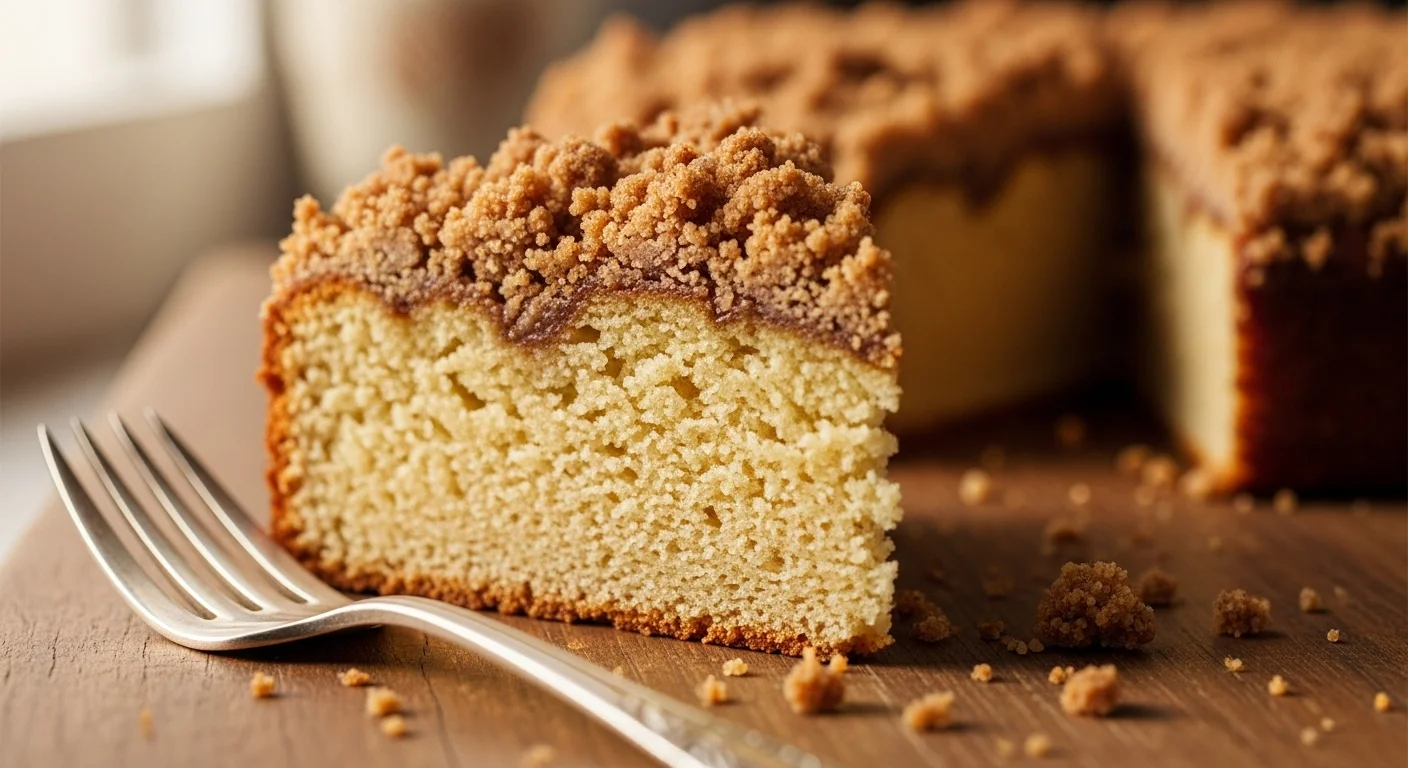
Who doesn’t love the warm, comforting aroma of coffee cake wafting through the kitchen? This gluten-free coffee cake with a cinnamon streusel topping is not only delicious but also perfect for anyone avoiding gluten. Let’s dive into the world of gluten-free baking!
Understanding Gluten-Free Baking
What is Gluten-Free Baking?
Gluten-free baking is all about creating baked goods without using wheat, barley, or rye, which are the main sources of gluten. For those of us who are gluten-sensitive, this can be a game-changer. I remember when I first started exploring gluten-free options; it felt daunting. I was worried that I would miss out on the fluffy texture and rich flavor of traditional baked goods. However, I quickly learned that with the right ingredients and techniques, gluten-free baking can be just as enjoyable as its gluten-containing counterparts. For those looking for a sweet treat, Fluffy Gluten-Free Vanilla Cupcakes are a delightful option!
Common Gluten-Free Flours
One of the first things I discovered was the variety of gluten-free flours available. These alternative flours can completely change the way your baked goods turn out. Here are a few that have become staples in my kitchen:
- Almond Flour: This flour adds a nice nutty flavor and moisture. It’s great for cakes but can be dense, so I often mix it with other flours.
- Coconut Flour: This is super absorbent and adds a subtle sweetness. I usually use it in smaller amounts, paired with other flours.
- Oat Flour: Made from ground oats, it’s mild in flavor and lends a lovely texture. Just make sure to use certified gluten-free oats to avoid cross-contamination.
- Brown Rice Flour: This is versatile and works well in many recipes. It’s often a base flour in gluten-free blends.
Mixing these flours can create a better texture and flavor profile, something I’ve learned from trial and error over the years. It’s all about finding the perfect combination that works for your palate.
How Gluten-Free Ingredients Affect Texture and Flavor
One thing I quickly grasped is that gluten-free ingredients behave differently than traditional ones. Gluten helps with the structure and elasticity in baked goods, so when I switched to gluten-free options, I noticed that my cakes and muffins sometimes turned out denser. To combat this, I started adding extra moisture, like applesauce or yogurt, which not only helped the texture but also added a touch of sweetness.
Another tip I picked up is the importance of binding agents. Since gluten-free flours lack the binding properties of gluten, I often include ingredients like eggs or flaxseed meal. This helps hold everything together, resulting in a light and fluffy cake. It’s fascinating how small changes can lead to big improvements!
Key Ingredients for Gluten-Free Coffee Cake
Gluten-Free Flour Blends
When I make gluten-free coffee cake, I love using a blend of gluten-free flours. There are plenty of pre-made gluten-free flour blends available, but I prefer mixing my own. This way, I can adjust the ratios based on the recipe. A common combination might include equal parts almond flour and brown rice flour, plus a bit of tapioca starch for added lightness. Finding the right blend can take some experimentation, but it’s worth it!
Sweeteners: Sugar vs. Alternatives
Next up is sweeteners. I often use regular sugar, but I’ve also experimented with alternatives like coconut sugar and maple syrup. Coconut sugar has a lower glycemic index, which I appreciate. Maple syrup adds a rich flavor that I love in baked goods. Just remember, if you’re using liquid sweeteners, you might need to adjust the amount of dry ingredients to keep your batter from getting too runny.
Dairy and Dairy Alternatives
As someone who enjoys baking, I’ve learned how dairy can enhance the richness of a coffee cake. If you’re avoiding dairy, there are plenty of alternatives. Almond milk and coconut milk are my go-to options. They add moisture without compromising flavor. I also love using coconut yogurt in place of regular yogurt for a creamy texture, which works wonders in gluten-free baking.
Essential Baking Ingredients
Aside from the main ingredients, I’ve found a few essentials that elevate my gluten-free coffee cake:
- Baking Powder: This is crucial for helping the cake rise. Always check that it’s gluten-free.
- Cinnamon: This spice is the star of the show in coffee cake. I love mixing it into the batter and the streusel topping for a warm, comforting flavor.
- Vanilla Extract: A splash of pure vanilla extract enhances the overall flavor, making each bite a delight.
Gathering these ingredients sets the stage for a delicious baking experience. Each component plays a role in creating a coffee cake that’s not just gluten-free but also rich in flavor.
Preparation Steps for Gluten-Free Coffee Cake
Gathering Your Ingredients
Before diving into baking, I always find it helpful to gather all my ingredients. This little step can make a world of difference in the kitchen. It’s like setting the scene for a fantastic play! I make sure I have everything laid out on the counter, so I don’t have to scramble around looking for something midway through. I typically grab my gluten-free flour blend, sweeteners, dairy alternatives, baking powder, and all the spices I adore, especially cinnamon! I love the way it fills the kitchen with that cozy, nostalgic scent.
Preparing the Batter
Now comes the fun part—mixing the batter! I usually start by creaming together the sugar and any dairy or dairy alternative I’m using. There’s something satisfying about watching the mixture turn light and fluffy. Then, I add in the eggs, one at a time, mixing well after each addition. If I’m making a vegan version, I like to use flaxseed eggs, which work beautifully as a binder. Next, I sift in my gluten-free flour blend along with the baking powder and other dry ingredients, alternating with any wet ingredients like yogurt or applesauce. This method keeps the batter from getting too lumpy and helps it mix evenly. I always take my time with this step, mixing just until combined to ensure a tender crumb.
Making the Cinnamon Streusel Topping
Ah, the streusel topping! For me, this is the star that truly elevates the coffee cake. I can’t help but get excited when I make it. I combine gluten-free flour, brown sugar, and cinnamon in a bowl, then mix in cold, cubed butter or a dairy-free alternative. Using my fingers, I crumble the mixture until it resembles coarse crumbs. This part is a bit messy, but I enjoy the tactile experience. I always taste a bit of the streusel just to ensure it’s got that sweet cinnamon goodness. It’s hard to resist not sneaking a bite or two!
Assembling the Cake
With the batter and streusel ready, it’s time to assemble the cake. I typically pour half of the batter into a greased baking pan, spreading it evenly with a spatula. Next, I sprinkle a generous layer of streusel topping over the batter. Then, I pour the remaining batter on top, spreading it gently to avoid disturbing the streusel layer too much. Finally, I finish with another sprinkle of streusel to create that lovely, crunchy topping that I love so much. It’s like a little surprise for the taste buds when you take a bite! I always feel a sense of accomplishment at this stage, knowing that I’m just a few steps away from enjoying the fruits of my labor.
Baking Your Gluten-Free Coffee Cake
Choosing the Right Baking Pan
The choice of baking pan can have a huge impact on how our coffee cake turns out. I usually opt for a 9×13-inch pan or an 8-inch round pan, depending on the occasion. Glass or metal pans both work well, but I prefer metal for a more even bake. I’ve found that my cakes tend to rise better in metal pans, creating that perfect golden crust. Plus, I love the ease of cutting squares from a rectangular pan!
Optimal Baking Temperature and Time
When it comes to baking, I’ve learned the importance of the right temperature. I typically preheat my oven to 350°F (175°C), a sweet spot that allows the cake to rise nicely without burning. The baking time can vary based on your oven and pan size, but I generally set a timer for around 30 to 35 minutes. I always check for doneness a few minutes before the timer goes off. It’s a thrilling moment when I open the oven door and see that golden-brown top!
How to Test for Doneness
Knowing when the cake is done can be tricky, but I’ve got a foolproof method. I gently press the top of the cake; if it springs back, it’s usually a good sign that it’s ready. I also use a toothpick—if it comes out clean or with just a few crumbs attached, I know it’s perfect. I remember the first time I pulled a cake out too soon; it was a gooey disaster! Now, I always trust that toothpick test. Once I’m satisfied, I let it cool in the pan for about 10 minutes before transferring it to a wire rack. This allows the flavors to settle, and I get to enjoy that wonderful aroma lingering in the air.
Serving Suggestions and Pairings
Best Drinks to Pair with Coffee Cake
When I think of enjoying a slice of gluten-free coffee cake, I can’t help but consider what to sip alongside it. The right drink can elevate the experience even further! Personally, I love pairing my coffee cake with a steaming cup of freshly brewed coffee. The rich, bold flavors of coffee complement the sweet, warm spices of the cake wonderfully. If you’re not a coffee drinker, don’t worry; a nice cup of herbal tea works just as well. I often choose chamomile or chai for their soothing properties and delightful aromas. Even a glass of cold almond milk can be a refreshing choice. It’s all about finding what you love!
Serving with Fruits or Sauces
Another way to enhance your gluten-free coffee cake is by serving it with fresh fruits or sauces. I’ve found that a side of seasonal berries—like raspberries or blueberries—adds a lovely tartness that balances the sweetness of the cake. Sometimes, I’ll make a quick berry compote by simmering the fruit with a touch of sugar until it thickens. It’s such an easy and delicious addition! For a more indulgent touch, consider drizzling a bit of warm vanilla glaze over the top. Just mix powdered sugar with a splash of vanilla extract and a little milk or dairy alternative until you reach your desired consistency. It’s a sweet finishing touch that really takes the cake to the next level.
Storing Leftovers Properly
Now, let’s talk about leftovers—if there are any! I always hope to have some coffee cake to enjoy later. To keep it fresh, I typically store my gluten-free coffee cake in an airtight container at room temperature for up to three days. If I want to extend its life, I wrap it tightly in plastic wrap and place it in the fridge, where it can last for about a week. For longer storage, I’ve found that freezing it works beautifully. I slice the cake into pieces, wrap each slice in plastic wrap, and then place them in a freezer-safe bag. When I’m ready for a treat, I simply pull out a slice and let it thaw at room temperature, or I pop it in the microwave for a few seconds. It’s almost like having fresh coffee cake ready whenever I crave it!
Common FAQs About Gluten-Free Coffee Cake
Can I Substitute Regular Flour?
This is a question I get often. While I understand the temptation to swap regular flour for gluten-free options, it’s important to know that gluten-free flours behave differently. I’ve learned from experience that simply substituting may lead to disappointing results. Gluten-free flour mixes often need additional moisture and binding agents to achieve the same texture as traditional flour. If you’re looking for a gluten-free coffee cake, I highly recommend sticking to the gluten-free blends that have been specifically designed for a better outcome.
How to Make It Dairy-Free?
If you’re looking to make your coffee cake dairy-free, it’s easier than you might think! I often replace regular milk with almond or coconut milk, which adds moisture and a hint of flavor. For yogurt, I’ve had great success using coconut yogurt—this not only keeps it dairy-free but also maintains the creamy texture we love. Plus, there are so many dairy-free butter alternatives available now, making it simple to substitute without sacrificing taste or texture. Trust me, it can still be incredibly delicious!
What Can I Use Instead of Eggs?
When it comes to egg replacements, I have tried a few options, and I’ve found what works best through some trial and error. Flaxseed meal mixed with water is a fantastic binder; it mimics the texture of eggs and adds some healthy nutrients. I typically use one tablespoon of flaxseed meal combined with three tablespoons of water for each egg I’m replacing. Another option I love is unsweetened applesauce, which adds moisture and a bit of sweetness. It’s all about experimenting to see what suits your taste and dietary needs!
How to Enhance Flavor and Moisture?
To make my gluten-free coffee cake even more flavorful and moist, I often add ingredients like applesauce or yogurt, as mentioned earlier. But I’ve also discovered that incorporating spices such as nutmeg or cardamom can really elevate the flavor profile. I sometimes add a splash of orange or lemon zest to brighten things up. These small adjustments can make a big difference in taste and texture! Additionally, keeping the cake covered while it cools helps maintain moisture, preventing it from drying out.
Variations of Gluten-Free Coffee Cake
Fruit-Infused Coffee Cake
One of my favorite ways to switch things up is by adding fruits into the mix. I’ve experimented with different fruits like diced apples, chopped peaches, and even berries, each bringing its own unique flavor. When I add fruit, I usually toss it in a bit of flour first to help prevent it from sinking in the batter. This way, every bite is bursting with fruity goodness!
Nut and Spice Variations
If you’re like me and you love nuts, consider throwing in chopped walnuts or pecans. They add a delightful crunch and complement the sweetness of the cake beautifully. I also enjoy playing with spices—sometimes I’ll add a pinch of ginger or a touch of cloves for a warm, cozy flavor. These variations keep my coffee cake exciting and full of surprises!
Chocolate Coffee Cake Options
For those days when I crave something extra indulgent, I love making a chocolate version of my gluten-free coffee cake. I’ll incorporate cocoa powder into the batter and perhaps even fold in some chocolate chips for good measure. The rich chocolate flavor combined with the cinnamon streusel topping is absolutely divine! It’s a perfect treat for special occasions or just because.
Frequently Asked Questions
What is gluten-free baking?
Gluten-free baking involves creating baked goods without using wheat, barley, or rye, which are the main sources of gluten. It allows individuals who are gluten-sensitive to enjoy baked goods without the negative effects of gluten.
What are some common gluten-free flours?
Some common gluten-free flours include almond flour, coconut flour, oat flour, and brown rice flour. Each offers unique flavors and textures, and mixing them can improve the overall quality of baked goods.
How do gluten-free ingredients affect texture and flavor?
Gluten-free ingredients behave differently than traditional ones, often resulting in denser baked goods. To improve texture, adding extra moisture like applesauce or yogurt and using binding agents such as eggs or flaxseed meal is beneficial.
What key ingredients are essential for gluten-free coffee cake?
Essential ingredients for gluten-free coffee cake include a gluten-free flour blend, sweeteners, dairy or dairy alternatives, baking powder, cinnamon, and vanilla extract. Each component contributes to the flavor and texture of the cake.
What is the best way to prepare the batter for gluten-free coffee cake?
To prepare the batter, cream together sugar and dairy or dairy alternatives, add eggs one at a time, sift in the gluten-free flour blend along with baking powder, and alternate with wet ingredients like yogurt or applesauce to achieve a smooth mixture.
How can I tell when the gluten-free coffee cake is done baking?
To test for doneness, gently press the top of the cake; if it springs back, it’s ready. Additionally, using a toothpick is effective—if it comes out clean or with a few crumbs attached, the cake is perfect.
What are some drinks that pair well with coffee cake?
Gluten-free coffee cake pairs well with freshly brewed coffee, herbal teas like chamomile or chai, and even cold almond milk. The right drink can enhance the overall experience of enjoying the cake.
How should I store leftover gluten-free coffee cake?
To store leftover gluten-free coffee cake, keep it in an airtight container at room temperature for up to three days. For longer storage, wrap it tightly in plastic wrap and refrigerate for about a week or freeze it for extended freshness.
Can I substitute regular flour in gluten-free recipes?
While it may be tempting to substitute regular flour for gluten-free options, it’s important to note that gluten-free flours behave differently and may require additional moisture and binding agents for the best results.
What variations can I make to gluten-free coffee cake?
Variations for gluten-free coffee cake include adding fruits like apples or berries, incorporating nuts or spices, and creating chocolate coffee cake by using cocoa powder and chocolate chips. These additions keep the cake interesting and flavorful.
Read Interesting article: The Best Gluten-Free Carrot Cake (With Cream Cheese Frosting)
Read Interesting article: Gluten-Free Lemon Drizzle Cake (Intensely Lemony & Moist)