
There’s something magical about a lemon drizzle cake that makes it the perfect treat for any occasion. This gluten-free version is not only intensely lemony but also incredibly moist, ensuring every bite is a burst of sunshine. Read Interesting article: The Viral Avocado Rice Cake Trend Just Got Better
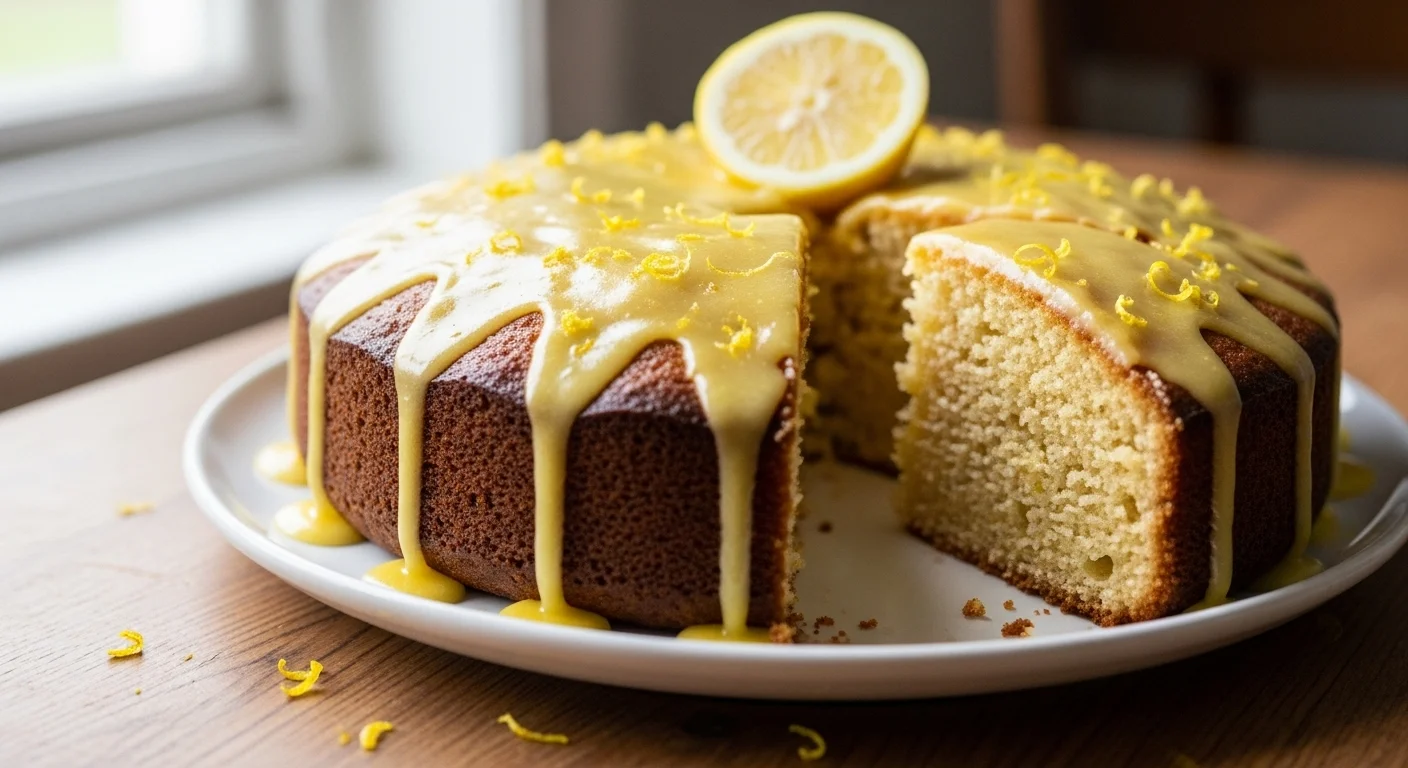
Overview of Gluten-Free Lemon Drizzle Cake
What is a Lemon Drizzle Cake?
A lemon drizzle cake is a delightful dessert characterized by its moist texture and zesty flavor. Traditionally, it’s a simple sponge cake soaked with a tangy lemon syrup that gives it that irresistible drizzle. The cake is light and airy, often enjoyed with a cup of tea or coffee. What makes it so special is that bright, fresh lemon flavor that seems to awaken the senses. For me, a slice of lemon drizzle cake always reminds me of sunny days and family gatherings. It’s a classic that never goes out of style, and when you make it gluten-free, it opens up the enjoyment to even more people!
Why Choose Gluten-Free?
Choosing gluten-free doesn’t mean sacrificing taste or texture. Many of us may have dietary restrictions or simply prefer to avoid gluten for various reasons. From my experience, gluten-free baking can unlock new flavor profiles and textures, especially when using alternative flours. Plus, gluten-free cakes often have a lighter feel, which pairs beautifully with the zesty lemon. It’s rewarding to see the joy on friends’ faces when they can indulge in a treat that’s safe for their dietary needs. I believe that everyone deserves a slice of cake, no matter their dietary restrictions! Read Interesting article: This Viral Blender Pancake Recipe Is Ridiculously Easy
Main Ingredients Used in Gluten-Free Lemon Drizzle Cake
Gluten-Free Flour Options
When it comes to making a gluten-free lemon drizzle cake, the flour you choose is crucial. There are so many options available now that make this process exciting. I’ve tried a mix of almond flour and coconut flour for a nutty flavor, but I often go back to a good quality gluten-free all-purpose flour blend. These blends usually contain a mix of rice flour, tapioca starch, and sometimes xanthan gum, which helps mimic the elasticity gluten provides. It’s essential to look for a blend that has a good balance of texture and flavor. I remember the first time I baked with gluten-free flour—I was nervous! But the results were fantastic, and it opened up a whole new world of baking for me.
Choosing the Right Lemons
Choosing fresh, juicy lemons is key to getting that intense lemon flavor in your cake. I always opt for organic lemons when possible, as they tend to have a more robust flavor. Look for lemons that are bright yellow, firm, and slightly heavy for their size. I remember the first time I made lemon drizzle cake; I was amazed at how much the quality of the lemons affected the taste. Freshly grated lemon zest and freshly squeezed lemon juice are non-negotiable for me. The zest adds a fragrant aroma, while the juice gives that delightful tartness. Trust me, you’ll want that burst of flavor in every bite!
Other Key Ingredients
Besides flour and lemons, there are a few other key ingredients that make this cake sing. I like to use high-quality unsalted butter because it adds richness and moisture. If you’re dairy-free, coconut oil is a fantastic alternative. I also use eggs, which help bind the ingredients and create a light and fluffy texture. Don’t forget about sugar; it not only sweetens the cake but also adds to the moistness. Lastly, a pinch of salt is essential to enhance all those wonderful flavors. I’ve learned that even the smallest ingredients can have a big impact on the final product.
Preparation Steps for Gluten-Free Lemon Drizzle Cake
Gathering Your Ingredients
The first step in making any cake is gathering your ingredients. This part may seem mundane, but I find it quite fun! I like to lay everything out on the counter, ensuring I have all my ingredients measured and ready to go. This helps the process flow smoothly and keeps me organized in the kitchen. Make sure your butter is at room temperature so it can cream well with the sugar, and get your lemons ready for zesting and juicing.
Mixing Techniques for Moisture
Mixing techniques can make all the difference when it comes to gluten-free baking. I’ve learned to be gentle when combining ingredients, especially with gluten-free flours, which can sometimes produce a denser cake if over-mixed. I usually start by creaming the butter and sugar together until it’s light and fluffy. Then, I add the eggs one at a time, ensuring each is well incorporated before adding the next. Once I add the dry ingredients, I mix until just combined. This helps retain moisture, which is crucial for that desired texture.
Baking Tips for Perfect Texture
Baking gluten-free cakes can be a bit tricky, but I’ve gathered some tips that have really helped me achieve that perfect texture. First, make sure your oven is preheated properly. I like to use an oven thermometer to check, as gluten-free cakes can be sensitive to temperature changes. Bake until the edges are golden brown and a toothpick inserted into the center comes out clean. I often find that gluten-free cakes may need a little less time than their traditional counterparts, so keep an eye on them. The smell wafting through the kitchen is a good indicator that something delicious is happening!
Glaze and Topping Options
How to Make a Lemony Drizzle Glaze
Ah, the glaze! It’s that finishing touch that transforms your gluten-free lemon drizzle cake from good to absolutely irresistible. Making the glaze is super simple, and I often find it to be one of the most enjoyable parts of the baking process. I start by mixing freshly squeezed lemon juice with powdered sugar. The ratio I like is about one part lemon juice to two parts powdered sugar. You can adjust this depending on how tangy you want your glaze to be.
Once you have your desired consistency, I recommend pouring it over the cake while it’s still warm. This allows the glaze to soak in a bit, creating that signature moistness we all love. I like to use a spoon to drizzle it over the top, letting it cascade down the sides. Just picture that beautiful, shiny finish—it’s like a work of art! And the scent? Simply heavenly. I can’t tell you how many times my family has gathered in the kitchen just to catch a whiff of that lemony goodness.
Alternative Toppings and Variations
If you’re feeling a little adventurous, there are plenty of toppings you can add to elevate your cake even further! Fresh berries are my go-to; they add a pop of color and a burst of flavor. I often scatter some raspberries or blueberries on top of the glaze, and they pair so wonderfully with the lemon.
Another option I enjoy is to add a dollop of whipped cream or a scoop of vanilla ice cream. The creaminess complements the tartness of the cake beautifully. Sometimes, I even sprinkle some toasted coconut on top for added texture and flavor. It’s all about getting creative and making it your own!
For a bit of crunch, I’ve experimented with crushed pistachios or almonds as a topping. Not only do they add a delightful contrast in texture, but they also bring a lovely nutty flavor that works so well with the lemon. Trust me, once you start playing with toppings, you might find yourself trying new combinations each time you bake! Read Interesting article: This Viral Chicken Toast Fold Might Replace Breakfast
Serving Suggestions
Best Pairings for Lemon Drizzle Cake
When it comes to serving your gluten-free lemon drizzle cake, I believe that the right pairing can enhance the experience even more. For me, a slice of this cake is perfect with a warm cup of tea or coffee. The zestiness of the lemon really complements the rich flavors of your favorite brew. I often opt for a nice Earl Grey tea or a light roast coffee, which provides just the right balance.
If you’re hosting a gathering, you could even create a little dessert bar with a variety of teas and coffees to let your guests choose their favorites. I’ve found that lemon drizzle cake tends to be a crowd-pleaser, so it’s always nice to offer different drinks to accompany it.
Presentation Ideas for Special Occasions
Presentation is key when it comes to making any dessert feel special. I love to take a little extra time to plate my lemon drizzle cake in an appealing way, especially when it’s for a celebration. One of my favorite ideas is to dust the top with powdered sugar right before serving. It gives a lovely snowy effect that looks elegant and inviting.
If it’s a birthday or special occasion, I might add fresh flowers around the cake for a pop of color. Edible flowers like nasturtiums or pansies can look stunning and add a unique touch. Sometimes, I even place a few slices of lemon on the platter for that added lemony flair.
Using a decorative cake stand can also elevate the presentation. The height adds drama and makes it feel like the star of the table. I’ve seen how a simple cake can become the centerpiece of a gathering when it’s presented well. It’s all about those little details that make the experience memorable!
Storage and Shelf Life
How to Store Your Cake
After all that hard work in the kitchen, you might wonder how to keep your gluten-free lemon drizzle cake fresh. I’ve learned that storing it properly is key to maintaining its moisture and flavor. Once the cake has cooled completely, I like to wrap it in plastic wrap or store it in an airtight container. This helps prevent it from drying out, which can happen quickly with gluten-free cakes.
When stored this way, your cake can last for about 3-4 days at room temperature. If you live in a humid climate, I recommend keeping it in the fridge to extend its shelf life a bit longer. Just make sure to bring it back to room temperature before serving, as I find that it tastes best when it’s not too cold.
Freezing Tips for Long-Term Storage
If you want to keep your gluten-free lemon drizzle cake for even longer, freezing is a great option! I often make an extra cake to freeze for those moments when I need a quick dessert. To freeze, I wrap the cooled cake tightly in plastic wrap and then place it in a freezer-safe bag. This double layer of protection helps keep it fresh.
When you’re ready to enjoy it, simply take it out of the freezer and let it thaw in the fridge overnight. I usually recommend letting it come to room temperature before serving, just like with refrigerated cake. It can last up to 3 months in the freezer, which is fantastic for planning ahead!
Common FAQs about Gluten-Free Lemon Drizzle Cake
Can I Substitute Ingredients?
I often get asked if it’s possible to swap out ingredients in my gluten-free lemon drizzle cake recipe, and the answer is a resounding yes! One of the things I love about baking is the flexibility it offers. For instance, if you’re out of gluten-free all-purpose flour, you can try using almond flour or even oat flour. Just keep in mind that different flours can absorb liquid differently, so you may need to adjust the quantities.
If you’re looking to make this cake dairy-free, using a plant-based butter or coconut oil works great. I’ve done this many times, and honestly, the cake still turns out deliciously moist. For a vegan version, you can replace eggs with a flaxseed or chia seed mixture—just mix 1 tablespoon of either seed with 2.5 tablespoons of water and let it sit for a few minutes to thicken. I’ve tried this substitution, and it held up beautifully in the cake!
Sweeteners are another area where you can experiment. If you prefer a lower-sugar version, you might want to use honey or maple syrup instead of granulated sugar. Just remember that liquid sweeteners can change the texture, so you may need to tweak the other ingredients a bit. It’s all about finding what works best for you and your dietary preferences!
What Makes the Cake Moist?
When I think about what contributes to the moistness of gluten-free lemon drizzle cake, I realize it’s a combination of several factors. First and foremost, the right flour choice plays a huge role. Gluten-free flours like almond or coconut flour tend to retain moisture better than some others. I’ve found that a good blend often yields the best results, and each flour adds its unique flavor and texture.
Another crucial component is the eggs. They not only help bind the ingredients but also add moisture. I’ve experimented with different egg replacements, and I must say, having that liquid content is key to a soft cake. Additionally, the inclusion of butter or coconut oil adds richness and helps keep the cake from drying out.
Lastly, the glaze is like the icing on the cake—literally! The sugary lemon drizzle that seeps into the cake provides that extra layer of moisture. So, when I pour the glaze over the warm cake, it’s like a moisture-locking mechanism. Every bite is packed with flavor and that unforgettable moistness we all crave in a cake!
Is it Suitable for Allergies?
One of the reasons I love making gluten-free lemon drizzle cake is that it can cater to various dietary restrictions! Since it’s naturally gluten-free, it’s a great dessert option for those with celiac disease or gluten intolerance. However, if you’re baking for someone with allergies, it’s essential to consider the other ingredients as well. For instance, if you’re using nuts like almond flour, that could be an issue for those with nut allergies.
I’ve had to be very mindful of this in my own baking adventures. When making this cake for gatherings, I always ask about dietary restrictions ahead of time. If nuts are a concern, using a gluten-free flour blend without nuts is a safe bet. For those avoiding eggs, opting for a flaxseed replacement can help maintain the cake’s structure.
Also, for anyone with lactose intolerance or a dairy allergy, using dairy-free butter or coconut oil can be a perfect solution. It’s all about making the cake accessible to everyone so that no one feels left out at the dessert table! Whenever I see friends with dietary restrictions enjoying a slice, it warms my heart.
Variations of Gluten-Free Lemon Drizzle Cake
Vegan Lemon Drizzle Cake
If you’re looking for a vegan twist on the classic lemon drizzle cake, I’ve got you covered! The beauty of this recipe is that it’s super easy to adapt. Instead of eggs, I recommend using flaxseed meal as mentioned earlier. Just mix 1 tablespoon of flaxseed with 2.5 tablespoons of water, and let it sit until it thickens. It works like a charm!
For the butter, using coconut oil or a plant-based butter will keep everything rich and delicious. I usually melt the coconut oil to incorporate it smoothly into the batter. The key is to keep the lemon flavor front and center; you don’t want to lose that zesty goodness! This vegan version is just as moist and flavorful as the original, and I promise no one will feel like they’re missing out.
Other Flavor Variations
If you’re ready to shake things up a bit, there are so many flavor variations you can explore! One of my favorites is to add a hint of lavender to the cake batter. I love to use culinary lavender, which brings a fragrant note that pairs beautifully with lemon. Just a teaspoon or two can elevate the flavor profile significantly.
Another option is to incorporate berries into the batter. Blueberries or raspberries mixed in not only add a splash of color but also a delicious fruity burst. I’ve tried this out, and each bite was like a little surprise! You can also consider adding a touch of vanilla extract to deepen the flavor.
For a tropical twist, you could add some coconut flakes into the batter. The combination of lemon and coconut is divine, and it makes for a delightful summer treat. You can even top it with a coconut glaze instead of the traditional lemon drizzle for an extra tropical vibe. The possibilities are truly endless, and I always look forward to experimenting with new flavors!
Health Benefits of Lemon Ingredients
Nutrition Facts of Lemons
When I’m baking with lemons, I can’t help but appreciate all the health benefits they bring to the table. Lemons are a fantastic source of vitamin C, which is essential for boosting our immune system. I often find myself reaching for a lemon-infused drink when I feel a cold coming on, and I believe it really helps!
Beyond vitamin C, lemons are rich in antioxidants, which help fight inflammation and support overall health. I’ve noticed that incorporating more citrus into my diet leaves me feeling refreshed and energized. Plus, the bright flavor can brighten up any dish, making healthy eating much more enjoyable.
Lemons also contain dietary fiber, which aids in digestion. I love the idea that something as simple as a slice of lemon drizzle cake can provide some nutritional benefits alongside that delightful sweetness. It’s a sweet treat that doesn’t just taste good but can also contribute positively to our health!
Benefits of Gluten-Free Diets
Adopting a gluten-free diet can have various benefits, especially for those with gluten sensitivities or celiac disease. I’ve seen firsthand how eliminating gluten can lead to a significant improvement in digestive health. People often report feeling less bloated and more energetic once they make the switch.
From my experience, gluten-free diets can also encourage a more varied diet. When I started baking gluten-free, I discovered a whole new world of alternative flours and grains, like quinoa or buckwheat. This exploration has not only enriched my meals but also provided me with new nutrients!
Moreover, gluten-free options are becoming more mainstream, which means we have access to an incredible variety of products. I love how it’s easier than ever to find gluten-free ingredients at the grocery store. Overall, embracing gluten-free baking and cooking has expanded my culinary horizons, and I genuinely believe it can be a positive change for many!
Frequently Asked Questions
What is a lemon drizzle cake?
A lemon drizzle cake is a delightful dessert characterized by its moist texture and zesty flavor. It’s a simple sponge cake soaked with a tangy lemon syrup, making it light and airy, often enjoyed with tea or coffee.
Why choose gluten-free for lemon drizzle cake?
Choosing gluten-free does not mean sacrificing taste or texture. It can unlock new flavor profiles, often resulting in a lighter feel that pairs beautifully with zesty lemon, making it enjoyable for those with dietary restrictions.
What flour options can be used for gluten-free lemon drizzle cake?
Popular options include almond flour, coconut flour, and a good quality gluten-free all-purpose flour blend, which typically contains rice flour, tapioca starch, and xanthan gum to mimic gluten’s elasticity.
How can I ensure I pick the right lemons for my cake?
Opt for fresh, organic lemons that are bright yellow, firm, and slightly heavy for their size. Freshly grated lemon zest and squeezed lemon juice are essential for achieving intense lemon flavor.
What are the key ingredients in gluten-free lemon drizzle cake?
Key ingredients include gluten-free flour, fresh lemons, high-quality unsalted butter (or coconut oil for dairy-free), eggs, sugar, and a pinch of salt to enhance flavors.
What are some baking tips for achieving the perfect texture?
Ensure your oven is preheated properly, watch the baking time closely as gluten-free cakes may need less time, and mix the ingredients gently to retain moisture.
How do I make a lemony drizzle glaze?
Mix freshly squeezed lemon juice with powdered sugar in a ratio of one part lemon juice to two parts powdered sugar. Pour it over the cake while it’s still warm for best results.
How should I store my gluten-free lemon drizzle cake?
Store the cake in an airtight container or wrapped in plastic wrap to maintain moisture. It can last about 3-4 days at room temperature or longer in the fridge.
Can I make substitutions in the gluten-free lemon drizzle cake recipe?
Yes, you can substitute different flours, use plant-based butter or coconut oil for dairy-free options, and replace eggs with a flaxseed or chia seed mixture for a vegan version.
What are the health benefits of lemons?
Lemons are a great source of vitamin C, antioxidants, and dietary fiber, which can aid in digestion and support overall health while adding bright flavor to dishes.