
When it comes to baking bread, nothing quite compares to the warmth and comfort of a hearty whole wheat sourdough loaf. This wholesome bread is not only delicious but also packed with nutrients and flavor that elevate any meal.
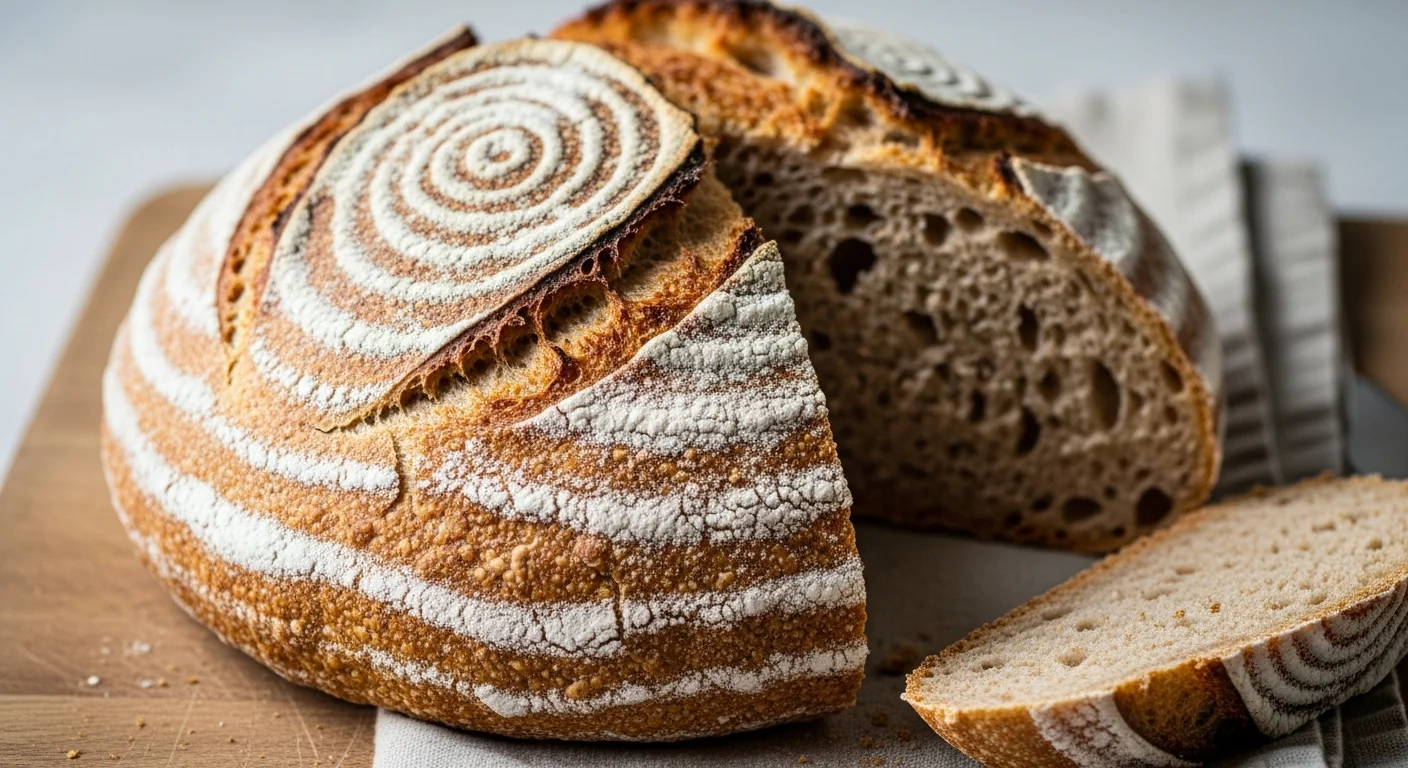
Understanding Whole Wheat Sourdough Bread
What is Sourdough Bread?
Sourdough bread is one of the oldest types of bread, made through a natural fermentation process that uses wild yeast and lactic acid bacteria. Unlike commercial yeast, which offers a quick rise, sourdough relies on a starter—a mixture of flour and water that captures the wild yeast present in the environment. This slow fermentation process not only enhances the flavor but also gives sourdough its delightful tanginess. I remember the first time I tasted a slice of freshly baked sourdough; the depth of flavor was something I had never experienced before in store-bought bread.
Benefits of Whole Wheat Flour
Whole wheat flour is made by grinding the entire wheat kernel, ensuring that all parts—the bran, germ, and endosperm—are included. This means that whole wheat flour is packed with nutrients. For me, the switch to whole wheat flour in my baking journey was a game-changer. I found it not only added a rich, nutty flavor to my bread but also increased its nutritional value significantly. Whole wheat flour is rich in fiber, which aids digestion and helps maintain a healthy weight. I’ve noticed that my family feels fuller for longer after enjoying a slice of whole wheat sourdough, which is a win in my book!
Why Choose Sourdough Over Regular Bread?
Choosing sourdough over regular bread can feel like a small shift, but the benefits are significant. First and foremost, sourdough bread tends to be easier on the digestive system. The fermentation process breaks down gluten and phytic acid, which can make nutrients more accessible. I’ve spoken to many friends who’ve experienced discomfort with regular bread but found sourdough to be a pleasant alternative. Plus, there’s something special about the tangy flavor of sourdough that just can’t be matched by conventional bread. The crust is perfectly crisp, and the inside is chewy and satisfying. Every bite feels like a treat, and I believe that’s what makes baking sourdough so rewarding.
Key Ingredients for Hearty Whole Wheat Sourdough
Whole Wheat Flour
As I mentioned earlier, whole wheat flour is a star ingredient in this recipe. It not only enhances the flavor but also makes the bread more nutritious. I recommend using high-quality, organic whole wheat flour whenever possible. I’ve found that the better the flour, the better the bread. It’s worth investing in a good brand that you trust. Not only does it make a difference in taste, but it also impacts the overall texture of the loaf.
Active Sourdough Starter
Your sourdough starter is the heart of this bread. Keeping it healthy and active is crucial for a successful rise and flavor. I’ve spent a lot of time nurturing my starter—feeding it regularly and giving it a cozy environment. An active starter should bubble and rise within a few hours of being fed. If you’re just getting started, I recommend creating your own starter from scratch. It requires patience, but the satisfaction of using something you’ve grown is unmatched.
Water Quality and Temperature
The quality of water you use can significantly affect your sourdough. I’ve learned that using filtered water is best, as it avoids the chemicals found in tap water that could inhibit yeast activity. Temperature is another critical factor; I usually aim for water that’s lukewarm—around 80°F (27°C). If the water is too hot, it can kill the yeast, while cold water can slow down fermentation. Finding that sweet spot is essential for a healthy rise.
Salt: Importance and Types
Salt is often overlooked, but it plays an essential role in baking. It enhances flavor and strengthens gluten, which gives the bread structure. I prefer using sea salt or kosher salt for my sourdough. The key is to not add too much; I typically use about 2% of the total flour weight. In my experience, this balance helps create a perfectly seasoned loaf, highlighting the nutty flavors of the whole wheat flour.
Health Benefits of Whole Wheat Sourdough Bread
Nutritional Profile
I’ve always been curious about what exactly goes into the foods I eat, especially when it comes to bread. Whole wheat sourdough has a nutritional profile that genuinely impresses me. It’s not just about taste; it’s packed with essential nutrients. Whole wheat flour contains vitamins B1, B3, and B5, as well as minerals like iron, magnesium, and zinc. I remember reading that it also has more protein compared to white flour, which is a bonus for anyone trying to increase their protein intake without relying solely on meat. I feel good knowing that what I’m baking is not just delicious but also nourishing.
Digestibility and Gut Health
One of the standout benefits of whole wheat sourdough is its positive impact on digestive health. The fermentation process involved in making sourdough breaks down gluten and phytic acid, making it easier for our bodies to digest. I’ve had friends who struggled with bloating and discomfort after eating regular bread, but they found that sourdough didn’t bother them at all. It’s like a little miracle worker for the gut! I often think about how important gut health is and how incorporating whole wheat sourdough into our diets can contribute to a healthier digestive system. It’s a small change, but it can have profound effects.
Lower Glycemic Index
When I learned about the glycemic index (GI), I was surprised to discover how it affects our blood sugar levels. Whole wheat sourdough has a lower GI compared to regular white bread. This means it causes a slower, more gradual rise in blood sugar. I’ve noticed that when I eat a slice of my homemade sourdough, I don’t experience those pesky sugar spikes and crashes. It keeps me feeling steady and satisfied for longer, which is especially helpful during busy days. I believe this aspect makes sourdough a great option for those who are mindful of their blood sugar levels, including friends and family members who are diabetic.
Rich in Antioxidants
Antioxidants are something we often hear about in the context of fruits and vegetables, but I was pleasantly surprised to learn that whole grains, including whole wheat sourdough, also contribute to our antioxidant intake. Antioxidants help combat free radicals in our body, which can lead to chronic diseases. I remember the first time I made whole wheat sourdough bread and learned that the darker color of the flour indicates a higher antioxidant content. It felt rewarding to know I was offering my family something that not only tastes great but also provides health benefits. I’ve found that knowing I’m nurturing my body while enjoying something delicious is one of the best feelings!
Equipment Needed for Baking Sourdough Bread
Mixing Bowls
Having the right equipment can make a world of difference in the baking process. I’ve discovered that sturdy, large mixing bowls are essential when making sourdough. I usually use glass or stainless steel bowls because they are easy to clean and don’t react with the acidic nature of sourdough. This allows me to mix my ingredients thoroughly without any worries. I’ve learned the hard way that using a bowl that’s too small can lead to messy spills during the mixing process, so I always opt for a bowl that can comfortably hold all my dough!
Dutch Oven vs. Baking Stone
When it comes to baking, one piece of equipment that I can’t live without is my Dutch oven. It creates a steamy environment that helps achieve that perfect crust on the bread. I remember the first time I used it; the result was a beautifully browned loaf with a crisp exterior. However, I’ve also tried using a baking stone, which can produce great results as well. It’s fascinating how the choice of baking vessel can affect the final outcome of the bread. Personally, I prefer my Dutch oven for ease, but I encourage everyone to experiment and find what works best for them.
Kitchen Scale
Precision is key in baking, especially when dealing with sourdough. I’ve found that using a kitchen scale to measure my ingredients makes a huge difference. It ensures that I’m using the correct ratios, which is crucial for achieving that lovely rise and texture. I used to rely on measuring cups, but I quickly realized that weighing ingredients gives me a more consistent result. It’s a small investment that has elevated my baking game significantly!
Bench Scraper and Dough Scraper
Last but not least, I can’t recommend a bench scraper enough. This handy tool helps me manage my dough with ease. I use it to divide the dough, scrape it off the countertop, and even shape my loaves. It’s become a staple in my kitchen. I remember the first time I used a dough scraper for shaping; it made the process so much smoother and more enjoyable! A good bench scraper can really help streamline the workflow and keep things tidy.
How to Make Hearty Whole Wheat Sourdough Bread
Step 1: Preparing the Sourdough Starter
Before diving into the bread-making process, I always ensure that my sourdough starter is healthy and active. The night before I plan to bake, I feed my starter with equal parts flour and water, letting it sit at room temperature. I’ve learned that a bubbly starter, one that has doubled in size and has a pleasant tangy aroma, is the key to successful sourdough. It’s a delightful moment when I see those tiny bubbles forming, signaling that the wild yeast is alive and ready to go!
Step 2: Mixing the Dough
Once my starter is ready, I gather my ingredients: whole wheat flour, water, and salt. I find it helpful to mix my ingredients in a large bowl. I usually add the flour first, then pour in the water, followed by the sourdough starter. Using my hand, I gently mix everything together until it forms a shaggy dough. I remember the first time I did this; it felt so satisfying to work with my hands, feeling the texture of the dough. It’s like a tactile connection to the bread that I really cherish.
Step 3: Autolyse Process
After mixing, I let the dough rest for about 30 minutes. This is called the autolyse process. During this time, the flour absorbs the water, and the gluten begins to develop. I’ve found that this step really improves the texture of the bread. It’s fascinating to see how the dough transforms from a sticky mixture to a smoother, more elastic dough after resting. I often take this time to clean up my workspace or prepare my baking area, making sure everything is ready for the next steps.
Step 4: Bulk Fermentation
Next comes the bulk fermentation stage. I cover the bowl with a damp cloth and let the dough rise for about 4 to 5 hours at room temperature. During this time, I perform a series of stretch and folds every 30 minutes for the first two hours. This technique helps develop the dough’s strength and structure. I remember the first time I watched my dough grow and expand; it was rewarding to see my efforts paying off. It’s like watching magic happen right before my eyes!
Step 5: Shaping the Dough
Once the bulk fermentation is complete, it’s time to shape the dough. I gently turn it out onto a floured surface, careful not to deflate it too much. Using the bench scraper, I divide the dough into two equal pieces for two loaves. I then shape each piece into a round or oblong loaf, depending on my preference. The process of shaping is one of my favorite parts because it feels like I’m crafting something beautiful. I’ve learned to take my time with this step, making sure the dough is taut and well-formed.
Step 6: Proofing Techniques
After shaping, I place the loaves into proofing baskets lined with flour. I cover them with a cloth and let them proof for another 1 to 2 hours, or until they have puffed up nicely. Sometimes, when I’m short on time, I’ll place them in the refrigerator for an overnight cold proof. This slow fermentation enhances the flavor even more. I’ve discovered that this flexibility allows me to work around my schedule while still baking delicious bread.
Step 7: Baking the Bread
Baking is the grand finale of the process! I preheat my Dutch oven in the oven at 450°F (232°C) for about 30 minutes. When it’s hot and ready, I carefully place the loaf inside, cover it with the lid, and bake for 30 minutes. This creates that steamy environment I love, which is essential for a good rise and crust. Then, I remove the lid and bake for an additional 15-20 minutes until the bread is deep golden brown. There’s nothing quite like that moment when the aroma of freshly baked sourdough fills my kitchen. I can hardly wait to slice into it!
Common Challenges and Solutions
Dough Too Sticky or Dry
When I first began my journey with sourdough, I encountered the common challenge of sticky dough. It can be frustrating, especially when you’re eager to shape your loaves. I’ve learned that the hydration level of your dough can play a huge role in this. If your dough feels too sticky, you might need to adjust the amount of water you’re using. I found that reducing the water slightly can make a significant difference in managing the dough. On the other hand, if your dough is too dry, adding a bit more water can help bring it back to life. It’s all about finding that perfect balance through practice and observation.
Inadequate Rise
Another issue I’ve faced is the dreaded inadequate rise. It can be disheartening to see your dough not puffing up as expected. From my experience, this problem often stems from an inactive sourdough starter. If your starter isn’t bubbly and lively, it won’t provide the lift your dough needs. I recommend regularly feeding your starter and keeping it at the right temperature. Additionally, make sure you’re allowing enough time for bulk fermentation. Patience is key! I’ve learned that giving my dough the time it needs to ferment often rewards me with a beautiful rise.
Crust Color and Texture Issues
The crust can make or break your sourdough experience. I remember the first few loaves I baked had a pale crust that didn’t have that sought-after crunch. After some trial and error, I discovered that baking with steam is crucial. If you’re using a Dutch oven, the enclosed environment traps steam, resulting in a lovely crust. Also, if you’re aiming for a darker crust, don’t be afraid to leave it in the oven a little longer—just keep an eye on it. I’ve learned that the right timing can elevate the appearance and texture of my bread!
Storing and Serving Whole Wheat Sourdough Bread
Best Practices for Storage
Once you’ve baked your beautiful whole wheat sourdough, it’s essential to store it properly to maintain its freshness. I’ve found that the best way to store bread is at room temperature, wrapped in a clean kitchen towel. This keeps it from getting too moist while allowing it to breathe. I’ve noticed that storing it in plastic can lead to a soggy loaf, which is not ideal. If you plan to keep it for more than a few days, slicing it and placing it in an airtight container or freezer bag can help preserve its quality.
Freezing Sourdough Bread
Freezing is a fantastic option if you want to enjoy your sourdough bread over time. I often slice my loaves before freezing so that I can take out just what I need. I wrap each slice in parchment paper and then place them in a freezer bag. When I’m ready to enjoy some, I simply pop it in the toaster straight from the freezer, and it’s like freshly baked bread all over again! It’s a convenient way to have homemade goodness on hand.
Serving Recommendations and Pairings
Serving whole wheat sourdough is one of my favorite parts of the process. There’s a certain joy in sharing it with others. I love to slice it thickly and serve it alongside olive oil and balsamic vinegar for dipping. It’s a simple yet elegant appetizer. For breakfast, I often toast a slice and top it with avocado and a sprinkle of sea salt. It’s a delightful way to start the day! I’ve also enjoyed using it for sandwiches, where the hearty texture holds up beautifully against rich fillings. The options are endless, and experimenting with different pairings is part of the fun.
Creative Uses for Leftover Sourdough Bread
Making Croutons
Leftover sourdough bread doesn’t have to go to waste! One of my favorite ways to use it is by making croutons. I simply cut the bread into cubes, toss them with olive oil, garlic powder, and some herbs, and then bake until they’re golden and crispy. They add a fantastic crunch to salads and soups. I’ve found it’s a great way to elevate a simple dish!
Sourdough Bread Pudding
Another delightful use for stale sourdough is making bread pudding. I love how the bread soaks up the custard mixture, creating a rich and comforting dessert. It’s a fantastic way to turn leftover bread into something special. I usually add some cinnamon, vanilla, and dried fruit for a little extra flavor. It’s become a family favorite, and I think you’ll love it too!
Toast Toppings and Sandwich Ideas
When I have leftover slices, I often get creative with toppings. A slice of toasted sourdough makes the perfect base for all kinds of delicious treats. I love spreading cream cheese topped with smoked salmon and capers for an elegant snack or slathering peanut butter and banana for a quick breakfast. The chewy texture of sourdough holds up wonderfully to any topping, making it versatile and satisfying. I believe that with a little creativity, leftover sourdough can be transformed into something exciting!
FAQs About Whole Wheat Sourdough Bread
How long does it take to make sourdough?
The entire sourdough process can take a bit longer than regular bread-making, often spanning over a day or two depending on your starter’s readiness and your proofing times. From mixing to baking, expect around 12 to 24 hours, but much of that is hands-off time!
Can I use all-purpose flour instead of whole wheat?
Yes, you can use all-purpose flour, but I find that it will change the flavor and nutritional profile of your bread. Whole wheat flour adds a nutty taste and is more nutrient-dense, so if you’re looking for that hearty flavor, I recommend sticking with whole wheat.
What is the best way to revive a sourdough starter?
If your starter has been dormant for a while, the best way to revive it is to feed it equal parts flour and water. Keep it at room temperature and ensure you’re consistent with feeding it for a few days until it becomes bubbly and active again. I’ve done this a few times, and it’s always satisfying to see my starter come back to life!
Final Thoughts
Baking whole wheat sourdough bread has been a rewarding journey for me, filled with learning and delicious outcomes. There’s something truly special about creating a loaf from scratch, knowing exactly what goes into it, and sharing it with family and friends. I believe that the experience of baking, from nurturing the starter to savoring that first slice, is just as important as the bread itself. I hope you feel inspired to embark on your sourdough adventure, embracing the challenges and joys that come along the way. Happy baking!
Frequently Asked Questions
“`htmlWhat is sourdough bread?
Sourdough bread is one of the oldest types of bread, made through a natural fermentation process that uses wild yeast and lactic acid bacteria. It relies on a starter—a mixture of flour and water that captures wild yeast—resulting in a bread with enhanced flavor and a delightful tanginess.
Why is whole wheat flour beneficial in sourdough?
Whole wheat flour is made by grinding the entire wheat kernel, making it rich in nutrients. It adds a rich, nutty flavor to bread and increases its nutritional value, being high in fiber that aids digestion and helps maintain a healthy weight.
What are the health benefits of whole wheat sourdough bread?
Whole wheat sourdough bread has a nutritional profile that includes vitamins B1, B3, and B5, as well as minerals like iron, magnesium, and zinc. It also has a lower glycemic index compared to regular white bread, promoting better blood sugar control, and is rich in antioxidants.
What equipment is needed for baking sourdough bread?
Essential equipment for baking sourdough includes sturdy mixing bowls (preferably glass or stainless steel), a Dutch oven or baking stone, a kitchen scale for precise measurements, and a bench scraper or dough scraper for managing the dough.
How can I ensure my sourdough starter is healthy?
To ensure your sourdough starter is healthy, feed it regularly with equal parts flour and water and provide a warm environment. A bubbly starter that has doubled in size and emits a pleasant tangy aroma is ideal for successful baking.
What should I do if my dough is too sticky or dry?
If your dough is too sticky, try reducing the amount of water used. Conversely, if it’s too dry, adding a bit more water can help. Finding the right hydration balance is key to managing dough consistency.
How should I store whole wheat sourdough bread?
The best way to store whole wheat sourdough bread is at room temperature, wrapped in a clean kitchen towel to keep it from getting too moist. For longer storage, slice it and place it in an airtight container or freezer bag.
Can I freeze sourdough bread?
Yes, you can freeze sourdough bread. It’s recommended to slice the loaves before freezing and wrap each slice in parchment paper before placing them in a freezer bag. This allows you to take out only what you need at a time.
What are some creative uses for leftover sourdough bread?
Leftover sourdough bread can be transformed into croutons by baking cubed bread with olive oil and herbs, or made into bread pudding by soaking it in a custard mixture. Additionally, toasted slices can be topped with various spreads for snacks or meals.
How long does it take to make sourdough bread?
The entire sourdough process can take around 12 to 24 hours, depending on your starter’s readiness and proofing times. Much of this time is hands-off, allowing for fermentation and rising.
“`