
There’s something magical about homemade sourdough pretzels – they’re chewy, salty, and oh-so-delicious! Let me take you on a journey through the process of making these mouthwatering treats right in your kitchen. Read Interesting article: I Tried the Trending Air Fryer Chicken Bites—Perfect
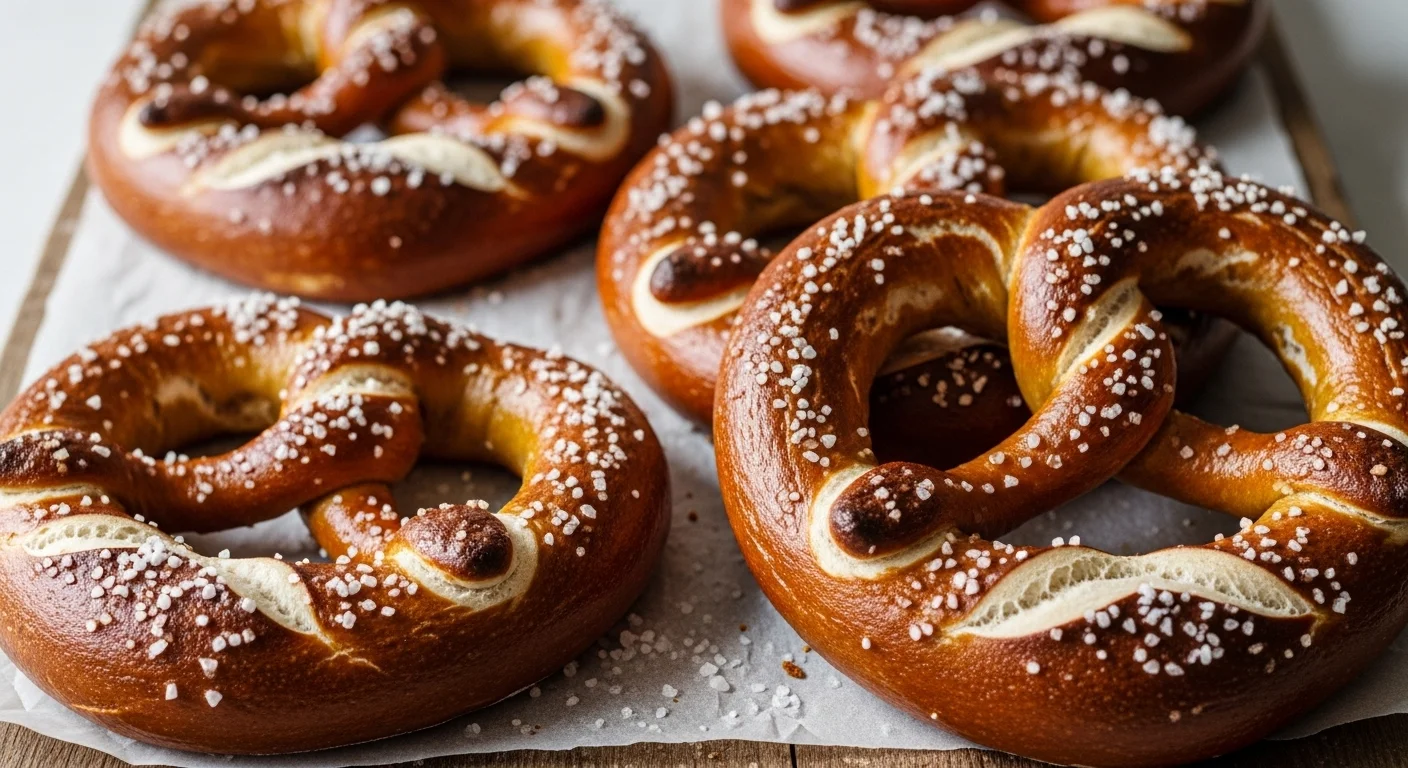
Understanding Sourdough Pretzels
What is Sourdough?
Sourdough is more than just a type of bread; it’s a living culture of flour and water, fermented by wild yeast and bacteria. I remember the first time I tried my hand at sourdough. I was amazed by how just a few simple ingredients could transform into something so flavorful and complex. The tangy taste and airy texture of sourdough come from this natural fermentation process. This means that instead of relying on commercial yeast, you cultivate your own starter, which gives your pretzels that distinctive flavor. The process may take a bit of patience, but I promise it’s worth it!
History of Pretzels
Now, let’s dive into the history of pretzels. I was surprised to learn that pretzels date back to ancient times, possibly as far as 600 A.D. in Europe. They were believed to be created by monks who wanted to reward children for learning their prayers. The unique shape represents arms crossed in prayer, which is a beautiful touch, don’t you think? Over the centuries, pretzels evolved from a religious symbol into a popular snack, especially in Germany, where they are still a staple at beer gardens and festivals. I can’t help but feel a connection to this rich history every time I twist my dough into that iconic shape!
Why Sourdough for Pretzels?
So, why choose sourdough for pretzels? From my experience, sourdough not only enhances the flavor but also improves the texture. The natural fermentation gives the pretzels a delightful chewiness that’s hard to beat. I’ve tried making pretzels with regular dough, but they just didn’t compare. Sourdough pretzels also have a slight tang that pairs perfectly with the saltiness of the crust. Plus, using a sourdough starter means I’m utilizing a living culture, which feels so much more connected to my food. It adds a personal touch to every bite! Read Interesting article: This Easy No-Cook Dinner Trend Saved My Summer
Ingredients for Homemade Sourdough Pretzels
Essential Ingredients
When it comes to crafting the perfect sourdough pretzel, the right ingredients make all the difference. Here’s what you’ll need:
Flour Types (All-Purpose, Bread Flour)
First up is flour. I’ve experimented with both all-purpose flour and bread flour. Bread flour, with its higher protein content, gives the pretzels a chewier texture, while all-purpose flour can work in a pinch. Personally, I prefer using bread flour because it creates that ideal bite. If you’re up for it, blend the two for even more flavor and texture!
Water Quality
Next, let’s talk about water. I’ve learned that using filtered water can make a big difference. Tap water, with its chemicals, can sometimes interfere with the fermentation process. Using clean, fresh water has helped my sourdough starter thrive, making my pretzels even better.
Salt Varieties
Then there’s salt. I like to use kosher salt in my dough, as it dissolves easily and doesn’t overpower the flavor. But don’t forget about that coarse sea salt for topping! Sprinkling it on right before baking gives your pretzels that classic salty crunch that is just irresistible.
Sourdough Starter
Your sourdough starter is the star of the show! If you don’t have one yet, don’t worry; it’s easy to create your own from scratch. I recommend starting a few days ahead of your pretzel-making adventure so your starter is bubbly and active. It’s a fun process, and you’ll feel accomplished knowing you cultivated your own starter!
Optional Ingredients
Now, let’s look at some optional ingredients that can elevate your sourdough pretzels:
Butter for Richness
Adding a touch of melted butter to your dough can add richness and depth of flavor. I’ve found that it makes the pretzels a bit softer and more decadent – perfect for a snack or treat!
Baking Soda for the Boiling Solution
One crucial step in making pretzels is boiling them in a baking soda solution before baking. This gives them that signature chewy crust. I’ve tried using other methods, but nothing compares to the results from a baking soda bath!
Toppings (Coarse Sea Salt, Cheese, etc.)
Finally, let’s not forget about toppings! Coarse sea salt is a must, but I also love to get creative. Sometimes, I sprinkle on some shredded cheese or everything bagel seasoning before baking. It adds an extra layer of flavor that takes the pretzels to the next level. Read Interesting article: Easy Lemon Butter Salmon (A 15-Minute Meal)
Equipment You’ll Need
Mixing Bowls
Having the right mixing bowls is essential for our pretzel-making adventure. I usually opt for a large, sturdy bowl that can accommodate all of that dough as it rises. Glass or stainless steel work great because they’re easy to clean and allow me to see the dough’s progress. If you have a wooden bowl, that can add a nice touch too, but I’ve found that plastic can sometimes be too lightweight for kneading. It’s all about finding what feels right for you!
Measuring Cups and Spoons
Accurate measurements are key in baking, and that’s why I always keep a set of measuring cups and spoons handy. It’s tempting to just wing it, but trust me, I’ve learned the hard way that precision matters. I prefer using dry measuring cups for flour and liquid measuring cups for water. If you want to get really serious about your baking, consider investing in a set of measuring spoons that include 1/4 teaspoon and 1/8 teaspoon. They can be a lifesaver for those small amounts of ingredients!
Kitchen Scale
I can’t emphasize enough how much a kitchen scale has changed my baking game! Weighing ingredients gives me the most consistent results. I remember when I first started using a scale; it felt a little foreign, but now I wouldn’t go back. I find that 500 grams of flour gives me the perfect dough consistency for my sourdough pretzels. Plus, it’s great for adjusting recipes on the fly, should I decide to make a larger or smaller batch!
Baking Sheet and Parchment Paper
A good baking sheet is a must-have in any kitchen. I love using a heavy-duty half-sheet pan for my pretzels. It provides even heat distribution, which is crucial for that perfect bake. I always line my baking sheet with parchment paper to prevent sticking and make cleanup a breeze. It also helps achieve that crispy bottom I crave. If you haven’t tried parchment paper yet, I highly recommend giving it a go; it’s a total game changer!
Large Pot for Boiling
Boiling the pretzels is one of my favorite parts of the process, and for that, you’ll need a large pot. I typically use a stockpot, so I have enough space to boil a few pretzels at a time without crowding them. This step is essential for achieving that unique pretzel crust. I fill the pot with water, add baking soda, and bring it to a rolling boil. It’s always a bit mesmerizing to watch the pretzels puff up as they float around!
Oven and Baking Stone (optional)
Finally, let’s talk about the oven. Preheating it to the right temperature is crucial for a successful bake. I’ve found that baking my pretzels on a baking stone gives them a nice crust. If you don’t have a stone, no worries; a regular baking sheet works just fine. Just make sure to preheat the oven to 450°F (232°C) to get that golden-brown finish. I remember the first time I took my pretzels out of the oven; the aroma filled my kitchen, and I couldn’t wait to dig in!
Step-by-Step Guide to Making Sourdough Pretzels
Preparing the Sourdough Starter
Before diving into the pretzel magic, we need to prepare the sourdough starter. I usually take my starter out of the fridge the night before I plan to bake. I feed it with equal parts flour and water, then let it sit at room temperature. By morning, it’s bubbly and ready to go. I’ve learned that the more active my starter is, the better my pretzels turn out. If you’re new to sourdough, don’t get discouraged if it takes a few tries to get it just right; we all have to start somewhere!
Mixing the Dough
Once my starter is active, I gather my ingredients and start mixing the dough. I usually combine the flour, salt, and any optional ingredients like butter in a mixing bowl. Then, I add my bubbly sourdough starter and water. I use my hands to mix everything until it starts to come together. The first time I did this, I was amazed at how therapeutic it felt to knead the dough. It’s like a little workout and helps me connect with my food.
First Rise: Fermentation Process
After mixing, I form the dough into a ball and place it in a lightly greased bowl, covering it with a damp cloth. This is where the magic happens! I let it rise for about 4–6 hours at room temperature. I often check on it and give it a gentle stretch and fold every hour or so. It’s fascinating to watch it grow and develop flavor during this fermentation phase. I’ve noticed that the longer I let it rise, the more complex the flavor becomes.
Shaping the Pretzels
Once the dough has doubled in size, it’s time to shape the pretzels. I punch it down gently to release some air and then divide it into equal pieces. I like to roll each piece into a long rope, about 18 inches. The twisting part is where the fun begins! I shape them into the classic pretzel form, crossing the ends and twisting them over each other before securing them to the bottom. I remember getting a bit frustrated at first, but now it feels like second nature!
Boiling the Pretzels
After shaping, I bring out my large pot and get that baking soda solution ready. Once the water is boiling, I carefully place each pretzel in for about 30 seconds. It’s amazing to see them puff up in the water! I usually use a slotted spoon to flip them halfway through. This step is what gives them that gorgeous crust and chewy texture. I feel like a true pretzel artisan when I pull them out of the pot!
Baking the Pretzels
Finally, it’s time to bake! I place the boiled pretzels on my lined baking sheet, sprinkle them with coarse sea salt, and slide them into the preheated oven. The smell of baking pretzels is simply divine. I usually let them bake for about 12–15 minutes until they turn a deep golden brown. I’ve learned that keeping an eye on them is key; they can go from perfect to overdone in a flash!
Cooling and Serving
Once they’re out of the oven, I let them cool for a few minutes on a wire rack. The anticipation builds as I wait to take that first bite. They’re best enjoyed warm, so I usually serve them with a side of mustard or cheese dip. I love sharing them with friends and family; there’s just something about homemade pretzels that brings everyone together. It’s a wonderful feeling to see their smiles as they enjoy something I’ve made with my own two hands!
Tips for Perfect Sourdough Pretzels
Achieving the Right Texture
Getting that perfect texture in sourdough pretzels is an art form, and I’ve learned a few tricks along the way. One of the most important factors is the kneading process. When I knead the dough, I really pay attention to how it feels. It should be smooth and elastic but not overly sticky. If it’s sticky, I add a bit more flour, but I do it gradually to avoid making the dough too dense. I’ve found that kneading for about 10 minutes gives me the best results, creating that delightful chewiness we all love.
Another tip is to ensure that your dough rises in a warm environment. I usually turn on my oven for a minute to warm it up, then turn it off, placing my covered dough inside to rise. The warmth helps the yeast work its magic, and I’ve seen my dough double in size beautifully. I also make sure not to rush the fermentation process; giving it that extra time really enhances the flavor profile of my pretzels.
Common Mistakes to Avoid
We all make mistakes, but I’ve learned to avoid a few common pitfalls when making sourdough pretzels. One big mistake is underestimating the importance of a well-fed starter. If your sourdough starter isn’t bubbly and active, your pretzels won’t rise properly. I always make sure to feed my starter the night before I plan to bake. I remember the first time I used an inactive starter; my pretzels were flat and dense. It was a real eye-opener!
Another mistake is not boiling the pretzels long enough. I used to think that a quick dip would suffice, but I’ve found that a full 30 seconds in the baking soda solution is crucial. This step is what gives them that signature crust and chewy texture. I’ve tried to skip this part before, and it was a letdown. Trust me, take the time to boil them!
Flavor Enhancements
If you’re looking to elevate your sourdough pretzels even further, there are plenty of flavor enhancements to try. One of my favorites is adding spices to the dough. I’ve experimented by incorporating garlic powder, onion powder, or even a bit of paprika for a smoky kick. It adds an unexpected twist that my family and friends always rave about.
You can also play around with the toppings. Besides the classic coarse sea salt, I love to sprinkle on grated cheese before baking. Cheddar is my go-to, but I’ve also used Parmesan for a more sophisticated flavor. Another fun option is to use everything bagel seasoning, which adds a delightful crunch and flavor explosion. Each time I try something new, it keeps the pretzel-making experience exciting!
Variations of Sourdough Pretzels
Cheese-Stuffed Pretzels
If you’re a cheese lover like I am, you absolutely have to try making cheese-stuffed sourdough pretzels. I usually take a piece of dough, flatten it out, and place a small cube of cheese in the center before shaping it into a pretzel. As they bake, the cheese melts and creates a gooey center that is simply irresistible. I recommend using a good melting cheese, like mozzarella or cheddar. I remember the first time I pulled these out of the oven; the melted cheese oozed out, and it was a game-changer!
Sweet Pretzel Variations
On days when I’m craving something sweet, I love to make cinnamon sugar pretzels. After boiling the pretzels, I brush them with melted butter and then coat them in a mixture of cinnamon and sugar before baking. The aroma that fills my kitchen is heavenly! It’s like having dessert for a snack, and I often serve them with a side of cream cheese frosting for dipping. I’ve even added chocolate chips to the dough for an extra treat; it’s a delightful surprise!
Gluten-Free Sourdough Pretzels
For those looking for gluten-free options, I’ve experimented with gluten-free flour blends to create sourdough pretzels. The results can be just as tasty, though I’ve found the texture may vary a bit. I recommend using a high-quality gluten-free flour mix, as some can be quite gritty. It’s essential to add a binding agent like xanthan gum to help the dough hold together. My gluten-free friends have loved the pretzels I’ve made, and it’s rewarding to share the joy of homemade pretzels with everyone!
Storing and Reheating Sourdough Pretzels
Best Storage Practices
Once I’ve made my pretzels, I want to enjoy them for as long as possible. I usually let them cool completely before storing them in an airtight container. They can last for a couple of days at room temperature, but if I want to keep them longer, I’ll wrap them tightly in plastic wrap and place them in the fridge. I’ve found that reheating them is the key to keeping that fresh-baked taste.
How to Reheat for Freshness
To reheat my sourdough pretzels, I like to pop them in the oven at 350°F (175°C) for about 5-10 minutes. This method helps restore their crispy exterior and warm, chewy interior. I remember the first time I reheated them in the microwave; they turned out chewy but not in a good way! The oven method has become my go-to, ensuring that they taste just as delightful as when they first came out of the oven. If I’m in a hurry, a quick toast in the air fryer works wonders too!
Frequently Asked Questions
What is sourdough?
Sourdough is a living culture of flour and water, fermented by wild yeast and bacteria. It is cultivated from a starter, giving sourdough pretzels their distinctive flavor and texture.
What is the history of pretzels?
Pretzels date back to ancient times, possibly as far as 600 A.D. in Europe. They were created by monks to reward children for learning their prayers, with their shape representing arms crossed in prayer.
Why use sourdough for pretzels?
Sourdough enhances the flavor and improves the texture of pretzels, providing a delightful chewiness and a slight tang that pairs well with their salty crust.
What are the essential ingredients for homemade sourdough pretzels?
Essential ingredients include flour (preferably bread flour), filtered water, salt (kosher for dough and coarse sea salt for topping), and a bubbly sourdough starter.
What equipment do I need to make sourdough pretzels?
You’ll need mixing bowls, measuring cups and spoons, a kitchen scale, a baking sheet lined with parchment paper, a large pot for boiling, and an oven (a baking stone is optional).
How do I prepare the sourdough starter?
Take your starter out of the fridge the night before baking, feed it with equal parts flour and water, and let it sit at room temperature until it is bubbly and active.
What is the boiling process for pretzels, and why is it important?
The pretzels are boiled in a baking soda solution for about 30 seconds, which gives them a signature crust and chewy texture. This step is crucial for achieving the perfect pretzel.
What are some common mistakes to avoid when making sourdough pretzels?
Common mistakes include using an inactive sourdough starter and not boiling the pretzels long enough. A well-fed starter and a full 30 seconds in the boiling solution are essential for good results.
How can I store and reheat sourdough pretzels?
Store cooled pretzels in an airtight container at room temperature for a couple of days or wrap them in plastic wrap and refrigerate for longer storage. To reheat, bake them at 350°F (175°C) for 5-10 minutes to restore their texture.
What are some variations of sourdough pretzels I can try?
Variations include cheese-stuffed pretzels, sweet cinnamon sugar pretzels, and gluten-free pretzels made with a high-quality gluten-free flour blend and a binding agent like xanthan gum.